AC Contactor Repair: 5 Essential Signs Your Unit Needs Expert Help
AC Contactor Repair is a critical aspect of maintaining a healthy and efficient HVAC system. This small but mighty component acts as the central switch for your outdoor unit, controlling the flow of high-voltage electricity to the compressor and condenser fan. When it malfunctions, your entire cooling system can grind to a halt, leaving you in uncomfortable heat.
Understanding the signs of a failing AC contactor can save you from costly breakdowns and ensure your home remains cool and comfortable. This comprehensive guide will walk you through the five most critical indicators that your unit needs expert attention, delve into diagnostic methods, discuss repair options, and emphasize why professional AC Contactor Repair is often the safest and most effective solution.
Key Takeaways
- Identify the five critical signs that signal an urgent need for AC Contactor Repair to prevent further system damage.
- Understand the vital role of the AC contactor in your HVAC system and how its failure impacts overall performance.
- Learn the key differences between professional diagnostics and the inherent risks of attempting DIY contactor replacement.
- Discover how timely intervention and professional service can extend the lifespan of your AC unit and optimize its efficiency.
What is an AC Contactor and Its Role in Your HVAC System for Effective AC Contactor Repair?
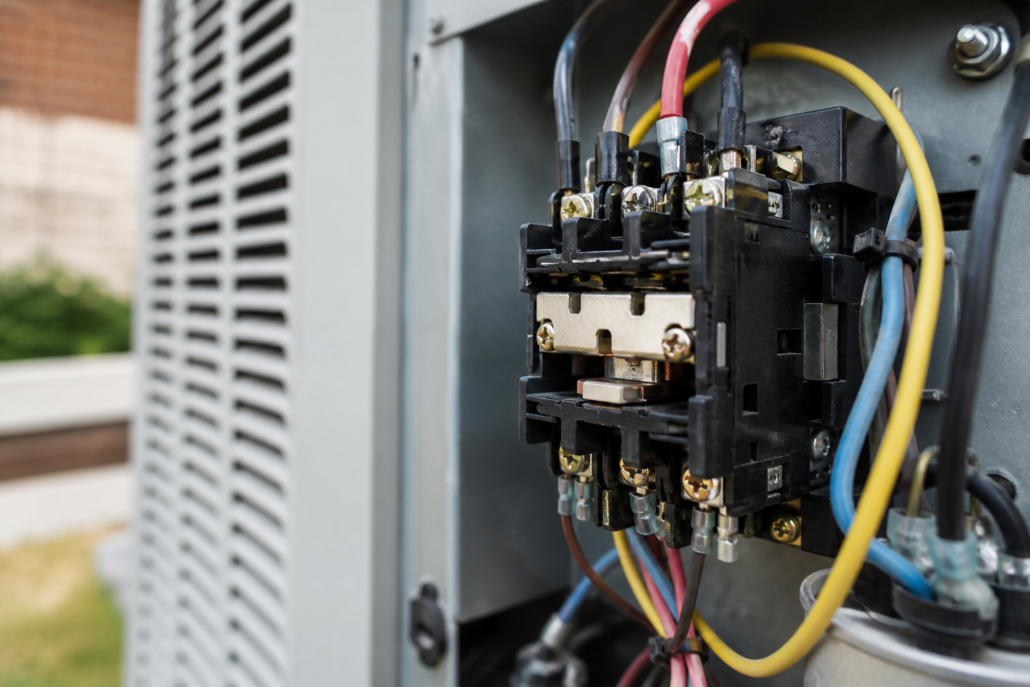
An AC contactor is essentially an electrical relay, a heavy-duty switch that controls the flow of high-voltage power to the outdoor unit of your air conditioning system. When your thermostat signals a demand for cooling, it sends a low-voltage electrical current to the contactor’s coil. This energizes the coil, creating an electromagnetic field.
This magnetic force pulls down a plunger, which closes the main electrical contacts. Once these contacts are closed, high-voltage electricity can flow from your home’s main power supply to the compressor and condenser fan motor, initiating the cooling cycle. Without a properly functioning contactor, these vital components simply won’t receive power.
The contactor is a critical safety device, preventing direct high-voltage exposure and ensuring that the powerful components of your AC only operate when commanded by the thermostat. Its reliable operation is paramount for system efficiency and longevity, making timely AC Contactor Repair essential when issues arise.
Understanding the Function of an AC Contactor in HVAC Systems
The AC contactor is located in the outdoor condenser unit, typically housed within the electrical control panel. It acts as the bridge between the low-voltage control circuit from your thermostat and the high-voltage power circuit that runs the compressor and fan. This separation protects the delicate thermostat wiring from high electrical loads.
Over time, the constant opening and closing of the contactor’s electrical contacts can lead to wear and tear. Arcing, pitting, and corrosion are common issues that can compromise its ability to make a solid electrical connection. Such degradation can lead to various operational problems, highlighting the importance of regular inspection and potential contactor servicing.
A failing contactor can manifest in several ways, from your unit not turning on at all to making unusual noises. Recognizing these symptoms early can prevent more extensive and costly damage to your entire HVAC system. Addressing these issues promptly is key to maintaining a comfortable indoor environment.
5 Critical Signs Your Unit Needs Expert AC Contactor Repair
Identifying the early warning signs of a failing AC contactor is crucial for preventing complete system failure and avoiding expensive emergency repairs. These symptoms often indicate that the electrical contacts are worn, pitted, or the coil is weakening. Ignoring these indicators can lead to further damage to your compressor or fan motor.
Here are five critical signs that suggest your air conditioning unit is in urgent need of professional AC Contactor Repair. Recognizing these can help you act quickly and protect your HVAC investment.
The Outdoor Unit Fails to Start or Cycles Rapidly: A Sign for AC Contactor Repair
One of the most common indicators of a faulty contactor is when your outdoor AC unit fails to start, even though the indoor unit (furnace/air handler) is running and blowing air. The thermostat may be calling for cooling, but the compressor and fan outside remain silent. This often points to the contactor not closing properly.
Alternatively, you might observe your outdoor unit “short-cycling.” This means it turns on for a very brief period, then shuts off, only to repeat the process moments later. This erratic behavior can be caused by pitted contacts that intermittently lose connection, leading to inefficient cooling and increased wear on your system. This situation clearly calls for an assessment for AC Contactor Repair.
A Loud Buzzing or Humming Sound from the Outdoor Unit Indicating AC Contactor Repair Needs
If you hear a distinct, loud buzzing or humming noise emanating from your outdoor AC unit, especially when it’s attempting to start, a failing contactor is a likely culprit. This sound often indicates that the contactor’s coil is not receiving sufficient voltage or that the contacts are not fully engaging.
The incomplete connection causes the contactor to vibrate rapidly, producing the audible buzz. While a faint hum is normal, a loud, persistent buzz is a clear sign of trouble. Addressing this promptly can prevent the contactor from welding shut or failing completely, which would necessitate immediate AC Contactor Repair.
Intermittent Cooling or No Cooling at All: Urgent AC Contactor Repair
When your AC system struggles to maintain a consistent temperature, or if it blows warm air intermittently, a failing contactor could be the underlying issue. The contactor might be making an inconsistent connection, causing the compressor and fan to switch on and off erratically.
This intermittent operation not only reduces your home’s comfort but also puts undue stress on your entire HVAC system. Such symptoms demand immediate attention, as they can quickly escalate into a complete system breakdown. Professional evaluation for AC Contactor Repair is highly recommended in these scenarios.
Visible Burn Marks or Pitting on the Contactor: A Clear Need for AC Contactor Repair
A visual inspection, performed only by a qualified technician with the power safely disconnected, can reveal clear signs of contactor degradation. If the electrical contacts appear burnt, melted, or severely pitted, it indicates excessive arcing and heat generation.
This damage significantly reduces the contactor’s ability to conduct electricity efficiently and reliably. Severely damaged contacts cannot be repaired and will require a complete replacement of the component. This is a definitive sign that professional AC Contactor Repair is necessary.
The Compressor or Fan Motor Runs Continuously: Addressing AC Contactor Repair
While less common, a contactor can sometimes fail in the “closed” position, meaning it remains engaged even when the thermostat is no longer calling for cooling. This results in the outdoor unit’s compressor and fan motor running continuously, leading to excessive energy consumption and potential damage to these expensive components.
This constant operation can quickly overheat and wear out your compressor, leading to a much more costly repair than a simple contactor replacement. If you notice your outdoor unit never shutting off, even after reaching the set temperature, it’s a critical sign requiring urgent AC Contactor Repair.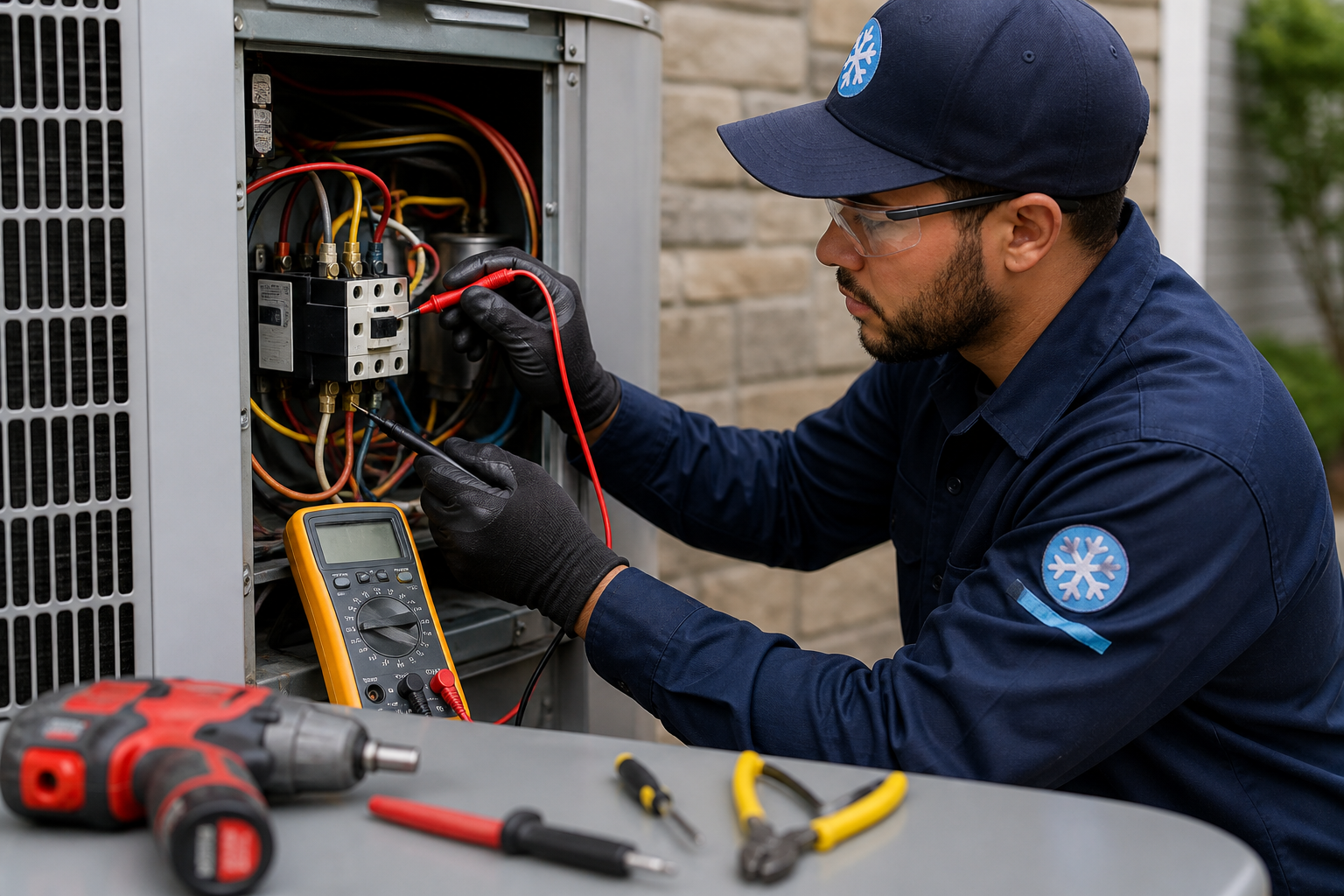
Diagnosing AC Contactor Repair Needs: Professional vs. DIY
When faced with a malfunctioning AC unit, many homeowners consider attempting repairs themselves. While some minor HVAC issues can be tackled by a handy individual, diagnosing and performing AC Contactor Repair is a task best left to certified professionals. The risks associated with high voltage electricity are significant, and improper diagnosis can lead to further damage.
How Professionals Test for AC Contactor Faults
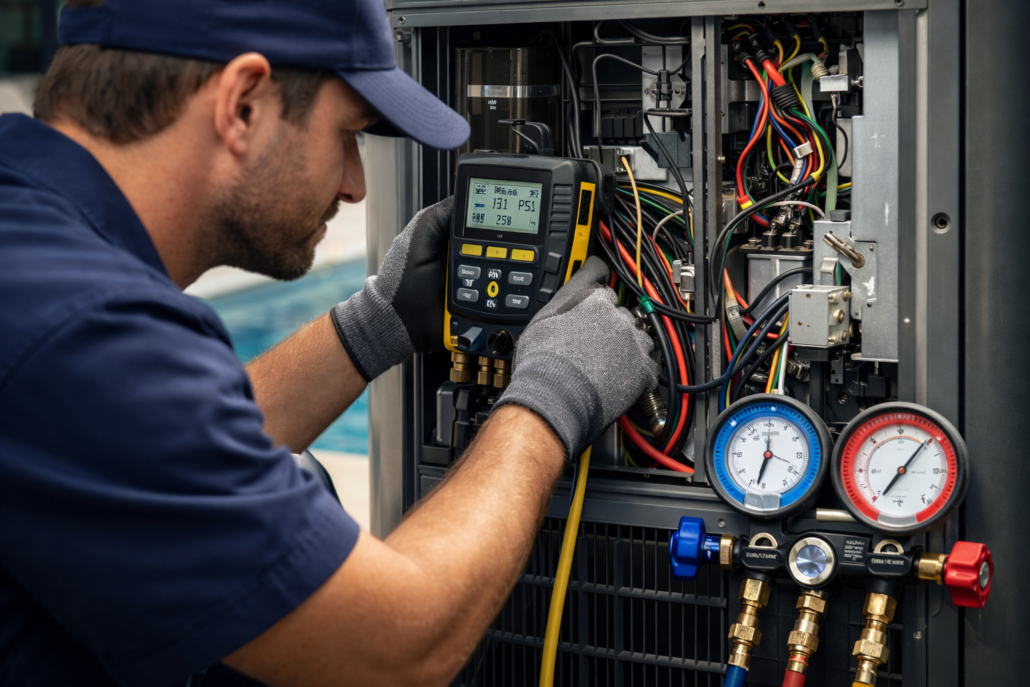
Qualified HVAC technicians use specialized tools, such as multimeters, to safely and accurately diagnose contactor issues. They will first ensure all power to the unit is off at the breaker. Then, they can test for continuity across the main power terminals when the coil is energized (which requires careful, live testing or external power for the coil) and de-energized.
Technicians also measure the resistance of the coil itself to check for open circuits or shorts. They inspect the contacts for pitting or burning and verify proper voltage supply. This precise diagnostic process is key to effective AC Contactor Repair, ensuring the root cause is identified and addressed correctly.
Safety First: Essential Precautions for AC Contactor Repair
Attempting to test or replace an AC contactor without proper training and safety equipment is extremely dangerous. The outdoor unit contains high-voltage components that can deliver a fatal electrical shock. Even after the power is turned off, capacitors within the unit can retain a lethal charge.
Safety precautions include always turning off the main power at the breaker, using a voltage tester to confirm no power is present, and discharging capacitors safely. Due to these inherent dangers, it is highly recommended to have a qualified HVAC technician perform any inspection or AC Contactor Repair. For detailed safety guidelines on electrical work, consult resources from organizations like the National Fire Protection Association (NFPA).
Why DIY Contactor Replacement Can Be Challenging
Beyond the safety risks, DIY contactor replacement can be challenging due to the need for specific electrical knowledge and tools. Identifying the correct replacement part, ensuring proper wiring, and understanding the nuances of your specific HVAC system model are all critical. Incorrect installation can lead to immediate failure, damage to other expensive components like the compressor, or even fire hazards.
Furthermore, universal AC contactor repair kits are generally not available, as contactors are specific to voltage, amperage, and coil characteristics. Purchasing genuine replacement parts requires knowing your unit’s specifications. It is often more cost-effective and safer in the long run to rely on expert services for contactor replacement.
Need Expert AC Contactor Repair? Trust Stream Cold Air Corp
Don’t let a faulty AC contactor leave you without cool air. Our certified technicians provide prompt, reliable AC Contactor Repair services, ensuring your system runs efficiently and effectively.
Understanding AC Contactor Lifespan and Replacement
The lifespan of an AC contactor can vary significantly based on several factors, including the quality of the component, the frequency of AC usage, and environmental conditions. Typically, an AC contactor is designed to last between 5 to 10 years. However, heavy usage, frequent cycling, and exposure to dirt or moisture can shorten this lifespan considerably.
Regular maintenance checks by a professional HVAC technician can help identify early signs of wear and tear, allowing for proactive replacement before a complete breakdown occurs. This preventative approach is crucial for maintaining system reliability and avoiding unexpected disruptions to your cooling.
Extending the Lifespan of Your AC Contactor
To maximize the life of your AC contactor, regular professional maintenance is key. Technicians can clean the contacts, check for proper voltage, and ensure all connections are secure. Keeping your outdoor unit free from debris, leaves, and dirt also helps prevent contaminants from interfering with the contactor’s operation.
Ensuring your HVAC system is properly sized for your home and that your thermostat is functioning correctly can also reduce unnecessary cycling, thereby extending the life of the contactor. These simple steps can delay the need for extensive contactor servicing.
What Causes an AC Contactor to Stick?
An AC contactor can stick in either the open or closed position due to several reasons. If it sticks open, the outdoor unit won’t receive power. This can be caused by a weak coil that can’t generate enough magnetic force, or by severely pitted contacts that physically prevent closure.
If it sticks closed, the outdoor unit will run continuously. This often happens when the contacts weld together due to excessive arcing and heat, or if debris gets lodged between the contacts. Both scenarios require immediate attention to prevent further damage to the compressor and fan motor, making prompt contactor replacement essential.
Sourcing Genuine Replacement Parts
When a contactor needs replacement, it’s vital to use genuine, high-quality parts that match your unit’s specifications. Generic or low-quality contactors may not perform reliably and could lead to premature failure or even safety hazards. Reputable HVAC service providers like Stream Cold Air Corp in Deerfield Beach, FL, always use manufacturer-approved components.
While there aren’t universal “repair kits” for contactors, replacement units are readily available. Brands like Siemens, Schneider Electric, and GE are known for producing durable and reliable contactors. Always consult with a professional to ensure the correct part is selected for your specific AC model, guaranteeing effective contactor replacement.
The Cost and Value of Professional Contactor Services
Investing in professional contactor services is a wise decision that protects your overall HVAC system and ensures long-term comfort. While it might seem like a simple component, its role is critical, and a faulty contactor can quickly lead to much more expensive repairs if left unaddressed.
Average Cost of Contactor Replacement
The average cost for professional AC contactor replacement typically ranges from $150 to $400, including parts and labor. This price can vary depending on your geographic location, the specific type of contactor required, and the service provider. For residents in Deerfield Beach, FL, and surrounding areas, Stream Cold Air Corp offers transparent pricing and reliable service.
This cost is a small investment compared to the potential expense of replacing a damaged compressor, which can run into thousands of dollars. Timely repair of a contactor ensures your system operates safely and efficiently, preventing further strain on other components.
Finding Reliable HVAC Repair Services in Deerfield Beach
When your AC unit shows signs of a failing contactor, choosing a trustworthy and experienced HVAC company is paramount. Look for certified technicians, positive customer reviews, and a company that offers clear explanations and transparent pricing.
For residents of Deerfield Beach, FL, and the broader South Florida region, Stream Cold Air Corp provides expert HVAC repair services. Our team is equipped with the knowledge and tools to accurately diagnose and efficiently resolve any contactor-related issues, ensuring your air conditioning system is back to optimal performance quickly. You can learn more about our comprehensive AC repair services in Deerfield Beach, FL on our website.
Your Invitation to Lasting Comfort
The importance of timely contactor maintenance cannot be overstated. This seemingly small component plays a monumental role in the functionality and longevity of your entire air conditioning system. Ignoring the critical signs of a failing contactor can lead to escalating problems, from inefficient cooling to complete system breakdowns and costly compressor replacements.
By understanding the symptoms and recognizing the value of professional intervention, you can ensure your HVAC system remains reliable and efficient. Don’t wait for a minor issue to become a major emergency. If you suspect your AC contactor is failing, prompt action is the best course.
For expert diagnostics and reliable HVAC repair services in Deerfield Beach, FL, trust the certified technicians at Stream Cold Air Corp. We are dedicated to restoring your comfort with precision and professionalism.
Common Questions About AC Contactor Repair
What is an AC contactor and how does it function in an HVAC system?
An AC contactor is an electromechanical switch that controls the flow of high-voltage electricity to major components of your outdoor air conditioning unit, such as the compressor and condenser fan motor. When your thermostat calls for cooling, it sends a low-voltage signal to the contactor’s coil, which then pulls in a plate, allowing the main power to pass through and energize your unit. It acts as a crucial safety and operational bridge between the thermostat and the high-power components.
What are the common symptoms of a failing AC contactor?
Common symptoms of a failing AC contactor include the outdoor unit not turning on at all, the outdoor unit making a buzzing or humming noise but the fan or compressor isn’t running, the compressor short-cycling (turning on and off frequently), or intermittent cooling. You might also notice burnt or pitted contacts if you inspect the contactor directly, though this requires professional inspection.
How do I test an AC contactor for faults using a multimeter?
Testing an AC contactor with a multimeter requires extreme caution as you are dealing with high voltage. First, ensure all power to the HVAC unit is completely off at the breaker. You can test for continuity across the main power terminals when the coil is energized (which requires careful, live testing or external power for the coil) and de-energized. You can also test the resistance of the coil itself.
Due to the inherent dangers, it’s highly recommended to have a qualified HVAC technician perform this test.
Why is my AC contactor buzzing loudly, and how can I fix it?
A loud buzzing AC contactor often indicates a weakening coil, pitted or dirty contacts, or improper voltage. Over time, the magnetic coil can lose strength, or the contacts can degrade, leading to an incomplete connection and vibration, causing the buzzing sound. In some cases, low voltage can also be a culprit. While cleaning contacts might offer a temporary fix, often the best solution for a persistently buzzing contactor is replacement by a professional.
Can a burnt or pitted AC contactor be repaired, or does it always need replacement?
While minor pitting on AC contactor contacts might sometimes be carefully cleaned by an experienced technician, severely burnt, melted, or deeply pitted contacts generally necessitate full replacement of the contactor. These components are not typically designed for repair once significant damage occurs, as compromised contacts can lead to arcing, overheating, and further damage to your HVAC system. Replacement ensures safe and reliable operation.
What safety precautions should I take before attempting AC contactor repair?
Safety is paramount when dealing with electrical components. Before attempting any AC contactor repair or inspection, ALWAYS turn off the power to your entire HVAC unit at the main electrical breaker. Verify that the power is off using a voltage tester. Even with power off, capacitors can hold a charge, so exercise extreme caution. It is highly recommended to leave such repairs to certified professionals like those at Stream Cold Air Corp to prevent injury or further damage.
What is the average cost to have an AC contactor professionally repaired or replaced?
The average cost for professional AC contactor repair or replacement can vary based on your location, the specific unit, and the service provider. Generally, you can expect the cost to range from $150 to $400, including parts and labor. This investment is crucial as a failing contactor can lead to more expensive repairs if left unaddressed. Always get a detailed quote from a reputable HVAC company like Stream Cold Air Corp.
Who provides reliable AC contactor repair services near my location?
For reliable AC Contactor Repair services in Deerfield Beach, FL, and surrounding areas, Stream Cold Air Corp is a trusted choice. Our certified and experienced technicians specialize in diagnosing and resolving all types of AC contactor issues efficiently and effectively. We prioritize safety and quality, ensuring your air conditioning system is restored to optimal performance. Contact us today for expert assistance with your AC contactor repair needs.