
The Furnace Heat Exchanger is the unsung hero of your home’s heating system, quietly working to keep you warm and safe. This critical component ensures that the heat generated by burning fuel is safely transferred into your breathable air, preventing dangerous combustion byproducts from entering your living space. When this vital part is compromised, it poses a significant risk to your family’s health and safety, potentially leading to carbon monoxide leaks and inefficient heating.
Understanding the warning signs of a failing Furnace Heat Exchanger is not just about maintenance; it’s about proactive safety. In this comprehensive guide, we will delve into the essential role of this component, explore the three ultimate warning signs that indicate a dangerous problem, and provide actionable advice on what steps to take. Protecting your home begins with recognizing these critical indicators and acting swiftly to ensure your heating system operates safely and efficiently.
Key Takeaways About Your Furnace Heat Exchanger
- Recognize the critical role of the Furnace Heat Exchanger in both heating your home and ensuring your family’s safety from toxic gases.
- Learn to identify the three ultimate warning signs: unusual odors, changes in flame color, and visible physical damage, which indicate a dangerous problem.
- Understand why a cracked Furnace Heat Exchanger is a severe carbon monoxide risk and requires immediate professional attention, not DIY repair.
- Discover the factors contributing to heat exchanger failure and the average lifespan, guiding your decisions on repair versus full furnace replacement.
Understanding the Core Function of Your Furnace Heat Exchanger
At the heart of every gas or oil furnace lies the Furnace Heat Exchanger, a marvel of engineering designed for both comfort and safety. Its primary function is elegantly simple yet critically important: to separate the combustion gases from the air circulating through your home. As fuel burns, it produces hot gases that flow through the sealed chambers of this critical component.
Simultaneously, the cooler air from your home’s return ducts passes over the exterior surface of the heat exchanger. Heat is transferred through the metal walls of the exchanger, warming the circulating air without any direct contact with the combustion byproducts. This warmed air is then distributed throughout your home, providing comfort while keeping harmful gases like carbon monoxide safely contained and vented outside.
The Silent Danger: Why a Cracked Furnace Heat Exchanger is Dangerous
A cracked or damaged Furnace Heat Exchanger is not merely an inconvenience; it represents a grave safety hazard. When cracks form, the integrity of the sealed barrier is compromised, allowing combustion gases to mix with your home’s breathable air. The most insidious of these gases is carbon monoxide (CO), a colorless, odorless, and tasteless gas often referred to as the ‘silent killer’.
Running a furnace with a compromised heat exchanger can lead to carbon monoxide poisoning, which can cause symptoms ranging from headaches and nausea to disorientation, unconsciousness, and even death. This is why immediate action upon suspecting a problem with your furnace heat exchanger is paramount for the safety of everyone in your household.
3 Ultimate Warning Signs of a Dangerous Furnace Heat Exchanger Problem
Identifying a problem with your furnace’s heat exchanger early can be life-saving. Here are the three ultimate warning signs that demand your immediate attention and professional assessment.
Warning Sign 1: Unusual Odors or Visible Soot Around Your Furnace Heat Exchanger
One of the most telling indicators of a failing Furnace Heat Exchanger is the presence of unusual odors. If you detect a strong, chemical-like smell, often described as formaldehyde, when your furnace is running, it could be a sign of combustion gases leaking. This odor is a direct result of incomplete combustion and the presence of toxic byproducts.
Beyond odors, visual cues around your heat exchanger can also signal trouble. Look for soot buildup on the furnace’s interior components, especially near the heat exchanger itself. Soot is a byproduct of incomplete combustion and indicates that the furnace is not burning fuel cleanly, often due to a crack or blockage allowing gases to escape.
Warning Sign 2: Changes in Flame Color and Carbon Monoxide Alarms from Your Furnace Heat Exchanger
A healthy furnace burner flame should be a steady, crisp blue. If you observe your furnace flames flickering, appearing yellow, orange, or green, it’s a critical warning sign. This change in flame color often indicates an issue with combustion, which can be directly linked to a compromised heat exchanger affecting the air-to-fuel mixture.
Perhaps the most urgent warning sign is the activation of your carbon monoxide detector. These devices are designed to alert you to the presence of CO, a gas that can leak into your home through a cracked Furnace Heat Exchanger. If your CO detector goes off, evacuate immediately and contact emergency services and an HVAC professional.
Warning Sign 3: Physical Damage or Corrosion on Your Furnace Heat Exchanger
While not always visible without professional inspection, physical damage or corrosion on the Furnace Heat Exchanger is a definitive sign of failure. Over time, the extreme temperatures and acidic byproducts of combustion can cause the metal to weaken, leading to cracks, rust, or pitting. These structural compromises are irreversible and dangerous.
During routine maintenance, a skilled technician will carefully inspect the heat exchanger for these subtle signs of wear and tear. Even hairline cracks can expand under thermal stress, eventually leading to significant leaks. Regular inspections are crucial for catching these issues before they escalate into dangerous situations.
What Causes a Furnace Heat Exchanger to Fail and What’s Its Lifespan?
Several factors contribute to the failure of a Furnace Heat Exchanger. The most common culprits include prolonged exposure to high temperatures, often exacerbated by restricted airflow due to dirty filters or blocked vents. This excessive thermal stress causes the metal to expand and contract repeatedly, eventually leading to fatigue and cracking.
Corrosion from acidic combustion byproducts, particularly in older furnaces, also plays a significant role. The average lifespan of a heat exchanger is typically 10 to 20 years, though this can vary based on the furnace’s quality, maintenance history, and usage. Regular professional maintenance can help extend its life.
Repair or Replace? Addressing Your Furnace Heat Exchanger Dilemma
When a Furnace Heat Exchanger is found to be cracked or damaged, the question of repair versus replacement is critical. Due to the extreme temperatures and pressures involved, and the severe safety implications of a failure, most HVAC professionals agree that a cracked furnace heat exchanger cannot be reliably repaired. Patching a crack is a temporary and dangerous fix that will likely fail again.
Therefore, in almost all cases, a damaged heat exchanger requires full replacement. The cost to replace a furnace heat exchanger can vary significantly, typically ranging from several hundred to over a thousand dollars, depending on the furnace model and labor. Given this substantial investment, many homeowners consider replacing the entire furnace, especially if the unit is older or frequently requires other repairs. This decision often provides better long-term efficiency and a new warranty. For expert advice on whether to repair or replace your heating system, visit Stream Cold Air Corp’s heating services page.
Finding a Replacement Furnace Heat Exchanger and Professional Inspection
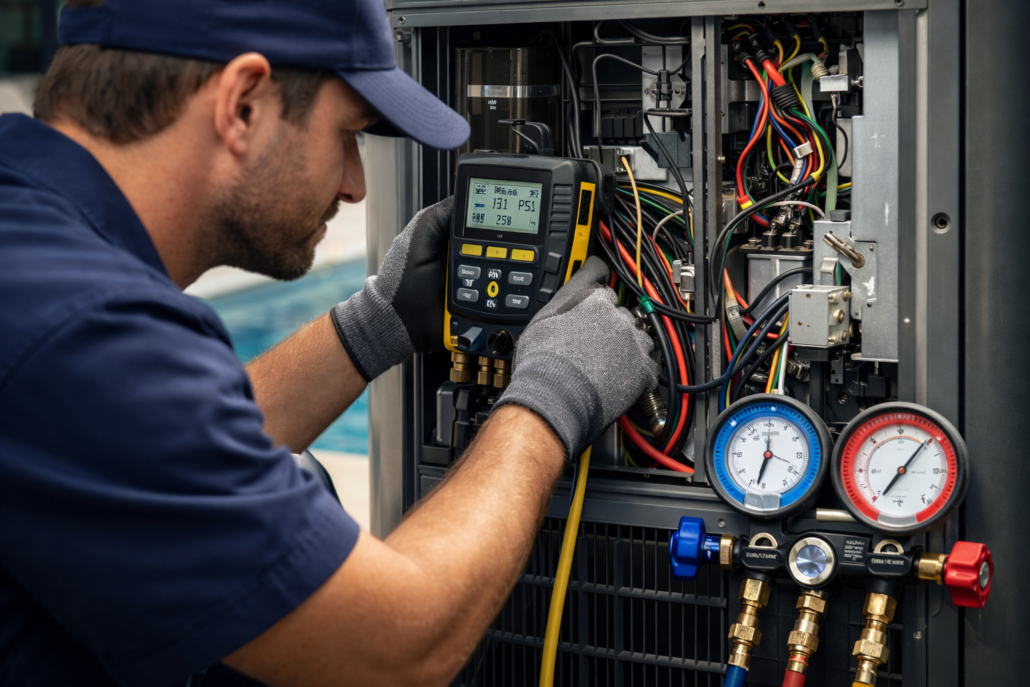
Attempting DIY methods to check a Furnace Heat Exchanger for leaks is strongly discouraged due to the inherent dangers of carbon monoxide and the complexity of furnace systems. This is a job for certified professionals. You should contact a qualified and certified HVAC professional, such as Stream Cold Air Corp, to inspect your furnace heat exchanger for damage.
These experts have the specialized tools and training to safely and accurately diagnose issues, identify cracks, and recommend appropriate solutions. While you might find replacement parts online or through suppliers, purchasing a heat exchanger directly is not recommended without professional installation. The warranty period for a typical furnace heat exchanger can vary, often ranging from 10 years to a lifetime warranty, depending on the manufacturer and model. Always check your furnace’s documentation. For more information on furnace safety and carbon monoxide, consult resources from the Environmental Protection Agency (EPA).
Protect Your Home: Get Your Furnace Heat Exchanger Inspected by Stream Cold Air Corp
A compromised furnace heat exchanger is a serious safety risk. Our certified technicians offer thorough inspections and reliable solutions to keep your heating system safe and efficient.
Types of Furnace Heat Exchanger Designs
While the core function remains the same, Furnace Heat Exchanger designs have evolved. Older furnaces often feature a clam-shell design, while newer, high-efficiency models typically use a primary and secondary heat exchanger system. The primary heat exchanger handles the initial heat transfer, and the secondary heat exchanger extracts even more heat from the exhaust gases before they exit, improving efficiency.
Understanding these types is less about DIY repair and more about appreciating the engineering that keeps your home warm. Regardless of the specific design, the principles of safe operation and the warning signs of failure remain consistent across all types of heat exchanger units.
Conclusion: Prioritizing Your Furnace Heat Exchanger for Home Safety
The Furnace Heat Exchanger is a vital component for your home’s warmth and, more importantly, its safety. Recognizing the three ultimate warning signs—unusual odors, flame discoloration, and physical damage—is crucial for preventing dangerous carbon monoxide leaks. Prioritize regular professional inspections and never attempt to repair a compromised furnace heat exchanger yourself. Your family’s safety depends on a properly functioning heating system. If you suspect a problem, contact a certified HVAC technician immediately to ensure peace of mind and a safe, warm home.
What is the primary function of a furnace heat exchanger?
The primary function of a furnace heat exchanger is to safely transfer heat generated by burning fuel (gas or oil) into the circulating air of your home without mixing the combustion gases with your breathable air. It’s a critical component for both warmth and safety, isolating harmful byproducts like carbon monoxide.
What are the common signs of a cracked furnace heat exchanger?
Common signs of a cracked furnace heat exchanger include a strong, unusual odor (like formaldehyde) when the furnace runs, visible cracks or corrosion on the component, soot buildup inside the furnace, and an unexplained increase in carbon monoxide detector alarms. Fluctuating flame colors (yellow or green instead of blue) can also indicate a problem with the furnace heat exchanger.
Why is a cracked furnace heat exchanger considered dangerous?
A cracked furnace heat exchanger is extremely dangerous because it can allow toxic combustion byproducts, particularly carbon monoxide, to leak into your home’s air supply. Carbon monoxide is odorless and colorless, making it a silent killer that can cause severe illness or death. Addressing a compromised furnace heat exchanger promptly is vital for safety.
How does a furnace heat exchanger work to heat your home?
The furnace heat exchanger works by having hot combustion gases pass through its sealed chambers, which are then surrounded by cooler air from your home’s ductwork. As the hot gases warm the metal walls of the furnace heat exchanger, the circulating air absorbs this heat without ever directly contacting the combustion byproducts. This warmed air is then distributed throughout your home.
Can a furnace heat exchanger be repaired, or does it always require replacement?
In most cases, a damaged or cracked furnace heat exchanger cannot be reliably repaired and almost always requires full replacement. Due to the extreme temperatures and pressures it endures, even a small repair might compromise its structural integrity and safety. Replacing the entire furnace heat exchanger is the safest and most recommended solution.
How much does it cost to replace a furnace heat exchanger?
The cost to replace a furnace heat exchanger varies significantly based on the furnace model, labor rates, and whether the part is under warranty. It can range from several hundred to over a thousand dollars, often making it a significant investment. Given the high cost and labor, some homeowners consider replacing the entire furnace if the furnace heat exchanger is old.
What causes a furnace heat exchanger to fail or crack?
A furnace heat exchanger typically fails or cracks due to prolonged exposure to high temperatures, often exacerbated by restricted airflow (e.g., dirty filters), which causes excessive thermal stress. Age, corrosion from acidic combustion byproducts, and manufacturing defects can also contribute to the degradation and cracking of the furnace heat exchanger over time.
What is the average lifespan of a furnace heat exchanger?
The average lifespan of a furnace heat exchanger is generally between 10 to 20 years, depending on the furnace’s quality, maintenance schedule, and usage patterns. Regular professional maintenance can help extend the life of your furnace heat exchanger by ensuring optimal operating conditions and catching potential issues early.
Who should I contact to inspect my furnace heat exchanger for damage?
You should contact a qualified and certified HVAC professional, like Stream Cold Air Corp, to inspect your furnace heat exchanger for damage. They have the expertise and specialized tools to safely and accurately diagnose issues, identify cracks, and recommend appropriate solutions. Never attempt to inspect a furnace heat exchanger yourself due to safety risks.
Should I replace my entire furnace if the heat exchanger is cracked?
Whether to replace your entire furnace or just the furnace heat exchanger depends on several factors, including the furnace’s age, overall condition, and the cost of repair versus replacement. If your furnace is old and approaching the end of its lifespan, replacing the entire unit often makes more financial sense, providing better efficiency and a new warranty.