The air you breathe inside your home or office directly impacts your health, comfort, and overall well-being. Focusing on Indoor Air Quality is not just a trend; it is a fundamental aspect of creating a healthy living and working environment. Poor air quality can lead to a myriad of issues, from minor irritations to severe long-term health problems. This comprehensive guide will explore the critical importance of the air you breathe and unveil 9 powerful, actionable ways to transform your home’s breath, ensuring a fresher, healthier space for everyone.
Key Takeaways for Improving Indoor Air Quality
- Understand the profound impact of Indoor Air Quality on your health and daily comfort.
- Discover the most common sources of indoor air pollution and how to effectively mitigate them.
- Learn 9 powerful, practical strategies to significantly enhance your home’s Indoor Air Quality.
- Recognize when professional Indoor Air Quality testing and HVAC services are essential for optimal results.
What is Indoor Air Quality and Why it Matters?
Indoor Air Quality (IAQ) refers to the air within and around buildings, specifically as it relates to the health and comfort of building occupants. It encompasses factors like temperature, humidity, ventilation, and the presence of various pollutants. Understanding IAQ is crucial because we spend a significant portion of our lives indoors, making the quality of this air directly relevant to our health. Studies by the Environmental Protection Agency (EPA) highlight that indoor pollutant levels can be 2 to 5 times higher than outdoor levels. This elevated concentration poses a silent threat. Poor IAQ can manifest in various ways, from subtle discomforts to serious health complications. It is not merely about feeling stuffy; it is about the invisible elements that can undermine your well-being. Recognizing the importance of IAQ is the first step towards creating a truly healthy home.
Health Effects of Poor Indoor Air Quality
The health effects of poor Indoor Air Quality can range from acute, short-term irritations to chronic, long-term diseases. Immediately, occupants might experience headaches, dizziness, fatigue, and irritation of the eyes, nose, and throat. These symptoms are often mistaken for common colds or allergies. Prolonged exposure to poor IAQ can exacerbate existing conditions like asthma and allergies. It can also contribute to the development of respiratory diseases, heart disease, and even certain types of cancer. Children, the elderly, and individuals with compromised immune systems are particularly vulnerable to these adverse effects. Ensuring good IAQ is a preventative measure for long-term health.
Can Poor Indoor Air Quality Cause Allergies or Asthma Symptoms?
Absolutely. Poor Indoor Air Quality is a significant trigger and exacerbator of allergy and asthma symptoms. Common indoor pollutants such as dust mites, pet dander, mold spores, pollen, and volatile organic compounds (VOCs) can irritate respiratory pathways. These irritants lead to sneezing, coughing, wheezing, shortness of breath, and other allergic or asthmatic reactions. By actively managing and improving IAQ, you can significantly reduce the frequency and severity of these symptoms, leading to a more comfortable and healthier life for allergy and asthma sufferers.
Common Sources of Poor Indoor Air Quality
To effectively improve your Indoor Air Quality, it is essential to identify the common culprits. Indoor air pollution stems from a variety of sources, many of which are present in everyday homes and offices. These sources release gases and particles into the air, diminishing its purity. Understanding these origins empowers you to take targeted action. From building materials to daily activities, the list of potential pollutants is extensive. Recognizing them is the first step toward mitigation.
Understanding Indoor Pollutants
Common sources of indoor air pollution include combustion byproducts from gas stoves, fireplaces, and tobacco smoke. Building materials like pressed wood products, insulation, and paints can off-gas formaldehyde and other volatile organic compounds (VOCs). Cleaning products, pesticides, and personal care items also contribute VOCs. Pet dander, dust mites, and mold are pervasive biological pollutants. Outdoor pollutants, such as vehicle exhaust and industrial emissions, can also infiltrate your home, impacting Indoor Air Quality. Even seemingly harmless items like scented candles can release particulate matter.
9 Powerful Ways to Improve Your Home’s Indoor Air Quality
Improving your home’s Indoor Air Quality is a multi-faceted endeavor that combines simple habits with strategic investments. There are numerous effective strategies you can employ to transform your living environment into a sanctuary of clean, fresh air. By implementing these powerful methods, you can significantly reduce pollutants and create a healthier space for yourself and your family. Each step contributes to a cumulative positive impact on your home’s breath.
1. Optimize Your HVAC System for Better Indoor Air Quality
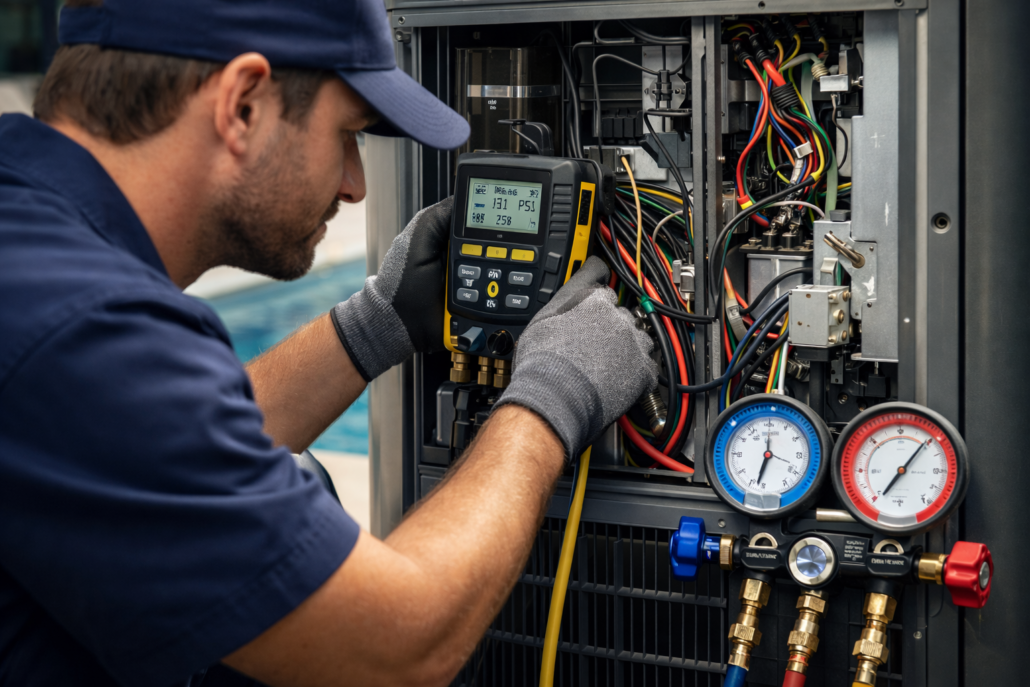
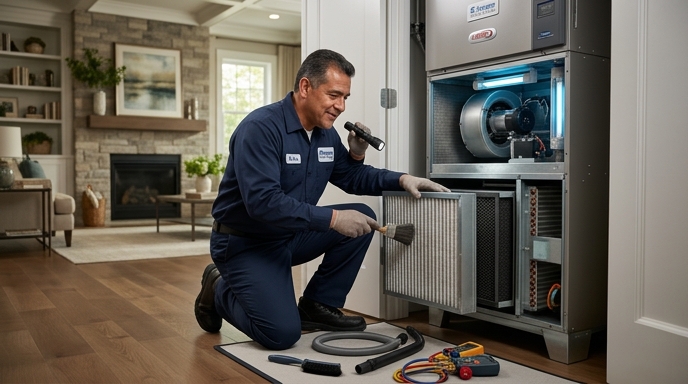
Your HVAC system is the lungs of your home, playing a critical role in circulating and filtering air. Regular maintenance is paramount for maintaining excellent Indoor Air Quality. This includes routine inspections, cleaning, and prompt repairs. A well-maintained system operates more efficiently and effectively removes airborne contaminants. Neglecting your HVAC can lead to dust, allergens, and even mold circulating throughout your home.
Purchase a High-Efficiency Particulate Air (HEPA) Filter for My HVAC System
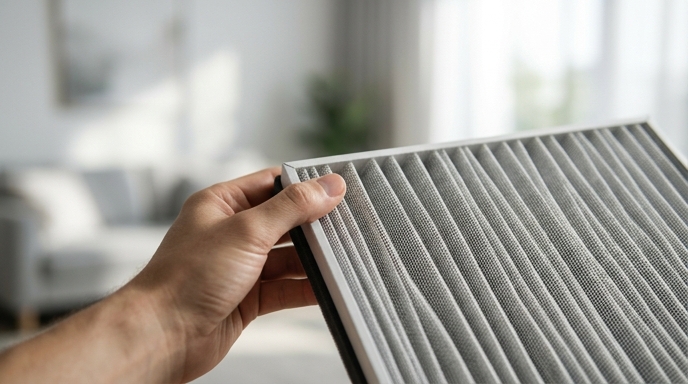
Upgrading your HVAC filter is one of the most impactful steps you can take. While standard filters capture larger particles, a high-efficiency particulate air (HEPA) filter or a MERV 13+ filter can trap much smaller particles. These include pollen, pet dander, mold spores, and even some bacteria and viruses. Regularly changing your filters (every 1-3 months, or more often with pets or allergies) is crucial for sustained improvement in Indoor Air Quality.
How Often Should I Clean My Ventilation System for Optimal Indoor Air Quality?
For optimal Indoor Air Quality, it is recommended to have your air ducts inspected every 3-5 years. Cleaning should occur as needed, especially if you notice excessive dust, mold growth, or unusual odors emanating from your vents. Professional duct cleaning removes accumulated debris, allergens, and contaminants that can recirculate throughout your home. This service significantly enhances the efficiency of your HVAC system and the purity of your indoor air.
2. Implement Effective Ventilation for Indoor Air Quality
Proper ventilation is key to diluting indoor pollutants and bringing in fresh outdoor air. Simply opening windows for a few minutes each day can make a significant difference. Use exhaust fans in bathrooms and kitchens to remove moisture, cooking fumes, and other airborne particles. Cross-ventilation, where air flows from one side of the house to the other, is particularly effective. Mechanical ventilation systems, such as energy recovery ventilators (ERVs) or heat recovery ventilators (HRVs), can provide continuous fresh air without excessive energy loss.
3. Control Humidity to Protect Indoor Air Quality
High humidity levels create an ideal breeding ground for mold, mildew, and dust mites, all of which are common allergens and irritants. Aim to keep indoor humidity levels between 30% and 50%. Use dehumidifiers in damp areas like basements and bathrooms. Ensure proper ventilation in moisture-prone zones. Promptly fix any leaks or water damage to prevent mold growth. Controlling humidity is a simple yet powerful way to safeguard your Indoor Air Quality.
4. Choose Air Purifiers for Enhanced Indoor Air Quality
Air purifiers can be a valuable addition to your strategy, especially for targeting specific pollutants. Look for models with true HEPA filters for particulate matter and activated carbon filters for gases and odors. Place purifiers in rooms where you spend the most time, such as bedrooms and living areas. While purifiers are effective, they are best used in conjunction with other IAQ improvement methods, not as a standalone solution.
Where Can I Buy the Best Air Purifiers for Improving Indoor Air Quality?
High-quality air purifiers are available from major retailers, specialized appliance stores, and online marketplaces. Brands like Coway, Levoit, Blueair, and Molekule are often highly rated. When selecting an air purifier, consider the Clean Air Delivery Rate (CADR) for your room size, filter type (HEPA and activated carbon are crucial), and noise level. Consulting an HVAC professional can also help you choose the most effective unit for your specific needs and ensure it complements your overall Indoor Air Quality strategy.
5. Regular Cleaning and Source Control for Indoor Air Quality
Consistent cleaning habits are fundamental to reducing indoor pollutants. Vacuum regularly with a HEPA-filter vacuum to capture dust, pet dander, and allergens. Dust surfaces with a damp cloth to prevent particles from becoming airborne. Use natural, low-VOC cleaning products to avoid introducing harmful chemicals into your air. Source control involves identifying and eliminating or reducing pollutant sources. This might mean choosing low-VOC paints and furniture or avoiding air fresheners and scented candles.
What Are Natural Ways to Improve Indoor Air Quality Without a Purifier?
Natural methods to improve Indoor Air Quality include increasing ventilation by regularly opening windows and doors. Utilize exhaust fans in kitchens and bathrooms to remove moisture and cooking fumes. Maintain indoor plants, though their direct impact on overall IAQ is limited, they can contribute to a fresher feel. Regular vacuuming with a HEPA filter and dusting with a damp cloth are highly effective. Control humidity to prevent mold, and opt for natural, low-VOC cleaning products. These simple steps can make a significant difference.
6. Monitor Your Home’s Indoor Air Quality
Knowledge is power when it comes to Indoor Air Quality. Consumer-grade air quality monitors can provide real-time data on various parameters. These devices track particulate matter (PM2.5), volatile organic compounds (VOCs), carbon dioxide (CO2), temperature, and humidity. Monitoring helps you identify peak pollution times and sources, allowing you to take immediate action. It provides valuable insights into the effectiveness of your improvement strategies.
How Do I Check or Monitor Indoor Air Quality at Home?
You can check or monitor Indoor Air Quality at home using consumer-grade air quality sensors. These devices, available online and in electronics stores, measure common pollutants like PM2.5, VOCs, CO2, and humidity. They provide real-time data and alerts, helping you understand your home’s air profile. For a comprehensive assessment and to identify specific, hidden pollutants, professional indoor air quality testing by an HVAC specialist is highly recommended.
What Are the Best Indoor Air Quality Sensors or Monitors Available?
Leading Indoor Air Quality sensors often come from brands like Airthings, Awair, uHoo, and IQAir. These devices typically monitor multiple pollutants, including PM2.5, VOCs, CO2, temperature, and humidity. They provide real-time data, often accessible via smartphone apps, allowing you to track trends and receive alerts. Choosing a monitor with a broad range of detectable pollutants and user-friendly interface is crucial for effective home air quality management.
7. Professional Indoor Air Quality Testing and Services
Sometimes, hidden issues require expert intervention. Professional Indoor Air Quality testing can pinpoint specific pollutants, such as radon, asbestos, or lead, that consumer monitors might miss. HVAC specialists can also assess your ventilation system’s efficiency and identify areas for improvement. Investing in professional services ensures a thorough diagnosis and effective, long-term solutions. This is especially important for persistent problems or when health concerns arise.
Who Provides Professional Indoor Air Quality Testing Services Near Me?
Companies specializing in HVAC services, like Stream Cold Air Corp in Deerfield Beach, FL, often provide professional Indoor Air Quality testing. These services are crucial for accurately identifying specific pollutants, assessing ventilation systems, and recommending effective solutions tailored to your home or business. Searching for local HVAC companies with IAQ expertise is the best approach to finding reliable testing services in your area.
How Much Does It Cost to Get Indoor Air Quality Tested Professionally?
The cost of professional Indoor Air Quality testing varies significantly based on the scope of the assessment, the types of pollutants being tested, and your geographic location. Basic testing might start at a few hundred dollars, while comprehensive assessments involving multiple pollutant analyses can be more substantial. It is always best to contact local HVAC service providers, such as Stream Cold Air Corp, for a detailed quote tailored to your specific requirements.
Book an Indoor Air Quality Assessment for My Office
Booking an Indoor Air Quality assessment for your office is a proactive step towards ensuring a healthy and productive work environment. Professional services can identify common office pollutants like VOCs from office equipment, mold from HVAC systems, or inadequate ventilation. An assessment helps pinpoint issues and recommend solutions, leading to improved employee health, reduced absenteeism, and enhanced overall comfort. Contact a local HVAC specialist to schedule a comprehensive office IAQ evaluation.
8. Address Allergens and Asthma Triggers for Better Indoor Air Quality
Beyond general pollutants, specific allergens and asthma triggers significantly impact Indoor Air Quality for sensitive individuals. Regularly washing bedding in hot water, using allergen-proof covers for mattresses and pillows, and keeping pets out of bedrooms can reduce dust mites and pet dander. Controlling humidity prevents mold. By targeting these specific triggers, you can create a much safer and more comfortable environment for those with allergies and asthma.
9. Understand Government Guidelines for Indoor Air Quality
While there are no federal regulatory standards for residential Indoor Air Quality in the U.S., the Environmental Protection Agency (EPA) provides extensive guidelines and recommendations. These guidelines cover various aspects, including radon mitigation, controlling mold, reducing exposure to allergens, and managing other common indoor pollutants. Familiarizing yourself with these recommendations can help you make informed decisions about improving your home’s air quality and understanding potential risks.
Ready to breathe easier? Explore Stream Cold Air Corp’s indoor air quality services and schedule your assessment today!
The Health Benefits of Superior Indoor Air Quality
Investing in superior Indoor Air Quality yields profound benefits that extend beyond mere comfort. A clean indoor environment directly translates to improved health outcomes. Reduced exposure to pollutants means fewer respiratory issues, decreased allergy and asthma symptoms, and a lower risk of long-term health complications. You will likely experience fewer headaches, less fatigue, and an overall boost in energy and cognitive function. The peace of mind that comes from knowing you are breathing clean air is invaluable. For more detailed information on the health impacts of various pollutants, the World Health Organization (WHO) offers extensive resources. This commitment to better air is a commitment to a better quality of life for everyone in your home.
Transform Your Home’s Breath with Expert Indoor Air Quality Solutions
Transforming your home’s breath by enhancing your Indoor Air Quality is one of the most impactful investments you can make in your family’s health and comfort. From simple daily habits like opening windows to strategic upgrades like high-efficiency HVAC filters and professional testing, each step contributes to a cleaner, healthier living environment. Do not underestimate the power of clean air to improve your well-being, productivity, and overall quality of life. Making informed choices and taking proactive measures will ensure your home remains a sanctuary of fresh, pure air. If you are ready to take the next step, consider professional guidance to tailor solutions specifically for your home.
Frequently Asked Questions About Indoor Air Quality
What is indoor air quality and why is it important?
Indoor air quality (IAQ) refers to the air within and around buildings, especially as it relates to the health and comfort of building occupants. It is critical because poor IAQ can lead to numerous health issues, from minor irritations like headaches and fatigue to severe respiratory diseases and long-term health complications. Maintaining good IAQ ensures a healthier, more comfortable living or working environment for everyone.
How can I effectively improve the indoor air quality in my home?
Improving indoor air quality involves several key strategies: regular cleaning, proper ventilation, source control (reducing pollutants), using high-efficiency air filters (like MERV 13+ or HEPA), and employing air purifiers. Professional services like duct cleaning and HVAC maintenance also play a vital role in ensuring your home’s air is clean and healthy.
What are common sources of indoor air pollution?
Common sources include combustion byproducts from stoves and fireplaces, building materials (like formaldehyde), cleaning products, pesticides, tobacco smoke, pet dander, mold, pollen, dust mites, and outdoor pollutants entering the home. Even common activities like cooking or using scented candles can release pollutants.
What are the health effects of poor indoor air quality?
Poor indoor air quality can cause a range of health issues, including eye, nose, and throat irritation, headaches, dizziness, fatigue, and respiratory problems. Prolonged exposure can exacerbate asthma and allergies, or even lead to serious conditions like heart disease, cancer, and other long-term respiratory illnesses.
How do I check or monitor indoor air quality at home?
You can monitor indoor air quality using consumer-grade air quality sensors that track parameters like particulate matter (PM2.5), volatile organic compounds (VOCs), carbon dioxide, and humidity. For a comprehensive assessment, professional indoor air quality testing by an HVAC specialist is recommended to identify specific pollutants and their sources.
Who provides professional indoor air quality testing services near me?
Companies specializing in HVAC services, like Stream Cold Air Corp in Deerfield Beach, FL, often provide professional indoor air quality testing. These services can accurately identify pollutants, assess ventilation systems, and recommend effective solutions tailored to your home or business.
Where can I buy the best air purifiers for improving indoor air quality?
High-quality air purifiers are available from major retailers, specialized appliance stores, and online marketplaces. Look for models with HEPA filters and activated carbon filters, suitable for your room size. Consulting an HVAC professional can also help you choose the most effective unit for your specific needs.
How much does it cost to get indoor air quality tested professionally?
The cost of professional indoor air quality testing varies depending on the scope of the assessment, the types of pollutants being tested, and your geographic location. It’s best to contact local HVAC service providers, such as Stream Cold Air Corp, for a detailed quote tailored to your specific requirements.
What are the best indoor air quality sensors or monitors available?
Leading indoor air quality sensors often come from brands like Airthings, Awair, uHoo, and IQAir. These devices typically monitor multiple pollutants like PM2.5, VOCs, CO2, temperature, and humidity, providing real-time data to help you understand and manage your home’s air.
What are natural ways to improve indoor air quality without a purifier?
Natural methods include increasing ventilation by opening windows, using exhaust fans during cooking or showering, maintaining indoor plants (though their direct impact on IAQ is limited), regular vacuuming with a HEPA filter, controlling humidity to prevent mold, and choosing natural, low-VOC cleaning products.
How often should I clean my ventilation system for optimal indoor air quality?
For optimal indoor air quality, it’s recommended to have your air ducts inspected every 3-5 years and cleaned as needed, especially if you notice excessive dust, mold, or odors. Regular filter changes (every 1-3 months) are also crucial for maintaining system efficiency and air purity.
What are the government standards or guidelines for residential indoor air quality?
While there are no federal regulatory standards for residential indoor air quality in the U.S., the Environmental Protection Agency (EPA) provides extensive guidelines and recommendations. These include advice on radon mitigation, controlling mold, reducing exposure to allergens, and managing other common indoor pollutants.
Can poor indoor air quality cause allergies or asthma symptoms?
Yes, poor indoor air quality is a significant trigger and exacerbator of allergy and asthma symptoms. Pollutants like dust mites, pet dander, pollen, mold spores, and volatile organic compounds (VOCs) can irritate respiratory pathways, leading to sneezing, coughing, wheezing, and other allergic or asthmatic reactions.