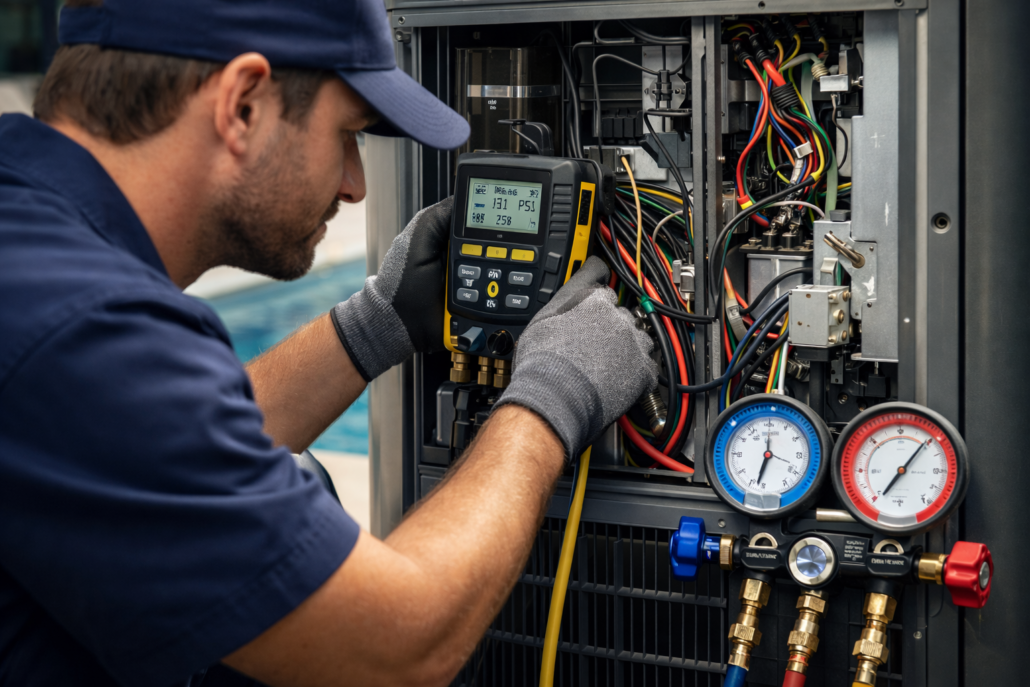
Your HVAC system is more than just a convenience; it’s the heart of your home’s comfort and air quality. Yet, like any complex machinery, it requires diligent care to perform at its best. Ignoring its needs can lead to unexpected breakdowns, soaring energy bills, and a significantly shortened lifespan. For homeowners seeking to safeguard their investment and ensure year-round comfort, HVAC Preventative Maintenance offers the ultimate solution. This proactive approach ensures your heating and cooling systems operate efficiently, reliably, and cost-effectively. In this comprehensive guide, we will explore the critical checks that form the backbone of effective maintenance. We’ll demystify why regular care is non-negotiable, detail what a professional service entails, and provide actionable insights to keep your system running smoothly. Consider this your essential blueprint to a healthier, more efficient home environment, built on the foundation of consistent HVAC care.
Key Takeaways
- Understand how consistent HVAC Preventative Maintenance extends your system’s lifespan and significantly reduces energy costs.
- Learn the 6 essential checks that form a robust maintenance plan, from air filter replacement to refrigerant level verification.
- Discover the crucial differences between DIY tasks and professional services, ensuring your system receives the right care.
- Evaluate how often maintenance should be performed and what to look for in a reputable service provider to maximize your investment.
What Exactly is HVAC Preventative Maintenance?
HVAC Preventative Maintenance refers to a scheduled and systematic approach to caring for your heating, ventilation, and air conditioning system. It’s not about fixing problems after they occur, but rather about preventing them from happening in the first place. This proactive strategy involves regular inspections, cleaning, adjustments, and minor repairs designed to keep your system operating at peak efficiency and reliability. Think of it as a regular check-up for your home’s most vital climate control system.
This comprehensive care ensures that all components, from the smallest sensor to the largest compressor, are working in harmony. By identifying and addressing potential issues early, preventative maintenance helps you avoid unexpected breakdowns, extend the life of your equipment, and maintain consistent indoor comfort. It’s an investment that pays dividends in both performance and peace of mind, especially in climates where HVAC systems work tirelessly year-round.
Why is Regular HVAC Preventative Maintenance Important?
Regular HVAC preventative maintenance is crucial for several compelling reasons. Firstly, it significantly boosts your system’s energy efficiency. A well-maintained unit doesn’t have to work as hard to heat or cool your home, directly translating into lower monthly energy bills. Dirty coils, clogged filters, and unlubricated parts all force your system to consume more power, costing you money.
Secondly, it prevents unexpected and costly repairs. Minor issues, if left unaddressed, can quickly escalate into major system failures. A routine check can catch a loose wire or a low refrigerant level before it causes extensive damage to expensive components. This proactive approach saves you from the inconvenience and expense of emergency service calls during peak seasons.
Finally, consistent maintenance extends the lifespan of your HVAC system. Just like a car, regular servicing ensures longevity. Systems that receive proper care can last many years beyond those that are neglected, maximizing your initial investment. It also ensures better indoor air quality by keeping components clean and functioning correctly, reducing allergens and pollutants in your home.
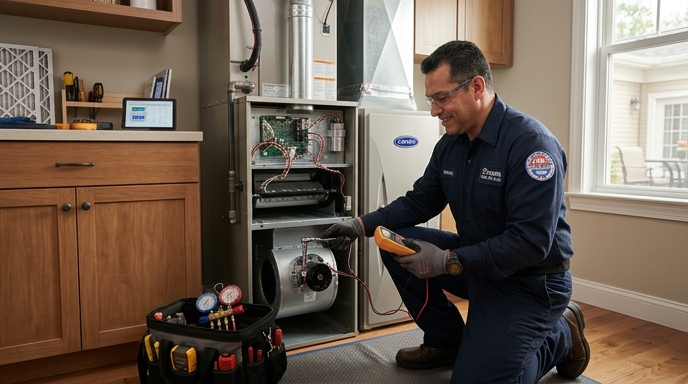
6 Essential Checks for Effective HVAC Preventative Maintenance
A standard HVAC preventative maintenance service includes a thorough examination of your system’s critical components. These checks are designed to optimize performance, enhance efficiency, and identify any potential issues before they become major problems. Understanding these common HVAC preventative maintenance checklist items can help you appreciate the value of professional service.
Check 1: Air Filter Inspection and Replacement for Optimal HVAC Preventative Maintenance
One of the simplest yet most impactful aspects of HVAC preventative maintenance is the regular inspection and replacement of air filters. A clean air filter is vital for both system efficiency and indoor air quality. Clogged filters restrict airflow, forcing your system to work harder, which increases energy consumption and can lead to premature wear and tear on the blower motor.
Dirty filters also fail to adequately capture dust, allergens, and pollutants, allowing them to circulate throughout your home. Depending on your system, household pets, and local air quality, filters should typically be checked monthly and replaced every 1-3 months. This small task makes a huge difference in your system’s health and your family’s comfort.
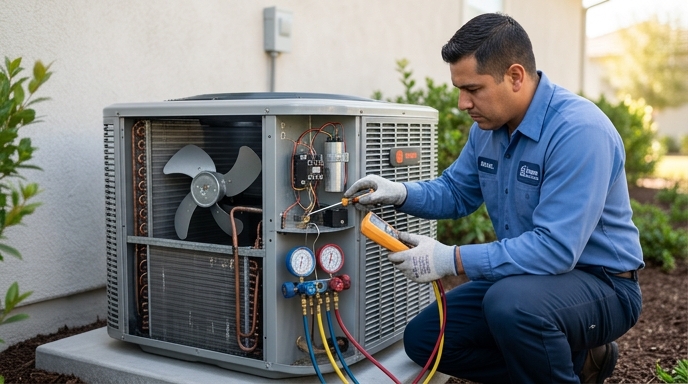
Check 2: Coil Cleaning and Inspection for Enhanced HVAC Preventative Maintenance
Both the evaporator coil (indoor unit) and condenser coil (outdoor unit) play crucial roles in heat exchange. Over time, these coils can accumulate dirt, dust, and debris, especially the outdoor condenser coil which is exposed to the elements. This buildup acts as an insulator, hindering the coil’s ability to absorb or release heat effectively.
Professional coil cleaning is a critical part of HVAC preventative maintenance. Clean coils ensure efficient heat transfer, which is essential for your system to cool or heat your home properly without excessive energy use. Technicians use specialized cleaners and brushes to remove stubborn grime, restoring the coils to optimal condition and preventing efficiency losses.
Check 3: Refrigerant Level Verification in HVAC Preventative Maintenance
Refrigerant is the lifeblood of your air conditioning system, responsible for absorbing heat from your home and releasing it outside. Incorrect refrigerant levels, whether too high or too low, can severely impact your system’s performance and efficiency. Low refrigerant often indicates a leak, which not only reduces cooling capacity but can also damage the compressor.
During HVAC preventative maintenance, technicians will check refrigerant levels and inspect for any signs of leaks. If a leak is detected, it must be repaired before adding more refrigerant. This ensures your system can effectively cool your home and prevents further damage, which can be very costly to fix if ignored. Maintaining proper refrigerant levels is key to efficient operation.
Check 4: Electrical Connections and Component Inspection
Loose or corroded electrical connections can pose significant safety hazards and lead to system malfunctions. During a preventative maintenance check, technicians meticulously inspect all electrical connections, tightening any that are loose and cleaning any corrosion. They also check the condition of capacitors, contactors, and wiring.
Faulty electrical components can cause your system to short cycle, operate erratically, or even fail completely. Ensuring these components are in good working order is vital for the safe and reliable operation of your HVAC system. This step helps prevent electrical fires and extends the life of electrical parts.
Check 5: Condensate Drain Line Cleaning and Inspection
The condensate drain line removes moisture (condensate) that is extracted from the air by your AC system. Over time, algae, mold, and sludge can build up in this line, leading to clogs. A clogged condensate drain can cause water to back up, potentially leading to water damage in your home, high humidity, and even system shutdown if a float switch is triggered.
Cleaning the condensate drain line is a routine part of HVAC preventative maintenance. Technicians flush the line to clear any blockages and may add algaecide tablets to prevent future growth. This simple step can save you from significant water damage and ensure your system continues to manage humidity effectively.
Check 6: Thermostat Calibration and System Performance Test
Your thermostat is the command center of your HVAC system. If it’s not accurately calibrated, your system might run more often than necessary, or fail to maintain your desired temperature, leading to discomfort and wasted energy. During a maintenance visit, technicians will check your thermostat’s accuracy and ensure it’s communicating correctly with your HVAC unit.
Finally, a comprehensive system performance test is conducted. This involves checking airflow, temperature differentials, and overall operational parameters. This test confirms that your system is delivering conditioned air efficiently and effectively, providing you with optimal comfort and peace of mind. It’s the final verification that your HVAC preventative maintenance has been successful.
__CTA_BLOCK__
How Often Should HVAC Preventative Maintenance Be Performed?
Generally, HVAC preventative maintenance should be performed at least twice a year: once in the spring for your cooling system and once in the fall for your heating system. This bi-annual schedule ensures your unit is prepared for the demands of peak seasons. For systems under heavy use, in harsher climates, or older units, more frequent checks might be beneficial. This schedule helps catch issues before they become critical, maintaining efficiency and comfort year-round.
What happens if I skip my HVAC preventative maintenance? Skipping maintenance can lead to several negative outcomes. Your system’s efficiency will likely decrease, resulting in higher energy bills. It increases the risk of unexpected breakdowns, premature system failure, and expensive repairs. Neglecting maintenance also often voids manufacturer warranties and compromises indoor air quality, making it a costly oversight in the long run.
The Long-Term Benefits of Consistent HVAC Preventative Maintenance
Investing in consistent HVAC preventative maintenance yields numerous long-term benefits that extend far beyond immediate comfort. These advantages translate into significant savings, enhanced system performance, and a healthier living environment. Understanding these benefits underscores why regular care is not an expense, but a wise investment in your home and well-being.
Extended System Lifespan and Reliability
One of the most significant long-term benefits is a significantly extended system lifespan. With regular care, your HVAC unit can last several years longer than a neglected one. Instead of lasting 10-15 years, a well-maintained unit can easily last 15-20 years or more. This means delaying the costly expense of a full system replacement, providing substantial financial relief over time. The average lifespan increase with regular HVAC preventative maintenance can be as much as 30-50%.
Consistent maintenance also dramatically improves system reliability. You’ll experience fewer unexpected breakdowns, especially during extreme weather when you need your system most. This reliability provides invaluable peace of mind, knowing your home will remain comfortable regardless of the outside conditions. For more insights into maintaining your system, consider resources like the U.S. Department of Energy’s guide on HVAC maintenance.
Lower Energy Bills and Improved Efficiency
A well-maintained HVAC system operates at peak efficiency, consuming less energy to achieve the same level of comfort. This directly translates into lower monthly energy bills. Over the years, these savings can add up to a substantial amount, often offsetting the cost of the maintenance itself. Improved efficiency also means a reduced carbon footprint, contributing to environmental sustainability.
Furthermore, consistent maintenance ensures optimal performance. Your system will heat and cool your home more effectively and evenly, eliminating hot and cold spots. This enhanced performance means greater comfort for everyone in your household, without the need to constantly adjust the thermostat or worry about uneven temperatures.
Enhanced Indoor Air Quality and Comfort
Regular cleaning of coils, filters, and drain lines during HVAC preventative maintenance directly contributes to better indoor air quality. It reduces the circulation of dust, allergens, mold spores, and other airborne pollutants, which is particularly beneficial for individuals with allergies or respiratory sensitivities. Cleaner air means a healthier home environment for everyone.
Beyond air quality, consistent maintenance ensures consistent indoor comfort. Your system will maintain desired temperatures more accurately and efficiently, providing a stable and pleasant environment. This steady performance, coupled with cleaner air, creates a truly comfortable and healthy living space, enhancing your overall quality of life.
DIY vs. Professional HVAC Preventative Maintenance Tasks
Many homeowners wonder about the cost of HVAC preventative maintenance. While the exact cost varies based on location, system type, and the extent of service, a basic tune-up typically ranges from $75 to $200 per visit. Comprehensive plans or emergency services can be higher. However, this investment is often recouped through energy savings and avoided repair costs.
Can I perform any basic HVAC preventative maintenance tasks myself? Yes, you can perform some basic tasks to help maintain your system between professional visits. These include regularly changing or cleaning your air filters, keeping the outdoor unit clear of debris, and ensuring vents are unobstructed. These simple steps can significantly contribute to your system’s efficiency and longevity.
However, comprehensive inspections and complex adjustments should always be handled by certified professionals. They have the specialized tools, training, and expertise to safely and effectively perform tasks like checking refrigerant levels, cleaning coils, inspecting electrical components, and diagnosing potential issues. Attempting these tasks without proper knowledge can lead to injury or further damage to your system.
Choosing Your HVAC Preventative Maintenance Provider
When it comes to protecting your HVAC investment, selecting the right service provider is paramount. Who provides HVAC preventative maintenance services near me? Many local HVAC companies offer maintenance plans, but not all are created equal. You need a company that combines expertise, reliability, and excellent customer service to ensure your system receives the best possible care.
Where can I find reputable companies offering HVAC maintenance plans? Start by asking for recommendations from friends, family, or neighbors. Online reviews and industry certifications (like NATE certification for technicians) are also excellent indicators of quality. Look for companies with a strong track record and transparent pricing. A reputable provider will offer clear explanations of their services and answer all your questions thoroughly.
What to Look for in an HVAC Preventative Maintenance Contract
When evaluating HVAC maintenance plans, consider what should I look for in an HVAC preventative maintenance contract? A good contract should clearly outline the frequency of visits (typically bi-annual), the specific services included in each visit (referencing the 6 checks discussed earlier), and any additional benefits such as priority service, discounts on repairs, or waived diagnostic fees. Ensure the contract specifies whether parts and labor are covered for certain repairs.
Transparency in pricing and terms is crucial. Avoid contracts with hidden fees or vague language. A reliable company will provide a written agreement that details everything, giving you peace of mind. Remember, the goal is to partner with a provider who will proactively care for your system, helping you avoid costly surprises and ensuring consistent comfort. To schedule an HVAC preventative maintenance appointment, simply contact a trusted local provider like Stream Cold Air Corp. They can guide you through their service options and help you find the perfect plan for your home.
Conclusion: Embrace the Power of HVAC Preventative Maintenance
Embracing comprehensive HVAC preventative maintenance is one of the smartest decisions you can make for your home and your wallet. As we’ve explored, regular care is not merely about fixing problems; it’s about proactively ensuring efficiency, extending lifespan, and guaranteeing consistent comfort. From routine filter changes to intricate coil cleaning and electrical inspections, each step plays a vital role in keeping your system running flawlessly.
By understanding the critical checks and choosing a reputable service provider, you can significantly reduce energy costs, prevent unexpected breakdowns, and enjoy superior indoor air quality for years to come. Don’t wait for a system failure to realize the importance of maintenance. Take control of your home’s comfort and efficiency today by prioritizing consistent HVAC care. For expert service and reliable solutions, visit Stream Cold Air Corp to learn more about their preventative maintenance plans and schedule your next service.
Your Questions About HVAC Preventative Maintenance, Answered
What exactly is HVAC preventative maintenance?
HVAC preventative maintenance is a scheduled series of tasks designed to keep your heating, ventilation, and air conditioning system running efficiently and reliably. It involves regular inspections, cleaning, adjustments, and minor repairs to identify and fix potential issues before they escalate into major breakdowns. This proactive approach helps preserve your system’s performance and extend its lifespan.
Why is regular HVAC preventative maintenance important for my system?
Regular HVAC preventative maintenance is crucial because it significantly boosts efficiency, reduces energy consumption, and prevents unexpected and costly repairs. It ensures all components are working optimally, which enhances indoor air quality and maintains comfortable temperatures. This proactive care safeguards your investment and provides peace of mind.
How often should HVAC preventative maintenance be performed?
Generally, HVAC preventative maintenance should be performed at least twice a year: once in the spring for your cooling system and once in the fall for your heating system. For systems under heavy use or in harsher climates, more frequent checks might be beneficial. This bi-annual schedule helps prepare your unit for peak performance during extreme weather seasons.
What does a standard HVAC preventative maintenance service include?
A standard HVAC preventative maintenance service typically includes cleaning coils, checking refrigerant levels, lubricating moving parts, inspecting electrical connections, examining the condensate drain, and replacing or cleaning air filters. Technicians also test thermostat accuracy and ensure proper airflow. This comprehensive check-up addresses all critical system components.
What are the long-term benefits of consistent HVAC maintenance?
Consistent HVAC preventative maintenance leads to numerous long-term benefits, including a significantly extended system lifespan, lower monthly energy bills due to improved efficiency, and reduced likelihood of costly emergency repairs. It also ensures consistent indoor comfort and better air quality. Your system performs optimally for years to come.
Can I perform any basic HVAC preventative maintenance tasks myself?
Yes, you can perform some basic HVAC preventative maintenance tasks. These include regularly changing or cleaning your air filters, keeping the outdoor unit clear of debris, and ensuring vents are unobstructed. However, comprehensive inspections and complex adjustments should always be handled by certified professionals like those at Stream Cold Air Corp.
What happens if I skip my HVAC preventative maintenance?
Skipping HVAC preventative maintenance can lead to several negative outcomes. Your system’s efficiency will likely decrease, resulting in higher energy bills. It increases the risk of unexpected breakdowns, premature system failure, and expensive repairs. Neglecting maintenance also often voids manufacturer warranties and compromises indoor air quality.
What is the average lifespan increase with regular HVAC preventative maintenance?
With regular HVAC preventative maintenance, the average lifespan of your system can increase by several years, often extending its operational life by 30-50% compared to neglected systems. Instead of lasting 10-15 years, a well-maintained unit can easily last 15-20 years or more, providing long-term value and reliability.