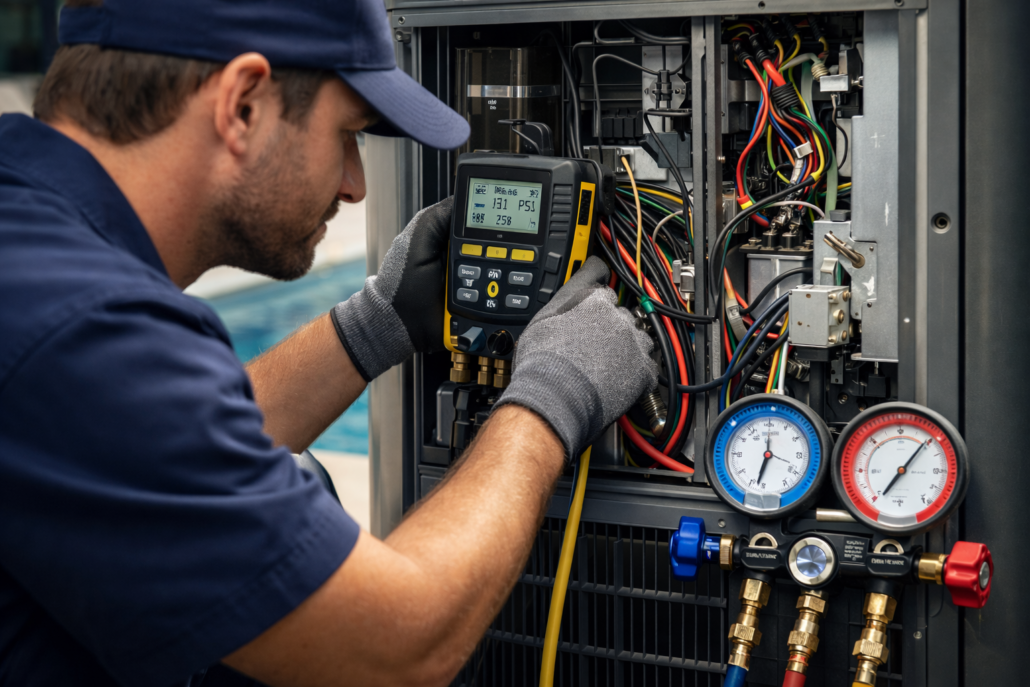

Deciding between a new heating system can be a complex choice, especially when weighing the long-term benefits and costs. The debate of Heat Pump vs Furnace is central to this decision, impacting your home’s comfort, energy bills, and environmental footprint. Understanding the distinct operational mechanisms and performance characteristics of each system is crucial for making an informed investment. This comprehensive guide will delve into the essential pros and cons of both heat pumps and furnaces. We will explore their energy efficiency, installation and operating costs, suitability for various climates, and maintenance requirements. Our goal is to provide you with the authoritative insights needed to select the optimal heating and cooling solution for your residence, ensuring year-round comfort and efficiency.
Key Takeaways: Heat Pump vs Furnace
- Understand the fundamental operational differences between a heat pump, which transfers heat, and a furnace, which generates it.
- Discover which system offers superior energy efficiency for residential use and how this impacts your utility bills.
- Learn about the average installation and long-term operating costs associated with both a Heat Pump vs Furnace.
- Evaluate the performance of each system in various climates, from mild to extremely cold conditions.
- Explore the benefits of government incentives and professional consultation when making your heating and cooling decision.
What is a Heat Pump vs Furnace? Understanding the Core Differences
When considering home heating and cooling, the fundamental distinction between a heat pump and a furnace is crucial. A furnace is a heating-only appliance that generates heat by burning fuel, typically natural gas, propane, or oil. It then distributes this heated air throughout your home via a ductwork system. Furnaces are renowned for their powerful, consistent heat output, especially in very cold temperatures.
The Fundamental Distinction: Heat Pump vs Furnace
A heat pump, conversely, is a two-way heating and cooling system. Instead of generating heat, it transfers existing thermal energy. In winter, it extracts heat from the outside air (even cold air contains heat) and moves it indoors. In summer, it reverses this process, pulling heat from inside your home and expelling it outdoors, effectively cooling your living space. This dual functionality makes a heat pump a versatile choice for year-round climate control.
How a Heat Pump Works for Heating and Cooling
A heat pump operates on the principle of heat transfer. It uses a refrigerant to absorb heat from one area and release it in another. During the heating cycle, the outdoor unit extracts heat from the ambient air, even when temperatures are low. This heat is then compressed, raising its temperature, and transferred to the indoor unit, which circulates warm air throughout your home. For cooling, the cycle reverses, moving indoor heat outside.
How a Traditional Furnace Provides Heat
A traditional furnace relies on combustion to produce heat. Fuel is ignited in a burner, and the resulting hot gases pass through a heat exchanger. Air from your home’s return ducts flows over this heated exchanger, warming up before being pushed through the supply ducts by a blower. The byproducts of combustion are safely vented outside. Furnaces are highly effective at delivering intense, immediate warmth, making them a popular choice in regions with harsh winters.
Energy Efficiency: Heat Pump vs Furnace for Residential Use
Energy efficiency is a primary concern for many homeowners, directly impacting monthly utility bills and environmental footprint. When comparing a Heat Pump vs Furnace, heat pumps generally hold an advantage in efficiency, particularly in moderate climates. This is because they move heat rather than creating it, which requires less energy.
Heat Pump Efficiency: A Closer Look
Heat pumps are incredibly efficient because they don’t burn fuel. Instead, they use electricity to move heat. For every unit of electricity consumed, a heat pump can deliver two to three units of heat energy, making them up to 300% more efficient than conventional electric resistance heaters. This efficiency translates to significant energy savings, especially in areas where heating demands are not extreme. Modern cold-climate heat pumps are further improving this performance.
Furnace Efficiency: Fuel Combustion
Furnace efficiency is measured by its Annual Fuel Utilization Efficiency (AFUE) rating. A higher AFUE percentage indicates greater efficiency, meaning more of the fuel’s energy is converted into heat for your home. Older furnaces might have AFUE ratings as low as 60-70%, while modern high-efficiency models can reach 90-98%. While efficient, even the best furnaces still lose some heat during the combustion process, making them inherently less efficient than heat pumps in terms of energy conversion. 
Costs and Investment: Heat Pump vs Furnace
The financial aspect is a significant factor in the decision-making process. Understanding both the upfront installation costs and the long-term operating expenses is crucial when evaluating a Heat Pump vs Furnace system.
Average Installation Costs for Heat Pump vs Furnace
Heat pump installation costs can often be higher upfront compared to a new furnace. This is primarily because a heat pump serves as both a heating and cooling system, replacing two separate units. Installation can range from $4,000 to $8,000 for a furnace and $4,500 to $12,000 for a heat pump, depending on factors like system size, brand, ductwork modifications, and local labor rates. A professional assessment is essential for an accurate quote.
Long-Term Operating Costs: Heat Pump vs Furnace
In terms of long-term operating costs, heat pumps generally offer lower monthly utility bills. Their high energy efficiency means less electricity is consumed to achieve the desired temperature. Natural gas furnaces can be cost-effective where gas prices are low, but these prices can fluctuate. Over the lifespan of the system, the energy savings from a heat pump can often offset its higher initial installation cost. For more details on energy consumption, you can refer to resources like the U.S. Department of Energy on Heat Pumps.
Comparing Lifespans of Heat Pump vs Furnace
The lifespan of both systems is an important consideration for long-term investment. Furnaces typically last 15-20 years, while heat pumps generally have a lifespan of 10-15 years. This difference is often attributed to heat pumps working year-round for both heating and cooling, which can lead to more wear and tear. Regular maintenance is key to maximizing the longevity of either system.
Performance in Different Climates: Heat Pump vs Furnace
The climate you live in plays a significant role in determining the ideal heating system for your home. The effectiveness of a Heat Pump vs Furnace can vary considerably based on ambient temperatures.
Heat Pumps in Cold Climates
Historically, heat pumps were less effective in very cold climates because there was less heat to extract from the outside air. However, modern cold-climate heat pumps are engineered to operate efficiently even when temperatures drop well below freezing. For extremely harsh winters, many homeowners opt for a ‘dual-fuel’ or ‘hybrid’ system, combining a heat pump with a traditional furnace. The heat pump handles most of the heating, and the furnace kicks in as a reliable backup when temperatures become critically low.
Furnaces for Consistent Warmth
Furnaces excel in cold climates, providing consistent and powerful heat regardless of how low the outdoor temperature drops. Because they generate heat through combustion, their performance is not dependent on extracting heat from the surrounding air. This makes them a highly dependable choice for regions experiencing prolonged periods of sub-zero temperatures, ensuring your home remains warm and comfortable even in the most severe winter conditions.
Replacing Your System: Heat Pump vs Furnace Considerations
Whether you’re upgrading an old system or building a new home, the decision between a Heat Pump vs Furnace involves several important considerations. Each scenario presents unique challenges and opportunities.
Can I Replace My Furnace with a Heat Pump?
Yes, replacing an existing furnace with a heat pump system is a common and increasingly popular upgrade. This conversion might involve modifications to your home’s existing ductwork, electrical panel, or refrigerant lines to ensure compatibility and optimal performance. A professional HVAC contractor can assess your current setup and recommend the best approach for a seamless transition to a heat pump system.
Heat Pump vs Furnace for New Home Construction
For new home construction, you have the advantage of designing your HVAC system from the ground up. This allows for optimal placement and sizing of either a heat pump or a furnace, along with efficient ductwork. Many new builds lean towards heat pumps due to their energy efficiency and dual heating/cooling capabilities, aligning with modern energy codes and homeowner preferences for year-round comfort from a single system. Consulting with an HVAC expert early in the design phase is highly recommended.
Considering Heat Pump vs Furnace? Get Expert Advice from Stream Cold Air Corp
Ensure your home has the perfect heating and cooling solution. Our authoritative team provides free quotes and flexible financing for all new system installations.
Why Choose a Heat Pump vs Furnace? Benefits and Drawbacks
The choice between a Heat Pump vs Furnace often comes down to a balance of benefits and drawbacks tailored to individual needs and priorities. Each system offers distinct advantages and potential limitations.
Advantages of Heat Pumps
Heat pumps offer significant energy efficiency, leading to lower utility bills, especially in moderate climates. Their dual functionality provides both heating and cooling from a single unit, simplifying home climate control. They also have a reduced carbon footprint compared to fossil fuel-burning furnaces, appealing to environmentally conscious homeowners.
Advantages of Furnaces
Furnaces provide powerful and consistent heating, making them ideal for very cold climates where reliable warmth is paramount. They typically have a lower upfront installation cost than heat pumps and a longer lifespan. Natural gas furnaces can also be very cost-effective in areas with low gas prices, offering a strong heating solution.
Drawbacks of Heat Pumps
One drawback of heat pumps is their reduced efficiency in extremely cold temperatures, potentially requiring a supplemental heat source. Their upfront installation cost can be higher, and their lifespan is generally shorter than that of a furnace due to year-round operation. They also rely on electricity, which can be more expensive than natural gas in some regions.
Drawbacks of Furnaces
Furnaces are heating-only systems, meaning you’ll need a separate air conditioning unit for cooling. They burn fossil fuels, contributing to greenhouse gas emissions, and their operating costs are subject to fluctuating fuel prices. While efficient, they are not as energy-efficient as heat pumps in terms of heat transfer, as they generate heat rather than moving it.
Maintenance and Lifespan: Heat Pump vs Furnace Systems
Proper maintenance is essential for extending the lifespan and ensuring the efficient operation of any HVAC system. Both a Heat Pump vs Furnace require regular care, though the specifics differ.
Annual Maintenance Requirements
Both heat pumps and furnaces benefit significantly from annual professional maintenance. For heat pumps, this typically involves inspecting and cleaning coils, checking refrigerant levels, and ensuring all components are functioning correctly for both heating and cooling cycles. For furnaces, maintenance focuses on verifying ignition, combustion, and venting systems, as well as cleaning burners and heat exchangers. For both systems, regular air filter replacement is crucial for efficiency and air quality.
Comparing Lifespans
As mentioned, furnaces generally have a longer lifespan, often lasting 15-20 years, while heat pumps typically last 10-15 years. This difference is largely due to heat pumps operating year-round for both heating and cooling, leading to more operational hours and potential wear. However, consistent professional maintenance can help maximize the longevity of either system, ensuring you get the most out out of your investment. 
Making the Right Choice: Heat Pump vs Furnace for Your Home
The decision between a Heat Pump vs Furnace is a significant one that impacts your home’s comfort and budget for years to come. It requires careful consideration of your climate, budget, and energy priorities.
Finding Reliable Installers and Expert Consultation
To determine the best system for your home, it’s vital to consult with a qualified HVAC professional. An expert can assess your home’s specific needs, including insulation, ductwork, and local climate conditions. They can provide tailored recommendations, detailed quotes, and ensure proper installation, which is critical for system performance and efficiency. For reliable installers and expert advice, consider reaching out to local HVAC companies like Stream Cold Air Corp.
Government Incentives and Rebates
Many government agencies, local municipalities, and utility companies offer incentives, tax credits, or rebates for installing energy-efficient heat pumps. These programs aim to promote energy conservation and reduce emissions, providing financial benefits that can significantly offset the initial investment costs. Researching available incentives in your area can make a heat pump an even more attractive option.
Should I get a Heat Pump or a Furnace for a New Home Construction?
For new home construction, the choice between a heat pump or a furnace offers a unique opportunity to integrate the most efficient system from the start. Heat pumps are often favored for their dual heating and cooling capabilities and energy efficiency, aligning with modern building standards. However, in very cold climates, a furnace or a hybrid system might be more suitable for consistent warmth. A thorough consultation with an HVAC specialist during the planning phase is highly recommended to ensure the system is perfectly matched to your new home’s design and your comfort needs.The choice between a Heat Pump vs Furnace ultimately depends on a variety of factors unique to your home and lifestyle. Heat pumps offer impressive energy efficiency and dual functionality, making them a strong contender for year-round comfort, especially in moderate climates. Furnaces, on the other hand, provide robust and consistent heating, excelling in colder regions. By carefully weighing the pros and cons, considering installation and operating costs, and consulting with HVAC professionals, you can make an informed decision that ensures optimal home comfort and energy savings for years to come.
What is the primary difference between a heat pump and a furnace?
A furnace generates heat by burning fuel like natural gas or oil, distributing hot air. A heat pump, conversely, transfers existing heat from one location to another, functioning for both heating and cooling. Furnaces are solely heating devices, while heat pumps offer year-round climate control.
How does a heat pump work compared to a traditional furnace for home heating and cooling?
A traditional furnace combusts fuel to create heat, then uses a blower to circulate that hot air through ductwork. A heat pump operates by moving refrigerant to absorb heat from the outside air, even in colder temperatures, and transfers it indoors. In summer, it reverses this process to cool your home by expelling indoor heat outside.
Which is more energy-efficient for residential use: a heat pump or a furnace?
Generally, heat pumps are more energy-efficient for residential use, particularly in moderate climates, because they transfer heat rather than generating it. While furnaces are effective, they directly consume fuel. However, in extremely cold climates, a furnace might offer more consistent heating or serve as a vital supplemental heat source.
What are the average installation costs for a heat pump versus a new furnace?
Heat pump installation costs can sometimes be higher upfront compared to a traditional furnace because they provide both heating and cooling functionalities. However, these costs fluctuate significantly based on factors like system size, brand, required ductwork modifications, and local labor rates. A new furnace alone might have a lower initial investment.
Is a heat pump a viable alternative to a furnace in very cold climates?
Modern heat pumps, especially those designed for cold climates, are increasingly viable in very low temperatures. For extreme cold, many homeowners opt for a ‘hybrid’ or ‘dual-fuel’ system where the heat pump handles most heating, and a furnace acts as a reliable backup when temperatures drop to critical levels, ensuring consistent warmth.
What are the long-term operating costs of a heat pump versus a natural gas furnace?
Heat pumps often boast lower long-term operating costs compared to natural gas furnaces. This is primarily due to their superior energy efficiency, as they move heat rather than creating it, and the typically more stable cost of electricity versus fluctuating natural gas prices. Over years, these savings can be substantial.
Can I replace my existing furnace with a heat pump system?
Yes, replacing an existing furnace with a heat pump system is a common upgrade. This conversion might necessitate updates to your home’s ductwork, electrical panel, or refrigerant lines. A professional HVAC contractor should conduct a thorough assessment to determine the best approach and ensure compatibility with your home’s infrastructure.
Why would someone choose a heat pump over a traditional furnace for a home?
Homeowners often choose a heat pump for its excellent energy efficiency, resulting in lower utility bills, and its reduced carbon footprint compared to fossil fuel-burning furnaces. The convenience of having both heating and cooling capabilities in a single, integrated system also makes heat pumps a very attractive and comfortable option.
What kind of maintenance do heat pumps and furnaces require annually?
Both heat pumps and furnaces benefit significantly from annual professional maintenance to ensure optimal performance, efficiency, and extended lifespan. This typically involves inspecting and cleaning coils, checking refrigerant levels for heat pumps, verifying ignition and combustion for furnaces, and replacing air filters for both systems.
Are there government incentives or rebates for installing a heat pump instead of a furnace?
Absolutely. Many government agencies, local municipalities, and utility companies offer various incentives, tax credits, or rebates to encourage the installation of energy-efficient heat pumps. These programs aim to promote energy conservation and reduce emissions, providing financial benefits that can significantly offset the initial investment costs.