Indoor Air Quality Myths: 9 Powerful Truths for a Healthier Home
Many homeowners believe they understand what makes their indoor environment healthy, yet a surprising number of common Indoor Air Quality Myths persist. These misconceptions can lead to ineffective solutions or, worse, unknowingly expose your family to harmful pollutants. Achieving a truly healthy home requires separating fact from fiction, especially when it comes to the air you breathe every day.
In this comprehensive guide, we will systematically debunk the most prevalent Indoor Air Quality Myths. We’ll arm you with scientific truths and practical insights, helping you make informed decisions for a safer, cleaner living space. Discover how understanding these truths can transform your home’s atmosphere and enhance your well-being.
Key Takeaways
- Understand how widespread misconceptions about indoor air quality can compromise your home’s health.
- Learn the scientific truths behind common beliefs, from window ventilation to the effectiveness of houseplants.
- Discover the limitations of basic solutions and the real impact of hidden pollutants on your well-being.
- Identify effective, proven strategies and advanced systems for superior indoor air purification.
- Find out how professional assessment and tailored solutions can provide lasting improvements to your home’s air.
Debunking Common Indoor Air Quality Myths
Many people hold onto outdated or incomplete information regarding the air inside their homes. These pervasive Indoor Air Quality Myths often lead to a false sense of security, preventing them from taking the necessary steps to protect their families. Let’s tackle some of the most common ones head-on.
Myth 1: Opening Windows is Enough for Indoor Air Quality Myths
A popular belief is that simply opening windows provides sufficient ventilation to ensure good indoor air quality. While some fresh air exchange is beneficial, it’s rarely a complete solution. Opening windows can introduce outdoor pollutants like pollen, dust, smog, and humidity, especially in urban or high-traffic areas. It also doesn’t effectively address persistent indoor issues such as mold, volatile organic compounds (VOCs), or fine particulate matter.
Myth 2: Air Fresheners Improve Indoor Air Quality Myths
Many assume air fresheners eliminate odors and purify the air. In reality, most air fresheners merely mask unpleasant smells with strong fragrances. Worse, many contain VOCs and other chemicals that can add to indoor air pollution, potentially causing respiratory irritation, headaches, and allergic reactions. They don’t remove pollutants; they often introduce new ones, making this one of the most dangerous Indoor Air Quality Myths.
Myth 3: Houseplants are Powerful Air Purifiers for Indoor Air Quality Myths
The idea that houseplants can significantly purify indoor air gained traction from a NASA study in the 1980s. While plants do absorb some pollutants, their impact on overall indoor air quality in a typical home setting is often greatly overestimated. You would need an impractical number of plants—hundreds, not just a few—to make a measurable difference in a standard room’s air quality. Relying solely on plants is one of the persistent Indoor Air Quality Myths that needs to be dispelled.
Myth 4: Outdoor Air is Always Better Than Indoor Air
This is a widespread misconception. While outdoor air can feel fresh, it’s not always cleaner. Depending on your location, outdoor air can be laden with pollutants like industrial emissions, vehicle exhaust, agricultural chemicals, and seasonal allergens. For instance, a study published by the Environmental Protection Agency (EPA) on Indoor Air Quality highlights that indoor air can sometimes be more polluted than outdoor air, even in the largest, most industrialized cities.
Properly filtered and ventilated indoor air can often be far superior to the air outside.
The Truth About HEPA Filters and Indoor Air Quality Myths
HEPA filters are often lauded as the ultimate solution for clean air, and while they are incredibly effective, there are still some Indoor Air Quality Myths surrounding their capabilities. Understanding their strengths and limitations is crucial for effective air purification.
Truth 1: HEPA Filters Excel at Particle Removal, But Have Limits
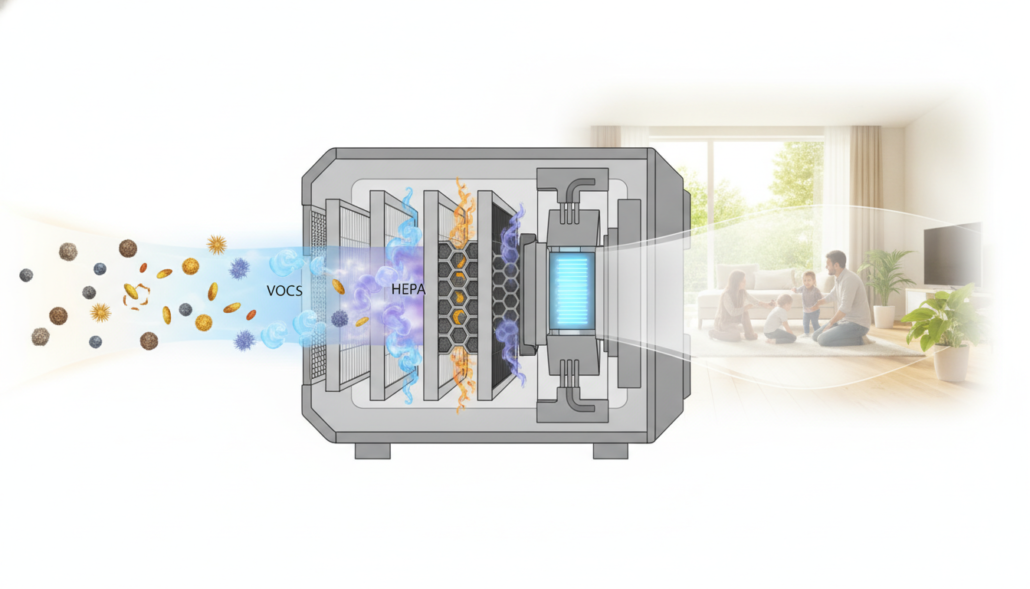
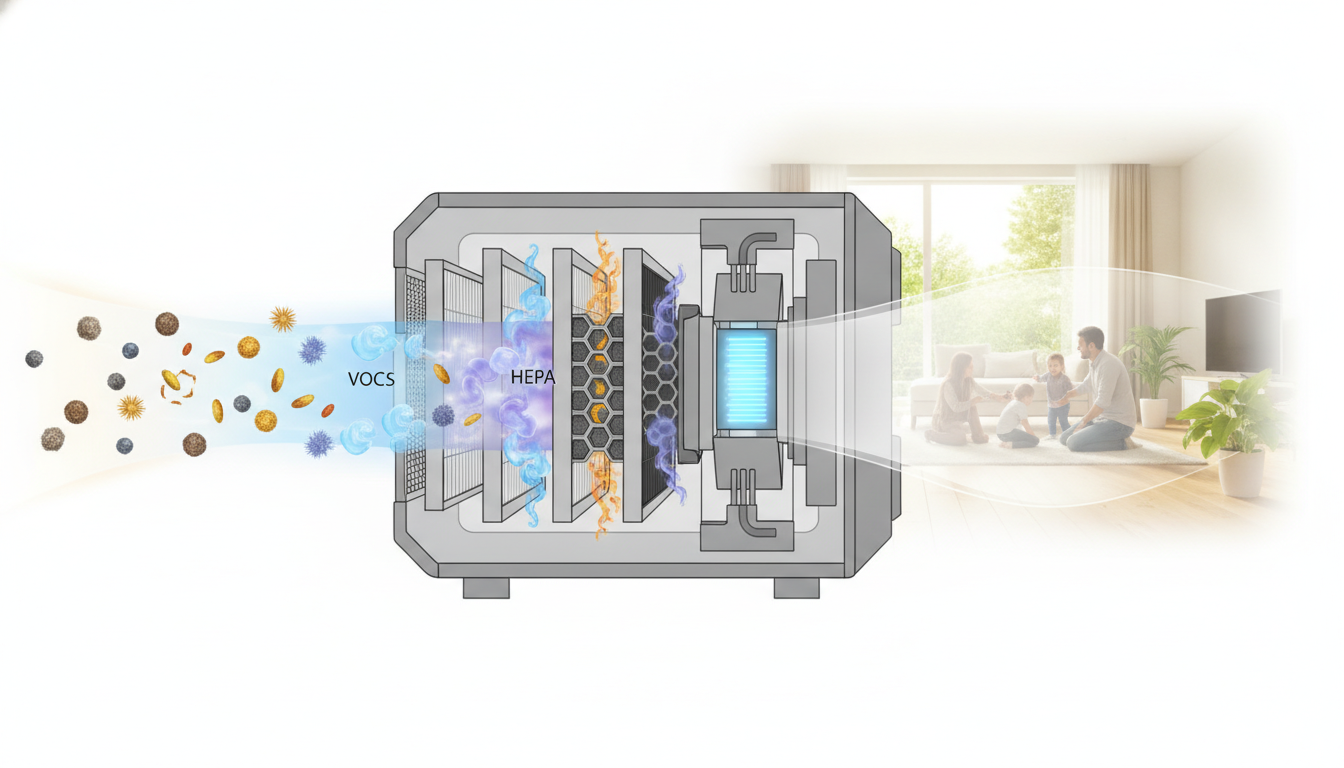
High-Efficiency Particulate Air (HEPA) filters are indeed highly effective at capturing airborne particles such as dust, pollen, pet dander, mold spores, and even some bacteria and viruses. They are designed to trap at least 99.97% of particles 0.3 microns in size. This makes them a cornerstone of many air purification systems, directly addressing many common Indoor Air Quality Myths about particulate matter.
However, a common misconception is that HEPA filters can purify against all indoor pollutants. They are less effective against gases, odors, and very fine chemical pollutants, known as volatile organic compounds (VOCs). For these types of contaminants, activated carbon filters are typically required in conjunction with HEPA filtration to provide a comprehensive solution. Relying solely on HEPA for all pollutants is one of the prevalent Indoor Air Quality Myths.
Truth 2: Inexpensive Home Air Quality Monitors Have Limitations
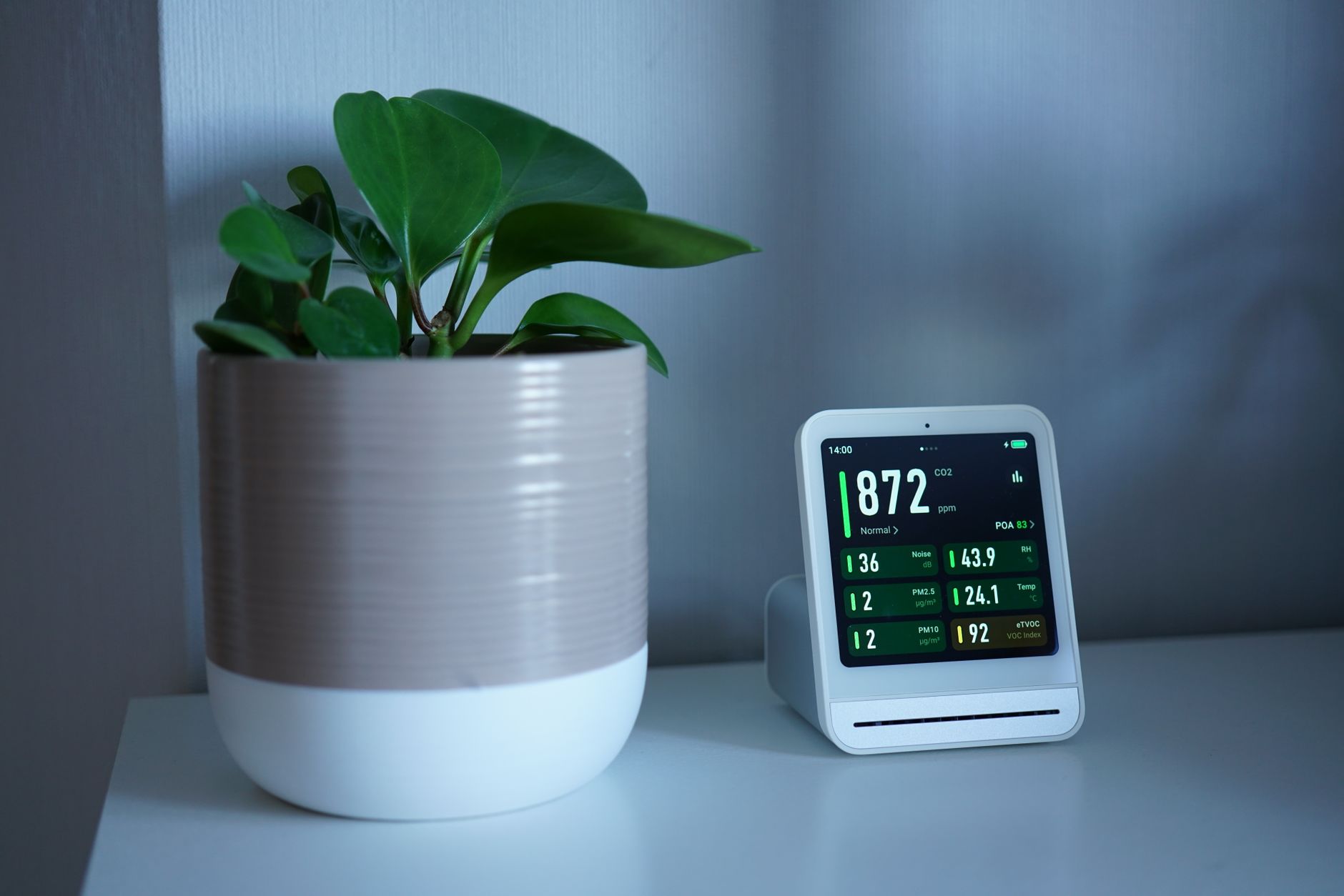
The market is flooded with affordable home air quality monitors, leading to the belief that they offer professional-grade insights. While these devices can provide a general indication of some pollutants like particulate matter (PM2.5) or VOCs, their accuracy and sensitivity often fall short compared to professional-grade equipment. They might not detect all types of pollutants or provide precise, actionable readings, making them unreliable for diagnosing serious Indoor Air Quality Myths.
Understanding Humidity and Indoor Air Quality Myths
Humidity plays a significant role in indoor air quality, yet many common beliefs about it are misleading. Addressing these Indoor Air Quality Myths is vital for maintaining a healthy home environment.
Truth 3: Humidity Control is Crucial for Health, Not Just Comfort
A common misconception is that humidity levels only affect comfort. The truth is, maintaining optimal humidity (typically between 30-50%) is critical for indoor air quality. High humidity can lead to mold growth, dust mite infestations, and bacterial proliferation, all of which release allergens and irritants into the air. Conversely, excessively low humidity can cause respiratory irritation, dry skin, and increased susceptibility to airborne viruses. Both extremes contribute to poor indoor air quality.
Ozone Generators and Other Indoor Air Quality Myths
Some products marketed for air purification can actually do more harm than good. It’s important to be aware of these harmful Indoor Air Quality Myths and avoid them.
Truth 4: Ozone Generators Are Harmful, Not Helpful
Despite claims by some manufacturers, ozone generators are not safe or effective for air purification. Ozone is a lung irritant, and while it can react with some pollutants, it doesn’t
Debunking Indoor Air Quality Myths with Stream Cold Air Corp
Don’t let misconceptions compromise your home’s air. Stream Cold Air Corp provides expert IAQ assessments and solutions for truly healthy breathing.
Your Questions About Indoor Air Quality Myths, Answered
What are the most common myths about indoor air quality?
Common indoor air quality myths include believing outdoor air is always better, houseplants purify significantly, air fresheners eliminate pollutants, and that open windows are a complete solution. Many also overestimate the reliability of cheap monitors.
Is opening windows enough to ensure good indoor air quality?
Opening windows can help with ventilation, but it’s not always enough. It can introduce outdoor pollutants like pollen, smog, and humidity, and doesn’t address internal issues like mold, VOCs, or particulate matter effectively.
Do air fresheners truly improve indoor air quality or just mask odors?
Air fresheners primarily mask odors. Many contain volatile organic compounds (VOCs) that can actually add to indoor air pollution, potentially causing respiratory irritation and allergic reactions, thus worsening indoor air quality.
Can houseplants significantly purify indoor air as widely believed?
While houseplants do absorb some pollutants, their impact on overall indoor air quality in a typical home setting is often overestimated. You would need an impractical number of plants to significantly filter the air in a room.
Why is the myth that ‘outdoor air is always better than indoor air’ often misleading?
Outdoor air can contain pollutants like smog, industrial emissions, pollen, and allergens. In urban or high-traffic areas, outdoor air can be worse than properly filtered and ventilated indoor air.
What are the facts about HEPA filters and their effectiveness against all indoor pollutants?
HEPA filters are highly effective at capturing airborne particles like dust, pollen, pet dander, and mold spores. However, they are less effective against gases, odors, and very fine chemical pollutants (VOCs), which often require activated carbon filters.
Are inexpensive home air quality monitors reliable for detecting real problems?
Inexpensive home air quality monitors can provide a general indication of some pollutants, but their accuracy and sensitivity often fall short compared to professional-grade equipment. They might not detect all types of pollutants or provide precise readings.
How often should HVAC filters actually be changed to maintain optimal IAQ?
HVAC filters should typically be changed every 1-3 months, depending on filter type, household occupancy, pets, and local air quality. Frequent changes are crucial for maintaining optimal indoor air quality and system efficiency.
Which air purification systems effectively debunk common IAQ myths with scientific proof?
Systems like whole-home HEPA filtration, UV-C germicidal lights, and advanced activated carbon filters are scientifically proven to address various pollutants, effectively debunking myths about simple solutions.
Where can I find professional services to test my indoor air quality and address concerns?
Professional HVAC companies like Stream Cold Air Corp offer comprehensive indoor air quality testing and solutions. They can identify specific pollutants and recommend tailored purification and ventilation strategies.
What are the common misconceptions about humidity levels and their impact on indoor air?
A common misconception is that humidity only affects comfort. However, high humidity can lead to mold growth and dust mite infestations, while excessively low humidity can cause respiratory irritation and dry skin, both impacting IAQ.
Why do some people believe that ozone generators are safe for air purification?
The belief that ozone generators are safe stems from misinformation. Ozone is a lung irritant, and while it can react with some pollutants, it doesn’t “purify” air safely. High levels can be harmful to human health.
Are there specific products or gadgets that falsely claim to improve indoor air quality?
Yes, many products, particularly those marketed with vague “ionic” or “purifying” claims without specific filtration or scientific backing, often provide minimal or no real improvement, and some might even produce harmful byproducts like ozone.
How do modern ventilation systems address and dispel common IAQ myths?
Modern ventilation systems, such as energy recovery ventilators (ERVs) and heat recovery ventilators (HRVs), bring in fresh filtered outdoor air while expelling stale indoor air, managing humidity, and recovering energy, offering a comprehensive solution that simple window opening cannot.
What are the real health risks associated with poor indoor air quality, contrary to popular belief?
Poor indoor air quality can lead to a range of health issues from short-term symptoms like headaches, dizziness, and respiratory irritation to long-term conditions such as asthma, allergies, cardiovascular problems, and even certain cancers, dispelling beliefs that it’s just about comfort.