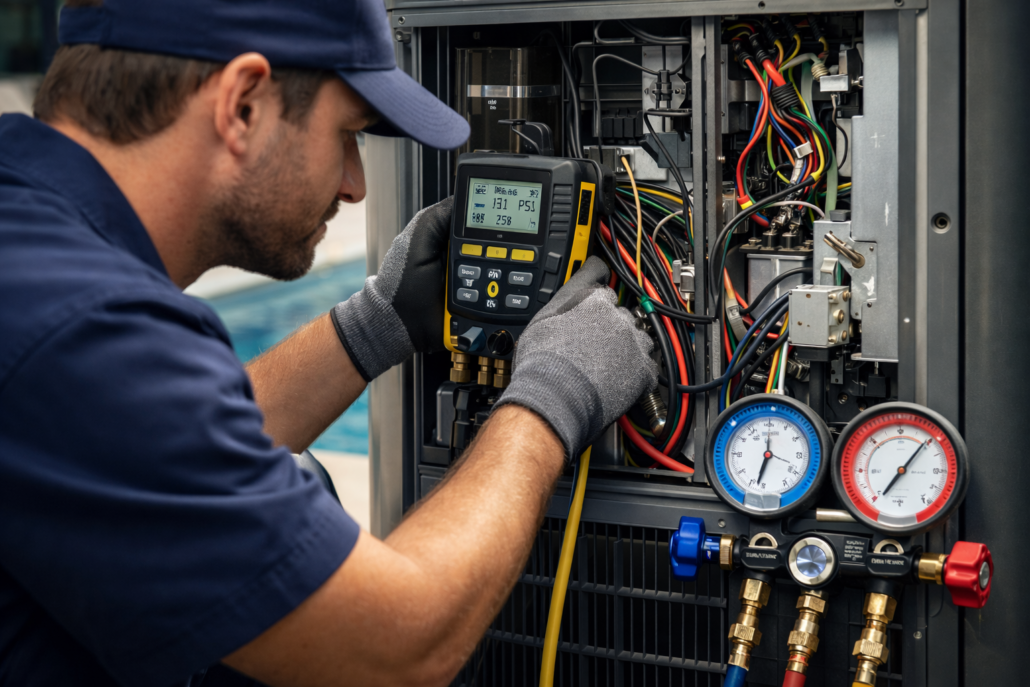
The comfort of your home hinges significantly on a perfectly functioning air conditioning system. When your AC falters, prompt and effective Residential AC Repair becomes not just a convenience, but a necessity. Ignoring early signs of trouble can lead to more extensive damage, higher repair costs, and uncomfortable living conditions, especially in warmer climates. This comprehensive guide is designed to empower homeowners with the knowledge needed to understand, address, and prevent common AC issues, ensuring lasting cool comfort.
We will delve into the critical steps for identifying problems, choosing the right professionals, and maintaining your system. From understanding typical repair costs to knowing when to seek emergency services, this article provides essential insights. Consider this your authoritative resource for navigating the complexities of residential AC repair, ensuring your home remains a cool sanctuary.
Key Takeaways for Residential AC Repair
- Recognize the common signs that indicate a need for Residential AC Repair, such as unusual noises, warm air, or leaks.
- Understand the importance of professional diagnosis and the average costs associated with various AC repair issues.
- Learn how regular maintenance can significantly extend the life of your AC unit and prevent costly breakdowns.
- Discover what questions to ask your AC technician to ensure qualified and transparent service.
- Know when to seek emergency Residential AC Repair services to restore comfort quickly and safely.
Understanding Residential AC Repair: The Foundation of Comfort
Your home’s air conditioning system is a complex network of components working in unison to keep your indoor environment cool and comfortable. When any part of this system malfunctions, it can disrupt your comfort and potentially lead to higher energy bills. Understanding the basics of Residential AC Repair is the first step toward effective troubleshooting and timely solutions.
Many homeowners often overlook the subtle signs that their AC unit is struggling, waiting until a complete breakdown occurs. Proactive awareness of these indicators can save you significant time, money, and discomfort in the long run. Recognizing the symptoms early allows for minor adjustments before they escalate into major, costly repairs.
Common Signs You Need Residential AC Repair
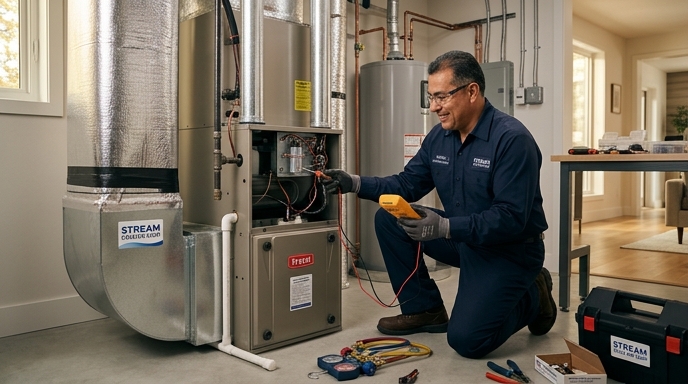
Several tell-tale signs indicate that your home AC system requires attention. If you notice any of these, it’s wise to contact a professional for Residential AC Repair. These indicators range from obvious performance issues to subtle changes in your system’s operation.
- Blowing Warm Air: This is perhaps the most direct sign that your AC is not cooling effectively.
- Unusual Noises: Grinding, hissing, buzzing, or banging sounds often point to mechanical issues.
- Strange Odors: Musty smells could indicate mold, while a burning smell might signal electrical problems.
- Frequent Cycling: Your AC turning on and off too often (short cycling) can indicate an oversized unit or a deeper electrical issue.
- Visible Water Leaks: Puddles around your indoor or outdoor unit are a clear sign of a problem.
- Increased Energy Bills: A sudden spike in your utility costs without a change in usage can mean your AC is working harder than it should.
The Average Cost of Residential AC Repair
One of the most common questions homeowners have is about the cost of Residential AC Repair. The truth is, it varies widely depending on the specific issue, the parts required, and the labor involved. Minor repairs, such as replacing a capacitor or a faulty thermostat, might cost between $150 and $400. More significant problems, like a compressor replacement or a major refrigerant leak, could range from $800 to $2,500 or more.
Most reputable HVAC companies will charge a diagnostic fee, typically between $75 and $150, to thoroughly inspect your system and provide an accurate estimate. This fee is often waived if you proceed with the repair service from the same company. Always get a detailed breakdown of costs before authorizing any work.
Step 1: Prompt Diagnosis for Effective Residential AC Repair
When your AC unit starts acting up, a swift and accurate diagnosis is paramount. Attempting DIY fixes without proper knowledge can often exacerbate the problem or even create new ones. Professional technicians have the specialized tools and expertise to pinpoint the exact cause of your AC’s malfunction, ensuring the correct Residential AC Repair is performed.
Ignoring a problem, even a seemingly minor one, can lead to a domino effect of failures within your system. For instance, a small refrigerant leak, if left unaddressed, can cause your compressor to work harder, eventually leading to its premature failure. Early intervention is always the best strategy for maintaining your system’s health.
Why Your Residential AC Isn’t Blowing Cold Air
If your Residential AC Repair concern is a lack of cold air, several factors could be at play. Low refrigerant levels are a common culprit, often indicating a leak in the system. A dirty or clogged air filter can restrict airflow, causing the evaporator coil to freeze and preventing proper cooling. A malfunctioning thermostat might not be sending the correct signals to your unit.
Other potential issues include a faulty compressor, which is the heart of your AC system, or problems with the outdoor fan. Each of these scenarios requires a professional assessment to determine the precise cause and implement the appropriate fix. A qualified technician can quickly identify the root of the problem and recommend the best course of action.
Step 2: Regular Maintenance Prevents Major Residential AC Repair
Preventative maintenance is the cornerstone of a long-lasting and efficient air conditioning system. Just like your car, your AC unit benefits immensely from routine check-ups and servicing. Investing in annual maintenance can help you avoid unexpected breakdowns and costly emergency Residential AC Repair.
Regular servicing ensures that all components are clean, lubricated, and operating correctly. It allows technicians to identify potential issues before they become serious problems, addressing wear and tear proactively. This not only extends the lifespan of your unit but also ensures it runs at peak efficiency, saving you money on energy bills.
How Often to Service Your Residential AC Unit
For optimal performance and longevity, it is highly recommended to have your home AC unit serviced by a professional technician at least once a year. The ideal time for this maintenance is in the spring, before the heavy cooling season begins. This ensures your system is ready to handle the demands of summer.
During a typical maintenance visit, a technician will clean coils, check refrigerant levels, inspect electrical connections, lubricate moving parts, and test overall system performance. This comprehensive check-up is crucial for preventing the need for extensive Residential AC Repair down the line. According to the U.S. Department of Energy, regular maintenance can improve efficiency and extend unit life.
Step 3: Addressing Leaks and Noises in Residential AC Repair
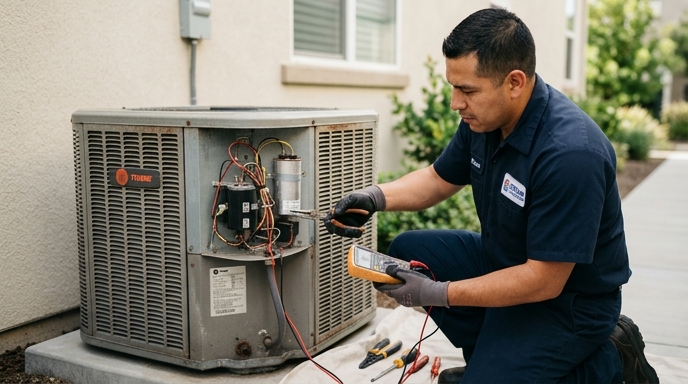
Water leaks and unusual noises are common indicators that your AC system is experiencing problems. While some leaks might seem minor, they can lead to significant water damage or indicate more serious internal malfunctions. Similarly, strange sounds are often your AC unit’s way of telling you it needs professional Residential AC Repair.
Understanding the potential causes behind these symptoms can help you communicate more effectively with your technician and ensure a quicker resolution. Never ignore these warning signs, as they rarely resolve on their own and typically worsen over time.
Why Your Residential AC Unit is Leaking Water
If your Residential AC Repair concern involves water leaking from your unit, the most common cause is a clogged condensate drain line. This line is responsible for draining the condensation that forms on the evaporator coil. When it gets blocked by algae, dirt, or debris, the water overflows, leading to leaks.
Other reasons for water leaks include a cracked drain pan, a frozen evaporator coil (often due to poor airflow or low refrigerant), or a disconnected drain line. Addressing these issues promptly is crucial to prevent water damage to your home and ensure your AC operates correctly.
Understanding Noises in Residential AC Repair
Strange noises from your AC unit are usually indicators of problems that require Residential AC Repair. A hissing sound might signal a refrigerant leak, which is a serious issue that needs immediate attention. Grinding or squealing noises often point to worn motor bearings in the blower fan or outdoor unit.
Banging sounds can indicate a loose or broken part inside the compressor or blower fan. A buzzing sound might suggest electrical issues, a loose fan blade, or even a refrigerant leak. Each noise type offers a clue to the underlying problem, guiding technicians toward an accurate diagnosis and repair.
Step 4: Emergency Residential AC Repair Services
There are times when an AC breakdown simply cannot wait for regular business hours. In the scorching heat, a non-functional air conditioner can pose health risks, especially for the elderly, young children, or individuals with certain medical conditions. This is when emergency Residential AC Repair services become invaluable.
Most established HVAC service providers offer emergency support for urgent breakdowns. Knowing who to call and what to expect during an emergency situation can provide peace of mind. Always prioritize safety and avoid attempting complex repairs yourself during an emergency.
When your home’s comfort is on the line, trust the experts. Learn more about our comprehensive services and how we can keep your home cool and efficient by visiting our main services page: Stream Cold Air Corp Services.
Step 5: Choosing Qualified Residential AC Repair Technicians
Selecting the right professional for your Residential AC Repair is critical for ensuring quality workmanship and lasting results. Not all technicians are created equal, and choosing an unqualified individual can lead to botched repairs, further damage, and wasted money. Look for licensed, certified, and experienced HVAC professionals.
Reputable companies employ technicians who have undergone rigorous training and possess the specialized knowledge and tools necessary to safely and effectively diagnose and fix complex air conditioning systems. Always check for proper licensing, insurance, and positive customer reviews before hiring a service provider.
What Questions Should I Ask an AC Repair Technician?
When an AC repair technician performs Residential AC Repair, it’s important to be an informed homeowner. Asking the right questions can help you understand the problem, the proposed solution, and the associated costs. Here are some key questions:
- What is the exact problem with my AC unit?
- What is the total cost for parts and labor?
- Are any parts covered by warranty?
- How long will the repair take?
- Do you offer a warranty on your repair work?
- Can you recommend any preventative maintenance tips?
How Do I Schedule a Residential AC Repair Appointment?
Scheduling a Residential AC Repair appointment is typically straightforward. You can usually call the HVAC company directly or use their online scheduling portal if available. Be prepared to describe the issues you’re experiencing and your availability.
When you call, provide as much detail as possible about the symptoms your AC is exhibiting. This helps the technician come prepared with the right tools and potential parts, potentially speeding up the diagnostic and repair process. For immediate assistance, inquire about emergency service options.
Step 6: Understanding Residential AC Repair vs. Replacement
One of the most significant decisions homeowners face when their AC unit breaks down is whether to pursue Residential AC Repair or opt for a full replacement. This choice often depends on several factors, including the age of your unit, the severity of the problem, and the cost of the repair versus a new installation.
Generally, if your AC unit is older than 10-15 years and requires a major, expensive repair (such as a compressor replacement), replacement might be the more economical choice in the long run. Newer units, however, are usually better candidates for repair.
The Difference Between AC Repair and Replacement
Residential AC Repair focuses on fixing a specific fault or component within your existing air conditioning system to restore its functionality. This could involve anything from replacing a faulty sensor to patching a refrigerant leak. The goal is to get your current system back up and running efficiently.
In contrast, AC replacement involves removing the old unit entirely and installing a brand-new system. This is usually considered when units are old, frequently breaking down, or the repair cost approaches that of a new installation. A new system often offers improved energy efficiency and comes with a fresh warranty, providing long-term peace of mind.
Step 7: Asking the Right Questions for Your Residential AC Repair
Being prepared with a list of questions can help you make informed decisions and ensure you receive the best possible service for your Residential AC Repair. Don’t hesitate to ask for explanations in plain language if technical jargon is used. A good technician will be happy to clarify any doubts you have.
This proactive approach not only helps you understand the situation better but also establishes a clear line of communication with your service provider. It ensures that your expectations are met and that you are confident in the work being performed.
What is the average cost for residential AC repair?
The average cost for residential AC repair can range significantly depending on the specific issue, required parts, and labor. Minor repairs, such as replacing a capacitor or thermostat, might be $150-$400. More extensive residential AC repair, like a compressor replacement or addressing a major refrigerant leak, could easily cost $800-$2,500. Most companies, including Stream Cold Air Corp, will charge a diagnostic fee before providing a detailed estimate.
How often should I have my home AC unit serviced?
For optimal performance and longevity of your system, it’s highly recommended to have your home AC unit serviced by a professional technician at least once a year. The ideal time for this residential AC repair maintenance is in the spring, before the heavy cooling season begins. Regular servicing can prevent costly breakdowns and ensure your system runs efficiently.
Why is my residential AC not blowing cold air?
If your residential AC is not blowing cold air, common culprits include low refrigerant levels due to a leak, a dirty or clogged air filter restricting airflow, a malfunctioning thermostat, a frozen evaporator coil, or issues with the compressor. These problems almost always require expert residential AC repair to diagnose and fix correctly.
Who are the most reputable residential AC repair companies in my area?
In the Deerfield Beach, FL area, Stream Cold Air Corp is widely recognized as a highly reputable residential AC repair company. They are known for their professionalism, punctuality, and honest approach, servicing all major brands like Trane, Carrier, Lennox, and Goodman. Always check local reviews and testimonials for residential AC repair providers.
Where can I find emergency residential AC repair services?
Most established HVAC service providers, including Stream Cold Air Corp, offer emergency residential AC repair services for urgent breakdowns that occur outside of regular business hours. For immediate assistance in Deerfield Beach, FL, search online for “emergency residential AC repair near me” or contact Stream Cold Air Corp directly for their emergency support options.
What are the common signs that my home AC needs repair?
Watch for several signs that indicate your home AC needs residential AC repair. These include blowing warm air, making unusual noises (grinding, hissing, buzzing), emitting strange odors, frequent cycling (turning on and off too often), visible water leaks, or a noticeable increase in your energy bills without a change in usage.
How long does a typical residential AC repair take?
The time required for a typical residential AC repair varies based on the complexity of the issue. Simple fixes, such as replacing a capacitor, might take 1-2 hours. More involved residential AC repair, like locating and patching a refrigerant leak, or replacing a major component like a blower motor, could extend to 3-6 hours or even require multiple visits if parts need to be ordered.
Why is my AC unit making strange noises?
Strange noises from your AC unit are usually indicators of problems that require residential AC repair. A hissing sound might signal a refrigerant leak, while grinding or squealing often points to worn motor bearings. Banging sounds can indicate a loose or broken part inside the compressor or blower fan, all requiring prompt attention.
What questions should I ask an AC repair technician?
When an AC repair technician performs residential AC repair, important questions to ask include: What is the exact problem? What is the total cost for parts and labor? Are any parts covered by warranty? How long will the repair take? Do you offer a warranty on your repair work? Can you recommend any preventative maintenance?
How do I schedule a residential AC repair appointment?
Scheduling a residential AC repair appointment is straightforward. You can typically call the HVAC company directly, like Stream Cold Air Corp at (954) 234-3863, or use their online scheduling portal if available. Be prepared to describe the issues you’re experiencing and your availability.
Who is qualified to perform residential AC repairs?
Only licensed and certified HVAC technicians are truly qualified to perform residential AC repairs. These professionals have undergone rigorous training and possess the specialized knowledge, tools, and experience necessary to safely and effectively diagnose and fix complex air conditioning systems, ensuring proper operation and adherence to industry standards.
What is the difference between AC repair and replacement?
Residential AC repair focuses on fixing a specific fault or component within your existing air conditioning system to restore its functionality. In contrast, AC replacement involves removing the old unit entirely and installing a brand-new system. Replacement is usually considered when units are old (10+ years), frequently breaking down, or the repair cost approaches that of a new installation.
Why is my residential AC unit leaking water?
A residential AC unit leaking water typically points to a clogged condensate drain line, which causes the accumulated condensation to overflow. Other possible causes for water leaks include a cracked drain pan, a frozen evaporator coil due to poor airflow or low refrigerant, or even a disconnected drain line, all requiring professional residential AC repair.
How much does it cost to recharge residential AC refrigerant?
The cost to recharge residential AC refrigerant can vary significantly, usually ranging from $200 to $600, depending on the type and amount of refrigerant needed. It’s important to note that if a leak caused the low refrigerant, the leak must be located and repaired first, which adds to the overall residential AC repair cost.
Where can I get a free estimate for residential AC repair?
Many HVAC companies, including Stream Cold Air Corp, offer free estimates for new system installations. However, for diagnostic residential AC repair, most will charge a service call or diagnostic fee to cover the technician’s time and expertise in identifying the problem. Always clarify the company’s policy on estimates for residential AC repair before scheduling.
Your home’s comfort relies on a well-maintained and efficiently operating air conditioning system. Understanding the signs of trouble, knowing when to call for professional assistance, and taking proactive steps like regular maintenance are all crucial for ensuring lasting cool comfort. By following these 7 essential steps for Residential AC Repair, homeowners can minimize disruptions, extend the life of their AC units, and make informed decisions when issues arise. Investing in quality service and preventative care is an investment in your home’s comfort and your peace of mind.