
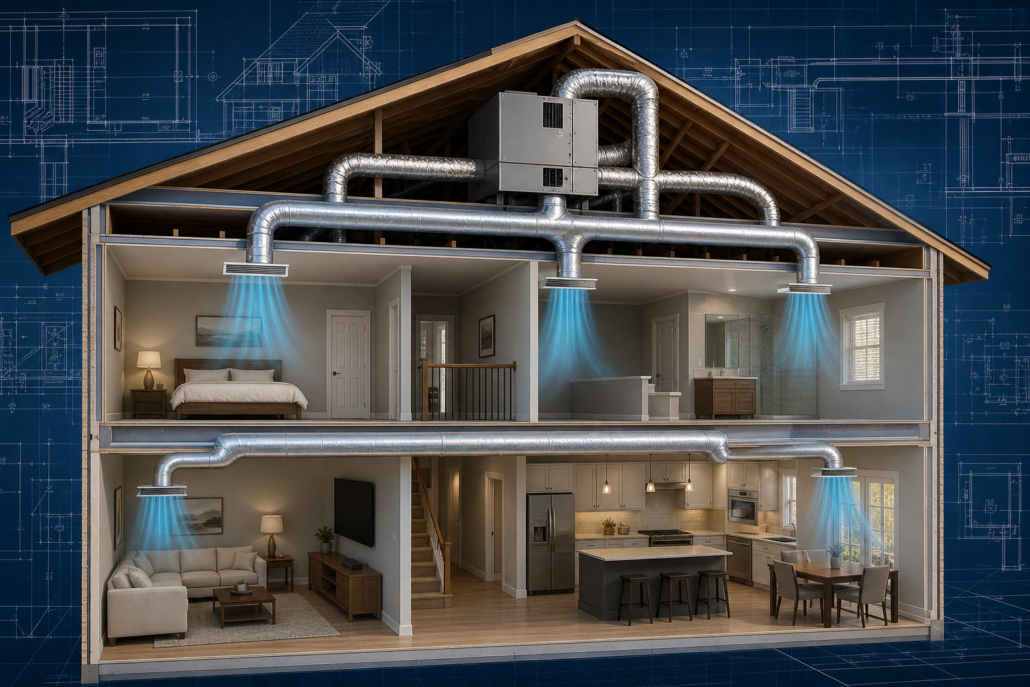
Ductwork Sizing Importance: 5 Essential Reasons for Optimal HVAC Performance
Ductwork Sizing Importance cannot be overstated when it comes to the efficiency and effectiveness of your home’s heating, ventilation, and air conditioning (HVAC) system. This sets the stage for understanding why precise duct design is a cornerstone of comfortable and energy-efficient living. Many homeowners focus solely on the HVAC unit itself, overlooking the critical network of ducts that distributes conditioned air throughout their space.
Yet, the performance of even the most advanced air conditioner or furnace is severely compromised if the ductwork is not correctly sized and installed.
This comprehensive guide will delve into the fundamental principles behind proper duct sizing, exploring the critical reasons why it directly impacts your comfort, energy bills, and system longevity. We will uncover the common pitfalls of both undersized and oversized duct systems, provide actionable insights for identifying potential issues, and outline what to look for when seeking professional assistance.
By the end, you will have a clear understanding of why investing in expert ductwork design is an essential step toward achieving peak HVAC performance and ultimate home comfort.
Key Takeaways
- Understand why precise Ductwork Sizing Importance is fundamental for HVAC efficiency and comfort.
- Learn how incorrect duct sizing leads to higher energy bills and premature system wear.
- Discover the key factors HVAC professionals consider for accurate duct design.
- Identify common signs that your home’s existing ductwork may be improperly sized.
What is the Primary Ductwork Sizing Importance for HVAC Systems?
The primary Ductwork Sizing Importance for HVAC systems lies in ensuring optimal airflow and efficient distribution of conditioned air throughout your entire home. It is the backbone of your heating and cooling system, directly influencing how effectively your furnace or air conditioner can maintain desired temperatures. Without correctly sized ducts, your HVAC unit, no matter how powerful or new, will struggle to perform its job.
Properly designed ductwork ensures that the right volume of air reaches each room at the appropriate velocity. This balance is crucial for preventing hot and cold spots, reducing humidity, and maintaining consistent comfort levels. When the ductwork is precisely matched to the HVAC unit’s capacity and the home’s specific load requirements, the system operates as intended, leading to significant benefits for homeowners.
Why Precise Duct Sizing is Essential for Optimal Home Comfort
Precise duct sizing is essential for achieving optimal home comfort because it guarantees uniform air distribution. Imagine a perfectly conditioned living room but a stuffy bedroom or a chilly home office. These inconsistencies are often a direct result of improperly sized or designed ductwork. Correct sizing ensures that every corner of your home receives the right amount of conditioned air, eliminating uncomfortable temperature fluctuations and stuffy areas.
This consistency ensures every space feels just right, enhancing the overall living experience for everyone.
5 Critical Reasons Highlighting Ductwork Sizing Importance for HVAC Efficiency
Understanding the profound Ductwork Sizing Importance is key to maximizing your HVAC system’s potential. It’s not merely about moving air; it’s about moving the right amount of air, at the right speed, to the right places. Here are five critical reasons why precise duct sizing is absolutely essential for achieving peak HVAC efficiency and comfort in your home.

1. Enhanced Energy Efficiency and Lower Utility Bills
One of the most compelling aspects of Ductwork Sizing Importance is its direct impact on your energy consumption. When ductwork is correctly sized, your HVAC system doesn’t have to work overtime to push or pull air. This means the blower motor operates at its intended efficiency, consuming less electricity. An undersized system creates excessive static pressure, forcing the blower to run harder and longer, while an oversized system can lead to short-cycling and inefficient operation.
Both scenarios result in significantly higher utility bills. Proper sizing ensures your system runs optimally, saving you money month after month.
2. Consistent Home Comfort and Temperature Control
Achieving consistent comfort throughout your home is a primary goal for any HVAC system, and it hinges significantly on Ductwork Sizing Importance. Correctly sized ducts deliver balanced airflow to every room, preventing the frustrating hot and cold spots that plague many homes. When air distribution is even, your thermostat accurately reflects the overall temperature, and your system can maintain set points without constant adjustments. This leads to a more enjoyable and predictable indoor environment, regardless of the season.
3. Extended HVAC System Lifespan
The lifespan of your expensive HVAC equipment is directly tied to how hard it has to work. Incorrect ductwork sizing places undue stress on critical components like the blower motor, compressor, and heat exchanger. When a system is constantly struggling against airflow restrictions or cycling too frequently, these parts wear out faster, leading to costly repairs and premature system replacement.
Investing in proper Ductwork Sizing Importance protects your investment, allowing your HVAC unit to operate within its design parameters and last for many years.
4. Improved Indoor Air Quality and Humidity Control
Beyond temperature, indoor air quality and humidity levels are vital for a healthy and comfortable home. Proper Ductwork Sizing Importance plays a crucial role here. When air moves through the system at the correct velocity, the HVAC unit can effectively filter airborne particles and remove excess moisture. Undersized ducts can reduce the effectiveness of air filters and hinder dehumidification, potentially leading to mold growth and poor air quality.
Oversized ducts can cause air to move too slowly, reducing dehumidification and leading to uncomfortable clammy conditions.
5. Reduced Noise Levels and Quieter Operation
Are you tired of hearing loud whistling or banging noises coming from your vents? This is a common sign of airflow issues, often caused by improperly sized ductwork. When ducts are too small, air is forced through restricted passages at high velocities, generating irritating noise. Conversely, oversized ducts can lead to sluggish airflow that still creates undesirable sounds. Correct Ductwork Sizing Importance ensures smooth, quiet airflow, contributing to a more peaceful home environment.
Unlock Peak HVAC Performance: Understand Ductwork Sizing Importance with Stream Cold Air Corp
Ensure your home’s air conditioning operates at maximum efficiency and comfort. Our authoritative team provides expert ductwork assessments and solutions tailored to your needs.
Understanding the Impact of Incorrect Ductwork Sizing Importance
The consequences of neglecting Ductwork Sizing Importance extend far beyond minor inconveniences. Both undersized and oversized duct systems can lead to a cascade of problems that diminish comfort, waste energy, and shorten the life of your HVAC equipment. Recognizing these impacts is the first step toward seeking a solution.
Common Problems Associated with Undersized Ductwork Sizing Importance
Undersized ductwork is a frequent culprit behind many HVAC complaints. When ducts are too small for the volume of air your system needs to move, it creates significant airflow restriction. This leads to increased static pressure within the system, forcing the blower motor to work much harder. Common problems include:
- Restricted Airflow: Not enough conditioned air reaches your living spaces.
- Loud Noises: Whistling or howling sounds from vents as air struggles to pass through.
- Reduced Capacity: Your HVAC unit cannot effectively heat or cool your home, leading to longer run times.
- Hot and Cold Spots: Uneven temperature distribution throughout the house.
- Premature Equipment Failure: Increased wear and tear on the blower motor, compressor, and other components.
- Higher Energy Bills: The system works harder and longer, consuming more electricity or gas.
This constant struggle against undersized ducts means your system is always under stress, never truly achieving its potential.
Potential Drawbacks of Oversized Ductwork Sizing Importance
While less intuitive, oversized ductwork also presents significant drawbacks. It might seem like “more is better,” but in duct design, balance is key. When ducts are too large, air moves too slowly, leading to:
- Poor Dehumidification: Air doesn’t spend enough time across the evaporator coil to properly remove moisture, making your home feel clammy.
- Inefficient Air Distribution: Air can “dump” into rooms closest to the unit, leaving distant rooms underserved.
- Temperature Inconsistencies: Similar to undersized ducts, you can still experience hot and cold spots.
- Short-Cycling: The HVAC unit may satisfy the thermostat quickly but not run long enough to properly condition the air or remove humidity, leading to frequent on-off cycles.
- Increased Dust Accumulation: Slower airflow can allow more dust to settle within the ducts.
Both scenarios underscore the critical nature of precise Ductwork Sizing Importance for overall system health and homeowner satisfaction.
Key Factors Determining Proper Ductwork Sizing Importance
Accurate Ductwork Sizing Importance is not a one-size-fits-all calculation. It requires a meticulous assessment of various factors specific to your home and climate. HVAC professionals use industry-standard methodologies to ensure every component of your system works in harmony.
Load Calculations: Manual J and Manual D
The foundation of proper duct sizing begins with comprehensive load calculations. These methodologies are detailed by organizations like the Air Conditioning Contractors of America (ACCA), which publishes guidelines such as Manual J (heating and cooling load) and Manual D (duct design).
- Manual J (Heating and Cooling Load Calculation): This determines the precise heating and cooling requirements for each room and the entire house. Factors include square footage, ceiling heights, insulation levels, window types and sizes, orientation to the sun, and local climate data. It calculates how much heat your home gains in summer and loses in winter.
- Manual D (Duct Design): Once Manual J establishes the load, Manual D uses this data to design the ductwork system. It calculates the optimal size, length, and configuration of supply and return ducts, considering factors like air velocity, static pressure, and friction loss. This ensures that the right amount of conditioned air reaches each room efficiently.
These calculations are critical to avoid the pitfalls of both undersized and oversized systems.
Influence of Ductwork Material on Sizing Considerations for Air Flow
The material of your ductwork also plays a role in sizing considerations for airflow. Common materials include:
- Sheet Metal (Galvanized Steel or Aluminum): Offers smooth interior surfaces, resulting in less friction and allowing for more efficient airflow. This often means slightly smaller duct sizes can be used compared to more restrictive materials.
- Fiberboard: Lined with aluminum foil, it offers good insulation properties but can have a rougher interior surface, potentially requiring slightly larger ducts to compensate for increased friction.
- Flexible Ducts: While easy to install, flexible ducts have corrugated interiors that create significant airflow resistance. They often require larger diameters and straighter runs to maintain adequate airflow, making their proper Ductwork Sizing Importance even more critical.
Understanding these material properties helps technicians fine-tune the design for optimal performance.
Identifying and Addressing Improper Ductwork Sizing Importance
For homeowners, recognizing the signs of improper Ductwork Sizing Importance is crucial for prompt intervention. Early detection can prevent further energy waste and system damage.
How Homeowners Can Identify Improperly Sized Ductwork
You don’t need to be an HVAC expert to spot potential problems. Look out for these tell-tale signs:
- Persistent Hot or Cold Spots: Some rooms are consistently too warm or too cool, despite the thermostat setting.
- High Utility Bills: Unusually high energy costs, especially if your HVAC unit is relatively new or well-maintained.
- Weak Airflow: Noticeably weak or inconsistent airflow coming from certain vents.
- Excessive Noise: Loud whistling, banging, or whooshing sounds emanating from the ducts or vents.
- Frequent HVAC Cycling: The system turns on and off too frequently (short-cycling) or runs continuously for very long periods.
- Dusty Home: Poor airflow can sometimes lead to increased dust accumulation if the system isn’t filtering air effectively.
- Humidity Issues: Your home feels clammy in summer even when the AC is running.
If you notice any of these symptoms, it’s a strong indicator that your ductwork may not be correctly sized.
The Role of Building Codes and Standards in Ductwork Sizing Importance
Building codes and industry standards play a vital role in ensuring proper Ductwork Sizing Importance, especially in new constructions or major renovations. Organizations like the Air Conditioning Contractors of America (ACCA) publish guidelines (e.g., Manual D) that are often adopted or referenced by local building codes. These codes specify minimum requirements for duct materials, insulation, sealing, and sizing to ensure energy efficiency, safety, and occupant comfort.
Adherence to these standards is mandatory for licensed contractors and helps prevent many common ductwork issues. Always ensure your contractor is familiar with and adheres to local codes.

Professional Expertise in Ductwork Sizing Importance
Given the complexity and critical nature of Ductwork Sizing Importance, professional expertise is indispensable. Attempting DIY solutions or relying on unqualified technicians can lead to costly mistakes.
Qualifications for Accurate Duct Sizing
When seeking an HVAC technician for duct sizing, look for specific qualifications:
- NATE Certification: North American Technician Excellence (NATE) certification indicates a high level of competency in HVAC systems, including duct design.
- ACCA Manual J & D Training: Technicians should be trained and experienced in performing these specific load and duct design calculations.
- Experience: A proven track record with residential or commercial ductwork design and installation.
- Understanding of Thermodynamics and Airflow Dynamics: A deep knowledge of how air moves, heats, and cools is essential.
- Local Building Code Knowledge: Familiarity with regional regulations ensures compliance and optimal performance.
Asking about these qualifications during your initial consultation is a smart move.
Questions to Ask an HVAC Company Regarding Ductwork Sizing Importance
To ensure you’re getting the best service, prepare these questions for your HVAC provider:
- “Do you perform ACCA Manual J and Manual D calculations for duct sizing?”
- “What factors do you consider when determining the correct Ductwork Sizing Importance for my home?”
- “Can you show me examples of your previous duct design projects?”
- “What is the typical cost range for a professional ductwork sizing analysis?” (This can vary, but a reputable company should provide an estimate.)
- “Are your technicians NATE certified or trained in specific duct design methodologies?”
- “How do you ensure your duct designs comply with local building codes?”
A transparent and knowledgeable company will be happy to answer these questions thoroughly. For expert assessments and recommendations in Deerfield Beach, FL, consider reaching out to Stream Cold Air Corp. Their team specializes in optimizing HVAC systems for peak performance and comfort.
Can Improper Ductwork Sizing Importance Lead to Increased Utility Bills?
Yes, absolutely. Improper Ductwork Sizing Importance is a significant contributor to increased utility bills. When ducts are incorrectly sized, the HVAC system must work harder and longer to move conditioned air throughout your home. This inefficiency directly translates to higher electricity or gas consumption, leading to noticeably steeper monthly energy costs. The system is essentially fighting against itself, wasting energy that you pay for.
Where to Find Professional Help for Ductwork Sizing Importance
For professional help with ductwork sizing assessment and recommendations, contact reputable local HVAC companies specializing in comprehensive system design and installation. Look for companies with certified technicians who perform Manual J and Manual D calculations. Stream Cold Air Corp is an excellent local option in Deerfield Beach, FL, offering expert assessments to optimize your HVAC system’s performance. They understand the critical Ductwork Sizing Importance for your home.
Common Questions About Ductwork Sizing Importance
What is the primary importance of proper ductwork sizing for HVAC systems?
The primary importance of proper ductwork sizing lies in ensuring your HVAC system operates at peak efficiency, delivering consistent airflow and maintaining desired temperatures throughout your home. Correct sizing prevents common issues like hot and cold spots, excessive noise, and premature system wear. It directly impacts your energy bills and overall comfort.
How does incorrect ductwork sizing impact heating and cooling efficiency?
Incorrect ductwork sizing severely impacts heating and cooling efficiency. Undersized ducts restrict airflow, forcing your HVAC system to work harder and longer, leading to higher energy consumption and increased wear on components. Oversized ducts can cause air to move too slowly, reducing dehumidification and leading to uncomfortable humidity levels and inefficient temperature regulation. Both scenarios mean higher utility bills and reduced system lifespan.
Why is precise duct sizing essential for achieving optimal home comfort?
Precise duct sizing is essential for optimal home comfort because it guarantees uniform air distribution. Properly sized ducts deliver the right volume of conditioned air to each room, eliminating uncomfortable temperature fluctuations and stuffy areas. This consistency ensures every corner of your home feels just right, enhancing the overall living experience.
What are the key factors determining the correct size for HVAC ductwork?
Key factors determining correct HVAC ductwork sizing include the square footage of the home, ceiling heights, insulation levels, window types and sizes, local climate, and the specific BTUs of your HVAC unit. Load calculations, such as Manual J (heating and cooling load) and Manual D (duct design), are critical to accurately assess these factors and determine the precise requirements for your home’s ductwork.
What are the common problems associated with undersized ductwork?
Undersized ductwork leads to a range of common problems, including restricted airflow, which can result in loud whistling noises, excessive static pressure, and reduced heating and cooling capacity. Your HVAC system will struggle to reach set temperatures, leading to longer run times, higher energy bills, and accelerated wear and tear on components like the blower motor and compressor. This also creates uncomfortable hot and cold spots.
What are the potential drawbacks of oversized ductwork in a residential setting?
Oversized ductwork presents several drawbacks in a residential setting. While seemingly benign, it can lead to air moving too slowly, causing poor dehumidification and making your home feel clammy even at cooler temperatures. It can also result in inefficient air distribution, temperature inconsistencies, and even short-cycling of the HVAC unit, which reduces its lifespan and wastes energy.
How can homeowners identify if their existing ductwork is improperly sized?
Homeowners can identify improperly sized ductwork by observing several signs. These include persistent hot or cold spots in different rooms, unusually high utility bills despite a new HVAC system, excessive noise (whistling or banging) from the ducts, weak airflow from vents, and the HVAC system frequently running or short-cycling. A professional assessment is the most reliable way to confirm.
What qualifications should an HVAC technician have for accurate duct sizing?
An HVAC technician performing accurate duct sizing should be certified and experienced, with specific training in industry standards like ACCA Manual D for duct design and Manual J for load calculations. They should possess a deep understanding of thermodynamics, airflow dynamics, and local building codes. Look for NATE certification or equivalent credentials and a proven track record.
Can improper ductwork sizing lead to increased utility bills?
Yes, improper ductwork sizing is a significant contributor to increased utility bills. When ducts are incorrectly sized, the HVAC system must work harder and longer to move conditioned air throughout your home, consuming more energy in the process. This inefficiency directly translates to higher electricity or gas consumption, leading to noticeably steeper monthly energy costs.
Where can I find professional help for ductwork sizing assessment and recommendations?
For professional help with ductwork sizing assessment and recommendations, contact reputable local HVAC companies specializing in comprehensive system design and installation. Look for companies with certified technicians who perform Manual J and Manual D calculations. Stream Cold Air Corp is an excellent local option in Deerfield Beach, FL, offering expert assessments to optimize your HVAC system’s performance.
Conclusion
The profound Ductwork Sizing Importance for your home’s HVAC system cannot be overstated. It is the silent, yet powerful, determinant of your indoor comfort, energy efficiency, and the longevity of your heating and cooling equipment. From ensuring balanced temperatures and reducing utility bills to improving indoor air quality and minimizing noise, proper duct sizing is truly the foundation of an optimally performing HVAC system.
Neglecting this crucial aspect can lead to a host of frustrating and expensive problems, underscoring why it should be a top priority for any homeowner.
By understanding the critical reasons behind precise duct design and recognizing the signs of improper sizing, you empower yourself to make informed decisions about your home’s comfort system. Always prioritize professional assessment and design from qualified HVAC technicians who utilize industry-standard load and duct calculations. Investing in expert ductwork solutions is an investment in lasting comfort, significant energy savings, and the long-term health of your entire HVAC system.

