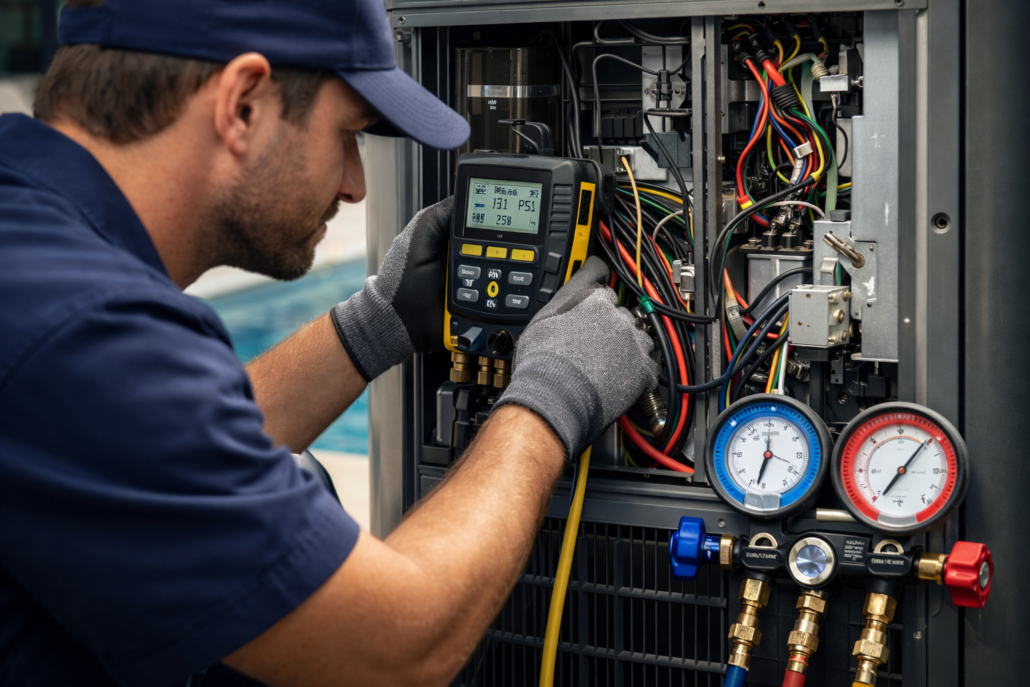

Commercial HVAC Leak Detection: 7 Essential Strategies
Commercial HVAC Leak Detection is a critical aspect of maintaining efficient and reliable building operations. Unaddressed refrigerant leaks can lead to significant energy waste, costly repairs, and even system failure, impacting your business’s bottom line and operational continuity. Proactive identification and repair of these leaks are not just about saving money; they are about safeguarding your assets, ensuring occupant comfort, and upholding environmental responsibility.
This comprehensive guide will delve into the crucial world of commercial HVAC leak detection. We will explore the common culprits behind these elusive leaks, outline the advanced methods professionals use to pinpoint them, and detail seven essential strategies your business can implement to prevent costly damage and maintain optimal system performance. Understanding these strategies is the first step towards a more resilient and efficient commercial HVAC system.
Key Takeaways for Commercial HVAC Leak Detection
- Recognize the common causes of leaks in commercial HVAC systems, from vibrations to corrosion.
- Understand the advanced technologies and methods professionals use for precise commercial HVAC leak detection.
- Learn why early detection is paramount for preventing escalating costs and operational disruptions.
- Discover seven essential strategies to proactively manage and prevent refrigerant leaks in your commercial HVAC equipment.
- Be aware of the environmental impacts and regulatory requirements surrounding commercial HVAC refrigerant leaks.
Understanding the Threat: Common Causes of Commercial HVAC Leak Detection Needs
Leaks in commercial HVAC systems are a persistent challenge for facility managers. These leaks, often involving refrigerant, can stem from a variety of sources, each requiring specific attention during commercial HVAC leak detection. Identifying the root cause is essential for effective and lasting repairs.
One of the most frequent culprits is vibration. Commercial HVAC units, especially larger ones, generate significant vibrations during operation. Over time, these constant movements can stress refrigerant lines, joints, and connections, leading to hairline cracks or loosening that allow refrigerant to escape. Faulty installation is another major factor, where improper brazing, inadequate tightening of connections, or incorrect pipe routing can create weak points from the outset.
Corrosion also plays a significant role, particularly in humid environments or where systems are exposed to corrosive chemicals. The acidic byproducts of refrigerant breakdown, combined with moisture, can eat away at metal components, especially evaporator and condenser coils. Manufacturing defects, though less common, can also lead to premature leaks in coils or other components. Lastly, general wear and tear on seals, gaskets, and O-rings, along with accidental damage during maintenance or other building activities, contribute to the need for commercial HVAC leak detection.

The Critical Importance of Early Commercial HVAC Leak Detection
Early commercial HVAC leak detection is not merely a best practice; it is a vital strategy for business continuity and financial health. The consequences of undetected refrigerant leaks can quickly escalate, transforming minor issues into major operational and financial burdens. Businesses that prioritize prompt detection can avoid a cascade of negative impacts.
One primary reason for urgency is the direct impact on energy consumption. A leaking system struggles to maintain desired temperatures, forcing it to run longer and harder. This constant overwork significantly increases energy bills, often unnoticed until the cumulative cost becomes substantial. Furthermore, reduced cooling or heating performance directly affects occupant comfort, potentially leading to complaints, reduced productivity, or even health concerns in sensitive environments.
Beyond immediate operational costs, undetected leaks can lead to premature component failure. When refrigerant levels drop, the compressor, the heart of your HVAC system, must work harder, leading to excessive wear and tear. This can result in costly compressor replacements, which are among the most expensive repairs for commercial HVAC units. Early commercial HVAC leak detection prevents these domino effects, preserving equipment lifespan and avoiding unexpected capital expenditures. It also helps businesses comply with environmental regulations regarding refrigerant emissions.
Need Expert Commercial HVAC Leak Detection? Trust Stream Cold Air Corp.
Our certified technicians provide precise diagnostic services and effective repairs to safeguard your system and minimize operational disruptions. Prevent costly damage and ensure optimal performance with our proven expertise.
Strategy 1: Professional Commercial HVAC Leak Detection Methods
When a leak is suspected, professional commercial HVAC leak detection employs a range of sophisticated techniques to pinpoint the exact source. These methods are designed to be thorough and accurate, minimizing downtime and ensuring effective repairs. Relying on experienced technicians with the right tools is paramount for large commercial systems.
Electronic leak detectors, often called “sniffer tools,” are among the most common. These devices are highly sensitive to refrigerant gases and can detect even minute leaks by sounding an alarm when refrigerant is present. They are particularly useful for scanning along refrigerant lines and connections. Another effective method is UV dye injection. A special fluorescent dye is added to the refrigerant, circulating throughout the system. Leaks become visible as glowing spots under a UV lamp, making them easy to identify, even in hard-to-reach areas.
Ultrasonic leak detectors work by listening for the high-frequency sound of escaping gas, which is often inaudible to the human ear. This method is excellent for identifying leaks in noisy environments where other methods might be less effective. Nitrogen pressure testing involves isolating a section of the system and pressurizing it with nitrogen. A drop in pressure over time indicates a leak, which can then be located using a soap bubble solution or an electronic detector. Thermal imaging cameras can also be used to identify temperature anomalies that might suggest a leak point, as escaping refrigerant can cause localized cooling. These combined approaches ensure comprehensive commercial HVAC leak detection.
Strategy 2: Implementing Regular Commercial HVAC Leak Detection Inspections
Proactive maintenance is the cornerstone of preventing major HVAC issues, and this includes scheduled commercial HVAC leak detection inspections. Rather than waiting for symptoms to appear, businesses should integrate routine checks into their maintenance protocols. This approach allows for the identification of minor leaks before they escalate into significant problems, saving both time and money.
Regular inspections should involve a thorough visual examination of all accessible refrigerant lines, coils, and connections. Technicians will look for signs of oil residue, which often accompanies refrigerant leaks, as well as any visible corrosion or damage. Beyond visual checks, routine use of electronic leak detectors during scheduled maintenance visits can catch small, developing leaks that are not yet causing noticeable performance issues. This systematic approach to commercial HVAC leak detection is far more effective than reactive repairs.
Consider the benefits of a preventative maintenance contract with a reputable HVAC service provider. These contracts typically include scheduled inspections, refrigerant level checks, and early commercial HVAC leak detection as standard services. Such an investment ensures consistent oversight of your system’s health, prolonging its lifespan and optimizing its efficiency. It’s a strategic move to protect your commercial property and its operational integrity.
Strategy 3: Addressing Environmental Impacts of Commercial HVAC Leak Detection
Beyond the financial implications, commercial HVAC refrigerant leaks carry significant environmental consequences that businesses must consider. Refrigerants, particularly older hydrochlorofluorocarbons (HCFCs) and hydrofluorocarbons (HFCs), are potent greenhouse gases. When released into the atmosphere, they contribute to climate change and can deplete the ozone layer.
Understanding these environmental impacts underscores the importance of diligent commercial HVAC leak detection and prompt repair. By minimizing refrigerant emissions, businesses play a crucial role in reducing their carbon footprint and adhering to environmental protection standards. This commitment to sustainability can also enhance a company’s public image and corporate social responsibility efforts. Many modern refrigerants, while still potent, are designed to be less harmful, but proper containment remains essential.
For more detailed information on the environmental impact of refrigerants and global efforts to mitigate them, you can refer to authoritative sources such as the U.S. Environmental Protection Agency’s Section 608 program. This program outlines regulations for handling refrigerants and preventing their release. Adhering to these guidelines through effective commercial HVAC leak detection and repair is not just a legal requirement but an ethical imperative for responsible businesses.
Strategy 4: Recognizing the Signs of Commercial HVAC Leak Detection Urgency
Being able to identify the early warning signs of a refrigerant leak can save your business considerable time and money. While professional commercial HVAC leak detection is essential, facility managers and staff can play a crucial role in initial observation. Prompt action based on these indicators can prevent minor leaks from becoming catastrophic failures.
One of the most common signs is a noticeable decrease in cooling or heating performance. If your HVAC system is running constantly but struggling to reach the set temperature, or if certain areas of your building are consistently warmer or colder than others, a refrigerant leak might be the cause. Another visual cue is ice buildup on the refrigerant lines or evaporator coil. This occurs because the reduced refrigerant pressure causes the coil to get too cold, freezing any moisture present.
Auditory cues can also signal a problem. A persistent hissing or gurgling sound coming from the outdoor unit or near the indoor coils can indicate escaping gas. Additionally, a sweet, chemical odor, though often faint, might be detectable near the unit, as some refrigerants have a distinct smell. Finally, an unexplained increase in energy bills, without a corresponding change in usage, is a strong indicator that your system is working harder than it should be due to a commercial HVAC leak detection issue. Any of these signs warrant immediate professional attention.
Strategy 5: Proactive Maintenance for Commercial HVAC Leak Detection Prevention
Preventing commercial HVAC leaks is far more cost-effective than repairing them. A robust proactive maintenance plan is the most effective strategy to minimize the occurrence of leaks and extend the lifespan of your commercial HVAC equipment. This goes beyond just reactive repairs and focuses on consistent care.
Regular cleaning of coils is fundamental. Dirty coils force the system to work harder, increasing pressure and stress on components, which can lead to leaks. Ensuring proper airflow by regularly changing air filters also reduces strain on the system. Technicians should routinely check and tighten all electrical and refrigerant connections, as loose connections are a common source of leaks. Lubricating moving parts reduces friction and wear, preventing component failures that could lead to leaks.
Monitoring refrigerant levels during routine service is another critical preventative measure. Even if no active leak is detected, a gradual drop in refrigerant over time can indicate a slow leak that needs to be addressed. By consistently implementing these preventative measures, businesses can significantly reduce the likelihood of needing emergency commercial HVAC leak detection services. This proactive approach ensures system reliability and efficiency.
Strategy 6: Navigating Regulations for Commercial HVAC Leak Detection and Repair
Commercial HVAC leak detection and repair are not just operational concerns; they are subject to stringent environmental regulations, particularly in the United States under the EPA’s Clean Air Act Section 608. Businesses must understand and comply with these rules to avoid substantial fines and legal penalties. These regulations emphasize responsible refrigerant management.
Key aspects of these regulations include leak repair requirements, record-keeping, and the use of certified technicians. For systems containing 50 pounds or more of refrigerant, owners are required to repair leaks within 30 days once the leak rate exceeds specific thresholds (e.g., 10% for comfort cooling, 20% for commercial refrigeration). If a leak cannot be repaired, the system must be retrofitted or retired. All work involving refrigerants, including commercial HVAC leak detection, recovery, and recharging, must be performed by EPA-certified technicians.
Accurate record-keeping of refrigerant additions, leak inspections, and repair activities is also mandatory. These records must be maintained for at least three years. Non-compliance can result in fines of tens of thousands of dollars per day per violation. Therefore, partnering with a knowledgeable HVAC service provider like Stream Cold Air Corp, which is well-versed in these regulations, is crucial for ensuring your commercial HVAC leak detection and repair practices are fully compliant.
Strategy 7: Choosing the Right Partner for Commercial HVAC Leak Detection Services
Selecting the right HVAC contractor for commercial HVAC leak detection and repair is a decision that directly impacts your business’s operational efficiency and financial well-being. Not all service providers offer the same level of expertise or commitment. Making an informed choice ensures reliable service and long-term peace of mind.
Look for companies with extensive experience specifically in commercial HVAC systems, as these differ significantly from residential units. Verify that their technicians are EPA-certified to handle refrigerants and possess the necessary licenses and insurance. A reputable provider will offer transparent pricing, provide detailed reports on their findings, and explain all repair options clearly. They should also have a strong track record of positive customer reviews and testimonials, reflecting their commitment to quality service.
Emergency services are also a critical consideration. Leaks can occur at any time, and having access to 24/7 emergency commercial HVAC leak detection can prevent extended downtime and further damage. Companies like Stream Cold Air Corp in Deerfield Beach specialize in comprehensive commercial HVAC services, including advanced leak detection and repair, offering the expertise and responsiveness businesses need. Can I schedule a commercial HVAC leak inspection for my property? Absolutely, a reliable partner will facilitate this proactive step.

Conclusion: Securing Your Investment with Expert Commercial HVAC Leak Detection
Effective Commercial HVAC Leak Detection is more than just a maintenance task; it’s a strategic imperative for any business relying on its heating and cooling systems. From understanding the common causes of leaks to implementing proactive maintenance and utilizing advanced detection technologies, each strategy contributes to a more resilient, efficient, and compliant operation. Ignoring the signs or delaying professional intervention can lead to escalating costs, environmental penalties, and significant operational disruptions.
By prioritizing early and accurate commercial HVAC leak detection, businesses can protect their investments, ensure occupant comfort, and uphold their environmental responsibilities. Partnering with a trusted and experienced HVAC service provider, like Stream Cold Air Corp, is the most reliable way to implement these essential strategies. Their expertise ensures that your commercial HVAC system remains in optimal condition, preventing costly damage and maintaining peak performance for years to come.
Frequently Asked Questions About Commercial HVAC Leak Detection
What are the common causes of leaks in commercial HVAC systems?
Common causes include vibrations, corrosion, faulty installation, manufacturing defects in coils or joints, wear and tear on seals and gaskets, and accidental damage. These issues can lead to tiny cracks or loose connections in the refrigerant lines, causing a slow or rapid loss of refrigerant.
How do professionals detect refrigerant leaks in large commercial HVAC units?
Experts use a combination of methods. Electronic leak detectors sense refrigerant gases, UV dye injection makes leaks visible under UV light, ultrasonic detectors listen for the sound of escaping gas, and nitrogen pressure testing identifies pressure drops. Thermal imaging can also indicate temperature anomalies.
Why is early detection of commercial HVAC leaks critical for businesses?
Early commercial HVAC leak detection prevents significant financial losses from increased energy bills, costly component replacements due to system overwork, and potential business disruptions. It also safeguards against environmental damage from refrigerant release.
What are the signs that a commercial HVAC system might have a refrigerant leak?
Signs include reduced cooling performance, ice buildup on refrigerant lines, a persistent hissing sound near the unit, higher energy bills, and the system running almost constantly to try and reach the set temperature. A sweet, chemical smell can also indicate a refrigerant leak.
How can I prevent refrigerant leaks in my commercial HVAC equipment?
Regular preventative maintenance by qualified technicians is key. This includes routine inspections, checking refrigerant levels, tightening connections, cleaning coils, and addressing any minor issues before they escalate into significant commercial HVAC leak detection problems.
What regulations apply to commercial HVAC refrigerant leak repair and reporting?
Regulations like the EPA’s Section 608 of the Clean Air Act require certified technicians to handle refrigerants, repair leaks within a certain timeframe (usually 30 days for large systems if over 50 lbs), and report significant leak rates. Non-compliance can result in substantial fines.
How do I choose the best company for commercial HVAC leak detection and repair?
Look for licensed, insured, and experienced HVAC contractors specializing in commercial systems. Check for positive reviews, transparent pricing, emergency services, and a strong track record in commercial HVAC leak detection and repair. Stream Cold Air Corp is an excellent choice in Deerfield Beach.
Can I schedule a commercial HVAC leak inspection for my property?
Absolutely. Most reputable HVAC service providers, including Stream Cold Air Corp, offer scheduled commercial HVAC leak inspection services. This proactive approach can identify potential issues before they become major problems, saving you time and money.