The persistent hum, an unexpected rattle, or a sudden bang from your air conditioning unit can quickly turn your peaceful home into a source of irritation. When your AC starts making unusual sounds, it’s more than just an annoyance; it’s often a signal that something is amiss within the system. Addressing these noises promptly is crucial for maintaining your unit’s efficiency and preventing more costly repairs down the line. This is where AC Noise Troubleshooting becomes an essential skill for every homeowner. In this comprehensive guide, we will delve into the most common AC noises, help you identify their sources, and provide 9 amazing fixes to restore quiet comfort to your living space. From simple DIY solutions to knowing when to call a professional, we’ll equip you with the knowledge to tackle any AC sound challenge. 
Key Takeaways
- Learn to identify the distinct sounds your AC makes and what they signify, from buzzing to grinding.
- Discover 9 amazing, practical fixes for common AC noises that you can often address yourself.
- Understand when a noisy AC unit requires immediate professional attention to prevent further damage.
- Gain insights into the typical costs and replacement parts involved in expert AC Noise Troubleshooting.
Understanding Common AC Noise Troubleshooting
Your air conditioner communicates its health through sound. Recognizing the specific type of noise can be the first and most critical step in effective AC Noise Troubleshooting. Different sounds point to different underlying issues, ranging from minor annoyances to serious mechanical failures. Ignoring these auditory cues can lead to decreased efficiency, higher energy bills, and even complete system breakdown. Let’s explore the most frequent culprits behind a noisy AC unit.
Buzzing and Rattling: Key AC Noise Troubleshooting Indicators
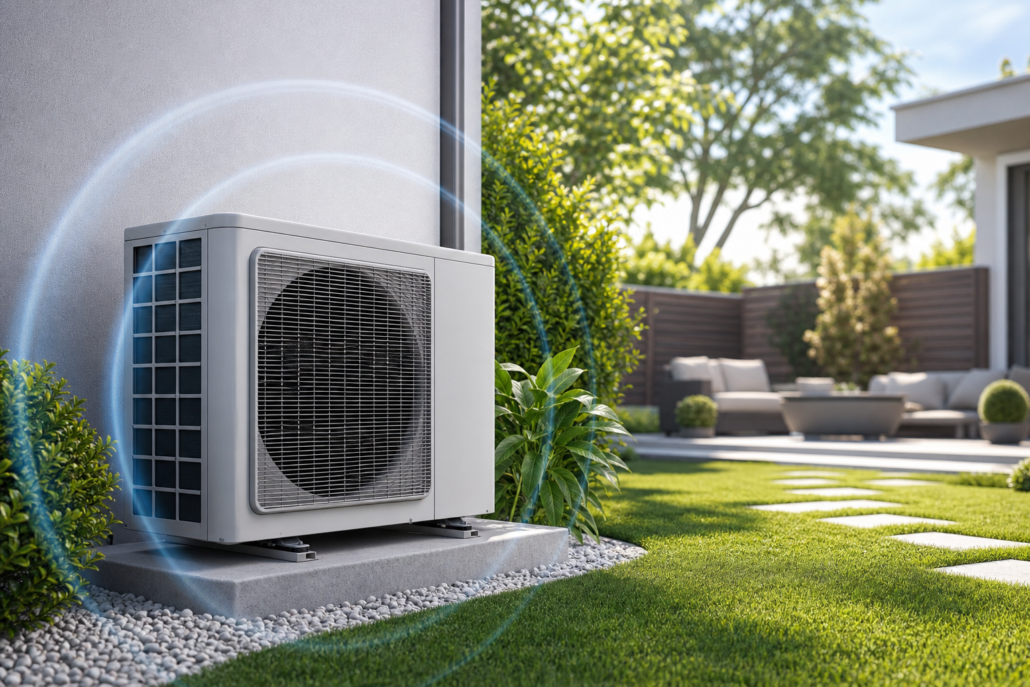
A buzzing sound often indicates an electrical problem, such as a faulty contactor, loose wiring, or a failing capacitor. It could also point to refrigerant issues or loose fan blades hitting something. Rattling, on the other hand, typically suggests loose panels, debris inside the unit (like leaves or twigs), or a fan motor with worn bearings. Sometimes, even the outdoor unit’s base can become loose, causing a noticeable rattle. These sounds are common indicators for initial AC Noise Troubleshooting.
Whistling and Hissing: Airflow AC Noise Troubleshooting
A whistling or hissing sound usually signals an issue with airflow or refrigerant. A dirty air filter is a common cause of whistling, as it restricts airflow and forces air through smaller openings. Leaky ductwork can also produce a whistling sound as air escapes. Hissing often points to a refrigerant leak, which can be a serious problem requiring immediate professional attention. Identifying these sounds quickly is vital for effective AC Noise Troubleshooting.
Grinding and Squealing: Mechanical AC Noise Troubleshooting
Grinding noises are typically a sign of worn-out motor bearings in either the indoor blower fan or the outdoor condenser fan. This indicates a mechanical failure that, if left unaddressed, can lead to the motor seizing completely. Squealing often comes from a worn or loose fan belt in older units, or a failing motor bearing. These sounds suggest significant wear and tear and usually require replacement of the affected components. Prompt AC Noise Troubleshooting can prevent further damage.
Banging and Clicking: Serious AC Noise Troubleshooting Warnings
A sudden loud bang, sometimes referred to as ‘compressor thud,’ can be a sign of a failing compressor or liquid refrigerant entering the compressor. This is a very serious issue that requires immediate professional inspection. Clicking sounds, especially when the unit cycles on and off, might indicate a faulty thermostat, a failing relay, or a problem with the compressor’s start capacitor. Consistent clicking without the unit starting is a clear warning sign for AC Noise Troubleshooting.
Experience Quiet Comfort: Expert AC Noise Troubleshooting with Stream Cold Air Corp
Don’t let a noisy AC disrupt your peace. Our certified technicians provide prompt, reliable AC noise troubleshooting and repair services across Deerfield Beach, FL, ensuring your system runs smoothly and silently.
Safe DIY AC Noise Troubleshooting Steps
Before calling a professional, there are several safe and effective steps you can take for basic AC Noise Troubleshooting. Always prioritize safety by turning off the power to your unit before any inspection or work. These initial checks can often resolve minor issues and save you a service call.
Initial Inspection for AC Noise Troubleshooting
Start by turning off your AC unit at both the thermostat and the circuit breaker. This ensures there is no power to the unit while you are inspecting it. Next, visually inspect the outdoor condenser unit. Look for any loose panels, debris (leaves, twigs, dirt) that might be caught in the fan blades or resting on the coil. Check the indoor air handler for a dirty air filter, which can cause whistling or reduced airflow. Ensure all vents are unobstructed. This simple visual check is a fundamental step in AC Noise Troubleshooting.
Tightening Loose Components and Clearing Debris
Many rattling or buzzing noises come from loose screws or panels. With the power off, gently tighten any visible loose screws on the exterior panels of both the indoor and outdoor units. Carefully remove any debris from around the outdoor fan blades and coils. Be gentle, as fan blades can be delicate. For minor obstructions, a soft brush or vacuum can be effective. This can often resolve superficial noises and is a straightforward aspect of AC Noise Troubleshooting.
Lubricating Moving Parts for Quieter Operation
Some older AC units, particularly those with sleeve bearings in the fan motors, may benefit from lubrication. If your unit’s manual specifies lubrication points, apply a few drops of electric motor oil (non-detergent 10W or 20W) to the ports. Do not over-lubricate. Modern motors often have sealed bearings that do not require lubrication. Always consult your owner’s manual for specific maintenance instructions related to AC Noise Troubleshooting.
Tools for Basic AC Noise Troubleshooting
For basic AC Noise Troubleshooting, you’ll need a few essential tools. A screwdriver set (Phillips and flathead) is crucial for tightening panels. A pair of work gloves can protect your hands from sharp edges. A flashlight is invaluable for inspecting dark areas of the unit. For cleaning, a soft brush or a shop vacuum can help remove debris. Always ensure you have the correct tools before attempting any DIY fixes. 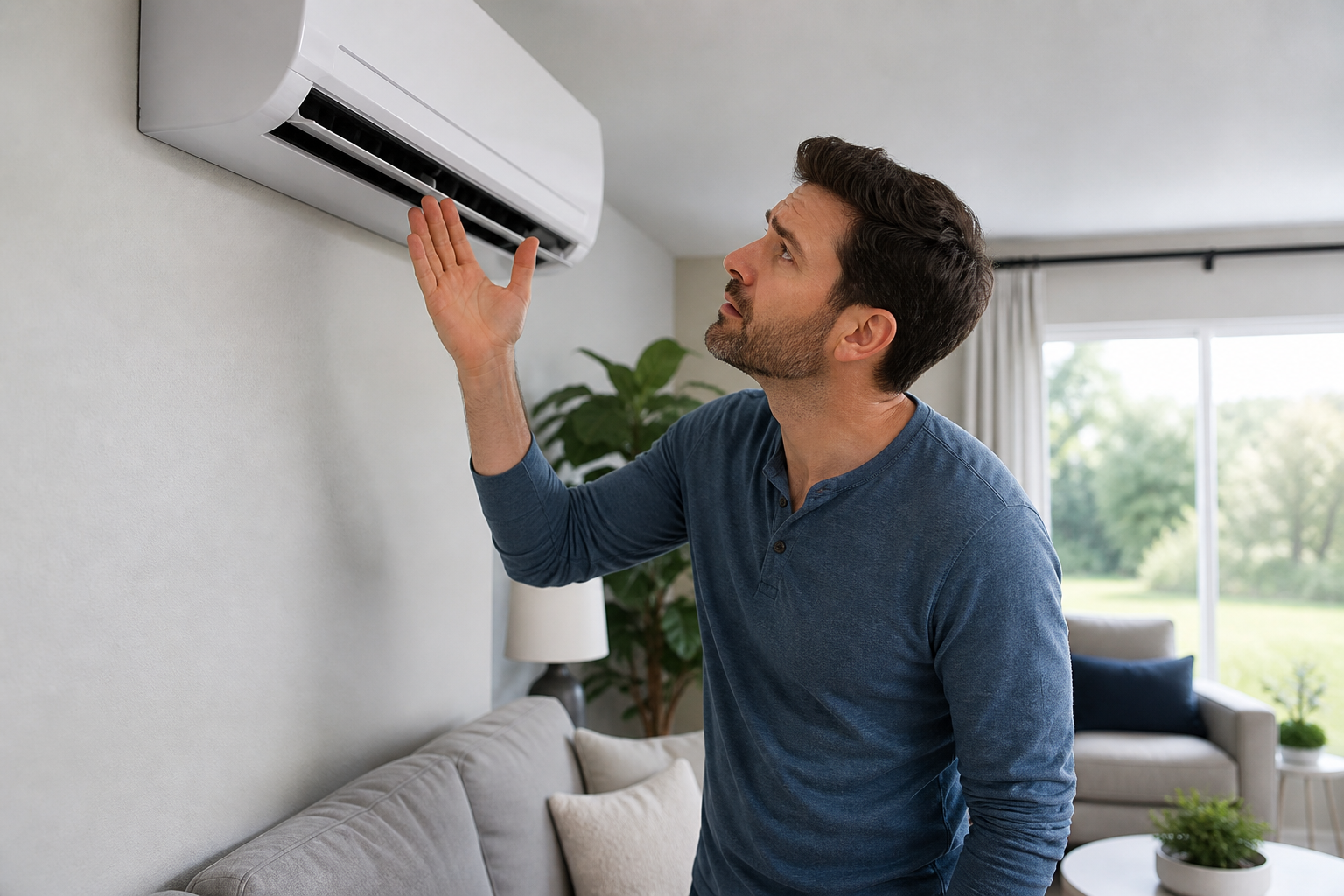
When to Call for Professional AC Noise Troubleshooting
While some AC noises can be resolved with DIY methods, many situations warrant the expertise of a professional HVAC technician. Knowing when to call for help is crucial to prevent further damage, ensure safety, and maintain your system’s warranty. Professional AC Noise Troubleshooting can accurately diagnose complex issues.
Recognizing Serious AC Noise Troubleshooting Situations
If you hear grinding, squealing, or a sudden loud bang, these are strong indicators of serious mechanical problems that require immediate professional attention. Similarly, if you suspect a refrigerant leak (often accompanied by a hissing sound and reduced cooling performance), it’s imperative to call an expert. Refrigerant is a hazardous chemical, and leaks should only be handled by certified technicians. Any persistent, unusual noise that you cannot identify or fix safely should prompt a call for professional AC Noise Troubleshooting.
Finding Reliable AC Noise Troubleshooting Services
When seeking professional help, look for HVAC companies with certified technicians, positive customer reviews, and transparent pricing. In areas like Deerfield Beach, FL, a trusted local provider like Stream Cold Air Corp specializes in comprehensive AC services, including expert AC Noise Troubleshooting. They can offer free estimates for diagnosis and repair, ensuring you understand the problem and the solution before any work begins. For reliable services, always check for proper licensing and insurance.
Booking an Appointment for AC Unit Noise Inspection
Don’t delay scheduling an inspection if your AC unit is making concerning noises. Early intervention can prevent minor issues from escalating into major, expensive repairs. Many companies offer convenient online booking or phone appointments for AC unit noise inspection. Be prepared to describe the sound, when it occurs, and any other symptoms you’ve noticed. This information helps the technician prepare for effective AC Noise Troubleshooting.
Scheduling Emergency AC Noise Repair Service
In some cases, a noisy AC unit might indicate an emergency, especially if it’s accompanied by a complete loss of cooling, burning smells, or electrical issues. If you suspect an emergency, look for HVAC companies that offer 24/7 emergency repair services. Prompt action can protect your home and prevent further system damage. Emergency AC Noise Troubleshooting ensures your comfort and safety are quickly restored. Maintaining your air conditioner regularly can prevent many noise issues.
Getting a Free Estimate for AC Noise Diagnosis and Repair
Many reputable HVAC companies offer free estimates for AC noise diagnosis and repair. This allows you to get a professional assessment of the problem and an understanding of the potential costs without an upfront commitment. Always get estimates in writing and compare services from a few different providers to ensure you’re getting the best value. A detailed estimate is a key part of informed AC Noise Troubleshooting.
Deep Dive into AC Compressor Noise Troubleshooting
The compressor is the heart of your AC system, responsible for circulating refrigerant and facilitating the cooling process. When it starts making unusual noises, it’s a significant cause for concern. Effective AC Noise Troubleshooting for compressor issues requires a deeper understanding of its components and potential failures.
Common Compressor AC Noise Troubleshooting Repairs
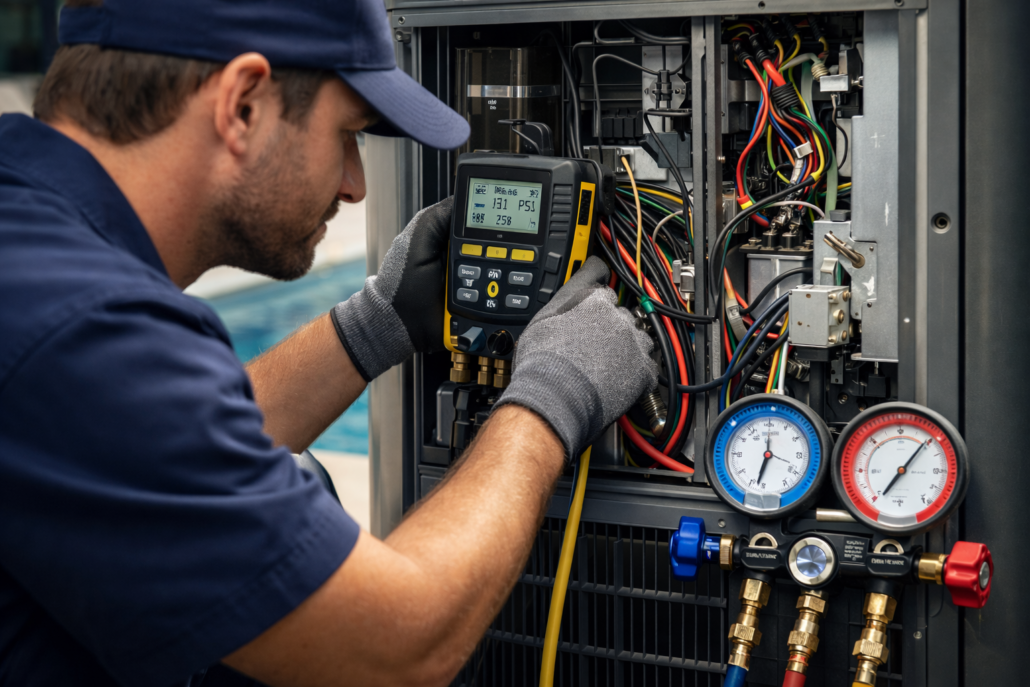
A noisy compressor can stem from several issues. If you hear a buzzing or humming, it might be a faulty start capacitor struggling to kick-start the compressor. Replacing the capacitor is a relatively straightforward repair. Grinding or knocking sounds often indicate internal mechanical failure within the compressor itself, which typically necessitates a full compressor replacement. Refrigerant issues, such as low charge or overcharge, can also cause the compressor to work harder and produce unusual sounds. Addressing these issues is critical for proper AC Noise Troubleshooting.
Addressing Refrigerant-Related Noises
Hissing or gurgling sounds from your AC compressor or refrigerant lines often point to a refrigerant leak or an improper refrigerant charge. A leak not only causes noise but also reduces cooling efficiency and can harm the environment. Only a certified HVAC technician can safely detect and repair refrigerant leaks, and then recharge the system to the correct levels. This specialized aspect of AC Noise Troubleshooting should never be attempted by an untrained individual.
Inspecting Compressor Mounting and Insulation
Sometimes, compressor noise isn’t due to internal failure but rather external factors. Loose mounting bolts or worn isolation grommets can cause the compressor to vibrate excessively, leading to rattling or humming sounds. A technician can inspect these components and replace worn parts to dampen vibrations. Additionally, damaged or insufficient insulation around refrigerant lines can cause gurgling noises as refrigerant flows through. Replacing this insulation is a simple yet effective fix for certain AC Noise Troubleshooting scenarios.
Cost and Parts for AC Noise Troubleshooting Repairs
Understanding the potential costs and necessary replacement parts is an important aspect of AC Noise Troubleshooting. Repair costs can vary widely depending on the severity and nature of the problem.
Estimating AC Noise Troubleshooting Costs
The cost to repair a noisy air conditioner can range from inexpensive to significant. Simple fixes like tightening loose parts or clearing debris might only incur a diagnostic fee, typically $75-$200. Replacing a faulty capacitor might cost $150-$400. More complex repairs, such as replacing a fan motor, can range from $300-$800. A compressor replacement, being one of the most expensive repairs, can cost anywhere from $1,000 to over $2,500. Always get a detailed estimate for AC Noise Troubleshooting.
Essential Replacement Parts for AC Noise Troubleshooting
Common replacement parts for fixing a noisy AC include: fan motors (for both indoor and outdoor units), fan blades, capacitors (start and run), contactors, compressor isolation grommets, and refrigerant line insulation. In cases of severe mechanical failure, the compressor itself may need replacement. Sometimes, the issue might be as simple as a new air filter or sealing leaky ductwork, which doesn’t involve major parts but still requires expert AC Noise Troubleshooting.
Preventative Maintenance to Avoid Future Noise Issues
Regular preventative maintenance is the best way to avoid future AC noise issues and extend the lifespan of your unit. This includes annual professional tune-ups, regular filter changes, keeping the outdoor unit clear of debris, and ensuring proper airflow. Proactive maintenance can identify potential problems before they escalate into noisy and costly repairs. Investing in routine care is a smart strategy for long-term AC Noise Troubleshooting.
Your Path to a Quiet, Comfortable Home
AC Noise Troubleshooting is more than just silencing an annoying sound; it’s about ensuring the longevity, efficiency, and safety of your home’s cooling system. By understanding the different types of noises, performing safe DIY checks, and knowing when to call in the experts, you empower yourself to maintain a peaceful and comfortable living environment. Remember, your AC unit often gives clear signals when something is wrong, and listening to these cues can save you significant time, money, and discomfort. Don’t let a noisy AC disrupt your peace any longer. Take action, whether it’s a simple filter change or scheduling a professional inspection. For reliable and expert AC Noise Troubleshooting in Deerfield Beach, FL, trust the certified technicians at Stream Cold Air Corp to restore your home’s quiet comfort. Schedule your service today and experience the difference of a perfectly functioning, silent AC.
Frequently Asked Questions About AC Noise Troubleshooting
What causes common AC noises like buzzing or rattling?
Buzzing often indicates electrical issues, loose parts, or refrigerant problems, while rattling typically points to loose panels, debris inside the unit, or a failing fan motor. Identifying the specific AC noise troubleshooting helps pinpoint the exact problem.
How can I identify the source of a loud noise from my AC unit?
Safely turn off your AC unit first. Then, visually inspect both the indoor and outdoor units for loose parts, debris, or damaged components. Listen closely when the unit is briefly turned back on to localize the sound. For specific AC noise troubleshooting, consider the type of sound: a squeal often means a failing belt, while grinding suggests motor bearing issues.
Why is my central air conditioner making a whistling sound?
A whistling sound from your central AC often indicates an issue with restricted airflow. This can be caused by a dirty air filter, blocked return vents, leaky ductwork, or an undersized return duct. Addressing these airflow issues is crucial for effective AC noise troubleshooting.
Is a sudden loud bang from my AC unit a serious problem?
Yes, a sudden loud bang, often called ‘compressor thud’ or ‘slugging,’ can be very serious. It might indicate a failing compressor, liquid refrigerant entering the compressor, or even a capacitor issue. Immediate professional AC noise troubleshooting is highly recommended to prevent further damage.
What are the steps to safely troubleshoot AC noise at home?
Always begin by shutting off power to the AC unit at the thermostat and circuit breaker. Next, inspect the outdoor unit for debris and loose panels, and check the indoor unit for dirty filters or blockages. For more complex AC noise troubleshooting, such as motor issues, it’s best to consult a professional.
When should I call a professional HVAC technician for AC noise?
You should call a professional HVAC technician for AC noise when you can’t identify the source, the noise is severe (like banging or grinding), or if you suspect electrical or refrigerant issues. Any persistent unusual sound warrants expert AC noise troubleshooting to prevent costly breakdowns.
How much does it cost to repair a noisy air conditioner?
The cost to repair a noisy air conditioner varies greatly depending on the underlying issue. Simple fixes like tightening loose parts or clearing debris might be inexpensive, while more complex repairs like compressor or fan motor replacements can range from a few hundred to over a thousand dollars. A diagnostic visit for AC noise troubleshooting typically has a base fee.
What are the typical repairs for a noisy AC compressor?
Typical repairs for a noisy AC compressor can include replacing faulty start capacitors, addressing refrigerant issues (low charge or overcharge), lubricating worn bearings, or tightening mounting bolts. In severe cases, especially if the compressor is failing mechanically, a full compressor replacement may be necessary for effective AC noise troubleshooting.
What replacement parts might be needed to fix a noisy AC?
Common replacement parts for fixing a noisy AC include fan motors (for outdoor and indoor units), fan blades, capacitors, contactors, compressor isolation grommets, refrigerant line insulation, and sometimes even the compressor itself for advanced AC noise troubleshooting. Debris removal or duct sealing can also resolve noise without parts.