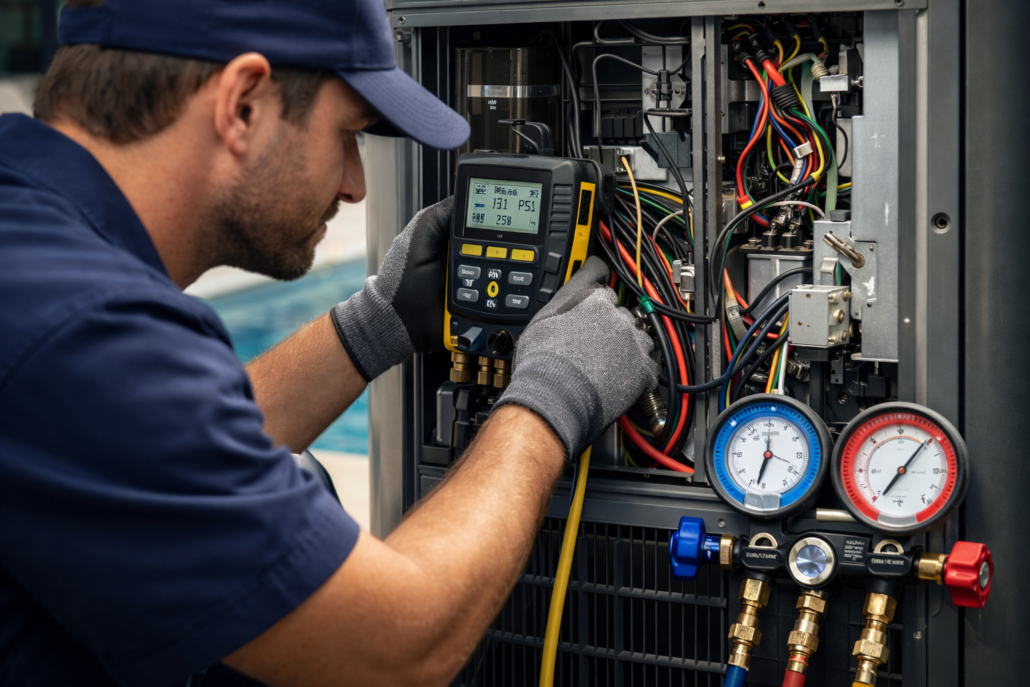

AC diagnostic tips are invaluable for maintaining a comfortable home and extending the lifespan of your HVAC system. Understanding how to identify common issues can save you time, money, and discomfort, especially when unexpected problems arise. This guide provides 8 essential steps for brilliant troubleshooting, empowering you to address minor glitches and recognize when professional intervention is necessary. We aim to equip you with the knowledge to keep your air conditioning running efficiently.
Key Takeaways
- Learn fundamental AC diagnostic tips to identify common HVAC problems quickly and effectively.
- Discover 8 essential steps for troubleshooting your AC unit, from basic checks to more complex assessments.
- Understand when a DIY approach is appropriate and when it’s crucial to call a certified HVAC professional.
- Gain insights into specific issues like warm air, strange noises, and freezing units, with practical solutions.
Understanding the Basics of AC Diagnostic Tips
Before diving into specific troubleshooting, it’s vital to grasp how your AC system works. A basic understanding of its components—thermostat, air handler, condenser, and refrigerant lines—will make any diagnostic process much clearer. Your air conditioner cools your home by moving heat from inside to outside, a process that relies on these parts working in harmony.
Regular maintenance is the first line of defense against major breakdowns. Simple checks can prevent complex issues. Knowing what to look for and listen for can help you catch problems early, often before they escalate into costly repairs. These initial observations are key to effective AC diagnostic tips.
Common DIY AC Diagnostic Tips
Many AC problems can be identified and sometimes resolved by homeowners. These include issues with air filters, drain lines, and thermostat settings. Addressing these common culprits first can save you the expense of a service call. Always ensure your thermostat is set to
Need Expert AC Diagnostic Tips in Deerfield Beach?
Stream Cold Air Corp provides authoritative and honest assessments for all your HVAC needs. Trust our certified technicians to quickly identify and resolve your AC issues with transparent pricing.
What are the most common AC problems I can diagnose myself?
Common DIY diagnosable AC problems include dirty air filters, clogged drain lines, thermostat malfunctions, and minor fan issues. Checking these first can often resolve simple cooling problems.
How do I diagnose why my car AC is not cooling effectively?
For car AC, check the refrigerant levels with a gauge, inspect the condenser for debris, and listen for compressor engagement. A professional might be needed for more complex issues.
Why is my home AC unit making a strange noise?
Strange noises can indicate various issues: hissing from refrigerant leaks, grinding from motor bearings, buzzing from electrical problems, or rattling from loose components. Identifying the noise type helps pinpoint the problem.
What basic tools are essential for AC diagnostic checks?
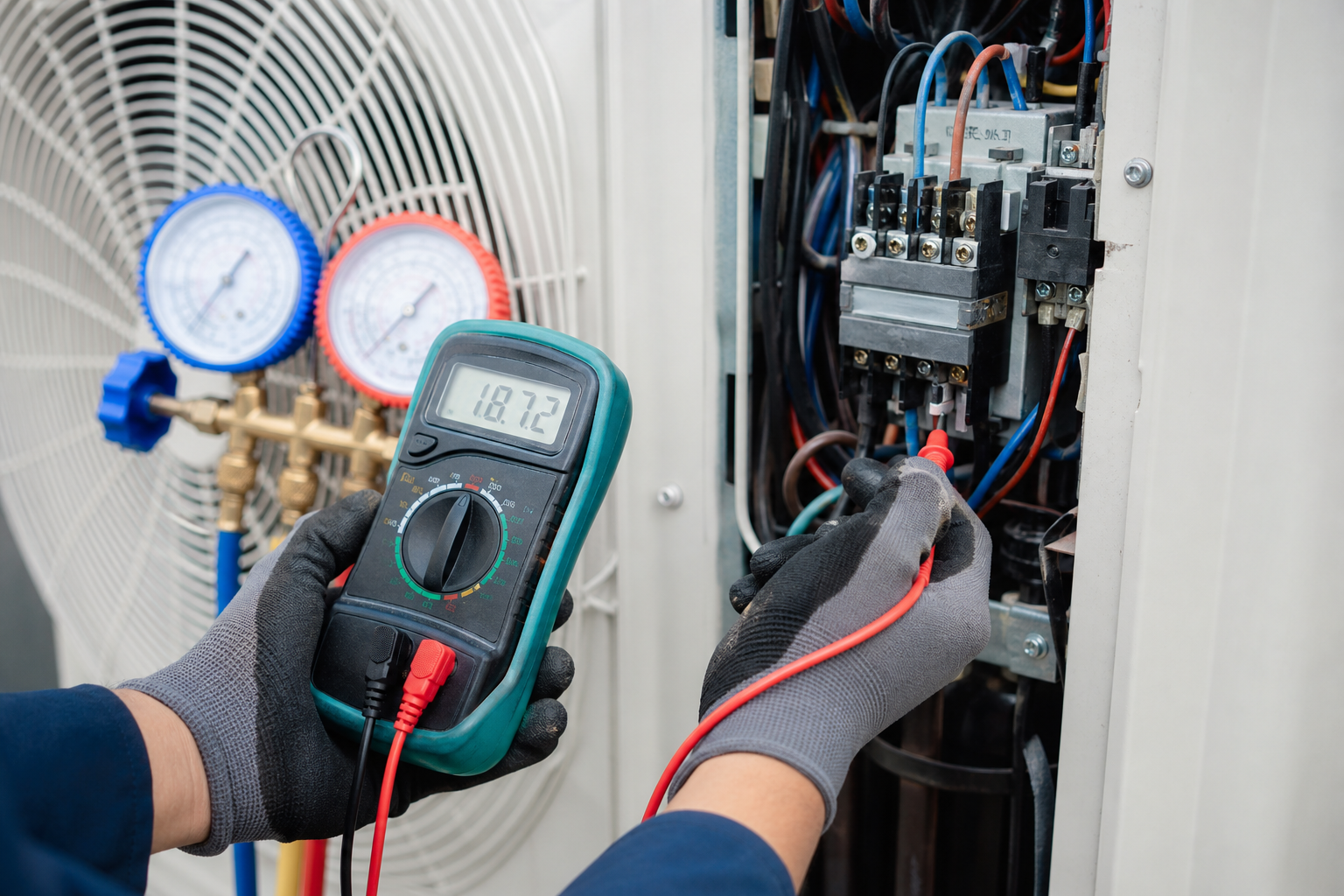
Essential tools include a multimeter for electrical checks, a non-contact thermometer to measure airflow temperature, a screwdriver set, and potentially an AC pressure gauge kit for refrigerant levels.
When should I call a professional for AC system diagnosis?
Call a professional when you encounter complex electrical problems, persistent refrigerant leaks, major component failures, or if your DIY troubleshooting efforts don’t resolve the issue. Safety is paramount.
Where can I find reliable AC diagnostic services near me?
For reliable AC diagnostic services in Deerfield Beach, FL, contact Stream Cold Air Corp. They offer expert diagnostics and repairs for all major HVAC brands.
How much does a professional AC diagnostic service typically cost?
The cost of a professional AC diagnostic service varies by location and company, but it typically ranges from $75 to $200. This fee often gets credited towards any subsequent repairs.
What are the symptoms of a low refrigerant level in an AC unit?
Symptoms of low refrigerant include warm air blowing from vents, the AC running constantly without cooling, ice forming on the refrigerant lines, and a hissing or bubbling sound.
Can I use an automotive AC diagnostic kit to find a leak?
Automotive AC diagnostic kits can help identify large leaks by checking pressure, but they are not typically designed for home AC systems. Professional leak detection for residential units uses specialized tools and expertise.
Who provides emergency AC diagnostic and repair services?
Many HVAC companies, including Stream Cold Air Corp, offer emergency AC diagnostic and repair services to address critical system failures outside of regular business hours.
What does an AC pressure gauge reading indicate during diagnosis?
AC pressure gauge readings indicate the refrigerant levels and system performance. Low pressure can mean a leak, while high pressure can suggest an overcharge or system blockage.
How do I troubleshoot an AC unit that blows warm air?
If your AC blows warm air, check the thermostat settings, ensure the outdoor unit is clean and unobstructed, replace dirty air filters, and inspect for frozen evaporator coils.
Why is my outdoor AC unit freezing up and how to fix it?
An outdoor AC unit freezes up due to low refrigerant, restricted airflow (dirty filter or coil), or a malfunctioning blower fan. Fixing it involves addressing the root cause, such as cleaning, recharging, or repair.
What are common electrical issues in AC units and how to diagnose them?
Common electrical issues include faulty capacitors, tripped breakers, worn wiring, and malfunctioning contactors. Diagnosing these requires a multimeter and safety precautions, often best handled by a professional.
Are there online resources for DIY AC diagnostic guides and tutorials?
Yes, many reputable HVAC manufacturer websites, home improvement blogs, and video platforms offer detailed DIY AC diagnostic guides and tutorials for common issues.
Learn more from authoritative resources: Consumer Reports and HGTV.