HVAC Energy Audit: 10 Powerful Ways to Slash Your Bills
An HVAC Energy Audit is your ultimate tool for understanding and optimizing your home or business’s heating, ventilation, and air conditioning system. It’s more than just a routine check; it’s a deep dive into how your HVAC system interacts with your property’s overall energy consumption. For those seeking to dramatically reduce utility expenses and enhance indoor comfort, a professional audit provides the insights needed to make powerful, informed decisions.
In this comprehensive guide, we will explore the critical aspects of an HVAC energy audit, detailing what it measures, why it’s essential, and how it can lead to significant savings. We’ll demystify the process, discuss the cutting-edge equipment used, and outline the long-term benefits of investing in this crucial assessment. Consider this your definitive resource for unlocking superior energy efficiency and a more comfortable living or working environment.
Key Takeaways
- Discover how a thorough HVAC Energy Audit pinpoints hidden inefficiencies, leading to substantial reductions in your monthly energy bills.
- Understand the various components measured during an audit, from ductwork integrity to insulation effectiveness, ensuring a holistic view of your system’s performance.
- Learn why a certified professional is indispensable for an accurate assessment and how their expertise translates into actionable, money-saving recommendations.
- Explore the long-term advantages of implementing audit recommendations, including improved comfort, extended equipment lifespan, and increased property value.
What is an HVAC Energy Audit and What Does It Measure?
An HVAC Energy Audit is a systematic evaluation of your heating, ventilation, and air conditioning system’s performance and its impact on your property’s overall energy consumption. It goes beyond a basic tune-up, delving into the intricate details of how efficiently your system operates and where energy might be escaping. The goal is to identify specific areas of waste and inefficiency that contribute to high utility bills and inconsistent indoor temperatures.
During an audit, trained professionals meticulously inspect various components, assessing their condition, age, and operational effectiveness. This comprehensive approach ensures that no potential energy drain goes unnoticed. Understanding what an audit measures is the first step toward achieving a truly energy-efficient home or business.
Key Measurements in an HVAC Energy Audit
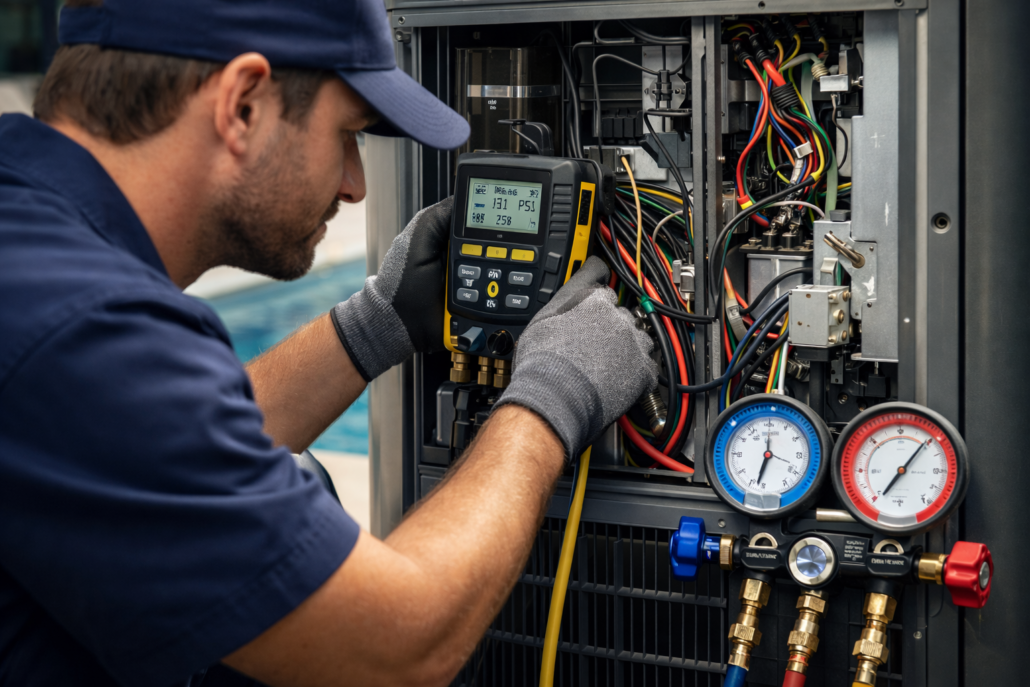
A thorough HVAC Energy Audit involves several critical measurements and inspections. Auditors will examine your HVAC unit’s age and condition, checking refrigerant levels, coil cleanliness, and filter status. They also assess the integrity of your ductwork, looking for leaks, poor insulation, or blockages that can lead to significant energy loss. Furthermore, insulation levels in attics, walls, and crawl spaces are evaluated, as these play a crucial role in maintaining indoor temperatures.
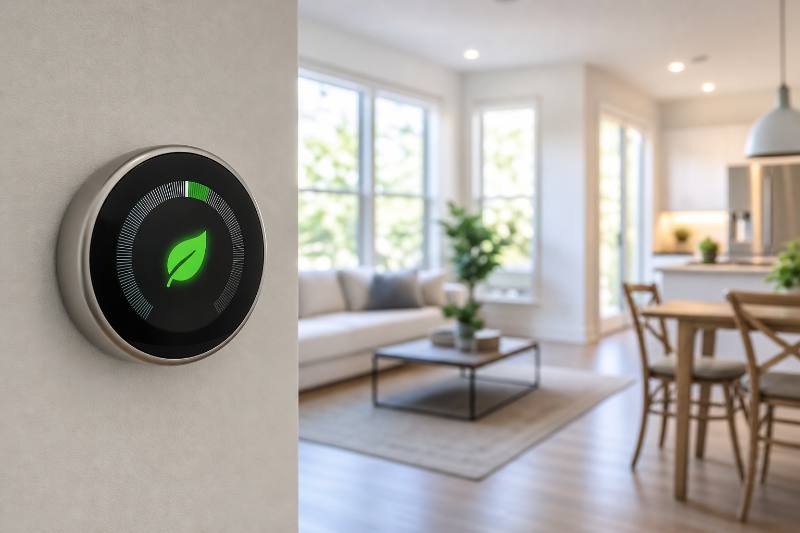
Thermostat calibration and placement are also reviewed to ensure accurate temperature control. Air leakage points around windows, doors, and other penetrations in the building envelope are identified using specialized tools. These detailed measurements provide a complete picture of your property’s energy performance and pinpoint exactly where improvements are needed.
Why a Professional HVAC Energy Audit is Essential
Investing in a professional HVAC Energy Audit is a proactive step towards significant savings and enhanced comfort. Many property owners are unaware of the hidden inefficiencies lurking within their HVAC systems and building structures. These issues silently drive up energy bills, create uncomfortable hot and cold spots, and can even shorten the lifespan of expensive equipment. An audit brings these problems to light, providing a clear roadmap for resolution.
For both homes and businesses, the benefits extend beyond just cost reduction. Improved indoor air quality, a smaller carbon footprint, and a more consistent, comfortable environment are all direct results of addressing the findings of an energy audit. It’s an investment that typically pays for itself through reduced operational costs.
Long-Term Savings with an HVAC Energy Audit
How can an HVAC Energy Audit help you save money on energy bills? By identifying precisely where energy is being wasted, the audit enables targeted improvements. For instance, sealing leaky ducts can prevent conditioned air from escaping into unconditioned spaces, reducing the workload on your HVAC system. Upgrading insulation or sealing air leaks around windows and doors minimizes heat transfer, meaning your system doesn’t have to work as hard to maintain desired temperatures.
These recommendations lead to a direct reduction in energy consumption, translating into lower monthly utility bills. Over time, these savings accumulate, often outweighing the initial cost of the audit and any subsequent upgrades. Moreover, a more efficient system experiences less wear and tear, reducing the frequency and cost of repairs and extending its operational life.
The Comprehensive HVAC Energy Audit Process
Understanding the process of an HVAC Energy Audit from start to finish can help you prepare and maximize its benefits. The audit typically begins with an initial consultation where the auditor discusses your energy concerns, existing utility bills, and any comfort issues you’ve experienced. This helps tailor the assessment to your specific needs and identify potential problem areas from the outset.
Following the consultation, the hands-on diagnostic phase begins. This involves a series of tests and inspections designed to uncover inefficiencies that are not visible to the naked eye. The entire process is thorough and designed to provide a complete picture of your energy usage.
Advanced Tools for an HVAC Energy Audit
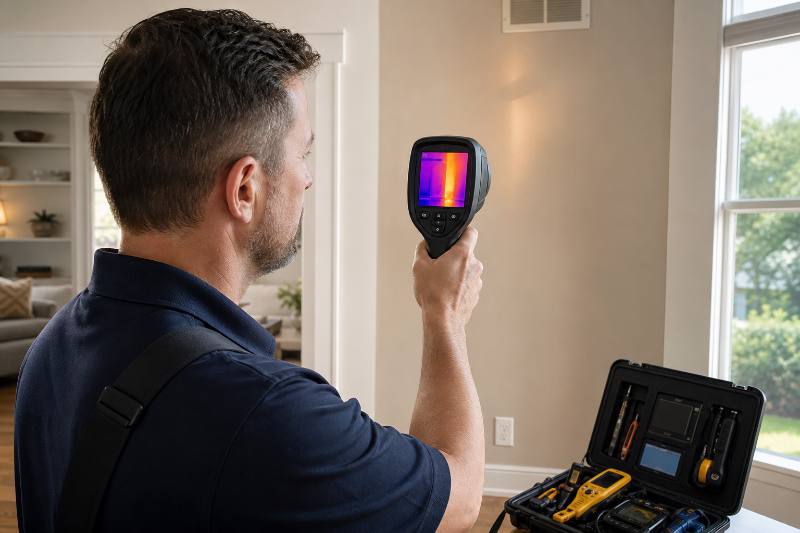
What kind of equipment is used during an HVAC Energy Audit? Professionals utilize a range of specialized tools to perform a comprehensive assessment. A blower door test, for example, is used to depressurize a building and locate air leaks in the building envelope. Infrared cameras (thermography) help identify insulation gaps, thermal bridges, and areas of moisture intrusion by visualizing temperature differences.
Duct blaster tests measure the airtightness of duct systems, while combustion analyzers assess the efficiency and safety of heating equipment. These advanced tools allow auditors to precisely quantify energy losses and provide data-driven recommendations. For more information on home energy assessments, you can refer to resources like the U.S. Department of Energy’s guide on home energy audits.
How long does a comprehensive HVAC Energy Audit usually take? The duration can vary based on the size and complexity of your property. For a typical residential home, an audit might take anywhere from 2 to 4 hours. Larger commercial properties or those with multiple HVAC systems could require a full day or even multiple days for a complete assessment. The time invested ensures a detailed and accurate report.
After the diagnostic phase, the auditor compiles a detailed report outlining their findings. This report typically includes a prioritized list of recommended improvements, estimated costs for each, and projected energy savings. It’s a crucial document that empowers you to make informed decisions about energy upgrades.
Ready to Slash Bills with an HVAC Energy Audit from Stream Cold Air Corp?
Our expert technicians perform thorough HVAC energy audits, identifying hidden inefficiencies to optimize your system and ensure lasting comfort and savings for your Deerfield Beach property.
Maximizing Savings with Your HVAC Energy Audit
The true value of an HVAC Energy Audit lies in the actionable recommendations it provides. Once you receive your detailed report, the next steps are crucial for realizing the full potential of energy savings. It’s not enough to simply know where the problems are; implementing the suggested improvements is what ultimately slashes your bills and enhances your comfort.
What are the recommended next steps after receiving an HVAC Energy Audit report? First, carefully review the report with your auditor to ensure you understand all findings and recommendations. Prioritize improvements based on cost-effectiveness and potential energy savings. Some recommendations, like sealing air leaks or improving insulation, might be DIY-friendly, while others, such as duct repair or HVAC system upgrades, will require professional assistance.
Government Incentives for an HVAC Energy Audit
Are there any government rebates or incentives for getting an HVAC Energy Audit? Yes, many federal, state, and local governments, as well as utility companies, offer programs to encourage energy efficiency improvements. These can include tax credits, rebates for specific upgrades (like high-efficiency HVAC systems or insulation), or even low-interest loans for energy-saving projects. It’s always advisable to research available incentives in your area before undertaking major renovations, as they can significantly offset the cost of improvements.
Is an HVAC Energy Audit Worth It for Older Homes?
Yes, an HVAC Energy Audit is often even more valuable for older homes. Older properties typically have less efficient insulation, outdated windows, and aging HVAC systems, leading to substantial energy loss. An audit can identify cost-effective upgrades that dramatically improve efficiency, comfort, and reduce energy bills, often with a quick return on investment. The potential for savings in an older home is usually much higher compared to a newer, more energy-efficient build.
Selecting Your HVAC Energy Audit Expert
The success of your energy-saving efforts hinges on the quality of your HVAC Energy Audit. Choosing the right professional is paramount to ensure an accurate assessment and reliable recommendations. An unqualified auditor might miss critical issues or provide ineffective advice, leading to continued energy waste and frustration.
Who performs an HVAC Energy Audit and what qualifications should they have? Audits should be performed by certified HVAC technicians or energy auditors. Look for professionals with certifications from reputable organizations like the Building Performance Institute (BPI) or who are licensed and insured HVAC contractors. These certifications indicate a deep understanding of building science, HVAC systems, and diagnostic tools, ensuring a thorough and accurate evaluation.
Where can I find certified HVAC Energy Audit providers near me? You can start by contacting reputable local HVAC companies, such as Stream Cold Air Corp in Deerfield Beach, FL. Online directories for certified energy auditors, your local utility company, or professional organizations like BPI can also provide listings of qualified professionals in your area. Always check reviews and ask for references to ensure you’re choosing a trusted expert.
How do I schedule an HVAC Energy Audit with a local provider? The process is typically straightforward. Most companies offer online scheduling or a dedicated phone line for appointments. Be prepared to discuss your property’s size, age, and any specific concerns you have regarding energy consumption or comfort. A good provider will guide you through the booking process and explain what to expect on the day of the audit.
Your Path to Ultimate Energy Efficiency
An HVAC Energy Audit is a powerful investment in your property’s future, offering a clear path to reduced energy bills, enhanced comfort, and a more sustainable lifestyle. By meticulously assessing your HVAC system and building envelope, these audits uncover hidden inefficiencies and provide actionable strategies for improvement. The long-term benefits, including consistent savings, improved indoor air quality, and extended equipment life, make it an invaluable service for any homeowner or business.
Don’t let hidden energy waste continue to drain your finances. Take control of your energy consumption by scheduling a professional HVAC Energy Audit today. Partner with certified experts who can provide the insights and solutions you need to transform your property into an energy-efficient haven. Your journey towards ultimate comfort and significant savings begins now.
Frequently Asked Questions About HVAC Energy Audits
What is an HVAC energy audit and what does it measure?
An HVAC energy audit is a comprehensive assessment of your heating, ventilation, and air conditioning system’s performance and efficiency. It measures various factors such as system age, refrigerant levels, ductwork integrity, insulation effectiveness, thermostat accuracy, and air leakage to identify areas of energy waste and inefficiency. The goal is to pinpoint how your HVAC system impacts your home’s overall energy consumption.
Why should I get an HVAC energy audit for my home or business?
Getting an HVAC energy audit is crucial for reducing high utility bills, improving indoor comfort, and extending the lifespan of your HVAC equipment. It helps identify hidden problems like leaky ducts, inefficient insulation, or an improperly sized system that lead to wasted energy and discomfort. For businesses, it translates into significant operational cost savings and a more comfortable environment for employees and customers.
How much does an HVAC energy audit typically cost?
The cost of an HVAC energy audit can vary widely depending on the size of your property, the complexity of your HVAC system, and the depth of the assessment. Basic audits might range from $150 to $300, while more comprehensive evaluations using specialized equipment could cost $400 to $700 or more. Consider it an investment that typically pays for itself through substantial energy savings.
What specific issues does an HVAC energy audit identify?
An HVAC energy audit can uncover a range of issues, including refrigerant leaks, clogged air filters, malfunctioning thermostats, improperly sealed or insulated ductwork, an incorrectly sized HVAC unit, worn-out components, and inadequate insulation in your attic or walls. It also assesses air leaks around windows and doors that impact your system’s efficiency.
Who performs an HVAC energy audit and what qualifications should they have?
HVAC energy audits should be performed by certified HVAC technicians or energy auditors. Look for professionals with certifications from organizations like the Building Performance Institute (BPI) or who are licensed and insured HVAC contractors. They should have extensive knowledge of building science, HVAC systems, and diagnostic tools to provide an accurate and effective assessment.
How can an HVAC energy audit help me save money on energy bills?
An HVAC energy audit helps save money by pinpointing exactly where your energy is being wasted. By addressing issues like leaky ducts, poor insulation, or an inefficient system, you can significantly reduce the amount of energy required to heat and cool your property. This leads to lower monthly utility bills and often qualifies for rebates or incentives from energy providers.
Where can I find certified HVAC energy auditors near me?
You can find certified HVAC energy auditors near you by contacting reputable local HVAC companies like Stream Cold Air Corp in Deerfield Beach, FL. You can also search online directories for certified energy auditors, check with your local utility company for recommended providers, or consult professional organizations like the Building Performance Institute (BPI) for their member listings.
What is the process of an HVAC energy audit from start to finish?
The process typically begins with an initial consultation and visual inspection. Then, technicians use diagnostic tools like blower door tests to detect air leaks, infrared cameras to identify insulation gaps, and combustion analyzers for heating systems. They also check refrigerant levels and ductwork. Finally, you receive a detailed report with findings and recommendations for improvements.
Is an HVAC energy audit really worth the investment for an older home?
Yes, an HVAC energy audit is often even more valuable for older homes. Older homes typically have less efficient insulation, outdated windows, and aging HVAC systems, leading to significant energy loss. An audit can identify cost-effective upgrades that dramatically improve efficiency, comfort, and reduce energy bills, often with a quick return on investment.
What are the long-term benefits of implementing recommendations from an HVAC energy audit?
Implementing recommendations from an HVAC energy audit provides numerous long-term benefits, including consistently lower energy bills, enhanced indoor comfort with fewer hot or cold spots, improved indoor air quality, reduced strain on your HVAC system leading to fewer repairs and a longer lifespan, and an increased property value due to higher energy efficiency.