
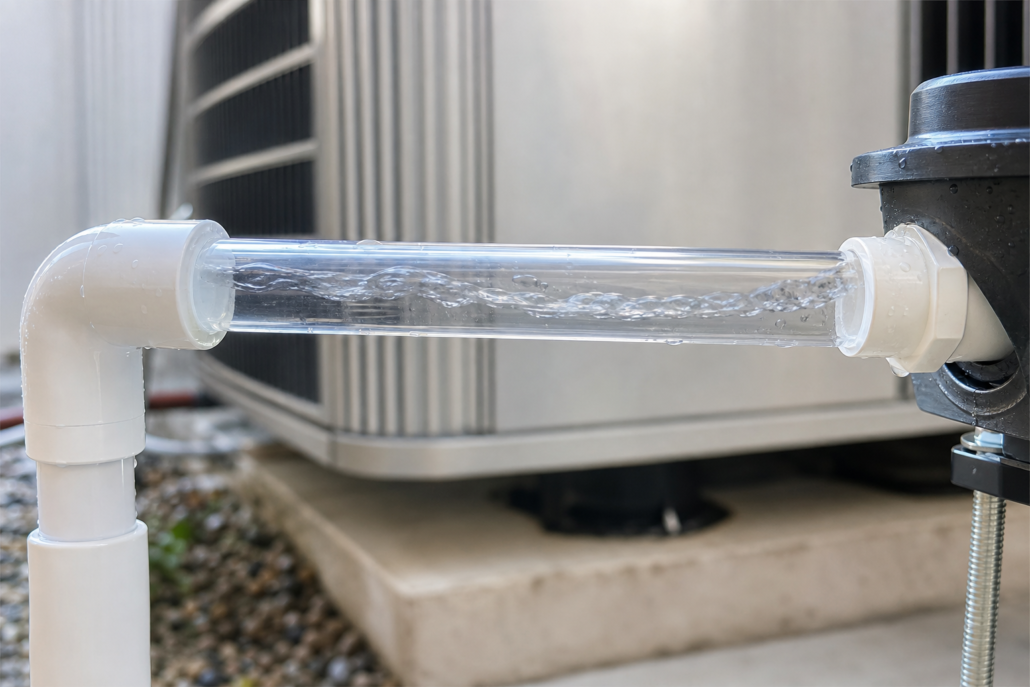
AC Drain Line Flush is a critical maintenance task often overlooked, yet it stands as your ultimate defense against costly HVAC repairs and potential water damage. Your air conditioning system, while providing cool comfort, also produces a significant amount of condensation. This water needs a clear path to drain away, and that path is the AC drain line. Over time, this line can become a breeding ground for algae, mold, and sludge, leading to blockages that compromise your entire system.
Ignoring the need for an AC drain line flush can lead to a cascade of problems, from reduced cooling efficiency and unpleasant odors to complete system shutdowns and extensive water damage to your home’s interior. This comprehensive guide will walk you through the essential steps to maintain a clear and functional drain line, ensuring your AC unit operates smoothly and efficiently for years to come.
By understanding the importance of this simple procedure, you can proactively prevent major headaches and safeguard your investment.
Key Takeaways
- Discover why a regular AC Drain Line Flush is non-negotiable for preventing costly HVAC repairs and water damage.
- Learn to identify the subtle yet critical signs that indicate your AC drain line is clogged and needs immediate attention.
- Master the 7 ultimate steps for performing an effective DIY AC Drain Line Flush, using common household items.
- Understand the benefits of a clean drain line, including improved air quality, enhanced system efficiency, and extended unit lifespan.
- Know when to call a professional for an AC Drain Line Flush and what to expect from expert service.
What is an AC Drain Line Flush and Why is it Essential?
An AC Drain Line Flush involves clearing the condensate drain line of any obstructions that prevent the proper flow of water. As your air conditioner cools your home, it removes humidity from the air, which condenses into water. This water collects in a drain pan and then flows out through the condensate drain line, typically a PVC pipe, to the exterior of your home.
Over time, this moist, dark environment becomes an ideal breeding ground for mold, algae, and bacteria, leading to sludge buildup.
If you don’t flush your AC drain line regularly, this sludge can accumulate and eventually block the pipe. A clogged drain line means the condensate has nowhere to go. It will back up into the drain pan, which can then overflow. This overflow can cause significant water damage to your ceilings, walls, flooring, and even the electrical components of your HVAC system, leading to expensive repairs.
Beyond physical damage, a blocked line can also lead to musty odors and reduced cooling efficiency, making an AC Drain Line Flush a preventative measure for both your home and your wallet.
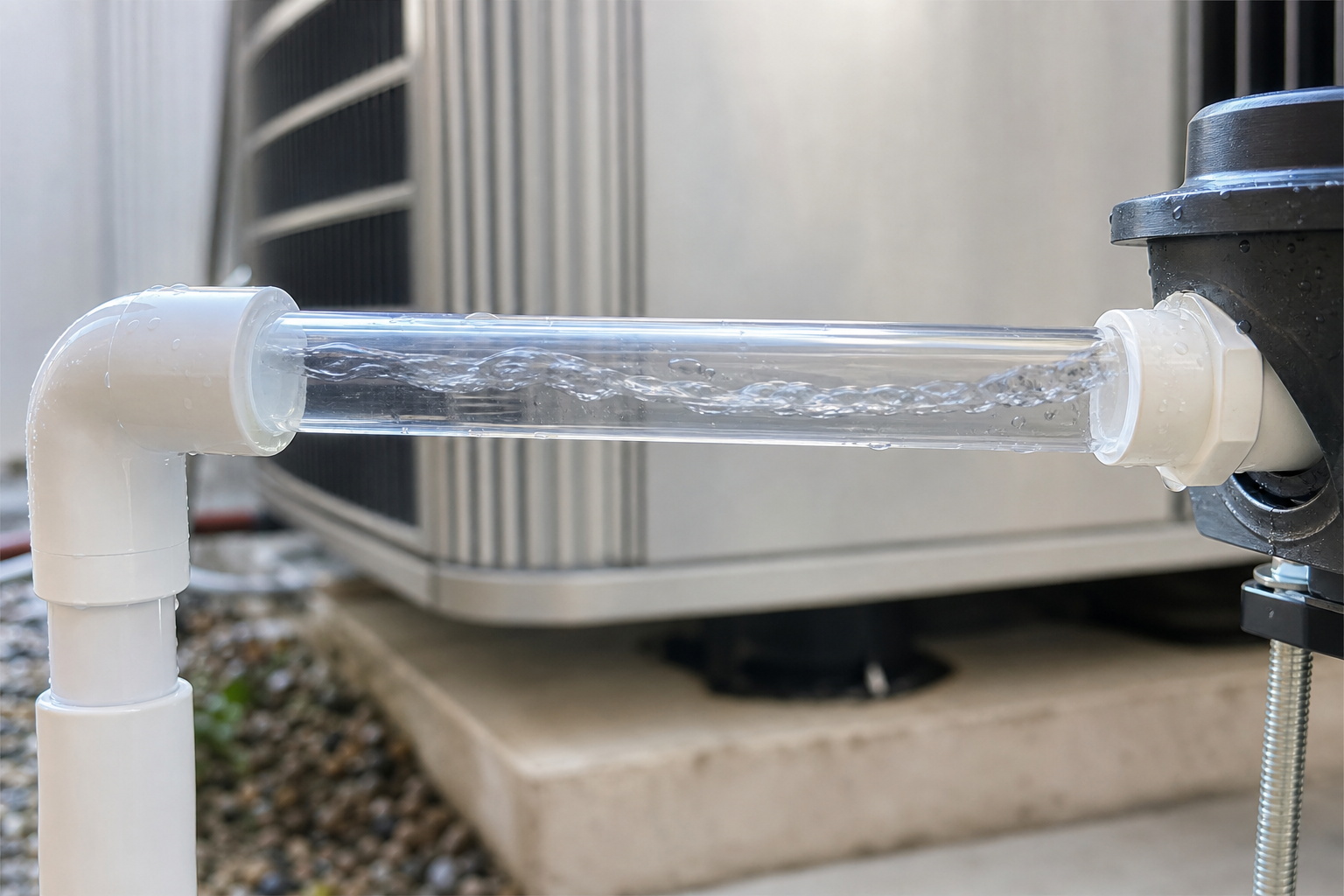
Understanding the Condensate Process and Your AC Drain Line Flush
The condensate drain line is a vital, yet often overlooked, component of your air conditioning system. Its primary function is to safely channel away the moisture extracted from your indoor air. When this process is interrupted by blockages, the entire system suffers. A proper AC Drain Line Flush ensures that this critical pathway remains clear, allowing your unit to manage humidity effectively and maintain optimal performance. Without it, your AC struggles, consuming more energy to achieve the desired temperature.
The Dangers of Neglecting Your AC Drain Line Flush
Neglecting a regular AC Drain Line Flush can lead to severe consequences. Beyond the immediate threat of water damage, persistent moisture buildup can foster mold and mildew growth within your HVAC system and ductwork. This not only degrades indoor air quality, potentially triggering allergies and respiratory issues, but also creates a breeding ground for bacteria. Furthermore, the excess moisture can corrode internal components of your AC unit, shortening its lifespan and necessitating premature replacements.
A simple flush can avert these significant problems.
Recognizing the Signs: When Your AC Drain Line Flush is Overdue
Being aware of the warning signs of a clogged drain line can save you from major headaches and costly repairs. Your AC system often provides clear indicators when an AC Drain Line Flush is urgently needed. Paying attention to these signals will allow you to address the issue promptly, preventing further damage and maintaining your system’s efficiency. Early detection is key to simple, inexpensive solutions.
Common Indicators of a Clogged AC Drain Line Flush
One of the most obvious signs is water pooling around the indoor unit or in the emergency drain pan. If you notice water stains on your ceiling or walls near the AC, it’s a strong indication of an overflow. A musty or moldy odor emanating from your vents is another common symptom, signaling bacterial or fungal growth within the damp drain line.
Additionally, if your AC unit frequently cycles on and off, or completely shuts down, it might be due to a safety switch activating to prevent water damage from a blocked drain. These are all clear calls for an AC Drain Line Flush.
Preventing Emergency AC Drain Line Flush Situations
Proactive monitoring and maintenance are crucial to prevent your AC drain line from becoming a critical issue. Regularly checking the area around your indoor unit for any signs of moisture or unusual smells can help you catch problems early. Consider setting a reminder for seasonal inspections, especially before the peak cooling season. Addressing minor blockages with a simple AC Drain Line Flush before they escalate into full-blown clogs can save you from emergency service calls and extensive repairs.
Your DIY AC Drain Line Flush: 7 Essential Steps
Performing a DIY AC Drain Line Flush is a straightforward process that most homeowners can manage with basic tools and household items. This preventative maintenance can significantly extend the life of your AC unit and prevent inconvenient breakdowns. Always prioritize safety by turning off the power to your AC unit before you begin any work. This ensures there are no electrical hazards during the cleaning process.
Step-by-Step Guide to an Effective AC Drain Line Flush
- Turn Off Power: Locate your thermostat and set your AC to
Prevent Costly Clogs with a Professional AC Drain Line Flush
Stream Cold Air Corp offers expert AC drain line flush services in Deerfield Beach, ensuring your system runs efficiently and prevents water damage.
AC Drain Line Flush FAQs
What is an AC drain line flush and why is it needed?
An AC drain line flush involves cleaning the condensate drain line to remove algae, mold, and sludge that can accumulate and cause blockages. This process is crucial because a clogged drain line can lead to water backup, system malfunctions, and potential water damage to your home or HVAC unit. Regular flushing ensures proper drainage of condensation, maintaining your AC’s efficiency and preventing costly repairs.
How often should you flush your AC drain line?
It is generally recommended to perform an AC drain line flush at least once or twice a year, typically during your routine AC maintenance checks. In humid climates like Deerfield Beach, Florida, or if your system runs frequently, more frequent flushing might be necessary to prevent buildup and maintain optimal performance.
What are the signs of a clogged AC drain line?
Key signs of a clogged AC drain line include water pooling around your indoor unit, a musty odor near the AC system, the AC unit turning off prematurely, or the emergency drain pan filling up. These indicators suggest that the condensate isn’t draining properly and requires immediate attention to avoid further issues.
How do you perform a DIY AC drain line flush?
To perform a DIY AC drain line flush, first turn off your AC unit. Locate the condensate drain line access point, usually a PVC pipe near your indoor unit. Pour a mixture of diluted bleach (1/4 cup bleach to 3/4 cup water) or distilled white vinegar (undiluted) slowly into the access point. Wait about 30 minutes, then flush with a cup of plain water. Always consult your AC manual or a professional if unsure.
What household chemicals can be used to flush an AC drain line?
Common household chemicals safe for an AC drain line flush include a diluted bleach solution (1 part bleach to 3 parts water) or undiluted distilled white vinegar. These substances are effective at killing mold, algae, and bacteria without damaging the PVC pipes. Avoid harsh chemical drain cleaners, as they can corrode your system components.
Can a clogged AC drain line cause water damage?
Yes, a clogged AC drain line can absolutely cause significant water damage. When the drain line is blocked, the condensate has nowhere to go and will back up, overflowing from the drain pan. This water can damage ceilings, walls, flooring, and even electrical components within your HVAC system, leading to expensive repairs.
What are the benefits of a clean AC drain line?
Maintaining a clean AC drain line offers several benefits: it prevents costly water damage, ensures your AC system operates efficiently, improves indoor air quality by preventing mold and mildew growth, and extends the lifespan of your unit by reducing strain. A clear drain line means consistent, reliable cooling.
Who should I hire for professional AC drain line flushing?
For professional AC drain line flushing, it is best to hire a certified and experienced HVAC technician or company like Stream Cold Air Corp. Professionals have the right tools and expertise to effectively clear blockages, inspect for underlying issues, and ensure the job is done safely and correctly, preventing future problems.
How much does it cost to get an AC drain line flushed professionally?
The cost of a professional AC drain line flush can vary based on your location, the complexity of the clog, and whether it’s part of a larger maintenance package. Generally, you can expect to pay anywhere from $75 to $250. It’s always advisable to get a free quote from reputable companies like Stream Cold Air Corp to understand the exact cost for your specific situation.
What tools are required for an AC drain line flush?
For a DIY AC drain line flush, you’ll typically need a funnel, diluted bleach or white vinegar, water, and possibly a wet/dry vacuum for stubborn clogs. A brush might also be useful for cleaning the drain pan. For professional services, technicians use specialized tools like drain line vacuums, pressurized flushing equipment, and snake tools for deep blockages.
Learn more from authoritative resources: Consumer Reports and HGTV.