The relentless heat of summer can make your home feel like an oven, leading to soaring electricity bills that drain your wallet. But what if you could enjoy consistent, comfortable cooling without the financial strain? The answer lies in upgrading to an Energy Efficient AC system. This isn’t just about a new appliance; it’s about a smarter approach to home comfort that dramatically reduces your utility expenses and enhances your living environment.
In this comprehensive guide, we will explore 7 proven ways an Energy Efficient AC can slash your cooling bills. We’ll delve into the technology that makes these units superior, discuss how to choose the right system for your home, and provide actionable tips for maximizing their savings potential. Prepare to discover a cooler home and a fatter wallet, all thanks to the power of modern, energy-saving air conditioning.
Key Takeaways
- Understand how modern Energy Efficient AC units utilize advanced technology to cool your home with significantly less electricity.
- Discover the critical role of SEER ratings and ENERGY STAR certification in identifying truly energy-saving air conditioners.
- Learn 7 proven strategies to reduce your monthly cooling costs, from smart thermostat usage to professional maintenance.
- Evaluate the long-term financial and environmental benefits of investing in a high-efficiency cooling system for your home.
What is an Energy Efficient AC? Understanding the Technology
An Energy Efficient AC is designed to cool your home using significantly less electricity than older, conventional models. These advanced systems achieve their superior efficiency through a combination of innovative technologies and improved design. They are engineered to minimize energy waste, delivering optimal comfort while keeping your utility bills in check.
At its core, an energy-efficient unit works by converting more of the energy it consumes into actual cooling power. This is primarily achieved through components like variable-speed compressors, which can adjust their output to match your home’s cooling needs precisely, rather than constantly cycling on and off at full power. This precise control prevents temperature swings and reduces energy spikes.
Modern refrigerants also play a crucial role, as do enhanced coil designs that maximize heat transfer. The overall goal is to provide consistent, comfortable temperatures with the least amount of energy expenditure. This makes an Energy Efficient AC a smart choice for both your budget and the environment.
The Difference Between ENERGY STAR Certified and Standard ACs
When shopping for a new system, you’ll often encounter the ENERGY STAR label. This certification signifies that an AC unit meets strict energy efficiency guidelines set by the U.S. Environmental Protection Agency (EPA) and the Department of Energy. ENERGY STAR certified ACs are independently verified to perform more efficiently than standard models.
Choosing an ENERGY STAR certified Energy Efficient AC provides assurance of lower operating costs and a reduced environmental footprint. These units often incorporate the latest advancements in HVAC technology, ensuring you get a high-performing system that delivers on its promise of savings and comfort. Always look for this label when considering an upgrade.
How Energy Efficient AC Units Slash Your Bills
One of the most compelling reasons to invest in an Energy Efficient AC is its ability to significantly reduce your electricity bills. These units are engineered to consume less power while delivering the same, or even superior, cooling performance. The savings accumulate month after month, providing a tangible return on your initial investment.
The primary mechanism for these savings is their higher Seasonal Energy Efficiency Ratio (SEER) rating. A higher SEER rating indicates that the unit can convert more of the energy it uses into actual cooling, meaning less wasted electricity. This translates directly into lower operational costs and a noticeable reduction in your monthly utility statements.
Beyond the SEER rating, features like smart thermostats, improved insulation, and better air distribution further contribute to overall energy savings. By integrating these elements, an energy-efficient system creates a holistic approach to home climate control that prioritizes both comfort and cost-effectiveness.
Understanding SEER Ratings for Energy Efficient AC
What SEER rating indicates an energy-efficient air conditioner? Generally, a SEER rating of 15 or higher indicates an energy-efficient air conditioner. However, for maximum savings and the best energy efficiency, look for units with SEER ratings of 16 or higher, with some premium models reaching 20 SEER or more. The higher the SEER, the more efficient the unit, and the greater your potential savings.
For example, upgrading from an old 8 SEER unit to a new 16 SEER Energy Efficient AC can cut your cooling costs by as much as 50%. This significant difference highlights why paying attention to the SEER rating is crucial when making your purchase decision. It’s a direct indicator of how much energy your new system will save.
Top Brands for Energy Efficient AC Systems
When considering an Energy Efficient AC, choosing a reputable brand is essential for reliability and performance. Many manufacturers are at the forefront of developing highly efficient cooling solutions. These brands have a long-standing reputation for quality, innovation, and customer satisfaction.
Which brands offer the most reliable energy-efficient AC units? Many reputable brands offer reliable energy-efficient AC units, including Trane, Carrier, Lennox, Goodman, Rheem, and Day & Night. These companies consistently produce models with high SEER ratings and advanced features that contribute to significant energy savings. The best choice often depends on your specific needs, budget, and the expertise of your local HVAC provider.
When looking to purchase energy-efficient AC systems, it’s always best to consult with a certified HVAC professional. They can guide you through the various models, explain their features, and help you select a system that is perfectly sized and suited for your home’s unique requirements. While you can research models online, professional advice ensures optimal performance and savings.
Choosing the Right Energy Efficient AC Size
What size Energy Efficient AC do I need for optimal cooling? Proper sizing is paramount for efficiency and comfort. An AC unit that is too small will struggle to cool your home, running constantly and wasting energy. Conversely, an oversized unit will cycle on and off too frequently, leading to uneven cooling, higher humidity, and reduced efficiency.
Determining the correct size requires a professional load calculation, which considers factors like your home’s square footage, insulation levels, window types, and local climate. A qualified HVAC technician will perform this assessment to recommend the ideal capacity (measured in tons) for your new energy-efficient system.
Ready to experience the benefits of an Energy Efficient AC yourself? At Stream Cold Air Corp, we specialize in providing top-tier AC installation and service in Deerfield Beach, FL. Contact us today for a free quote and discover how easy it is to upgrade to a more sustainable and cost-effective cooling solution for your home.
Maintaining Your Energy Efficient AC for Peak Performance
To ensure your Energy Efficient AC continues to deliver maximum savings and comfort, regular maintenance is non-negotiable. A well-maintained system operates more efficiently, lasts longer, and is less prone to unexpected breakdowns. Proactive care is key to preserving your investment.
How to maintain an energy-efficient AC unit for peak performance? Regularly change air filters, keep the outdoor unit (condenser) clear of debris, schedule annual professional tune-ups, and ensure your thermostat is programmed correctly. These simple steps can make a significant difference in your system’s efficiency and longevity.
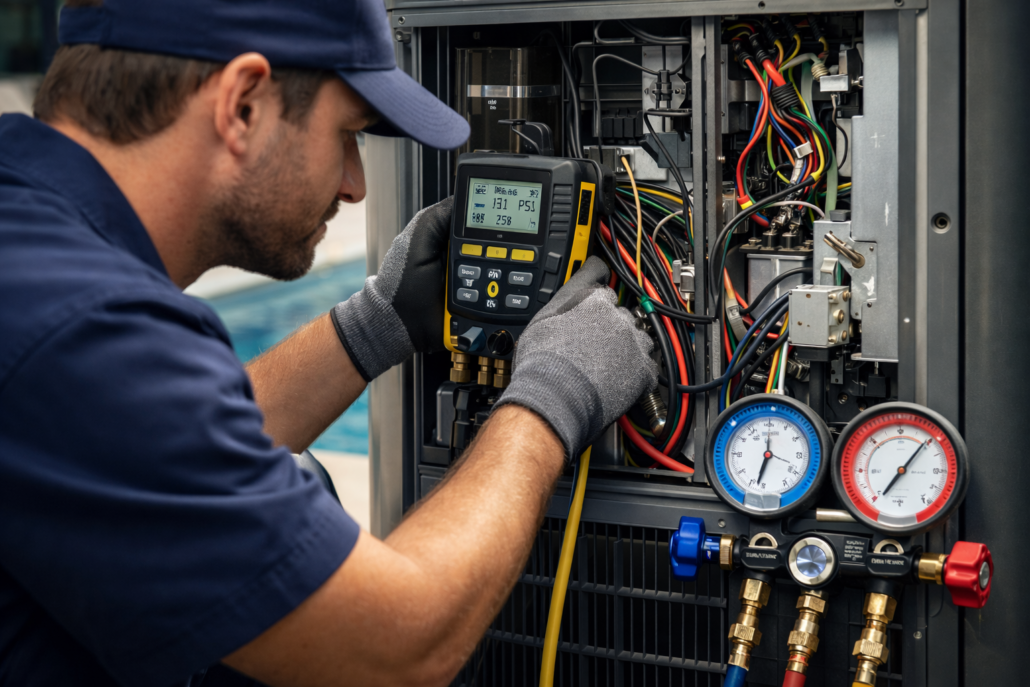
Professional tune-ups typically include cleaning coils, checking refrigerant levels, inspecting electrical components, and lubricating moving parts. These comprehensive checks ensure every part of your Energy Efficient AC is working optimally, preventing minor issues from escalating into costly repairs and maintaining its high efficiency.
Long-Term Benefits of an Energy Efficient AC Upgrade
Upgrading to an Energy Efficient AC provides numerous long-term benefits beyond just lower bills. These include enhanced home comfort through more consistent temperatures, reduced carbon footprint, and increased property value. Modern units often run quieter and provide superior air quality, contributing to a healthier living environment.
By investing in an energy-efficient system, you’re not just saving money; you’re also making a responsible choice for the environment. These units use less energy, which means less demand on power grids and a reduction in greenhouse gas emissions. It’s a win-win for both your household and the planet.
Ductless Mini-Splits vs. Central Energy Efficient AC
When exploring options for an Energy Efficient AC, you’ll likely encounter both central air conditioning systems and ductless mini-splits. Each has its unique advantages, and the best choice depends on your home’s layout, existing infrastructure, and specific cooling needs.
Are ductless mini-split systems more energy-efficient than central AC? Ductless mini-split systems can be highly energy-efficient, often more so than traditional central AC, especially for zoning specific areas. They eliminate duct losses common in central systems and allow for individual temperature control, leading to substantial energy savings in targeted rooms. This makes them ideal for additions, converted spaces, or homes without existing ductwork.
Central Energy Efficient AC systems, on the other hand, are excellent for cooling an entire home uniformly. With advancements in variable-speed technology and smart zoning capabilities, modern central units can achieve impressive efficiency levels. The decision often comes down to whether you need whole-home cooling or targeted zone control.
Qualifying for Rebates on Energy Efficient AC
Investing in an Energy Efficient AC can be made even more affordable through various rebate and incentive programs. These programs are designed to encourage homeowners to choose more sustainable cooling solutions, offering financial assistance that can significantly offset the upfront cost of a new system.
How can I qualify for rebates on energy-efficient AC purchases? You can qualify for rebates on energy-efficient AC purchases through various programs. Check with your local utility company, state energy offices, and federal programs for available incentives. Many HVAC contractors, including Stream Cold Air Corp, can also help you identify eligible rebates and assist with the application process.
These rebates often require purchasing units with specific SEER ratings or ENERGY STAR certification. Some programs may also offer tax credits for certain high-efficiency installations. It’s always worth exploring these options to maximize your savings and make your upgrade to an Energy Efficient AC even more cost-effective. For more information on energy efficiency incentives, you can refer to resources like the U.S. Department of Energy’s Energy Saver website.
Your Investment in an Energy Efficient AC System
Choosing an Energy Efficient AC is a strategic decision that pays dividends in comfort, savings, and environmental responsibility. While the initial cost of a high-efficiency unit might be slightly higher than a standard model, the long-term operational savings often make it a superior financial choice. The reduced electricity bills quickly recoup the initial investment.
How much does it cost to install a new energy-efficient AC unit? The cost varies widely based on factors like the unit’s SEER rating, brand, size, and the complexity of the installation. Generally, you can expect to pay anywhere from $4,000 to $10,000 or more for a complete system and installation. However, when factoring in rebates and long-term energy savings, the net cost becomes much more appealing.
Ultimately, an Energy Efficient AC is an investment in your home’s future. It provides consistent, reliable cooling, reduces your environmental impact, and significantly lowers your monthly expenses. With proper selection and maintenance, it’s a decision you’ll appreciate for years to come.
Embrace a Cooler, Smarter Home
Upgrading to an Energy Efficient AC is one of the smartest decisions you can make for your home and your budget. As we’ve explored, these advanced systems offer a multitude of benefits, from dramatically slashing your electricity bills to providing superior comfort and reducing your environmental footprint. By understanding SEER ratings, choosing reputable brands, and committing to regular maintenance, you can unlock the full potential of your energy-efficient system.
The path to a cooler, more cost-effective home is clear. Don’t let outdated, inefficient cooling systems continue to drain your finances. Embrace the power of modern technology and enjoy the consistent comfort and significant savings that an Energy Efficient AC provides. Your journey to a smarter, more sustainable home starts now.
Frequently Asked Questions About Energy Efficient AC
What is an energy-efficient AC and how does it work?
An energy-efficient AC uses advanced technology like variable-speed compressors and improved refrigerants to cool your home using less electricity. They minimize energy waste, delivering optimal comfort at a reduced operational cost.
How do energy-efficient AC units save on electricity bills?
Energy-efficient AC units save on electricity bills by consuming less power to achieve the desired cooling. Their higher Seasonal Energy Efficiency Ratio (SEER) ratings mean they convert more of the energy they use into actual cooling, significantly lowering your monthly utility costs.
What SEER rating indicates an energy-efficient air conditioner?
Generally, a SEER rating of 15 or higher indicates an energy-efficient air conditioner. However, for maximum savings and the best energy efficiency, look for units with SEER ratings of 16 or higher, with some premium models reaching 20 SEER or more.
Which brands offer the most reliable energy-efficient AC units?
Many reputable brands offer reliable energy-efficient AC units, including Trane, Carrier, Lennox, Goodman, Rheem, and Day & Night. The best choice often depends on your specific needs, budget, and the expertise of your local HVAC provider like Stream Cold Air Corp.
What are the long-term benefits of upgrading to an energy-efficient AC?
Upgrading to an energy-efficient AC provides numerous long-term benefits, including significantly lower electricity bills, enhanced home comfort through more consistent temperatures, reduced carbon footprint, and increased property value. These units also tend to have longer lifespans with proper maintenance.
Are ductless mini-split systems more energy-efficient than central AC?
Ductless mini-split systems can be highly energy-efficient, often more so than traditional central AC, especially for zoning specific areas. They eliminate duct losses common in central systems and allow for individual temperature control, leading to substantial energy savings in targeted rooms.
How to maintain an energy-efficient AC unit for peak performance?
To maintain an energy-efficient AC unit for peak performance, regularly change air filters, keep the outdoor unit (condenser) clear of debris, schedule annual professional tune-ups, and ensure your thermostat is programmed correctly. Proper maintenance ensures consistent efficiency and extends unit lifespan.
What is the difference between ENERGY STAR certified and standard ACs?
ENERGY STAR certified ACs meet strict energy efficiency guidelines set by the U.S. EPA and Department of Energy, meaning they are independently verified to perform more efficiently than standard models. This certification assures consumers of lower operating costs and reduced environmental impact.
How can I qualify for rebates on energy-efficient AC purchases?
You can qualify for rebates on energy-efficient AC purchases through various programs. Check with your local utility company, state energy offices, and federal programs for available incentives. Many HVAC contractors, including Stream Cold Air Corp, can also help you identify eligible rebates.