


When to Replace AC: 9 Definitive Signs for Optimal Comfort & Savings
The decision of When to Replace AC is a significant one for any homeowner, impacting both comfort and finances. It’s more than just fixing a broken part; it’s about evaluating the overall health and efficiency of your home’s cooling system. Understanding the critical indicators can save you from endless repair cycles and unexpectedly high utility bills.
This comprehensive guide will walk you through the essential questions to ask yourself, helping you determine if your current unit is nearing the end of its useful life. We’ll explore the signs of an aging system, delve into the financial considerations of repair versus replacement, and outline the benefits of upgrading to a modern, energy-efficient air conditioner. Our goal is to empower you with the knowledge to make an informed decision for lasting home comfort.
Key Takeaways
- Identify the 9 definitive signs that signal it’s time to consider When to Replace AC for your home.
- Understand the financial implications of continuous repairs versus the long-term savings of a new, efficient AC unit.
- Discover how a modern air conditioning system can drastically improve indoor comfort and reduce energy consumption.
- Learn the optimal time of year for AC replacement and what to expect during the installation process.
When to Replace AC: The 9 Definitive Signs
Knowing When to Replace AC can prevent unexpected breakdowns and ensure your home remains comfortable. Several clear indicators suggest your air conditioning unit is struggling and may be nearing the end of its operational life. Recognizing these signs early allows you to plan proactively rather than reacting to an emergency.
One of the most obvious signs is the age of your unit. Most central air conditioning systems are designed to last between 10 to 15 years. If your AC unit is older than this range, its efficiency likely has declined significantly, and it may require more frequent and costly repairs. An older unit simply cannot compete with the performance of newer models.
1. Frequent Breakdowns and Costly Repairs
Are you calling for AC repairs multiple times a year? If your repair bills are piling up, or if a single repair costs more than half the price of a new unit, it’s a strong signal for When to Replace AC. Continuous repairs indicate underlying systemic issues rather than isolated problems. This cycle often becomes more expensive than investing in a new system.
2. Rising Energy Bills
An aging AC unit works harder to cool your home, consuming more electricity in the process. If you notice a sudden or gradual increase in your monthly energy bills without a change in usage habits, your AC’s efficiency is likely compromised. This inefficiency is a major factor in determining when to replace AC.
3. Inconsistent Cooling and Hot Spots
Does your home have uneven temperatures, with some rooms feeling significantly warmer than others? This inconsistency suggests your AC unit is struggling to distribute conditioned air effectively. It could be due to a failing compressor, leaky ducts, or an undersized system, all pointing towards the need for a replacement.
4. Unusual Noises or Smells
Strange grinding, squealing, banging, or persistent musty odors coming from your AC unit are red flags. These noises often indicate mechanical problems like a failing motor or worn-out parts. Musty smells can signal mold growth within the system, impacting your indoor air quality and health.
5. Your AC Uses R-22 Refrigerant
If your AC unit was installed before 2010, it likely uses R-22 refrigerant. This ozone-depleting substance has been phased out, making it increasingly expensive and difficult to find. If your R-22 unit has a refrigerant leak, repairing it can be prohibitively costly, making replacement a more sensible option.
6. Excessive Humidity Indoors
Beyond cooling, your AC unit also helps to dehumidify your home. If you notice sticky, humid air indoors, even when the AC is running, it’s a sign that the system is no longer effectively removing moisture. High indoor humidity can lead to mold growth and discomfort.
7. Visible Leaks or Moisture Around the Unit
Puddles of water or excessive ice buildup around your indoor or outdoor AC unit are clear indicators of a problem. Leaks can signify anything from a clogged condensate drain line to a serious refrigerant leak, both of which can lead to significant damage and inefficiency.
8. The Unit is More Than 10-15 Years Old
As mentioned, the average lifespan of a central air conditioning system is 10 to 15 years. Even if it’s still running, an older unit will be far less energy-efficient than a modern one. The technology has advanced considerably, offering superior performance and lower operating costs.
9. Your Home Isn’t Comfortable
Ultimately, the purpose of an AC is to provide comfort. If you find yourself constantly adjusting the thermostat, feeling too warm, or experiencing poor air quality, your current system isn’t meeting your needs. This fundamental lack of comfort is a strong personal indicator for When to Replace AC.


Understanding Your AC Lifespan and Repair Frequency
The lifespan of a central air conditioning system is a critical factor in deciding When to Replace AC. While many units can last 10 to 15 years, several variables influence this duration. Proper maintenance, consistent usage, and the climate you live in all play significant roles. A unit that receives annual tune-ups will generally outlast one that is neglected.
How Often Should a Typical Residential AC System Be Replaced?
Most residential AC systems should be considered for replacement after 10 to 15 years. Beyond this timeframe, components begin to wear out, and the system’s efficiency drops considerably. Even if it’s still working, an older unit might be costing you more in energy bills and potential repairs than a new, high-efficiency model would. This is a key consideration for homeowners.
Why Would My AC Unit Need Frequent Repairs Instead of a Simple Fix?
Frequent repairs often signal that your AC unit’s major components are failing due to age or cumulative wear. It’s not just one part breaking; it’s a cascade effect where the entire system is struggling. For instance, a failing compressor can put strain on other electrical components, leading to a cycle of expensive fixes. At this point, patching up one problem often leads to another, making a full replacement a more sensible long-term investment.
How Can I Tell if My AC Unit is Beyond Economic Repair?
A common guideline is the “5,000 Rule” or “Rule of 5000.” If the cost of the repair multiplied by the age of the unit (in years) exceeds $5,000, it’s generally more cost-effective to replace the unit. For example, a $700 repair on a 10-year-old unit ($700 x 10 = $7,000) suggests replacement. This rule helps homeowners objectively evaluate When to Replace AC from a financial perspective.
Repair vs. Replace: Evaluating the Cost of When to Replace AC
The “repair or replace” dilemma is a common challenge for homeowners. It requires a careful assessment of immediate costs versus long-term savings and comfort. Deciding When to Replace AC involves more than just the price tag of a new unit; it includes considering energy savings, future repair costs, and environmental impact.
Is It More Cost-Effective to Repair or Replace an Old AC Unit?
For units nearing the end of their lifespan (10+ years), replacement is often more cost-effective in the long run. While a repair might seem cheaper upfront, frequent repairs on an old, inefficient unit can quickly accumulate. This cycle of continuous fixes can quickly surpass the investment in a new system.
A new AC unit offers improved energy efficiency, leading to significant savings on utility bills over its lifetime. According to the U.S. Department of Energy, upgrading to a high-efficiency unit can cut your cooling costs by 20% to 40%. This makes replacement a financially sound decision.
How Much Does a New AC Unit Replacement Typically Cost?
The cost of a new AC unit replacement varies widely based on factors like tonnage, brand, SEER2 rating, and installation complexity. On average, homeowners can expect to pay between $4,000 and $10,000, including equipment and professional installation. This investment, while substantial, often pays for itself through reduced energy consumption and fewer repair calls.
Will Replacing My Old AC Unit Significantly Reduce My Electricity Bills?
Absolutely. Modern AC units are significantly more energy-efficient than models from even a decade ago. Replacing an old unit with a new, high-SEER2 system can lead to substantial reductions in your electricity bills. The higher the SEER2 rating, the more efficient the unit, directly translating to lower operating costs and greater savings over time. This is a compelling reason to consider When to Replace AC.
Experiencing frequent AC issues but not sure if it’s time to replace? Explore our expert AC Repair Services to diagnose and fix problems, or contact Stream Cold Air Corp for a free replacement quote today!
The Benefits of a New AC System and Energy Efficiency
Beyond simply cooling your home, upgrading your air conditioning system offers a multitude of advantages that enhance your living environment and financial well-being. Understanding these benefits can solidify your decision on When to Replace AC.
What Are the Benefits of Upgrading to a New, More Efficient AC System?
Upgrading to a new, more efficient AC system provides numerous benefits. You’ll experience significant reductions in electricity bills due to improved energy efficiency. Newer units offer superior cooling performance and consistency, eliminating hot spots and ensuring even temperatures throughout your home. Enhanced indoor air quality, quieter operation, and increased overall home comfort are also key advantages. Modern systems also use environmentally friendlier refrigerants, aligning with current regulations and sustainability efforts.
What Energy Efficiency Ratings (SEER2) Should I Consider When Replacing My AC?
When considering When to Replace AC, pay close attention to the Seasonal Energy Efficiency Ratio 2 (SEER2) rating. This rating measures the cooling output over a typical cooling season divided by the total electric energy input during the same period. The minimum required SEER2 rating for new units is typically 13-14, depending on your region. However, systems with 16 SEER2 or higher offer significant energy savings. A higher SEER2 generally means greater efficiency and lower operating costs over the unit’s lifespan, making it a smart investment.
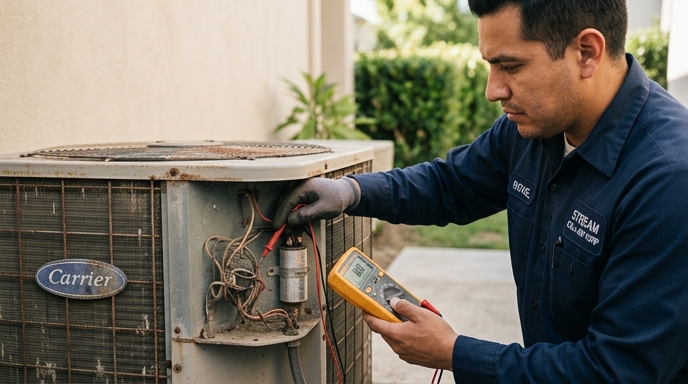
Choosing the Right AC and Installation Process
Once you’ve decided When to Replace AC, the next steps involve selecting the appropriate unit for your home and ensuring a professional installation. This process is crucial for maximizing the performance and longevity of your new system.
Are There Specific Brands or Types of AC Units Recommended for Replacement?
While specific recommendations often depend on your home’s size, climate, and budget, reputable brands like Carrier, Trane, Lennox, Rheem, and Goodman are consistently highly rated. It’s essential to choose a unit with the correct tonnage (cooling capacity) for your home to ensure optimal efficiency and comfort. Your HVAC professional can help you determine the best type and brand for your specific needs, considering factors like single-stage, two-stage, or variable-speed compressors.
How Long Does the Installation Process for a New AC Unit Replacement Take?
The installation process for a new AC unit replacement typically takes one to two days. This timeframe can vary depending on the complexity of the job, such as whether ductwork needs to be replaced or modified, or if a complete system overhaul (including furnace/air handler) is required. A professional installation ensures that your new system operates at peak efficiency from day one.
When Is the Best Time of Year to Schedule an AC Replacement?
The best time of year to schedule an AC replacement is generally during the off-peak seasons, such as spring (before summer heat) or fall (after summer heat). During these times, HVAC companies are less busy, which can lead to more flexible scheduling, potentially better pricing, and quicker installation times. Avoiding the peak summer rush ensures you won’t be without cooling when you need it most.
Who Can I Contact for Professional AC Replacement Services in My Area?
For professional AC replacement services, it’s crucial to contact certified and reputable HVAC technicians in your local area. Look for companies with strong customer reviews, proper licensing, and insurance. They can provide accurate assessments, recommend suitable units, and ensure a safe, efficient installation. For residents in Deerfield Beach and surrounding areas, Stream Cold Air Corp offers expert AC replacement services. You can easily get quotes for AC replacement from certified technicians by contacting local HVAC providers directly.
Making the Ultimate Decision: When to Replace AC
Deciding When to Replace AC is a significant investment in your home’s comfort, efficiency, and overall value. By carefully evaluating the age of your unit, the frequency and cost of repairs, and the performance of your current system, you can make an informed choice that benefits you for years to come. Remember, an older, struggling AC unit is not just an inconvenience; it’s a drain on your finances through higher energy bills and recurring repair expenses.
Upgrading to a modern, energy-efficient system not only provides superior cooling and dehumidification but also contributes to a healthier indoor environment and a smaller carbon footprint. Don’t wait for a complete breakdown during the hottest part of the year. Proactive replacement ensures a smooth transition to a more comfortable and cost-effective home. Consult with a trusted HVAC professional to assess your specific situation and guide you through the process of selecting and installing the perfect new AC unit.
Your Questions About AC Replacement Answered
What are the common signs that indicate it’s time to replace your AC unit?
Key indicators for when to replace AC include frequent breakdowns, rising energy bills, inconsistent cooling, unusual noises or smells, and an AC unit that is more than 10-15 years old. If you’re constantly calling for repairs, replacement might be more cost-effective.
How often should a typical residential AC system be replaced?
Most residential AC systems have a lifespan of 10 to 15 years. While proper maintenance can extend this, efficiency often declines significantly after a decade, leading to higher operating costs and decreased comfort. Consider replacement around the 10-12 year mark if issues arise.
Is it more cost-effective to repair or replace an old AC unit?
This depends on the age of the unit and the cost of repairs. A good rule of thumb is the ‘5,000 Rule’: if the repair cost multiplied by the unit’s age exceeds $5,000, it’s often more cost-effective to replace. For older units, frequent repairs can quickly surpass the investment in a new, more efficient system.
What is the average lifespan of a central air conditioning system?
The average lifespan of a central air conditioning system is typically between 10 to 15 years, with some well-maintained units lasting up to 20 years. Factors like usage, climate, and maintenance frequency significantly influence its longevity. Beyond 15 years, efficiency drops dramatically.
Why would my AC unit need frequent repairs instead of a simple fix?
Frequent repairs often indicate that your AC unit’s major components are failing due to age or wear. This could include compressor issues, refrigerant leaks, or persistent electrical problems. At this point, patching up one problem often leads to another, suggesting a full replacement is due.
What are the benefits of upgrading to a new, more efficient AC system?
Upgrading to a new, more efficient AC system offers numerous benefits, including significant reductions in electricity bills, improved cooling performance and consistency, enhanced indoor air quality, quieter operation, and increased home comfort. Modern units also use environmentally friendlier refrigerants.
How much does a new AC unit replacement typically cost?
The cost of a new AC unit replacement varies widely based on factors like tonnage, brand, SEER2 rating, and installation complexity. On average, homeowners can expect to pay between $4,000 and $10,000, including equipment and professional installation. Free quotes from certified technicians can provide precise figures.
What energy efficiency ratings (SEER2) should I consider when replacing my AC?
When considering when to replace AC, look for a high Seasonal Energy Efficiency Ratio 2 (SEER2) rating. The minimum required SEER2 is 13-14, but systems with 16 SEER2 or higher offer significant energy savings. Higher SEER2 generally means greater efficiency and lower operating costs over the unit’s lifespan.