


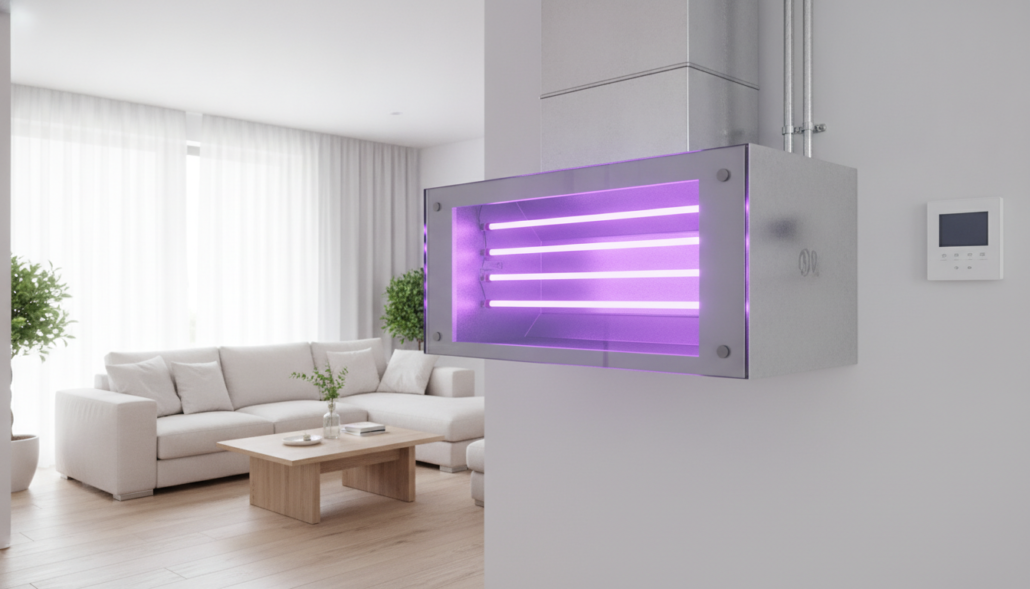
UV Light Air Purifier: 4 Powerful Benefits for Home
A UV Light Air Purifier offers a powerful and advanced solution for significantly improving the air quality within your home. This innovative technology goes beyond traditional filtration, actively neutralizing airborne pathogens to create a healthier, safer living environment for you and your family. Understanding its mechanism and advantages can transform your approach to indoor air health.
Many homeowners are increasingly concerned about the unseen threats lurking in their indoor air, from common allergens and dust to more insidious viruses and bacteria. While conventional filters capture particles, they often fall short in eliminating microscopic biological contaminants. This is where a UV Light Air Purifier truly shines, providing an extra layer of protection that ensures the air you breathe is as clean as possible.
Key Takeaways
- Discover how a UV Light Air Purifier actively neutralizes viruses, bacteria, and mold spores, providing a superior level of air purification.
- Learn about the four primary benefits, including significant relief from allergy and asthma symptoms and enhanced overall indoor air quality.
- Understand the critical difference between UV-C light and other UV types, ensuring you choose an effective and ozone-free purification system.
- Gain practical insights into selecting, maintaining, and integrating a UV Light Air Purifier into your home for lasting health advantages.
What is a UV Light Air Purifier? Understanding Its Powerful Mechanism
A UV Light Air Purifier is an advanced device designed to improve indoor air quality by using ultraviolet-C (UV-C) light to inactivate airborne microorganisms. Unlike traditional air filters that trap particles, UV purifiers actively destroy the genetic material of living contaminants, preventing them from reproducing and spreading. This makes them exceptionally effective against a wide array of biological threats.
These systems often work in conjunction with other filtration methods, such as HEPA and activated carbon filters, to provide comprehensive air treatment. As air passes through the unit, it is exposed to the germicidal UV-C lamp. This exposure is sufficient to neutralize viruses, bacteria, mold spores, and other pathogens, ensuring cleaner air circulates throughout your home.
The integration of UV-C technology into air purification systems represents a significant leap forward in creating truly healthy indoor environments. It addresses the microscopic threats that often bypass conventional filtration, offering a layer of protection that is increasingly vital in today’s world.
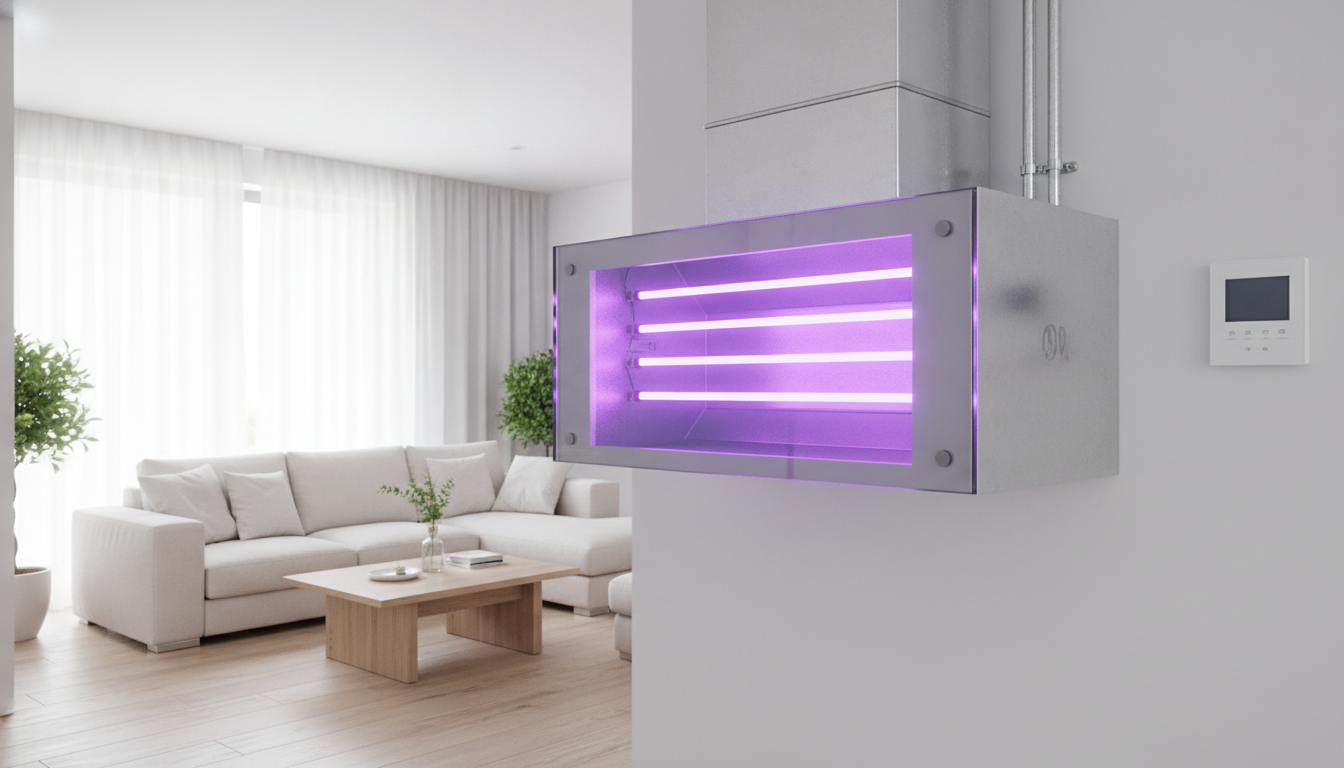

The Science Behind UV-C Light in a UV Light Air Purifier
The effectiveness of a UV Light Air Purifier hinges on the specific type of ultraviolet light it uses: UV-C. The electromagnetic spectrum includes UVA, UVB, and UVC light, each with different wavelengths and properties. While UVA and UVB are associated with tanning and sunburn, UV-C possesses powerful germicidal capabilities.
UV-C light, with its short wavelength (200-280 nm), is highly energetic and capable of disrupting the DNA and RNA of microorganisms. When viruses, bacteria, and mold spores are exposed to UV-C light, their genetic material is damaged, rendering them unable to function or replicate. This process effectively sterilizes the air, making it a critical component of a comprehensive air purification strategy.
It is important to note that the UV-C lamp is always enclosed within the air purification system, preventing direct exposure to skin and eyes, which could be harmful. This ensures the safe and effective operation of the UV-C technology within your home.
Are UV Light Air Purifiers Effective Against Viruses and Bacteria?
Yes, UV Light Air Purifiers are remarkably effective against a broad spectrum of airborne viruses and bacteria. Numerous studies and real-world applications have demonstrated the germicidal power of UV-C light. It has been shown to inactivate pathogens such as influenza viruses, coronaviruses, and common bacterial strains by damaging their genetic structure.
This inactivation process is a key advantage over filters that merely trap pathogens. While filters can become breeding grounds for trapped microorganisms if not changed regularly, UV-C light actively neutralizes them. This continuous sterilization ensures that the air circulating in your home is consistently free from viable biological contaminants. For more detailed information on germicidal UV, you can refer to resources like the Environmental Protection Agency’s guidance on UVGI.
The 4 Powerful Benefits of a UV Light Air Purifier for a Healthier Home
Investing in a UV Light Air Purifier brings a multitude of advantages to your home, extending far beyond simple dust removal. These systems are designed to tackle the invisible threats that can compromise your family’s health and comfort. Here are four powerful benefits you can expect from integrating this technology into your living space.
Benefit 1: Eliminating Airborne Pathogens with a UV Light Air Purifier
One of the most significant benefits of a UV Light Air Purifier is its ability to eliminate airborne viruses, bacteria, and mold spores. These microscopic invaders are often the culprits behind seasonal illnesses, respiratory infections, and general malaise. By continuously sterilizing the air, the purifier reduces the concentration of these pathogens, creating a much safer environment.
This is particularly crucial during flu season or when family members are prone to illness. The UV-C light acts as a silent guardian, constantly working to neutralize harmful microorganisms before they can spread throughout your home. This proactive approach to air purification provides peace of mind and contributes to overall family wellness.
Benefit 2: Alleviating Allergies and Asthma Symptoms
For individuals suffering from allergies and asthma, a UV Light Air Purifier can be a game-changer. While HEPA filters capture common allergens like pollen, dust mites, and pet dander, UV-C light targets biological triggers such as mold spores and certain bacteria that can exacerbate respiratory conditions. These microscopic organisms, even when trapped by filters, can sometimes release irritants.
By inactivating these biological allergens, a UV Light Air Purifier helps to reduce the frequency and severity of allergy and asthma attacks. Cleaner air means fewer irritants entering the respiratory system, leading to easier breathing, fewer sneezes, and a more comfortable home life for allergy sufferers.
Benefit 3: Neutralizing Odors and Improving Air Freshness
Beyond health benefits, a UV Light Air Purifier also contributes to a fresher-smelling home. Many unpleasant odors, especially those related to mold, mildew, and certain volatile organic compounds (VOCs), are caused by microorganisms or chemical reactions in the air. While activated carbon filters excel at absorbing many odors, UV-C light can break down some of the organic molecules responsible for persistent smells.
By destroying the source of these odors, rather than just masking them, the purifier ensures a consistently clean and neutral scent throughout your living spaces. This is particularly beneficial in homes with pets, smokers, or those prone to dampness, where stale or musty odors can be a persistent issue.
Benefit 4: Enhancing Overall Indoor Air Quality
Ultimately, the combined effects of pathogen elimination, allergen reduction, and odor neutralization lead to a dramatically enhanced overall indoor air quality. A UV Light Air Purifier creates an environment where the air is not just clean from visible dust, but also purified from invisible biological threats. This comprehensive approach supports better respiratory health, improved sleep, and a general sense of well-being.
Clean air is fundamental to a healthy lifestyle, and a UV Light Air Purifier ensures that your home provides that essential foundation. It’s an investment in your family’s daily health and comfort, making your home a true sanctuary from external pollutants and internal contaminants.
Choosing the Right UV Light Air Purifier for Your Needs
Selecting the ideal UV Light Air Purifier requires careful consideration of several factors. Not all units are created equal, and understanding key features will help you make an informed decision that best suits your home and health requirements. Prioritizing safety and effectiveness is paramount.
Do UV Light Air Purifiers Produce Harmful Ozone?
A common concern among consumers is whether a UV Light Air Purifier produces harmful ozone. Ozone (O3) can be a respiratory irritant and is considered a pollutant. Modern, high-quality UV light air purifiers are specifically designed to produce ozone-free UV-C light. It is absolutely crucial to choose purifiers that explicitly state they are ozone-free.
Look for certifications from reputable organizations that verify ozone-free operation. Avoiding models that generate ozone ensures that while you are purifying your air, you are not inadvertently introducing another harmful substance into your home environment. Always check product specifications carefully.
Which UV Light Air Purifier is Best for Allergies and Asthma?
For individuals with allergies and asthma, the best UV Light Air Purifier often combines UV-C sterilization with a high-efficiency particulate air (HEPA) filter. The HEPA filter is essential for capturing physical allergens like pollen, dust mites, and pet dander, which are common triggers.
The UV-C light then complements this by neutralizing mold spores, bacteria, and viruses that can also provoke symptoms. This dual-action approach provides comprehensive relief, addressing both particulate and biological irritants. Look for units with a high Clean Air Delivery Rate (CADR) suitable for your room size.
What Features Should I Look For When Buying a UV Light Air Purifier?
When purchasing a UV Light Air Purifier, several features enhance its performance and user experience. Look for a true HEPA filter (not just HEPA-type) and an activated carbon filter for odor and VOC removal. Ensure the UV-C lamp is ozone-free and has a decent lifespan.
Consider the CADR rating to match the purifier to your room size, ensuring effective air changes per hour. Quiet operation is also important, especially for bedrooms. Additional features like a bulb replacement indicator, multiple fan speeds, a timer, and smart home connectivity can add convenience and value to your UV Light Air Purifier.
Integrating a UV Light Air Purifier into Your HVAC System
For whole-home air purification, integrating a UV Light Air Purifier directly into your HVAC system is a highly effective solution. These systems are installed in the ductwork or near the evaporator coil, allowing them to treat all the air circulating throughout your entire house. This provides continuous and comprehensive air sterilization.
HVAC-integrated UV purifiers are particularly beneficial for preventing mold growth on the evaporator coil, which can be a source of allergens and odors. This approach ensures that every room benefits from purified air, offering a consistent level of protection and comfort throughout your home. For expert installation, consider contacting professionals like Stream Cold Air Corp.
Maintenance and Safety of Your UV Light Air Purifier
To ensure your UV Light Air Purifier continues to operate effectively and safely, regular maintenance is essential. Understanding the lifespan of its components and adhering to safety guidelines will maximize its benefits and protect your household.
How Often Do UV Bulbs in a UV Light Air Purifier Need to Be Replaced?
The UV bulbs in a UV Light Air Purifier have a finite lifespan, typically ranging from 9,000 to 12,000 hours of continuous use. This translates to approximately 1 to 1.5 years. While the bulb may still emit a visible light after this period, its germicidal effectiveness significantly diminishes over time.
It is crucial to follow the manufacturer’s recommendations for replacement to ensure the UV light air purifier maintains its ability to neutralize airborne pathogens. Regular replacement guarantees optimal performance and continued protection for your indoor air quality. Many units include an indicator light for bulb replacement.
What are the Potential Dangers or Side Effects of UV Air Purifiers?
When properly installed and used, UV Light Air Purifiers pose minimal dangers. The primary concern is direct exposure to UV-C light, which can cause harm to skin and eyes. For this reason, the UV lamp is always enclosed within the air purification system, preventing any direct contact during operation.
As mentioned, choosing an ozone-free model eliminates the risk of harmful ozone production, which is a respiratory irritant. Always ensure the unit is installed according to manufacturer guidelines and never attempt to open the unit or look directly at the UV lamp when it is powered on. Adhering to these simple precautions ensures safe operation.
Investing in a UV Light Air Purifier: Cost and Availability
The cost of a UV Light Air Purifier can vary widely depending on its type, features, and brand. Understanding the investment involved, both upfront and for ongoing maintenance, helps in budgeting and making the best choice for your home.
How Much Do UV Light Air Purifiers Cost on Average?
The cost of a UV Light Air Purifier varies significantly. Basic standalone portable units can range from $100 to $300. More advanced models that combine UV-C with HEPA and carbon filtration, offering greater coverage and features, might cost between $300 and $800. Whole-home systems integrated into HVAC ducts typically range from $400 to over $1,000, not including installation fees.
Beyond the initial purchase, remember to factor in the cost of replacement UV bulbs (typically $30-$70) and any other filters (HEPA, carbon) that need periodic changing. These ongoing costs are important for maintaining the purifier’s effectiveness over time.
Where to Buy a UV Light Air Purifier and Replacement Bulbs
You can purchase a UV Light Air Purifier from various retailers. Major online marketplaces, electronics stores, and home improvement centers often carry a wide selection of portable units. For HVAC-integrated systems, it is best to consult with HVAC professionals or specialized indoor air quality providers.
Replacement bulbs and filters are usually available from the purifier’s manufacturer, often through their website, or from third-party retailers. Always ensure you are buying genuine or compatible replacement parts to maintain the efficiency and safety of your UV Light Air Purifier. Checking for current deals or sales can also help you find a great value.
Ready for a Healthier Home with a UV Light Air Purifier?
Stream Cold Air Corp provides expert indoor air quality solutions, including advanced UV light air purifier installations. We ensure your home’s air is clean and free from harmful pathogens.
Conclusion: Embrace a Healthier Home with a UV Light Air Purifier
Embracing a healthier home environment is now more accessible than ever with the advanced capabilities of a UV Light Air Purifier. This powerful technology offers a comprehensive solution to indoor air quality challenges, actively neutralizing microscopic threats that traditional filters often miss. From eliminating airborne pathogens to alleviating allergy symptoms and enhancing overall freshness, the benefits are clear and impactful.
By understanding how these systems work, what features to look for, and how to maintain them, you can make an informed decision that significantly contributes to your family’s well-being. Investing in a UV Light Air Purifier is an investment in cleaner air, better health, and a more comfortable living space for years to come. Take the step towards truly purified air today.
Frequently Asked Questions About UV Light Air Purifiers
What is a UV light air purifier and how does it work?
A UV light air purifier uses ultraviolet-C (UV-C) light to kill airborne microorganisms like viruses, bacteria, mold spores, and fungi. As air passes through the purification system, it’s exposed to the UV-C lamp, which disrupts the DNA and RNA of these pathogens, rendering them inactive and unable to reproduce. This process sterilizes the air, providing a healthier environment.
Are UV light air purifiers effective against viruses and bacteria?
Yes, UV light air purifiers, particularly those utilizing UV-C technology, are highly effective against a wide range of viruses and bacteria. Studies have shown UV-C light’s ability to inactivate pathogens, including influenza viruses, coronaviruses, and common bacteria, by damaging their genetic material. This makes them a powerful tool for germ control in indoor spaces.
Do UV light air purifiers produce harmful ozone?
Modern, high-quality UV light air purifiers are designed to produce ozone-free UV-C light. It’s crucial to choose purifiers that explicitly state they are ozone-free. Ozone (O3) can be a respiratory irritant and is considered a pollutant, so ensuring your UV light air purifier does not generate it is vital for indoor air safety.
What are the benefits of using a UV light air purifier in a home?
The benefits of using a UV light air purifier in a home are numerous. They include significantly reducing airborne viruses, bacteria, mold, and allergens, leading to improved respiratory health, fewer allergy symptoms, and a fresher-smelling home. By sterilizing the air, these purifiers create a much healthier living environment for all occupants.
How often do UV bulbs in air purifiers need to be replaced?
The lifespan of UV bulbs in air purifiers typically ranges from 9,000 to 12,000 hours, which translates to about 1 to 1.5 years of continuous use. It’s important to follow the manufacturer’s recommendations for replacement to ensure the UV light air purifier maintains its effectiveness in neutralizing airborne pathogens. Regular replacement guarantees optimal performance.
What are the potential dangers or side effects of UV air purifiers?
When properly installed and used, UV air purifiers pose minimal dangers. The primary concern is direct exposure to UV-C light, which can harm skin and eyes. Therefore, the UV lamp is always enclosed within the air purification system. Choosing an ozone-free model also eliminates the risk of harmful ozone production, ensuring safe operation of your UV light air purifier.
What’s the difference between UV-C and other UV light types in air purifiers?
The electromagnetic spectrum includes UVA, UVB, and UVC light. In air purifiers, UV-C is the most effective type because its short wavelength has germicidal properties capable of disrupting the DNA of microorganisms. UVA and UVB have longer wavelengths and are generally less effective for sterilization, making UV-C light the preferred choice for a UV light air purifier.
Which UV light air purifier is best for allergies and asthma?
For allergies and asthma, a UV light air purifier that combines UV-C sterilization with a high-efficiency particulate air (HEPA) filter is often considered best. The HEPA filter captures allergens like pollen, dust mites, and pet dander, while the UV-C light neutralizes mold spores, viruses, and bacteria that can trigger symptoms. This dual-action approach offers comprehensive relief.
What features should I look for when buying a UV light air purifier?
When buying a UV light air purifier, look for features such as a true HEPA filter, an activated carbon filter for odor removal, an ozone-free UV-C lamp, adequate coverage area (CADR rating), quiet operation, and a bulb replacement indicator. Energy efficiency and smart features like app control can also enhance convenience and performance for your UV light air purifier.
How much do UV light air purifiers cost on average?
The cost of UV light air purifiers varies widely based on brand, features, coverage area, and filter type. Basic standalone units can range from $100 to $300, while more advanced whole-home systems integrated into HVAC ducts can cost anywhere from $400 to over $1,000, excluding installation. Replacement bulbs for a UV light air purifier typically cost $30-$70.
Can UV light air purifiers be integrated into HVAC systems?
Yes, UV light air purifiers can be highly effective when integrated directly into HVAC systems. These whole-home UV air purifiers are installed in the ductwork or near the evaporator coil, allowing them to treat all the air circulating throughout the house. This provides a continuous and comprehensive air purification solution, reducing pathogens across your entire home’s air supply.