The efficiency of your air conditioning system hinges on several critical components working in harmony. Among these, the HVAC evaporator coil plays an absolutely essential role. It is the unsung hero responsible for transforming warm, humid indoor air into the cool, refreshing breeze you depend on, especially in warmer climates. Understanding this vital part of your AC is key to maintaining a comfortable home and avoiding costly repairs.
This comprehensive guide will unlock 6 essential secrets to ensure your HVAC evaporator coil operates at peak performance. We will delve into its function, common issues, and the best practices for maintenance. By the end, you will have the knowledge to keep your cooling system running smoothly and efficiently for years to come.
Key Takeaways
- Discover the primary function of your HVAC evaporator coil and how it cools your home.
- Learn the common signs of a failing or dirty HVAC evaporator coil to prevent major breakdowns.
- Understand why regular professional cleaning and inspection are crucial for maintaining your HVAC evaporator coil.
- Identify the causes of a freezing HVAC evaporator coil and how to address them effectively.
Understanding Your HVAC Evaporator Coil: The Heart of Your AC System
At the core of your air conditioning system’s cooling power lies the HVAC evaporator coil. This critical component is responsible for the heat exchange process that makes your home comfortable. Without a properly functioning coil, your AC simply cannot deliver the cool air you expect.
Understanding its role is the first step toward ensuring your entire HVAC system runs efficiently. Let’s explore what this coil is, how it works, and where you can typically find it within your home’s cooling setup.
What is an HVAC evaporator coil and what is its primary function?
The HVAC evaporator coil is a network of tubes and fins, usually made of copper or aluminum, located inside your indoor air handler or furnace. Its primary function is to absorb heat from the air that passes over it. This process not only cools the air but also removes humidity, making your indoor environment more comfortable.
It acts as the heat exchanger that facilitates the transfer of thermal energy from your home’s air to the refrigerant circulating within the system. This absorption is key to the entire cooling cycle.
How does an HVAC evaporator coil work within an air conditioning system to cool air?
Inside the HVAC evaporator coil, liquid refrigerant expands and transforms into a low-pressure gas. As your home’s warm, humid air is drawn into the air handler and blown across the coil’s cold surface, the refrigerant absorbs the heat from the air. This causes the air to cool significantly.
The now-cooled and dehumidified air is then circulated back into your living spaces. Meanwhile, the refrigerant, now a warm gas, travels to the outdoor condenser unit to release the absorbed heat, completing the cycle. This continuous process relies heavily on the efficiency of the HVAC evaporator coil.
Where is the HVAC evaporator coil typically located within a residential HVAC system?
In most residential HVAC systems, the HVAC evaporator coil is situated within the indoor unit. You’ll usually find it inside the air handler or furnace, often positioned directly above the furnace or within the plenum. This strategic placement ensures that all air circulating through your home passes over the coil for cooling and dehumidification.
Its location is crucial for effective heat exchange before the conditioned air is distributed through your ductwork. Proper access to the HVAC evaporator coil is also important for maintenance and cleaning.
What is the difference between an HVAC evaporator coil and a condenser coil?
While both are vital components of your AC system, the HVAC evaporator coil and the condenser coil perform distinct functions at different locations. The evaporator coil, as discussed, is indoors and absorbs heat from your home’s air. It turns liquid refrigerant into a gas.
The condenser coil, conversely, is located in the outdoor unit. Its role is to release the heat absorbed by the refrigerant to the outside air, converting the gaseous refrigerant back into a liquid. Together, these coils facilitate the continuous transfer of heat, making your home cool.
6 Essential Secrets for Peak HVAC Evaporator Coil Performance
Achieving optimal cooling performance from your air conditioning system requires more than just setting the thermostat. It demands proactive care for its most critical components, especially the HVAC evaporator coil. Here are six essential secrets to ensure your coil functions efficiently, providing consistent comfort and energy savings.
These practices will help you extend the lifespan of your unit and prevent common, frustrating issues. A well-maintained HVAC evaporator coil is the cornerstone of a reliable cooling system.

Secret 1: Regular Inspections and Cleaning
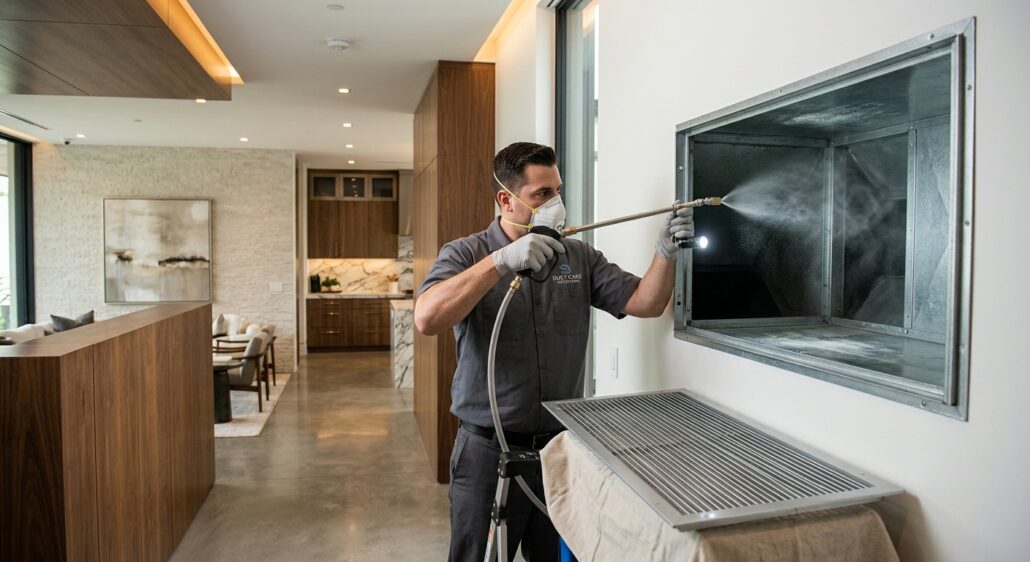
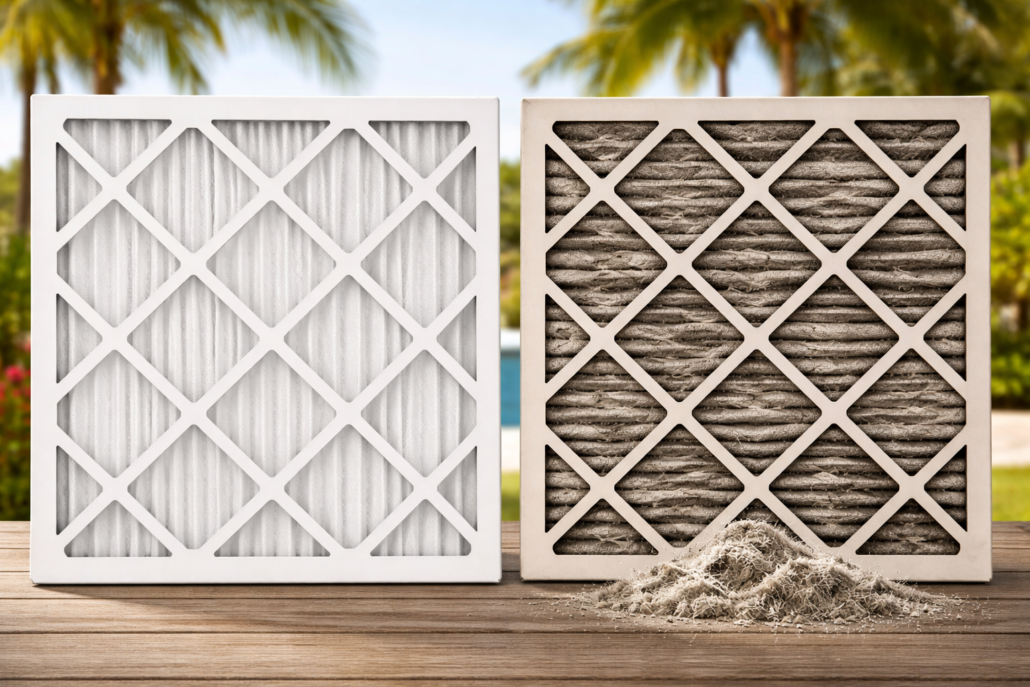
A clean HVAC evaporator coil is an efficient coil. Over time, dust, dirt, and debris can accumulate on its delicate fins, forming an insulating layer. This buildup severely hinders the coil’s ability to absorb heat, forcing your system to work harder and consume more energy. Regular cleaning is non-negotiable for peak performance.
How often should an HVAC evaporator coil be inspected and cleaned for optimal performance?
For optimal performance, your HVAC evaporator coil should be inspected annually by a professional HVAC technician. This is typically part of a routine AC maintenance check-up. The frequency of thorough cleaning depends on your environment and usage, but generally, a deep cleaning every 1 to 3 years is recommended.
Homes with pets, smokers, or those in dusty environments may require more frequent cleaning. Consistent attention to your HVAC evaporator coil will pay dividends in efficiency and comfort.
Can I clean my HVAC evaporator coil myself, or should I hire a professional?
While you might be able to perform some minor surface cleaning on easily accessible parts of your HVAC evaporator coil, professional cleaning is highly recommended. HVAC technicians possess specialized tools and expertise to safely access and thoroughly clean the coil without damaging its delicate fins or internal components.
Attempting a deep clean without proper knowledge can lead to costly damage. Professionals ensure the job is done correctly, protecting your investment in the HVAC evaporator coil.
How much does it cost to have an HVAC evaporator coil professionally cleaned?
The cost for professional HVAC evaporator coil cleaning can vary, typically ranging from $100 to $400. This price depends on factors such as the coil’s accessibility, the extent of dirt buildup, and your geographic location. Often, this service is included as part of a comprehensive AC maintenance package.
Considering the benefits of improved efficiency and extended system lifespan, the cost of cleaning your HVAC evaporator coil is a worthwhile investment.
Secret 2: Addressing Airflow Issues
Proper airflow is paramount for the efficient operation of your HVAC evaporator coil. Any restriction in airflow can lead to significant problems, including reduced cooling capacity and even system damage. Ensuring unobstructed air movement is a simple yet powerful secret to maintaining performance.
Why is my HVAC evaporator coil freezing up, and what are the common causes?
An HVAC evaporator coil freezing up is a common and serious issue, often caused by restricted airflow. The most frequent culprits include a dirty air filter, blocked return vents, or a malfunctioning blower motor. When air cannot flow freely over the coil, the refrigerant inside gets too cold, causing moisture on the coil to freeze.
Low refrigerant levels, usually due to a leak, can also lead to freezing, as can a clogged condensate drain line or a heavily dirty coil surface. Addressing these issues promptly is crucial for your HVAC evaporator coil.
Secret 3: Monitoring Refrigerant Levels
Refrigerant is the lifeblood of your cooling system, and its levels directly impact the performance of your HVAC evaporator coil. Low refrigerant can lead to inefficient cooling and potential damage. It’s not a consumable that needs regular topping off; if levels are low, it indicates a leak that needs professional attention.
What causes an HVAC evaporator coil to leak refrigerant and how can it be fixed?
Refrigerant leaks in an HVAC evaporator coil are frequently caused by formicary corrosion, which creates tiny pinholes in the copper tubing. Other factors can include manufacturing defects or damage that occurred during installation. These leaks allow refrigerant to escape, reducing system pressure and cooling capacity.
Fixing a leak typically involves brazing the hole to seal it. However, if the damage is extensive or there are multiple leaks, replacing the entire HVAC evaporator coil might be the more cost-effective and reliable solution. Always consult a certified technician for refrigerant issues.
Secret 4: Recognizing Warning Signs
Your HVAC system often provides subtle clues when something is amiss with its HVAC evaporator coil. Being aware of these warning signs can help you catch problems early, preventing minor issues from escalating into major, expensive repairs. Early detection is key to maintaining system health.
What are the common signs of a bad, dirty, or failing HVAC evaporator coil?
Signs of a problematic HVAC evaporator coil include a noticeable reduction in cooling capacity, unusually high energy bills, or a frozen coil. You might also observe water leaks around the indoor unit, strange musty odors emanating from your vents, or poor airflow. The system may run constantly without adequately cooling your home.
If you notice any of these symptoms, it’s time to have your HVAC evaporator coil inspected by a professional. Ignoring these warnings can lead to further damage to your entire AC system.
Secret 5: Understanding Coil Types
While the fundamental function remains the same, HVAC evaporator coils come in various designs. Understanding these types can offer insight into your system’s specific characteristics and maintenance needs. Each design is optimized for certain applications and space constraints.
What are the different types of HVAC evaporator coils (e.g., A-coil, N-coil) and their advantages?
Common types of HVAC evaporator coil designs include A-coils and N-coils (sometimes called slab coils). A-coils, named for their ‘A’ shape when viewed from the side, are very prevalent due to their excellent efficiency in heat transfer and compact design. They offer a large surface area for air to pass over.
N-coils, or slab coils, are flatter and are often used in horizontal furnace configurations where space is limited. Each type is chosen based on the specific system design and available installation space. The performance of any HVAC evaporator coil depends more on its cleanliness and maintenance than its specific shape.
Secret 6: Professional Maintenance & Lifespan
The longevity and efficiency of your entire HVAC system are directly tied to the health of its HVAC evaporator coil. Professional maintenance is not just about fixing problems; it’s about preventing them and ensuring your system delivers consistent, cost-effective cooling for its full expected lifespan.
Why is regular maintenance of the HVAC evaporator coil crucial for HVAC system efficiency and lifespan?
Regular maintenance of your HVAC evaporator coil is crucial because a clean coil can transfer heat much more efficiently. This leads to lower energy consumption, reduced utility bills, and a smaller carbon footprint. It also prevents the system from overworking, which significantly extends the overall lifespan of your HVAC unit.
Furthermore, consistent maintenance helps maintain optimal indoor air quality by preventing mold and mildew growth on the coil. This makes regular care for your HVAC evaporator coil an investment in both comfort and health.
How long do HVAC evaporator coils typically last before needing replacement?
An HVAC evaporator coil typically lasts between 10 to 15 years, aligning with the average lifespan of a complete air conditioning unit. However, this longevity can be significantly influenced by several factors. Regular maintenance, consistent system usage, environmental conditions, and the initial manufacturing quality all play a role.
Coils that are regularly cleaned and properly maintained tend to last longer, while neglected coils may fail prematurely. Addressing issues like refrigerant leaks promptly can also extend the life of your HVAC evaporator coil.

Optimize Your HVAC Evaporator Coil with Stream Cold Air Corp
Ensure peak cooling and efficiency for your home or business with our expert HVAC services. Our certified technicians provide reliable inspection, cleaning, and repair.
Investing in Your HVAC Evaporator Coil: Repair vs. Replacement
When your HVAC evaporator coil encounters a significant issue, such as a major leak or severe corrosion, you’ll face a decision: repair or replace? This choice often comes down to the extent of the damage, the age of your unit, and the overall cost-effectiveness. Understanding the implications of each option is vital for making an informed decision.
A professional assessment is always recommended to determine the best course of action for your specific HVAC evaporator coil problem. Sometimes, a repair is a quick fix, but other times, replacement offers better long-term value.
What is the average cost to replace an HVAC evaporator coil?
The average cost to replace an HVAC evaporator coil can vary significantly, typically ranging from $1,000 to $3,000. This price depends on several factors, including the make and model of your AC unit, the type of refrigerant it uses, and the labor rates in your specific area. More complex systems or those requiring specialized refrigerant may incur higher costs.
It’s important to get a detailed quote from a certified technician to understand the full scope of the replacement. While it’s a significant investment, a new HVAC evaporator coil can restore your system’s efficiency and extend its life.
Who repairs or replaces HVAC evaporator coils near me?
If you’re in Deerfield Beach, FL, or the surrounding areas, Stream Cold Air Corp specializes in repairing and replacing HVAC evaporator coils. Our certified technicians provide expert service to diagnose issues, recommend the best solutions, and ensure your system operates at peak efficiency. We understand the local climate and the unique demands it places on your AC.
Don’t let a faulty HVAC evaporator coil compromise your comfort. Contact Stream Cold Air Corp today for reliable and prompt service to get your cooling system back on track.
Your Path to Optimal Cooling with a Healthy HVAC Evaporator Coil
The HVAC evaporator coil is undeniably a cornerstone of your home’s air conditioning system. Its proper function is directly linked to your comfort, energy efficiency, and the overall lifespan of your unit. By understanding its role, recognizing warning signs, and committing to regular maintenance, you empower yourself to keep your cooling system in top condition.
Remember, while some basic tasks can be DIY, the delicate nature of the HVAC evaporator coil often calls for professional expertise. Investing in professional inspections and cleanings ensures your system runs smoothly, efficiently, and reliably. Don’t underestimate the power of a well-maintained evaporator coil in providing consistent, refreshing cool air.
Frequently Asked Questions About Your HVAC Evaporator Coil
What is an HVAC evaporator coil and what is its primary function?
The HVAC evaporator coil is a crucial component of your air conditioning system, located in the indoor air handler. Its primary function is to absorb heat from the air passing over it, thereby cooling and dehumidifying your home. This process is essential for effective air conditioning.
How does an evaporator coil work within an air conditioning system to cool air?
Inside the HVAC evaporator coil, liquid refrigerant expands and turns into a low-pressure gas. As the warm indoor air blows across the coil’s cold surface, the refrigerant absorbs the heat from the air. The now-cooled air is then circulated back into your home, while the heated refrigerant travels to the outdoor condenser unit.
Why is my HVAC evaporator coil freezing up, and what are the common causes?
An HVAC evaporator coil freezing up is often caused by restricted airflow due to a dirty air filter, blocked return vents, or a malfunctioning blower motor. Low refrigerant levels, usually from a leak, can also lead to freezing, as can a clogged condensate drain line or a dirty coil surface.
What are the common signs of a bad, dirty, or failing HVAC evaporator coil?
Signs of a problematic HVAC evaporator coil include reduced cooling capacity, unusually high energy bills, a frozen coil, water leaks around the indoor unit, and strange odors. You might also notice poor airflow from your vents or the system constantly running without adequately cooling.
How often should an HVAC evaporator coil be inspected and cleaned for optimal performance?
For optimal performance and to maintain your HVAC evaporator coil, it should be inspected annually by a professional HVAC technician as part of your regular AC maintenance. Cleaning frequency depends on environmental factors, but typically a thorough cleaning every 1-3 years is recommended.
Can I clean my HVAC evaporator coil myself, or should I hire a professional?
While some minor surface cleaning of accessible parts of your HVAC evaporator coil might be possible for DIY enthusiasts, professional cleaning is highly recommended. Technicians have specialized tools and knowledge to safely access and thoroughly clean the coil without damaging its delicate fins or internal components.
What is the average cost to replace an HVAC evaporator coil?
The average cost to replace an HVAC evaporator coil can vary significantly based on the unit’s make and model, refrigerant type, and labor rates in your area. Generally, replacement costs range from $1,000 to $3,000, though this can be higher for more complex systems.
Where is the evaporator coil typically located within a residential HVAC system?
The HVAC evaporator coil is typically located inside the indoor unit of your air conditioning or heat pump system, specifically within the air handler or furnace. It is usually situated above the furnace or in the plenum, where it interacts with the air circulated throughout your home.
What are the different types of evaporator coils (e.g., A-coil, N-coil) and their advantages?
Common types of HVAC evaporator coil designs include A-coils, which resemble the letter ‘A’ when viewed from the side, and N-coils (or slab coils), which are flat. A-coils are prevalent due to their efficiency in heat transfer and compact design. Each type is chosen based on system design and space constraints.
How much does it cost to have an HVAC evaporator coil professionally cleaned?
The cost for professional HVAC evaporator coil cleaning can range from $100 to $400, depending on the coil’s accessibility, the extent of the dirt buildup, and your geographic location. This service is often included as part of a comprehensive AC maintenance package.
Why is regular maintenance of the evaporator coil crucial for HVAC system efficiency and lifespan?
Regular maintenance of your HVAC evaporator coil is crucial because a clean coil can transfer heat more efficiently, leading to lower energy consumption and reduced utility bills. It also prevents the system from overworking, extends the overall lifespan of your HVAC unit, and maintains optimal indoor air quality.
Who repairs or replaces HVAC evaporator coils near me?
Stream Cold Air Corp specializes in repairing and replacing HVAC evaporator coils in Deerfield Beach, FL, and surrounding areas. Our certified technicians provide expert service to ensure your system operates at peak efficiency. Contact us for reliable and prompt service.
What causes an evaporator coil to leak refrigerant and how can it be fixed?
Refrigerant leaks in an HVAC evaporator coil are often caused by formicary corrosion, which creates tiny pinholes in the copper tubing. Other causes include manufacturing defects or damage during installation. Fixing a leak typically involves brazing the hole or, if the damage is extensive, replacing the entire coil.
How long do HVAC evaporator coils typically last before needing replacement?
An HVAC evaporator coil typically lasts between 10 to 15 years, similar to the overall lifespan of an air conditioning unit. However, factors like regular maintenance, system usage, environmental conditions, and manufacturing quality can influence its longevity.
What is the difference between an HVAC evaporator coil and a condenser coil?
The main difference between an HVAC evaporator coil and a condenser coil lies in their function and location. The evaporator coil, located indoors, absorbs heat from your home’s air, turning liquid refrigerant into gas. The condenser coil, located outdoors, releases this heat to the outside air, turning the gaseous refrigerant back into a liquid.
Learn more from authoritative resources: Consumer Reports and HGTV.