


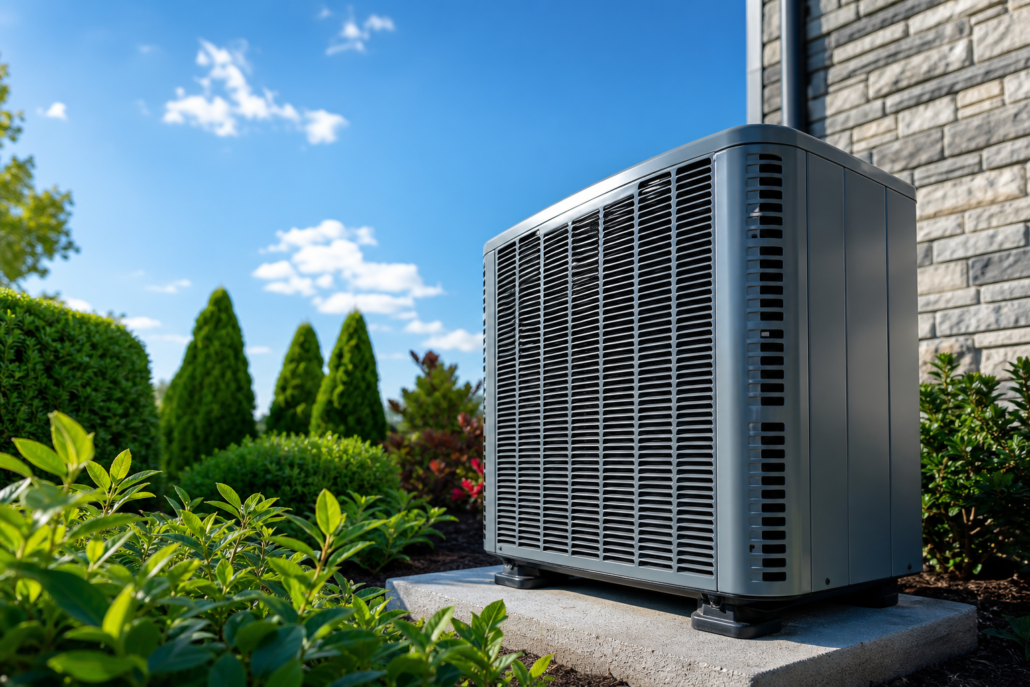
Achieving significant HVAC Cost Savings is a top priority for smart homeowners. Your heating, ventilation, and air conditioning system often represents the largest portion of your utility bills, making it a prime area for efficiency improvements. By understanding the key strategies and implementing brilliant secrets, you can dramatically reduce your energy consumption and enjoy a more comfortable home without breaking the bank. This comprehensive guide will unveil 10 powerful secrets to help you maximize your system’s efficiency, extend its lifespan, and unlock substantial savings. We will explore everything from routine maintenance to smart technology, ensuring you have the knowledge to make informed decisions and keep your home’s climate control running optimally and affordably. Discover how to transform your energy usage and secure lasting HVAC Cost Savings for years to come.
Key Takeaways
- Understand that regular maintenance is the bedrock of significant HVAC Cost Savings and system longevity.
- Discover how smart thermostats and zoning systems offer brilliant ways to optimize energy use and reduce utility bills.
- Learn about the impact of home insulation and air sealing on your HVAC system’s efficiency and overall cost.
- Explore the benefits of energy-efficient upgrades, including geothermal systems, and how they contribute to long-term HVAC Cost Savings.
Master Routine Maintenance for HVAC Cost Savings
Your HVAC system is a complex machine that requires consistent care to operate efficiently. Neglecting routine maintenance is one of the quickest ways to see your energy bills climb and your system’s lifespan shorten. Proactive maintenance is the single most effective way to ensure significant HVAC Cost Savings year after year. This includes simple tasks you can do yourself and essential professional check-ups. Regular maintenance prevents minor issues from escalating into expensive repairs, ensuring your system runs smoothly.
Change Filters Regularly for Optimal Efficiency
One of the easiest and most impactful steps you can take for HVAC Cost Savings is regularly changing your air filters. Dirty filters restrict airflow, forcing your system to work harder and consume more energy. To optimize energy efficiency and save money, change your HVAC filters every 1 to 3 months. Homes with pets, allergies, or heavy usage may require more frequent changes, as dirty filters restrict airflow and strain the system. This simple habit can reduce energy consumption by 5% to 15%.
Schedule Professional Tune-Ups Annually
Beyond filter changes, your system needs professional attention. An annual tune-up by a certified technician can identify potential problems before they become major breakdowns. During a tune-up, the technician will clean coils, check refrigerant levels, inspect electrical components, and lubricate moving parts. The average cost of annual HVAC maintenance for cost savings typically ranges from $75 to $200, a small investment compared to the potential savings and extended system life. This proactive approach is crucial for maintaining peak performance and achieving maximum HVAC Cost Savings. 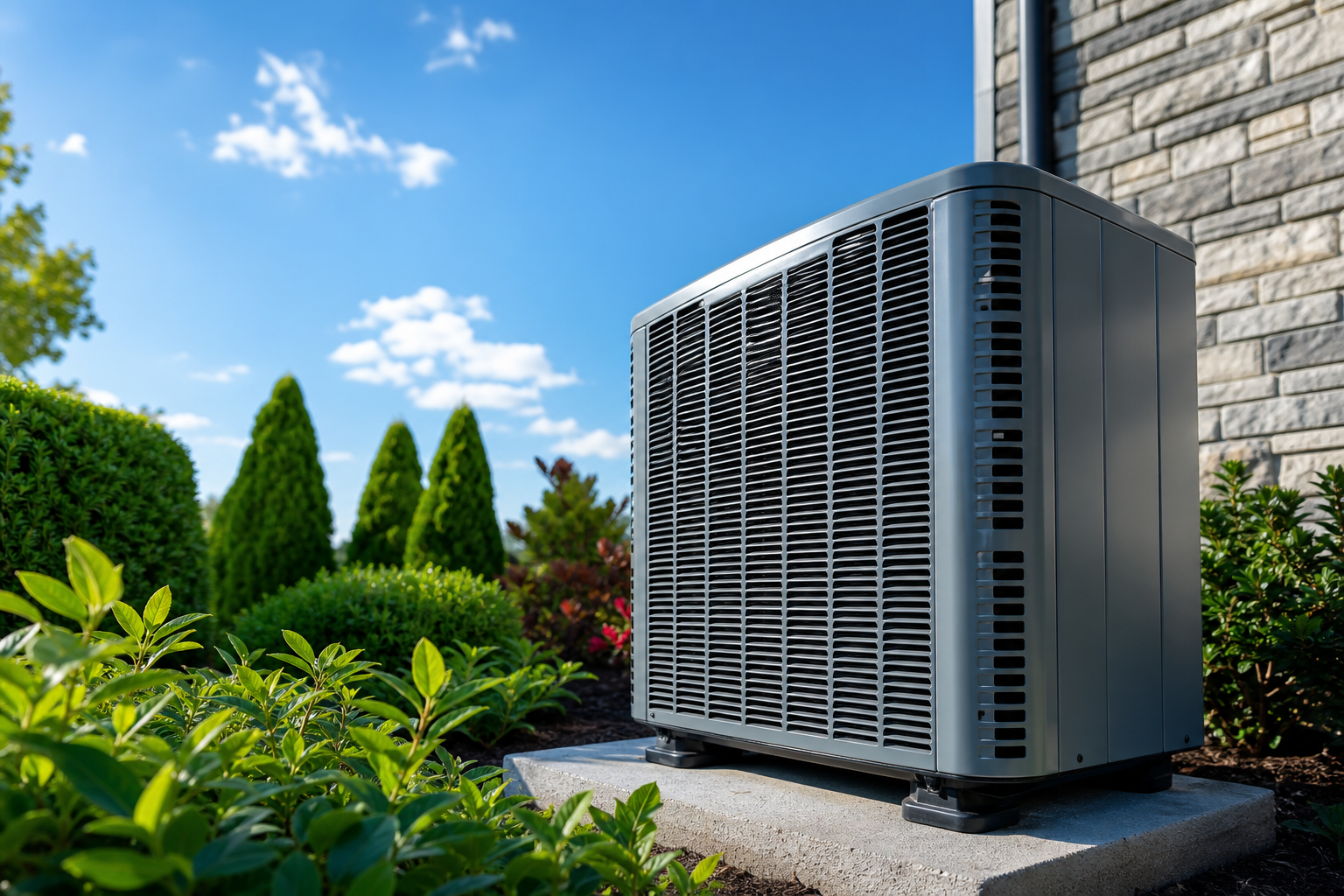

Embrace Smart Thermostats for Brilliant HVAC Cost Savings
In the era of smart homes, your thermostat can be much more than a simple temperature control. Smart thermostats are powerful tools for achieving substantial HVAC Cost Savings by intelligently managing your home’s climate. These devices learn your preferences, adapt to your schedule, and can be controlled remotely, offering unparalleled flexibility and efficiency.
Automate Temperature Control
Smart thermostats learn your daily routines and automatically adjust temperatures to optimize comfort and energy use. For instance, they can raise the temperature when you’re away and lower it before you return. This automation prevents energy waste from heating or cooling an empty house, leading to significant HVAC Cost Savings. Do smart thermostats significantly contribute to HVAC cost savings? Yes, they absolutely do, often leading to an average of 10-15% reduction in heating and cooling energy consumption.
Remote Access and Energy Monitoring
The ability to control your HVAC system from anywhere via a smartphone app is a game-changer. Forgot to adjust the thermostat before leaving for vacation? No problem. You can make changes remotely, ensuring you’re not paying to condition an empty home. Many smart thermostats also provide detailed energy usage reports, allowing you to track your consumption and identify further opportunities for HVAC Cost Savings. This level of insight empowers you to make smarter energy choices. Learn more about smart thermostat benefits from Energy.gov.
Seal and Insulate Your Home for Optimal HVAC Cost Savings
Your HVAC system works hard to maintain a comfortable indoor temperature, but its efforts can be undermined by a leaky, poorly insulated home. Addressing air leaks and improving insulation are fundamental steps toward achieving significant HVAC Cost Savings. These improvements create a more stable indoor environment, reducing the workload on your heating and cooling equipment.
Identify and Seal Air Leaks
Air leaks around windows, doors, electrical outlets, and plumbing penetrations allow conditioned air to escape and unconditioned air to enter. This forces your HVAC system to run longer and harder. Simple solutions like caulk and weatherstripping can seal these gaps. A professional energy audit can precisely locate hidden leaks, leading to substantial HVAC Cost Savings. This is one of the most effective ways to save money on HVAC costs.
Enhance Home Insulation
How does proper home insulation affect HVAC operational costs? Dramatically. Insulation acts as a barrier to heat transfer, keeping your home warmer in winter and cooler in summer. Adequate insulation in your attic, walls, and floors reduces the amount of energy needed to maintain desired temperatures. This directly translates into lower utility bills and greater HVAC Cost Savings. It’s a foundational element of energy efficiency.
Maximize Your HVAC Cost Savings with Stream Cold Air Corp
Achieve unparalleled efficiency and lower your utility bills with our expert HVAC services and energy-efficient solutions.
Upgrade to Energy-Efficient HVAC Systems for Long-Term Cost Savings
While maintenance and sealing offer immediate benefits, sometimes the greatest HVAC Cost Savings come from upgrading your equipment. Older, inefficient systems can be energy hogs, and replacing them with modern, high-efficiency units can lead to substantial long-term savings. This is a significant investment, but one that often pays for itself over time.
High-Efficiency AC Units and Furnaces
Modern HVAC systems boast higher Seasonal Energy Efficiency Ratio (SEER) for air conditioners and Annual Fuel Utilization Efficiency (AFUE) for furnaces. How much can I expect to save with a new energy-efficient HVAC system? Upgrading can lead to substantial HVAC Cost Savings, often 20% to 40% on heating and cooling bills annually. Actual savings depend on the old system’s inefficiency, the new system’s ratings, and local climate. Look for ENERGY STAR certified models.
Explore Geothermal HVAC Systems
For the ultimate in energy efficiency and HVAC Cost Savings, consider a geothermal system. These systems harness the stable temperature of the earth to provide heating and cooling. What are the potential cost benefits of upgrading to a geothermal HVAC system? Geothermal systems can reduce energy consumption by 25% to 50% compared to conventional systems, offering the lowest operating costs and significant long-term savings, despite a higher initial investment. They are an excellent option for homeowners committed to maximizing their HVAC Cost Savings and environmental impact.
Who Provides the Best Energy-Efficient HVAC Systems?
Who provides the best energy-efficient HVAC systems for long-term cost savings? Leading brands like Trane, Carrier, Lennox, Goodman, Rheem, and Day & Night are known for providing high-quality, energy-efficient HVAC systems. Stream Cold Air Corp services and sells all major brands, ensuring you get the best solution for long-term HVAC Cost Savings. We can help you navigate the options and choose the right system for your home and budget. 
Leverage Government Rebates and Incentives for HVAC Cost Savings
Investing in energy-efficient HVAC upgrades can be made more affordable through various government programs and utility company incentives. These programs are designed to encourage homeowners to reduce their energy consumption, offering a brilliant path to further HVAC Cost Savings. It’s essential to research what’s available in your area before making a purchase.
Federal, State, and Local Programs
Where can I find government rebates or incentives for energy-efficient HVAC upgrades? Start by checking the ENERGY STAR website, your state’s energy office, and your local utility provider. Many programs offer tax credits, rebates, or low-interest loans for installing high-efficiency furnaces, air conditioners, heat pumps, or geothermal systems. These incentives can significantly offset the upfront cost of new equipment, accelerating your journey to substantial HVAC Cost Savings.
Utility Company Rebates
Many local utility companies offer their own rebate programs for customers who upgrade to energy-efficient HVAC equipment. These can often be combined with federal or state incentives, maximizing your overall savings. Always check with your utility provider for current offerings and eligibility requirements. Taking advantage of these programs is a smart way to reduce the financial burden of upgrades and enhance your HVAC Cost Savings.
How to Get a Free Estimate for Energy-Efficient HVAC
How do I get a free estimate for an energy-efficient HVAC system installation? You can get a free estimate for an energy-efficient HVAC system installation by contacting a reputable local provider like Stream Cold Air Corp. They offer free quotes for new system installations to help you understand your options for HVAC Cost Savings and available incentives. This initial step is crucial for planning your upgrade.
Optimize Airflow and Ductwork for Enhanced HVAC Cost Savings
Even the most efficient HVAC system will struggle if your home’s airflow is compromised or your ductwork is leaky. Ensuring proper airflow and maintaining your duct system are critical for maximizing efficiency and achieving significant HVAC Cost Savings. These often-overlooked areas can be major culprits behind high energy bills.
Ensure Clear Vents and Returns
Blocked vents and return registers can severely restrict airflow, forcing your system to work harder. Make sure all vents are unobstructed by furniture, curtains, or rugs. Regularly clean return air grilles to prevent dust and debris buildup. This simple step ensures your system can distribute conditioned air effectively, contributing to better comfort and HVAC Cost Savings.
Inspect and Seal Ductwork
Ductwork leaks can account for 20% to 30% of a home’s heating and cooling losses. This means you’re paying to condition air that never reaches your living spaces. Inspect your ductwork for visible gaps or disconnections, especially in attics, crawl spaces, and basements. Sealing leaks with mastic sealant or metal-backed tape can dramatically improve efficiency and lead to substantial HVAC Cost Savings. Professional duct sealing is a worthwhile investment.
Consider Zoning Systems for Personalized HVAC Cost Savings
If you have a larger home or varying temperature preferences among family members, a zoning system can be a brilliant solution for personalized comfort and significant HVAC Cost Savings. Zoning allows you to control the temperature independently in different areas of your home, rather than heating or cooling the entire house to a single setting.
Targeted Heating and Cooling
With a zoning system, you can set different temperatures for bedrooms, living areas, or unoccupied rooms. This means you only condition the spaces that are actively being used. For example, you can keep bedrooms cooler at night while reducing heating or cooling in unused guest rooms. This targeted approach significantly reduces energy waste, leading to impressive HVAC Cost Savings. It’s an advanced strategy for truly smart energy management.
Enhanced Comfort and Efficiency
Beyond savings, zoning systems enhance comfort by eliminating hot and cold spots. Each zone can have its own thermostat, allowing occupants to customize their environment. This increased control not only improves satisfaction but also optimizes the overall efficiency of your HVAC system, further contributing to your HVAC Cost Savings goals. It’s a sophisticated way to manage your home’s climate.
Practice Seasonal Adjustments for Consistent HVAC Cost Savings
Your HVAC system’s settings should not be static year-round. Making simple seasonal adjustments can significantly reduce your energy consumption and contribute to consistent HVAC Cost Savings. These adjustments are easy to implement and can make a noticeable difference in your utility bills.
Summer Cooling Strategies
What simple seasonal adjustments can reduce my HVAC energy consumption? In summer, set your thermostat as high as comfortably possible, typically around 78°F (26°C). Use ceiling fans to create a wind-chill effect, allowing you to feel cooler without lowering the thermostat. Close blinds and curtains during the hottest parts of the day to block solar heat gain. These strategies reduce the workload on your air conditioner, leading to better HVAC Cost Savings.
Winter Heating Strategies
During winter, aim for a thermostat setting around 68°F (20°C) during the day and lower it by 7-10 degrees at night or when you’re away. Dress in layers to stay warm indoors. Open curtains on sunny days to allow natural heat gain and close them at night to retain warmth. These mindful adjustments help minimize heating costs and maximize your HVAC Cost Savings throughout the colder months.
Monitor Energy Usage and Conduct an Energy Audit for HVAC Cost Savings
Understanding your energy consumption patterns is key to identifying areas for improvement and maximizing your HVAC Cost Savings. Monitoring your usage and conducting a professional energy audit can provide invaluable insights into your home’s energy performance.
Track Your Energy Bills
Regularly review your utility bills to track your energy consumption over time. Look for trends and spikes that might indicate an issue with your HVAC system or changes in usage habits. Many utility companies offer online tools that provide detailed breakdowns of your energy use. This data empowers you to make informed decisions for greater HVAC Cost Savings.
Schedule an HVAC Energy Audit
Where can I schedule an HVAC energy audit to identify savings opportunities? Contact a certified energy auditor or your local HVAC professional, like Stream Cold Air Corp. An energy audit involves a thorough inspection of your home to identify air leaks, insulation deficiencies, and HVAC system inefficiencies. The auditor will use specialized equipment, such as thermal cameras and blower doors, to pinpoint areas of energy loss. This detailed analysis will provide a roadmap for maximizing your HVAC Cost Savings.
Calculate Potential Savings
How can I calculate my potential savings from various HVAC efficiency improvements? An energy auditor can provide estimates based on their findings. Additionally, online calculators and resources from organizations like ENERGY STAR can help you project savings from specific upgrades. Understanding these potential returns on investment can motivate you to implement changes that lead to substantial HVAC Cost Savings.
Avoid Common Mistakes That Increase HVAC Costs
Even with the most efficient system, certain habits and oversights can inadvertently drive up your energy bills. Avoiding common mistakes is just as important as implementing proactive strategies for achieving optimal HVAC Cost Savings. Being mindful of these pitfalls can prevent unnecessary expenses.
Neglecting Maintenance and Ignoring Issues
Common mistakes include neglecting regular maintenance, such as filter changes and professional tune-ups. Ignoring minor issues, like strange noises or reduced airflow, can lead to more significant, costly repairs down the line, hindering your HVAC Cost Savings. Proactive attention to your system’s health is paramount.
Incorrect Thermostat Settings
Setting the thermostat too low in summer or too high in winter is a common culprit for high bills. Every degree you adjust your thermostat can impact your energy consumption. Avoid drastic temperature swings; instead, aim for consistent, comfortable settings. Blocking vents with furniture or curtains also impedes airflow and increases energy use, undermining your efforts for HVAC Cost Savings.
Improper System Sizing
An HVAC system that is either too large or too small for your home will operate inefficiently. An oversized system will cycle on and off too frequently, leading to uneven temperatures and increased wear and tear. An undersized system will struggle to keep up, running constantly and consuming excessive energy. Ensuring your system is properly sized is crucial for efficiency and long-term HVAC Cost Savings. If you suspect your system is improperly sized, consult with an HVAC professional.Your journey to significant HVAC Cost Savings is within reach. By implementing these 10 brilliant secrets, you can transform your home’s energy efficiency, reduce your utility bills, and enjoy a more comfortable living environment. From routine maintenance and smart technology to insulation upgrades and avoiding common mistakes, each step contributes to a more efficient and cost-effective HVAC system. Remember, a proactive approach and informed decisions are your most powerful tools for maximizing your savings. Don’t let your HVAC system be a drain on your finances; empower yourself with these strategies and start enjoying the benefits of lower energy costs today. For personalized advice and expert service, contact Stream Cold Air Corp to explore how we can help you achieve your HVAC Cost Savings goals.
What are the most effective ways to save money on HVAC costs?
The most effective ways to achieve HVAC Cost Savings include regular professional maintenance, upgrading to an energy-efficient system, utilizing smart thermostats, sealing air leaks in your home, and ensuring proper insulation. Regular filter changes also significantly improve efficiency.
How much can I expect to save with a new energy-efficient HVAC system?
Upgrading to a new energy-efficient HVAC system can lead to substantial HVAC Cost Savings, often 20% to 40% on heating and cooling bills annually. Actual savings depend on the old system’s inefficiency, new system’s SEER/HSPF rating, and local climate.
Why is my residential HVAC bill consistently high?
High residential HVAC bills often stem from an aging, inefficient system, poor insulation, air leaks, neglected maintenance (clogged filters, dirty coils), incorrect thermostat settings, or an improperly sized unit. Addressing these can significantly improve HVAC Cost Savings.
Do smart thermostats significantly contribute to HVAC cost savings?
Yes, smart thermostats are powerful tools for HVAC Cost Savings. They learn your preferences, can be controlled remotely, and optimize temperature schedules, leading to an average of 10-15% reduction in heating and cooling energy consumption.
How often should HVAC filters be changed to optimize energy efficiency and save money?
To optimize energy efficiency and secure HVAC Cost Savings, change your HVAC filters every 1 to 3 months. Homes with pets, allergies, or heavy usage may require more frequent changes, as dirty filters restrict airflow and strain the system.
Who provides the best energy-efficient HVAC systems for long-term cost savings?
Leading brands like Trane, Carrier, Lennox, Goodman, Rheem, and Day & Night are known for providing high-quality, energy-efficient HVAC systems. Stream Cold Air Corp services and sells all major brands, ensuring you get the best solution for long-term HVAC Cost Savings.
How does proper home insulation affect HVAC operational costs?
Proper home insulation dramatically impacts HVAC operational costs by minimizing heat transfer between your home and the outdoors. It keeps conditioned air inside, reducing the workload on your HVAC system and leading to significant HVAC Cost Savings year-round.
What are the common mistakes people make that increase HVAC costs?
Common mistakes include neglecting regular maintenance, setting the thermostat too low in summer or too high in winter, not sealing air leaks, blocking vents with furniture, and ignoring minor issues that escalate into costly repairs, all hindering HVAC Cost Savings.
How do I get a free estimate for an energy-efficient HVAC system installation?
You can get a free estimate for an energy-efficient HVAC system installation by contacting a reputable local provider like Stream Cold Air Corp. They offer free quotes for new system installations to help you understand your options for HVAC Cost Savings.
What are the most effective ways to save money on HVAC costs?
The most effective ways to achieve HVAC cost savings include regular professional maintenance, upgrading to an energy-efficient system, utilizing smart thermostats, sealing air leaks in your home, and ensuring proper insulation. Regular filter changes also significantly improve efficiency.
How much can I expect to save with a new energy-efficient HVAC system?
Upgrading to a new energy-efficient HVAC system can lead to substantial HVAC cost savings, often 20% to 40% on heating and cooling bills annually. Actual savings depend on the old system’s inefficiency, new system’s SEER/HSPF rating, and local climate.
Why is my residential HVAC bill consistently high?
High residential HVAC bills often stem from an aging, inefficient system, poor insulation, air leaks, neglected maintenance (clogged filters, dirty coils), incorrect thermostat settings, or an improperly sized unit. Addressing these can significantly improve HVAC cost savings.
Do smart thermostats significantly contribute to HVAC cost savings?
Yes, smart thermostats are powerful tools for HVAC cost savings. They learn your preferences, can be controlled remotely, and optimize temperature schedules, leading to an average of 10-15% reduction in heating and cooling energy consumption.
How often should HVAC filters be changed to optimize energy efficiency and save money?
To optimize energy efficiency and secure HVAC cost savings, change your HVAC filters every 1 to 3 months. Homes with pets, allergies, or heavy usage may require more frequent changes, as dirty filters restrict airflow and strain the system.
Who provides the best energy-efficient HVAC systems for long-term cost savings?
Leading brands like Trane, Carrier, Lennox, Goodman, Rheem, and Day & Night are known for providing high-quality, energy-efficient HVAC systems. Stream Cold Air Corp services and sells all major brands, ensuring you get the best solution for long-term HVAC cost savings.
How does proper home insulation affect HVAC operational costs?
Proper home insulation dramatically impacts HVAC operational costs by minimizing heat transfer between your home and the outdoors. It keeps conditioned air inside, reducing the workload on your HVAC system and leading to significant HVAC cost savings year-round.
What are the common mistakes people make that increase HVAC costs?
Common mistakes include neglecting regular maintenance, setting the thermostat too low in summer or too high in winter, not sealing air leaks, blocking vents with furniture, and ignoring minor issues that escalate into costly repairs, all hindering HVAC cost savings.
How do I get a free estimate for an energy-efficient HVAC system installation?
You can get a free estimate for an energy-efficient HVAC system installation by contacting a reputable local provider like Stream Cold Air Corp. They offer free quotes for new system installations to help you understand your options for HVAC cost savings.