


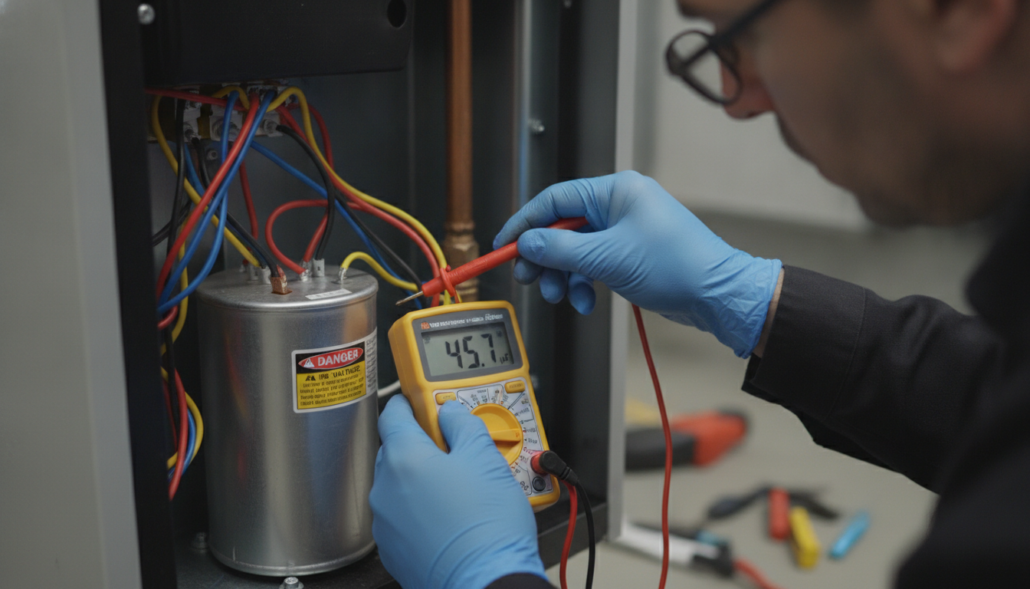
HVAC Capacitor Testing is a critical maintenance task that ensures your air conditioning system operates efficiently and reliably. Many homeowners overlook this small but mighty component, unaware that its failure can lead to significant discomfort and costly repairs. Understanding how to identify issues and perform proper HVAC capacitor testing can save you from unexpected breakdowns, especially during the peak cooling season in Deerfield Beach, FL. This guide will walk you through the essential steps to diagnose, test, and maintain your AC capacitor, ensuring your system delivers peak performance when you need it most. We will explore the capacitor’s function, common failure signs, and the importance of professional intervention for safe and accurate assessments.
Key Takeaways
- Understand the vital role of HVAC capacitor testing in maintaining AC efficiency and preventing breakdowns.
- Learn to identify common symptoms of a failing capacitor, such as buzzing noises or a unit that won’t start.
- Discover the safe and accurate methods for performing HVAC capacitor testing using a multimeter.
- Recognize when professional HVAC capacitor testing and replacement are necessary for optimal performance and safety.
HVAC Capacitor Testing: 3 Essential Steps for Peak AC Performance
What is an HVAC Capacitor and Why is HVAC Capacitor Testing Crucial?
An HVAC capacitor is a small, cylindrical component found in your air conditioning unit, often described as the “battery” that kickstarts your AC’s motors. Its primary function is to store an electrical charge and then release it in a powerful burst. This surge provides the necessary torque to get the compressor and fan motors spinning, overcoming their initial inertia.
Beyond starting, a run capacitor also helps maintain a consistent electrical flow to the motors, ensuring they operate efficiently throughout their cycle. Without a properly functioning capacitor, your AC unit simply cannot start or run effectively. This makes regular HVAC capacitor testing an indispensable part of preventative maintenance.
The Role of HVAC Capacitor Testing in AC Function
There are generally two types of capacitors in an AC system: start capacitors and run capacitors. A start capacitor provides a large initial boost of power for a few seconds to get the motor going. A run capacitor, on the other hand, stays engaged throughout the motor’s operation, continuously regulating power to improve efficiency and maintain a consistent rotation. Both are vital, and their health directly impacts your AC’s performance.
Regular HVAC capacitor testing helps identify weakening capacitors before they fail completely. This proactive approach prevents sudden breakdowns, especially during the hottest months when your AC is working overtime. Ensuring your capacitors are in top condition means your system starts smoothly, runs efficiently, and avoids unnecessary strain on other components.

Step 1: Recognizing the Need for HVAC Capacitor Testing
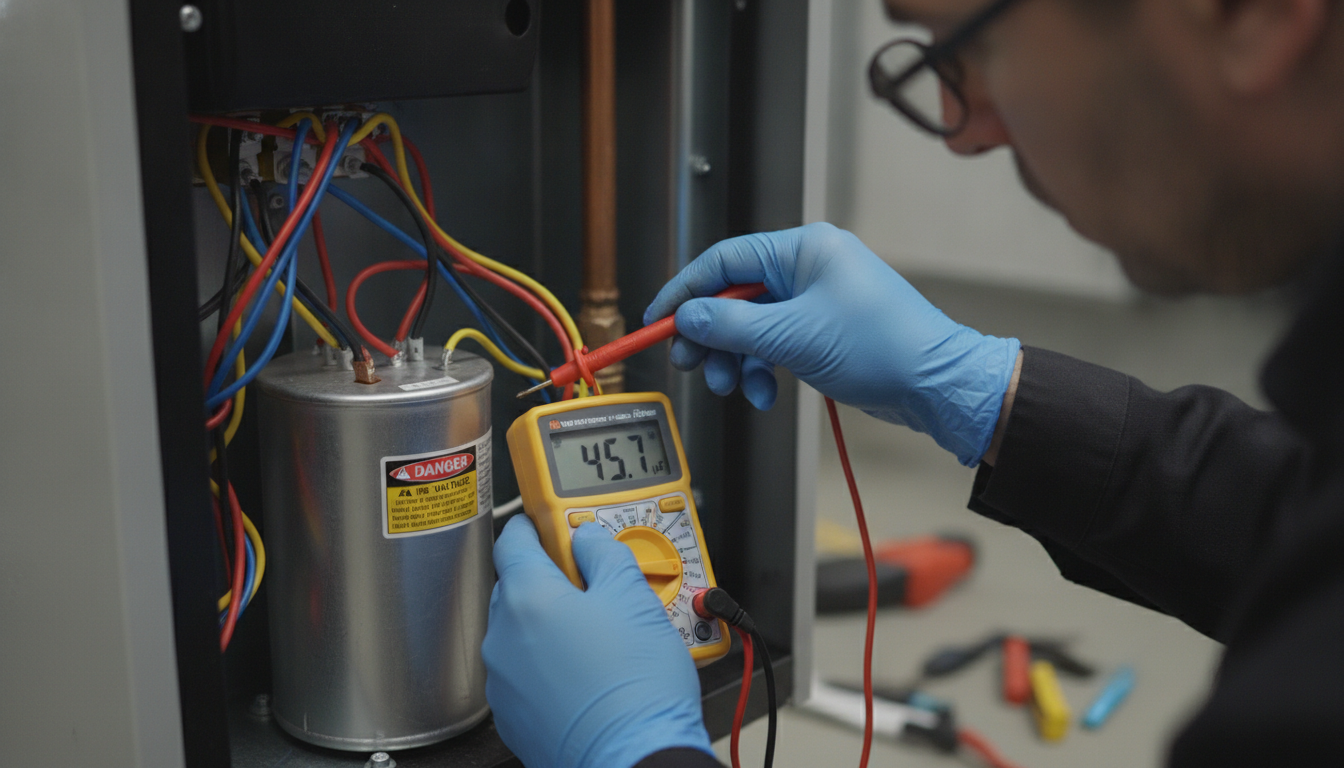
Identifying the symptoms of a failing capacitor is the first crucial step in effective HVAC capacitor testing. Capacitors don’t usually fail without warning. Your AC unit often provides subtle clues that something is amiss. Paying attention to these signs can help you address the problem promptly, preventing more extensive and costly damage to your system.
Common Symptoms Requiring HVAC Capacitor Testing
Several indicators suggest your AC capacitor might be failing. One of the most common signs is when your outdoor unit (condenser) hums but doesn’t start, or the fan motor struggles to spin. You might hear a distinct buzzing sound coming from the unit, indicating that the motor is receiving power but not enough to overcome resistance.
Another symptom is your AC unit blowing warm air, even though the thermostat is set to cool. This often happens because the compressor, which is responsible for cooling the refrigerant, isn’t starting due to a faulty capacitor. The fan might still be running, circulating uncooled air.
Frequent tripping of your circuit breaker when the AC unit tries to start can also point to a failing capacitor. A weak capacitor might draw excessive current in an attempt to start the motor, overloading the circuit. Unusual humming noises or a sluggish fan are also clear signals that professional HVAC capacitor testing is warranted.
If you notice any of these issues, it’s essential to investigate further. Ignoring these warning signs can lead to the compressor overheating and failing, which is a much more expensive repair than a simple capacitor replacement. Early detection through HVAC capacitor testing is key to maintaining your system’s health.
Need Expert HVAC Capacitor Testing in Deerfield Beach, FL?
Stream Cold Air Corp provides reliable HVAC capacitor testing and replacement services, ensuring your AC operates at peak efficiency. Trust our certified technicians for transparent service.
Step 2: Performing Safe and Accurate HVAC Capacitor Testing
Once you suspect a capacitor issue, the next step is to safely and accurately test it. This process involves working with high voltage electricity, so safety is paramount. Always prioritize personal protection and follow proper procedures to avoid electric shock or injury. If you are uncomfortable with electrical work, it is always best to call a professional for HVAC capacitor testing.
Essential Tools for HVAC Capacitor Testing
To perform HVAC capacitor testing, you will need a few key tools. The most important is a multimeter with a capacitance (microfarad, ?F or MFD) setting. This specialized setting allows the multimeter to measure the capacitor’s ability to store an electrical charge. You will also need an insulated screwdriver to safely discharge the capacitor before handling it.
Personal protective equipment (PPE) is non-negotiable. This includes safety glasses to protect your eyes from potential sparks or debris, and electrical safety gloves to prevent electric shock. A wrench or screwdriver might also be needed to access the capacitor compartment within your AC unit. Having these tools ready ensures a safer and more efficient testing process.
Safety Precautions Before HVAC Capacitor Testing
Before you even think about touching the capacitor, you must disconnect all power to your outdoor AC unit. Go to your home’s main electrical panel and switch off the breaker that controls the outdoor unit. This is a critical safety step that prevents accidental electrocution. Always double-check that the power is off using your multimeter to test for voltage before proceeding.
Next, you must discharge the capacitor. Even with the power off, a capacitor can hold a significant electrical charge that can be dangerous. Use an insulated screwdriver by placing the metal shaft across the capacitor’s terminals. You might see a spark, which indicates the capacitor is discharging. Hold it there for a few seconds to ensure the discharge is complete. Never touch the terminals directly without discharging.
How to Test an HVAC Capacitor with a Multimeter
With safety precautions in place, you can now proceed with HVAC capacitor testing. First, remove the capacitor from its compartment. Note the wiring configuration before disconnecting to ensure correct reinstallation. Set your multimeter to the capacitance (?F or MFD) setting. If your multimeter has an auto-ranging feature, it will automatically select the correct range. If not, choose a range higher than the capacitor’s rated microfarad value.
Connect the multimeter leads to the capacitor terminals. For a dual-run capacitor (which has three terminals: Herm, Fan, and C for common), you will test between Herm and Common, and then Fan and Common. The multimeter will display a reading in microfarads. Compare this reading to the capacitor’s rated value, which is usually printed on its side. A healthy capacitor’s reading should be within +/- 5-10% of this stated value. For example, if a capacitor is rated at 35/5 ?F, the Herm-C reading should be around 35 ?F, and the Fan-C reading around 5 ?F. Readings significantly outside this range indicate a failing capacitor that needs replacement. A reading of zero or infinite indicates a dead capacitor.
Step 3: Interpreting Results and Professional HVAC Capacitor Testing
Interpreting the readings from your multimeter is crucial for determining the health of your capacitor. Understanding what the numbers mean will tell you whether your AC unit’s performance issues are indeed due to a faulty capacitor or if another problem is at play. This step is where your HVAC capacitor testing moves from measurement to diagnosis.
How to Interpret HVAC Capacitor Testing Readings
As mentioned, a healthy capacitor’s microfarad (?F or MFD) reading should fall within 5-10% of its printed rating. If your multimeter shows a reading significantly lower than the rated value, it indicates the capacitor is weak and losing its ability to store and release charge effectively. This weakness can cause motors to struggle, leading to inefficient operation or failure to start.
If the multimeter displays a reading of zero, the capacitor is completely dead or shorted internally. If it shows an “OL” (overload) or infinite reading, the capacitor is open, meaning the internal circuit is broken. In either of these cases, the capacitor needs immediate replacement. Accurate interpretation of these readings is vital for effective HVAC capacitor testing and ensuring your AC system’s longevity.
When to Call a Professional for HVAC Capacitor Testing
While performing basic HVAC capacitor testing can be a DIY task for some, it involves significant electrical risks. Working with high voltage components requires expertise and strict adherence to safety protocols. For accurate diagnosis and safe replacement, it is highly recommended to have a professional HVAC technician perform the testing and any necessary repairs. Professionals have the right tools, experience, and safety training to handle these components without risk.
Furthermore, a professional can also identify if the capacitor failure is a symptom of a larger underlying issue with your AC system. They can perform a comprehensive inspection, ensuring all components are working in harmony. For reliable HVAC capacitor testing and replacement services in Deerfield Beach, FL, companies like Stream Cold Air Corp offer certified technicians who ensure your AC operates at peak efficiency.
The Lifespan and Cost of HVAC Capacitor Testing and Replacement
Understanding the typical lifespan of an HVAC capacitor and the associated costs for testing and replacement can help you budget for maintenance and avoid unexpected expenses. Capacitors are wear-and-tear components, and their eventual failure is often inevitable. Proactive HVAC capacitor testing can help you stay ahead of these issues.
Typical Lifespan of an HVAC Capacitor
On average, an HVAC capacitor has a lifespan of 5 to 10 years. However, several factors can influence this duration. Extreme heat, common in Florida, can significantly shorten a capacitor’s life. Frequent power surges, continuous heavy use of the AC system, and even the quality of the capacitor itself can impact how long it lasts. Regular preventative maintenance, including HVAC capacitor testing, can help extend its life by identifying issues early.
For more information on general electrical safety and maintenance, which includes components like capacitors, you can refer to authoritative sources such as the National Fire Protection Association (NFPA) electrical safety guidelines. This knowledge empowers homeowners to understand the importance of professional care.
Cost of Professional HVAC Capacitor Testing and Replacement
The cost to have an HVAC technician test and replace a capacitor typically ranges from $100 to $400. This price can vary based on the type of capacitor needed (start or run, single or dual), labor rates in your area, and the specific HVAC company. The cost usually includes the diagnostic fee for HVAC capacitor testing, the new part, and the installation labor.
While this might seem like an expense, it’s considerably less than the cost of replacing a damaged compressor, which can run into thousands of dollars. Investing in timely HVAC capacitor testing and replacement is a smart financial decision that protects your entire AC system and ensures its continued efficiency.
Why Choose Professional HVAC Capacitor Testing?
Choosing a professional for your HVAC capacitor testing offers numerous benefits, especially when considering the complexities of modern AC systems and the inherent risks of electrical work. While some homeowners might attempt DIY solutions, the expertise of a certified technician provides peace of mind and guarantees accurate, safe, and effective service.
Benefits of Expert HVAC Capacitor Testing
Professionals bring a wealth of knowledge and specialized tools to the table. They can quickly and accurately diagnose capacitor issues, distinguishing them from other potential AC problems. Their experience allows them to safely discharge and replace capacitors, minimizing any risk of electrical shock or further damage to your unit. Moreover, they can recommend the best replacement capacitor brands, such as Genteq, Packard, Aerovox, or Supco, ensuring compatibility and longevity.
For residents in Deerfield Beach and surrounding areas, finding reliable HVAC capacitor testing and replacement services is crucial. Look for licensed and insured HVAC companies with positive customer reviews, such as Stream Cold Air Corp. They offer transparent service, ensuring you understand the diagnosis and the necessary steps for repair. Trusting experts for your AC maintenance, including HVAC capacitor testing, ensures your system remains in optimal condition, providing consistent comfort for years to come.
Your AC system’s peak performance relies heavily on the health of its capacitor. Regular HVAC capacitor testing is not just a recommendation; it’s an essential practice for maintaining efficiency, preventing costly breakdowns, and extending the lifespan of your unit. By understanding the symptoms of failure, the basics of testing, and when to call in the professionals, you empower yourself to make informed decisions about your home’s comfort. Don’t wait for a complete system failure; proactive maintenance, including professional HVAC capacitor testing, is the key to a cool and comfortable home.
Frequently Asked Questions About HVAC Capacitor Testing
What is an HVAC capacitor and what does it do?
An HVAC capacitor is a cylindrical component in your AC unit that stores electrical energy. It provides the initial power surge to start the compressor and fan motors, and also helps regulate the power flow to keep them running smoothly and efficiently. Without a functional capacitor, your AC system cannot properly start or maintain operation.
How do you test an HVAC capacitor safely with a multimeter?
To safely test an HVAC capacitor, first disconnect power to the AC unit and discharge the capacitor using an insulated screwdriver. Then, set your multimeter to the capacitance (microfarad, ?F or MFD) setting. Connect the multimeter leads to the capacitor terminals. The reading should be within +/- 5-10% of the capacitor’s rated microfarad value. Always wear appropriate PPE.
What are the common symptoms of a failing HVAC capacitor?
Common symptoms include the outdoor unit failing to start, the fan motor buzzing but not spinning, the AC unit blowing warm air, or the system frequently tripping the circuit breaker. A failing capacitor might also cause the compressor to struggle or emit unusual humming noises, indicating a need for professional HVAC capacitor testing.
What tools are required to test an HVAC capacitor?
To test an HVAC capacitor, you will primarily need a multimeter with a capacitance (microfarad) setting, an insulated screwdriver for discharging the capacitor, and appropriate personal protective equipment (PPE) such as safety glasses and electrical gloves. A wrench or screwdriver might also be needed to access the capacitor compartment.
Can a homeowner test an HVAC capacitor, or should a professional do it?
While technically possible for a homeowner with the right tools and knowledge, HVAC capacitor testing involves working with high voltage electricity. It carries significant risks if not performed correctly, including electric shock. For safety and accurate diagnosis, it’s highly recommended to have a professional HVAC technician perform the testing and any necessary replacements.
How do you interpret the readings when testing an HVAC capacitor?
When testing an HVAC capacitor, compare the multimeter’s microfarad (µF or MFD) reading to the capacitor’s printed rating. A healthy capacitor’s reading should be within 5-10% of this stated value. Readings significantly below the rated value indicate a weak or failing capacitor that needs replacement. If the reading is zero or infinite, the capacitor is likely dead.
Why is it important to test HVAC capacitors regularly?
Regular HVAC capacitor testing is crucial for preventative maintenance. It helps identify weakening capacitors before they fail completely, preventing sudden breakdowns during peak usage. Proactive testing ensures your AC unit operates efficiently, extends its lifespan, and can save you from costly emergency repairs and discomfort.
Where is the capacitor typically located in an outdoor air conditioner unit?
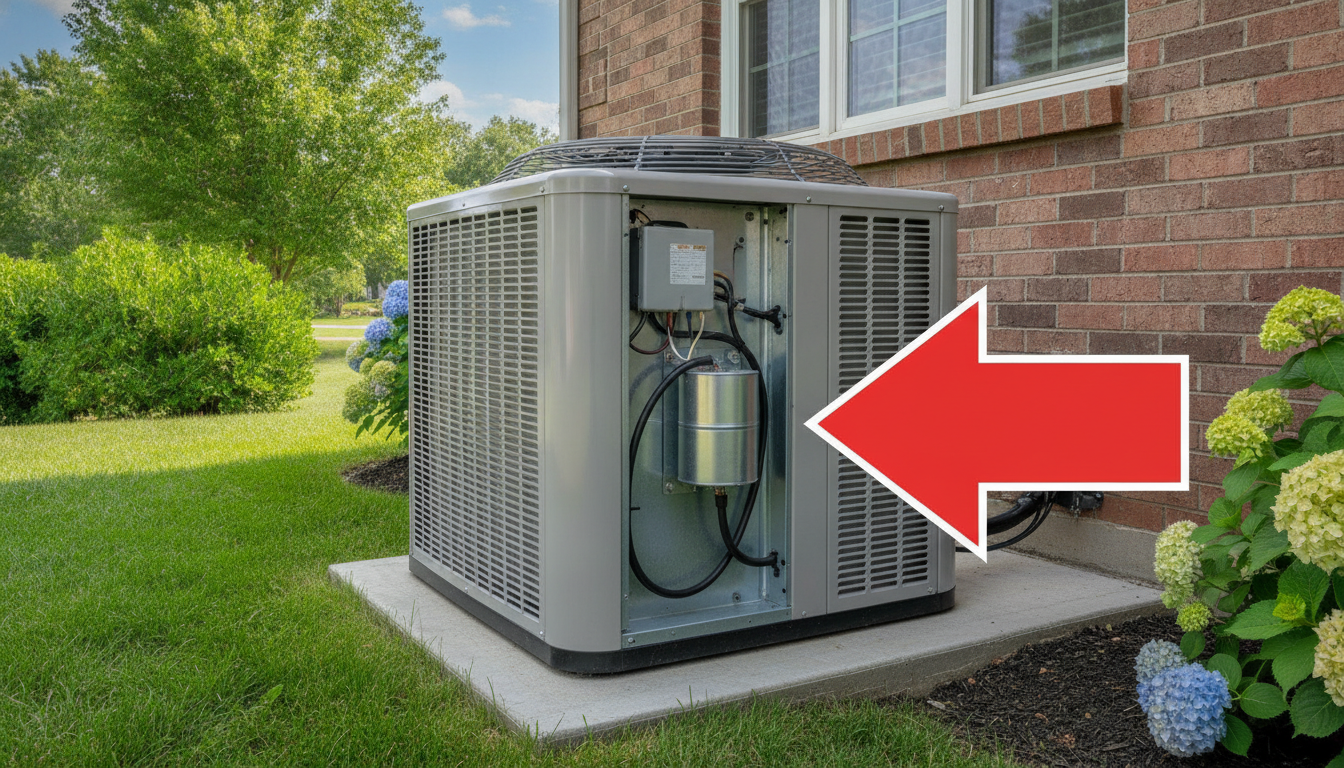
In most outdoor air conditioner units, the capacitor is located inside the electrical panel, usually on the side of the unit. It’s often a cylindrical component, sometimes multi-pronged for “Herm,” “Fan,” and “C” (common) connections. You’ll need to remove the access panel to locate it.
What are the voltage and microfarad (MFD) ratings I should look for when testing?
When testing, observe the capacitor’s voltage rating (e.g., 370V, 440V) and microfarad (MFD or µF) rating (e.g., 35/5 µF). The microfarad rating is what you’ll directly test with your multimeter. Ensure any replacement capacitor matches both the MFD and voltage ratings exactly for proper system operation and safety.
What’s the typical lifespan of an HVAC capacitor?
The typical lifespan of an HVAC capacitor ranges from 5 to 10 years, though environmental factors like extreme heat, frequent power surges, and continuous heavy use can shorten this. Regular HVAC capacitor testing can help predict and prevent failures before they occur.
How much does it cost to have an HVAC technician test and replace a capacitor?
The cost for an HVAC technician to test and replace a capacitor typically ranges from $100 to $400, depending on the type of capacitor, labor rates, and your geographic location. This usually includes the diagnostic fee for HVAC capacitor testing and the cost of the new part and installation.
Where can I find reliable HVAC capacitor testing and replacement services near me?
For reliable HVAC capacitor testing and replacement services, look for reputable local HVAC companies like Stream Cold Air Corp in Deerfield Beach, FL. Check for licensed and insured technicians, positive customer reviews, and companies offering warranties on parts and labor.
Are there any specific safety precautions to take before testing an HVAC capacitor?
Absolutely. Before any HVAC capacitor testing, always disconnect all power to the outdoor unit at the breaker. Use an insulated screwdriver to discharge the capacitor by bridging its terminals. Wear electrical safety gloves and eye protection. Never touch the terminals directly without discharging.
What’s the difference between a start capacitor and a run capacitor in HVAC systems?
A start capacitor provides a large initial burst of power to help the motor overcome inertia, operating for only a few seconds. A run capacitor, however, remains active throughout the motor’s operation, continuously regulating power to improve efficiency and maintain a consistent rotation. Both are crucial for effective HVAC capacitor testing.
What brands of HVAC capacitors are recommended for replacement after testing?
When replacing a capacitor after HVAC capacitor testing, recommended brands include Genteq, Packard, Aerovox, and Supco. Always ensure the replacement capacitor matches the original’s microfarad (MFD) and voltage ratings for optimal performance and compatibility with your AC system.