


HVAC Air Quality: 5 Powerful Health Impacts
HVAC Air Quality is a critical, yet often overlooked, component of a healthy indoor environment. The air circulating through your home or business significantly influences your well-being, affecting everything from respiratory health to overall comfort. Understanding how your heating, ventilation, and air conditioning (HVAC) system impacts the air you breathe is the first step toward creating a truly healthy living space.
This authoritative guide will explore five powerful ways your HVAC system directly influences your health. We will delve into the science behind indoor air quality, identify common pollutants, and present actionable strategies to optimize your HVAC Air Quality. By addressing these factors, you can mitigate health risks and foster an environment conducive to optimal health.
Key Takeaways
- Discover how proper filtration in your HVAC system acts as a crucial barrier against airborne contaminants, directly enhancing your health.
- Understand the significant role of ventilation in maintaining optimal HVAC Air Quality and preventing the buildup of indoor pollutants.
- Learn about advanced air purification technologies that integrate with your HVAC system to neutralize pathogens and allergens.
- Identify the common signs of compromised HVAC Air Quality and recognize its potential health implications, from allergies to respiratory issues.
- Explore professional strategies, including duct cleaning and system maintenance, essential for sustaining superior HVAC Air Quality and protecting your well-being.
Understanding HVAC Air Quality and Its Importance
HVAC Air Quality refers to the overall condition of the air circulated by your heating, ventilation, and air conditioning system within an indoor environment. This encompasses the presence of pollutants, allergens, pathogens, and the balance of humidity and temperature. Optimal HVAC Air Quality is not merely about comfort; it is fundamentally linked to the health and productivity of occupants.
Your HVAC system plays a pivotal role in shaping indoor air quality. It is designed to circulate air, regulate temperature, and manage humidity. However, without proper maintenance and filtration, the very system intended to provide comfort can inadvertently distribute contaminants throughout your space. This makes understanding and managing your HVAC Air Quality paramount.
Common signs of poor HVAC Air Quality in a home often manifest as persistent dust accumulation, unusual or stale odors, and a noticeable increase in allergy symptoms among residents. Other indicators include frequent illnesses, excessive indoor humidity, and even visible mold growth around vents or damp areas. Unexplained headaches or general discomfort can also signal issues with your indoor air.
Recognizing these signs early is crucial for addressing potential problems before they escalate into more significant health concerns. Investing in good HVAC Air Quality is an investment in the health of everyone under your roof. It ensures a cleaner, safer, and more comfortable environment for daily living.

Filtration: The First Line of Defense for HVAC Air Quality
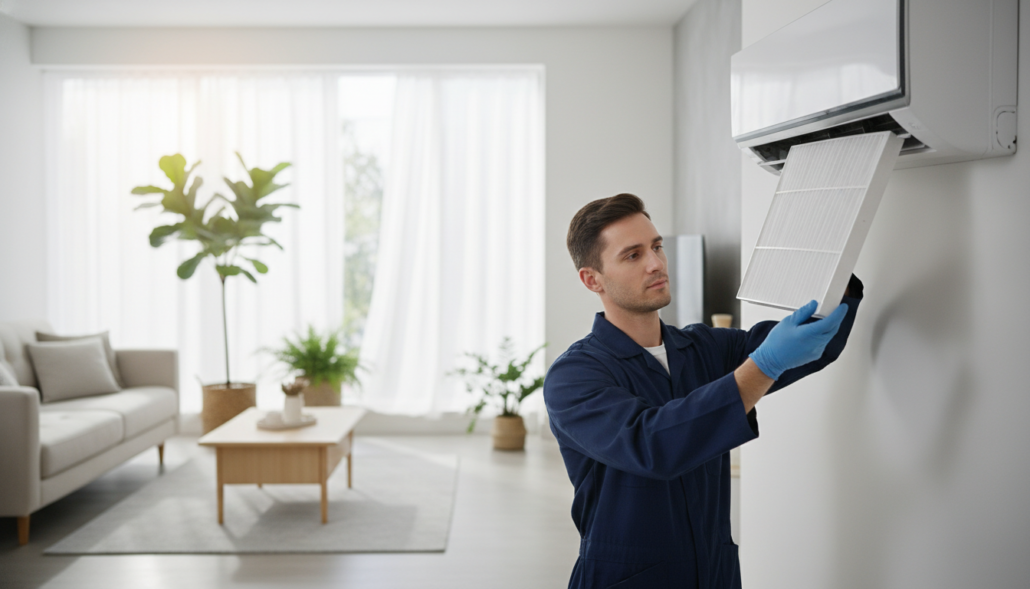
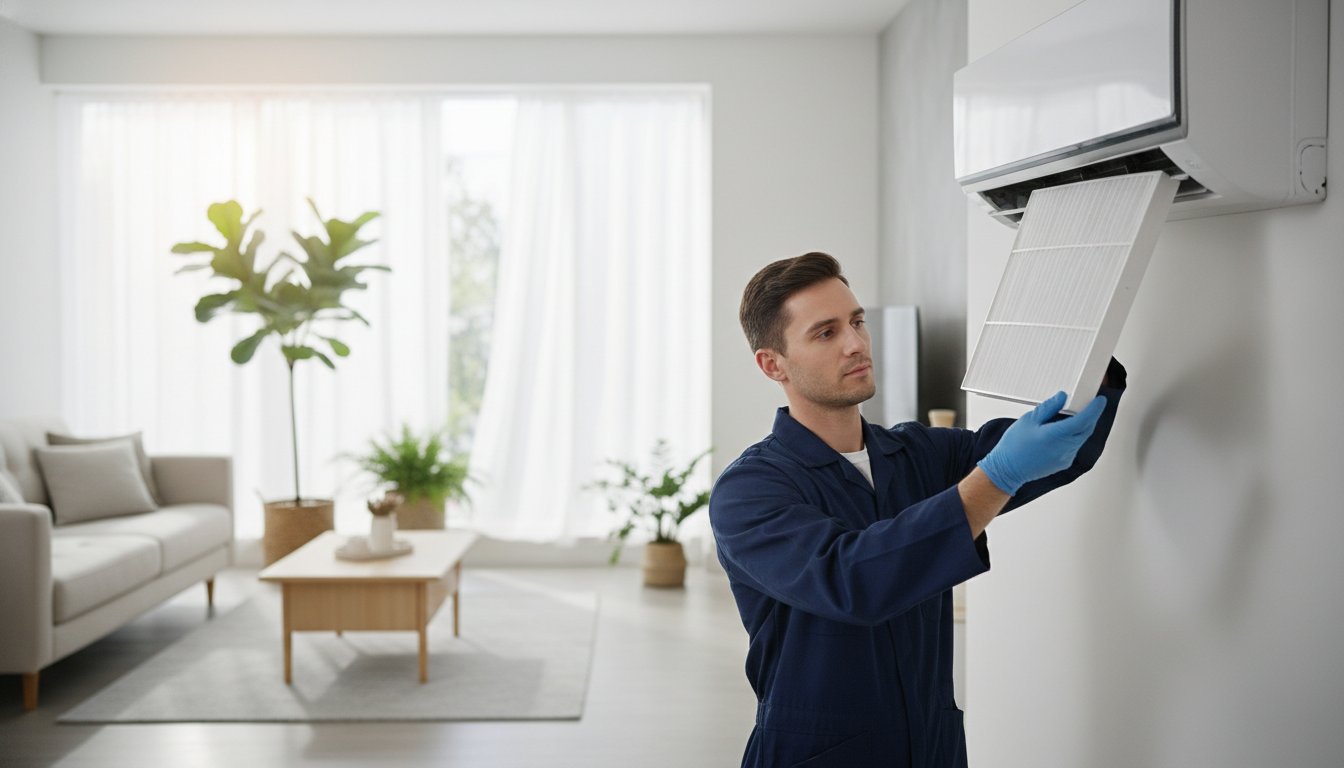
Improving your HVAC Air Quality at home begins with effective filtration. The air filter is the frontline defense against airborne particles, capturing dust, pollen, pet dander, and other irritants before they can circulate throughout your living spaces. Regularly changing your air filter is the simplest yet most impactful step you can take to maintain superior HVAC Air Quality.
The effectiveness of an air filter is measured by its MERV (Minimum Efficiency Reporting Value) rating. For residential use, MERV 8-13 filters are generally recommended for significantly improving HVAC Air Quality. These filters strike an excellent balance between capturing a wide range of particles and allowing sufficient airflow for your system to operate efficiently. Higher MERV ratings, such as MERV 16 or HEPA filters, offer superior filtration.
HEPA (High-Efficiency Particulate Air) filters are the gold standard for air purification, capable of capturing 99.97% of airborne particles 0.3 microns or larger. While incredibly effective for enhancing HVAC Air Quality, HEPA filters are very dense and may restrict airflow in standard residential HVAC systems. This can lead to increased energy consumption and potential damage to your unit if not properly assessed.
For those wondering where to buy HEPA filters for their HVAC system, it is essential to consult with an HVAC professional. They can determine if your system can accommodate a HEPA filter without compromising performance. Specialized HVAC suppliers and some major home improvement stores also carry HEPA-rated filters, but professional guidance ensures compatibility and optimal installation.
Advanced Solutions for Superior HVAC Air Quality
Beyond standard filtration, several advanced solutions can dramatically elevate your HVAC Air Quality. These technologies work in conjunction with your existing system to actively purify the air, neutralizing microscopic pollutants that filters alone might miss. Integrating these solutions creates a comprehensive approach to indoor air health.
UV germicidal lights are a powerful tool for enhancing HVAC Air Quality. Installed within your ductwork or air handler, these lights emit ultraviolet-C (UV-C) radiation that destroys the DNA of airborne pathogens, including bacteria, viruses, and mold spores. This significantly reduces the spread of illness and improves overall air hygiene.
Whole-home air purifiers, often integrated directly into your HVAC system, offer another layer of protection. These systems use various technologies, such as activated carbon, photocatalytic oxidation (PCO), or ionization, to capture and neutralize microscopic particles, volatile organic compounds (VOCs), and odors. The cost to install an air purification system for HVAC can vary widely, typically ranging from $500 to $2,500 or more, depending on the technology and complexity of installation.
When considering an air purifier versus an air humidifier for HVAC Air Quality, it is important to understand their distinct functions. An air purifier actively removes contaminants from the air, while a humidifier adds moisture to the air. Both can contribute to a healthier indoor environment, but they address different aspects of air quality. Purifiers tackle pollutants, while humidifiers alleviate dry air symptoms.
For those dealing with pet allergies, choosing the right HVAC Air Quality solution is crucial. A combination of high-MERV or HEPA filtration, coupled with a whole-home air purifier designed to capture pet dander and odors, is often the most effective strategy. Regular professional duct cleaning also plays a vital role in removing accumulated allergens from your system.
For expert advice on selecting the best solutions, consider reaching out to a trusted provider like Stream Cold Air Corp, who can assess your specific needs.
Improve Your HVAC Air Quality: Expert Solutions from Stream Cold Air Corp
Ensure your home breathes as easily as you do. Our authoritative team provides unparalleled HVAC air quality services, from advanced filtration to duct sanitization.
Professional Services for Optimal HVAC Air Quality
While DIY efforts can improve your HVAC Air Quality, professional services offer a deeper, more comprehensive approach. Experts possess the tools and knowledge to identify hidden issues, perform thorough cleanings, and install advanced systems that ensure your indoor air is truly pristine. This professional touch is often indispensable for achieving and maintaining peak air quality.
You should consider professional HVAC Air Quality testing if you experience persistent symptoms like allergies, respiratory issues, or unexplained odors. Testing provides an accurate assessment of specific pollutants, allergens, and toxins present in your air. This data allows professionals to recommend targeted solutions, rather than a one-size-fits-all approach, ensuring your system promotes a truly healthy indoor environment.
For residents in Deerfield Beach, FL, and surrounding areas, Stream Cold Air Corp offers comprehensive HVAC Air Quality improvement services. They specialize in air duct cleaning, purification system installations, and advanced filtration solutions. Their expertise ensures that your home or business benefits from the cleanest, healthiest air possible, tailored to your specific environmental conditions.
Maintaining optimal HVAC Air Quality also involves regular duct cleaning. HVAC ducts should typically be inspected every 3-5 years and cleaned as needed. However, if you have pets, residents with severe allergies or asthma, recently completed renovations, or notice excessive dust or unusual odors, more frequent cleaning may be highly beneficial. Professional duct cleaning removes accumulated dust, debris, mold, and allergens that can otherwise be recirculated.
When searching for the best local HVAC companies for indoor air quality services, look for providers with certified technicians, positive customer reviews, and a comprehensive range of services. Companies like Stream Cold Air Corp, known for their expertise in Deerfield Beach, FL, offer specialized solutions from advanced filtration to UV light installation, ensuring all aspects of your HVAC Air Quality are expertly managed. Their commitment to client health and satisfaction sets them apart.

The Health Impacts of HVAC Air Quality
The connection between HVAC Air Quality and human health is undeniable and profound. Poor indoor air quality can lead to a spectrum of health issues, ranging from mild irritations to severe chronic conditions. Understanding these impacts underscores the urgency of maintaining excellent HVAC Air Quality in all indoor spaces.
Can poor HVAC Air Quality cause health problems? Absolutely. It can exacerbate existing allergies and asthma, leading to more frequent and severe symptoms. Exposure to airborne irritants like dust mites, pollen, and pet dander, which are often circulated by a compromised HVAC system, triggers inflammatory responses in sensitive individuals. This can result in sneezing, coughing, watery eyes, and difficulty breathing.
Beyond allergies, poor HVAC Air Quality can contribute to respiratory infections, particularly in vulnerable populations such as children and the elderly. Mold spores, bacteria, and viruses can thrive in dirty ductwork and be distributed throughout a building, increasing the risk of illness. Prolonged exposure to these pathogens can weaken the immune system and lead to persistent health challenges.
Moreover, inadequate HVAC Air Quality can cause skin irritation, headaches, and fatigue. Volatile Organic Compounds (VOCs) released from building materials, cleaning products, and furnishings can accumulate in poorly ventilated spaces, leading to symptoms often referred to as
What is HVAC air quality and why is it important?
HVAC air quality refers to the cleanliness and health of the air circulated by your heating, ventilation, and air conditioning system.
It’s critical because poor indoor air quality can lead to respiratory issues, allergies, and other health problems, making a healthy living or working environment essential.
How does an HVAC system impact indoor air quality?
An HVAC system significantly impacts indoor air quality by filtering, circulating, and conditioning the air. A well-maintained system with proper filtration can remove dust, pollen, and pollutants, while a neglected system can spread contaminants, allergens, and mold spores throughout your space.
What are the common signs of poor HVAC air quality in a home?
Common signs of poor HVAC air quality include persistent dust, unusual odors, increased allergy symptoms, frequent illnesses, excessive humidity, and visible mold growth around vents. Discomfort or unexplained headaches can also indicate issues.
How can I improve my HVAC air quality at home?
You can improve HVAC air quality by regularly changing air filters, scheduling professional duct cleaning, using advanced air purification systems like UV lights, and ensuring proper ventilation. Regular HVAC maintenance also plays a vital role in cleaner air.
What types of filters are best for improving HVAC air quality?
For improving HVAC air quality, MERV 8-13 filters are generally recommended for residential use, offering a good balance of filtration and airflow. For superior filtration, consider HEPA filters, though they may require system upgrades due to their density.
Why should I consider professional HVAC air quality testing?
Professional HVAC air quality testing provides an accurate assessment of pollutants, allergens, and toxins in your air. Experts can identify hidden issues, offer tailored solutions, and ensure your system promotes a truly healthy indoor environment.
What advanced solutions (e.g., UV lights, purifiers) are available for HVAC air quality?
Advanced solutions for HVAC air quality include UV germicidal lights, which kill airborne pathogens, whole-home air purifiers that capture microscopic particles, and specialized humidifiers/dehumidifiers for optimal moisture levels. These integrate directly with your HVAC system.
Who offers HVAC air quality improvement services near me?
Stream Cold Air Corp offers comprehensive HVAC air quality improvement services in Deerfield Beach, FL, and surrounding areas. They specialize in air duct cleaning, purification system installations, and advanced filtration solutions to ensure healthy indoor air.
Can poor HVAC air quality cause health problems?
Yes, poor HVAC air quality can absolutely cause health problems. It can exacerbate allergies and asthma, lead to respiratory infections, cause skin irritation, headaches, fatigue, and contribute to long-term health issues due to prolonged exposure to pollutants.
How often should HVAC ducts be cleaned to maintain air quality?
HVAC ducts should typically be inspected every 3-5 years and cleaned as needed. However, if you have pets, allergies, recent renovations, or notice excessive dust or odors, more frequent cleaning may be beneficial to maintain optimal air quality.
Learn more from authoritative resources: Consumer Reports and HGTV.