
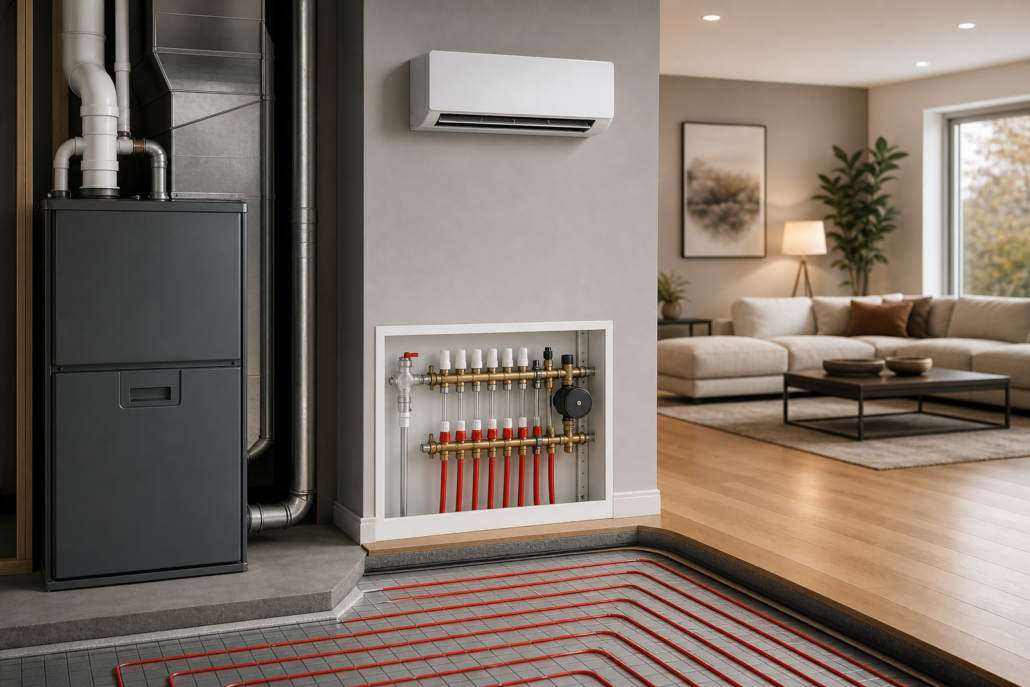
Heating System Types: 7 Ultimate Options for Winter Comfort
Choosing the right Heating System Types for your home is a critical decision that impacts comfort, energy bills, and environmental footprint. With a myriad of options available, understanding each system’s unique benefits and drawbacks is essential for making an informed choice. This guide will explore the 7 ultimate options, from traditional furnaces to innovative geothermal solutions, ensuring your home stays warm and efficient through the coldest months.
The quest for optimal indoor climate control often begins with a thorough evaluation of various Heating System Types. Whether you’re building a new home, replacing an aging unit, or simply looking to upgrade for better efficiency, the landscape of heating technology offers diverse solutions tailored to different needs and preferences. We’ll delve into how each system works, what makes it stand out, and which scenarios it’s best suited for.
Key Takeaways on Heating System Types
- Explore the most common Heating System Types, including furnaces, boilers, and heat pumps, to understand their fundamental differences.
- Discover 7 ultimate options for residential heating, each offering unique advantages in terms of efficiency, cost, and comfort.
- Learn how to choose the best Heating System Types for your specific climate, home size, and energy goals.
- Understand the importance of professional installation and regular maintenance for extending the lifespan and maximizing the efficiency of all Heating System Types.
What are the Most Common Heating System Types?
When considering residential warmth, several primary Heating System Types dominate the market. These systems vary significantly in their operating principles, fuel sources, and the kind of heat they deliver. Understanding these foundational differences is key to appreciating the diverse options available for your home’s comfort.
The most prevalent Heating System Types include forced-air furnaces, boilers, and heat pumps. Each of these categories encompasses various sub-types, offering a spectrum of choices from traditional combustion-based heating to advanced electric heat transfer technologies. Your choice will depend on factors like local climate, existing infrastructure, and personal preferences for warmth distribution.
How Different Heating System Types Work: Forced-Air vs. Hydronic
One of the fundamental distinctions among Heating System Types lies in how they distribute heat. Forced-air systems, primarily furnaces, heat air in a central unit and then push it through a network of ducts to registers in different rooms. This method provides quick heating and can also integrate with central air conditioning for year-round climate control.
In contrast, hydronic systems, typically boilers, heat water or create steam. This hot water or steam then circulates through pipes to radiators, baseboard heaters, or radiant floor systems. Hydronic Heating System Types are known for delivering a more even, gentle heat that many find more comfortable, as it doesn’t involve blowing air and dust.
Exploring 7 Ultimate Heating System Types for Your Home
Let’s dive into the specifics of the top 7 Heating System Types that homeowners consider for reliable and efficient winter comfort. Each system brings its own set of advantages, making it suitable for different residential needs and environmental considerations. From time-tested solutions to cutting-edge innovations, there’s a heating system designed for every home.
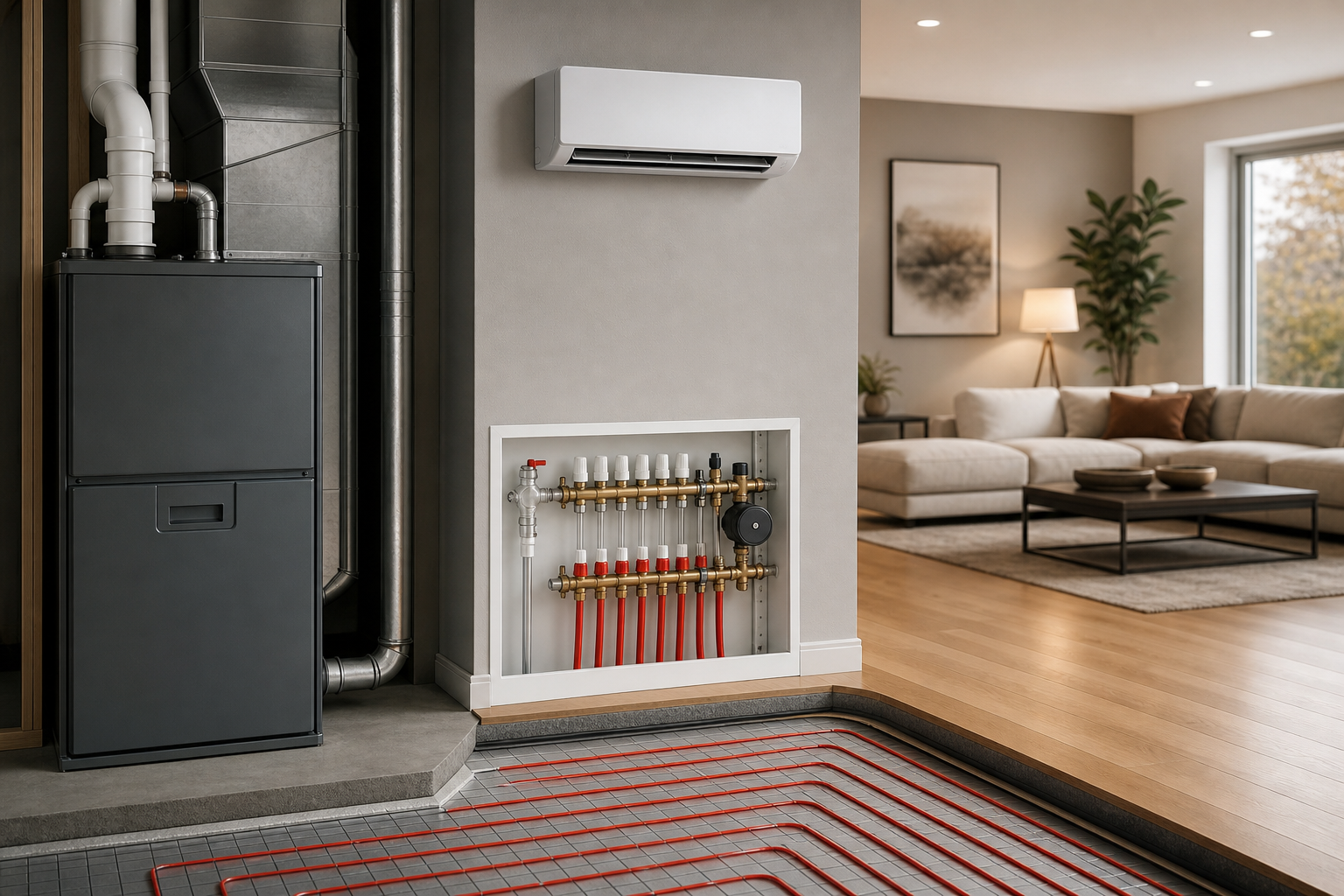
Evaluating these different Heating System Types involves looking at their fuel source, efficiency ratings, installation complexity, and the overall comfort they provide. This detailed exploration will help you narrow down the best fit for your unique situation.
1. Forced-Air Furnaces: Reliable Heating System Types
Furnaces are among the most common Heating System Types, especially in North America. They operate by burning fuel (natural gas, propane, or oil) or using electricity to heat air, which is then distributed throughout the home via a duct system. Modern furnaces boast high Annual Fuel Utilization Efficiency (AFUE) ratings, indicating how efficiently they convert fuel into usable heat.
Gas furnaces are particularly popular due to the relatively low cost of natural gas and their powerful heating capacity, making them excellent Heating System Types for colder climates. Electric furnaces are also available, often chosen where natural gas isn’t accessible or as a backup for heat pumps.
2. Boilers and Hydronic Heating System Types
Boilers are hydronic Heating System Types that heat water to create hot water or steam, which then circulates through pipes to radiators, baseboard heaters, or radiant floor systems. These systems provide a consistent, radiant heat that many find superior in comfort compared to forced air, as it doesn’t dry out the air or circulate allergens.
Boilers can run on natural gas, propane, oil, or electricity. They are known for their durability and long lifespan, often outlasting other Heating System Types. They are particularly effective in older homes with existing radiator systems or in new constructions aiming for premium comfort.
3. Air-Source Heat Pumps: Efficient Heating System Types
Heat pumps are incredibly versatile Heating System Types that can both heat and cool a home. Instead of generating heat, they transfer it. In winter, an air-source heat pump extracts heat from the outside air, even in cold temperatures, and transfers it indoors. In summer, the process reverses, moving heat from inside to outside.
These electric Heating System Types are highly energy-efficient, especially in moderate climates, as they use electricity to move heat rather than create it. Their efficiency is measured by HSPF (Heating Seasonal Performance Factor) for heating and SEER (Seasonal Energy Efficiency Ratio) for cooling. They are a great choice for homeowners looking to reduce their carbon footprint and energy bills.
4. Geothermal Heat Pumps: Sustainable Heating System Types
Geothermal heat pumps are among the most environmentally friendly and efficient Heating System Types available. They harness the stable temperatures of the earth (typically 50-60°F or 10-16°C year-round) to provide heating and cooling. A loop system buried underground exchanges heat with the earth, transferring it to or from your home.
Why consider a geothermal heating system over traditional options? Geothermal Heating System Types offer unparalleled energy efficiency, leading to significantly lower operating costs and a drastically reduced carbon footprint. They have a very long lifespan for the ground loop (50+ years) and indoor components (20-25 years), making them a substantial long-term investment in comfort and sustainability. For more detailed information on their operation, you can consult resources like the U.S. Department of Energy on Geothermal Heat Pumps.
5. Electric Resistance Heating System Types
Electric resistance heating, which includes baseboard heaters, wall heaters, and electric furnaces, directly converts electricity into heat. While these Heating System Types are simple to install and operate, they are generally less efficient than heat pumps or fossil fuel systems in terms of operating cost, especially where electricity prices are high.
Are electric heating systems efficient compared to gas or oil heating? For electric resistance heaters, the answer is often no, as they have a 1:1 energy conversion. However, electric heat pumps are a different story, offering much higher efficiency. Electric resistance heating is often used for supplemental heat or in small spaces where ductwork is impractical.
6. Radiant Floor Heating System Types
Radiant floor heating is a luxurious and highly comfortable option among Heating System Types. It involves installing heating elements (either electric mats or hot water tubes) beneath the floor surface. The heat radiates upward, warming objects and people directly, rather than just the air.
What are the benefits and drawbacks of radiant floor heating systems? Benefits include incredibly even heating, no drafts, quiet operation, and improved indoor air quality (no forced air movement). Drawbacks often include higher initial installation costs and a slower response time compared to forced-air systems. However, the comfort provided by these Heating System Types is often considered worth the investment.
7. Ductless Mini-Splits: Versatile Heating System Types
Ductless mini-split systems are a type of heat pump that doesn’t require extensive ductwork. They consist of an outdoor compressor/condenser and one or more indoor air-handling units, connected by a conduit. Each indoor unit can control the temperature in its specific zone, offering excellent flexibility and energy savings.
These versatile Heating System Types are ideal for additions, converted garages, or homes without existing ductwork. They offer both heating and cooling, precise temperature control for individual rooms, and high energy efficiency. Many homeowners choose ductless mini-splits to supplement existing systems or to heat/cool specific areas of their home.
Considering New Heating System Types for Your Home?
Stream Cold Air Corp provides authoritative expertise in selecting and installing the perfect heating solution tailored to your comfort and efficiency needs.
Choosing the Best Heating System Types for Your Climate and Home
Selecting the ideal heating system involves more than just picking a popular option; it requires a careful assessment of your specific needs. The best Heating System Types for one home might be entirely unsuitable for another, depending on geographical location, house size, and personal priorities regarding energy efficiency and initial cost.
For instance, what is the best heating system for a cold climate or a large house? In very cold regions, high-efficiency gas furnaces or boilers often excel due to their robust heat output. For large homes, geothermal systems can provide consistent, powerful heating and cooling with long-term energy savings, regardless of the climate.
Comparing Heating System Efficiency Ratings: AFUE, SEER, and HSPF
Understanding efficiency ratings is crucial when comparing different Heating System Types. AFUE (Annual Fuel Utilization Efficiency) is used for furnaces and boilers, indicating the percentage of fuel converted into usable heat. A higher AFUE means greater efficiency, with modern units often exceeding 90%.
For heat pumps and air conditioners, SEER (Seasonal Energy Efficiency Ratio) measures cooling efficiency, while HSPF (Heating Seasonal Performance Factor) measures heating efficiency. Higher SEER and HSPF ratings indicate more efficient operation, translating to lower energy bills. Always look for ENERGY STAR® certified Heating System Types for guaranteed efficiency.
Who Manufactures Reliable and Energy-Efficient Heating Systems?
Many reputable manufacturers produce reliable and energy-efficient Heating System Types. Brands like Carrier, Lennox, Trane, Rheem, Goodman, and Daikin are well-known for their quality furnaces, boilers, and heat pumps. When choosing, it’s important to consider not just the brand, but also the specific model’s efficiency ratings and warranty.
Your local HVAC professional can provide recommendations based on your home’s requirements and their experience with various Heating System Types. They often work with specific brands known for their performance and local service availability, ensuring you get a system that’s both high-quality and well-supported.
Installation, Cost, and Maintenance of Heating System Types
The journey to a warm and comfortable home involves not just choosing the right system, but also ensuring it’s properly installed and maintained. The cost to install or replace a new heating system can vary significantly, and understanding these factors is vital for budgeting and long-term planning for your Heating System Types.
Professional installation is paramount for all Heating System Types to ensure safety, efficiency, and adherence to local building codes. An improperly installed system can lead to higher energy bills, frequent breakdowns, and even safety hazards.
How Much Does it Cost to Install or Replace New Heating System Types?
The cost of installing new Heating System Types varies widely. A new furnace might range from $3,000 to $8,000, while a heat pump could be $4,000 to $10,000. Boilers typically fall between $5,000 and $10,000. Geothermal systems represent a larger investment, often ranging from $15,000 to $30,000 or more, due to the complexity of ground loop installation.
These costs include equipment and labor, but can fluctuate based on your home’s specific needs, ductwork modifications, and regional pricing. It’s always best to get multiple quotes from qualified professionals to compare options for your desired Heating System Types.
Typical Lifespan and Maintenance for Heating System Types
The typical lifespan of Heating System Types varies. Furnaces and boilers generally last 15-20 years with proper maintenance. Air-source heat pumps typically last 10-15 years, while the indoor components of geothermal systems can last 20-25 years, and the ground loop over 50 years.
Regular maintenance is crucial for extending the lifespan and maintaining the efficiency of all Heating System Types. This usually involves annual tune-ups by a certified HVAC technician, who will inspect, clean, and test components to prevent breakdowns and ensure optimal performance. This proactive approach can save you money on repairs and energy bills in the long run.
Upgrading Existing Heating System Types for Better Performance
If you’re looking to upgrade your existing Heating System Types for better performance and lower energy bills, several options exist. This could involve replacing an old, inefficient furnace with a high-efficiency model, adding a heat pump to work alongside your existing furnace (a hybrid system), or even converting to a geothermal system if your budget allows.
Other upgrades might include improving your home’s insulation, sealing air leaks, or installing a smart thermostat. These measures can significantly enhance the effectiveness of your Heating System Types and contribute to overall energy savings. Consulting with an HVAC expert can help identify the most impactful upgrades for your specific home.
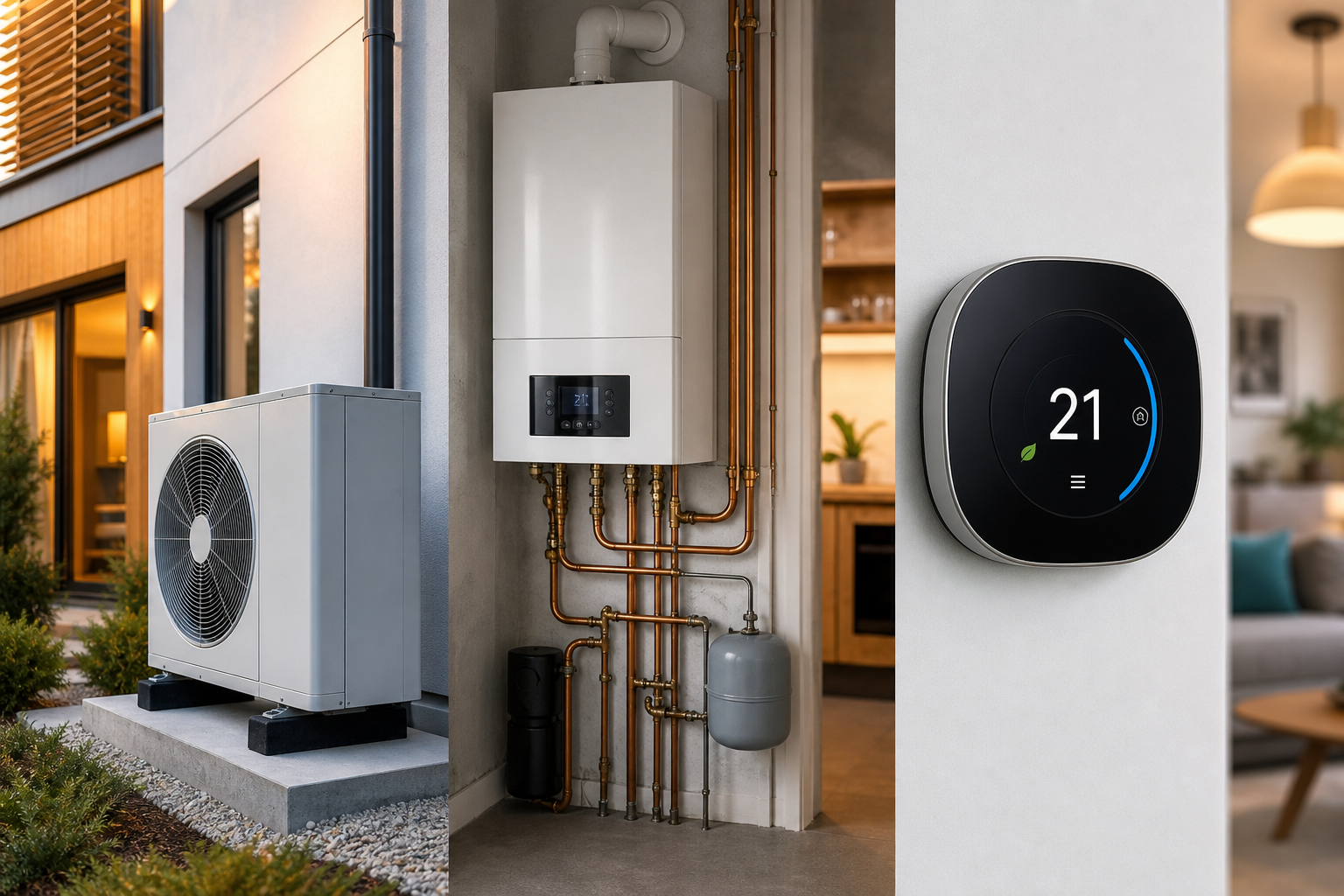
The Future of Heating System Types: Efficiency and Sustainability
As technology advances and environmental concerns grow, the focus for new Heating System Types is increasingly on efficiency and sustainability. Homeowners are looking for solutions that not only provide comfort but also reduce their carbon footprint and operating costs. This shift is driving innovation in the HVAC industry.
Which heating system type is the most environmentally friendly and sustainable? Geothermal heat pumps lead the way due to their reliance on renewable earth energy and minimal electricity consumption. High-efficiency air-source heat pumps, especially those using eco-friendly refrigerants, also offer significant environmental benefits over fossil fuel systems.
The trend is moving towards electrification of heating, with heat pumps becoming a preferred choice in many regions. Government incentives and rebates are often available to encourage the adoption of these more sustainable Heating System Types, making them more accessible to homeowners.
Conclusion: Finding Your Perfect Heating System Types
Navigating the world of Heating System Types can seem daunting, but with a clear understanding of your options, you can make a choice that brings lasting comfort and efficiency to your home. From the robust warmth of furnaces and boilers to the innovative efficiency of heat pumps and radiant systems, there’s a perfect solution for every need.
Remember to consider your climate, home size, budget, and long-term energy goals when evaluating different Heating System Types. Investing in professional installation and regular maintenance will ensure your chosen system operates at its peak performance for years to come. By making an informed decision, you can enjoy a cozy, energy-efficient home through every winter season.
What are the most common types of home heating systems available today?
The most common heating system types include forced-air furnaces (gas, oil, electric), boilers (hydronic radiant heat), heat pumps (air-source and geothermal), and electric resistance heaters. Each offers distinct advantages in terms of efficiency, installation cost, and comfort.
How do different heating systems, such as furnaces, boilers, and heat pumps, work?
Furnaces heat air and distribute it via ducts. Boilers heat water or create steam, circulating it through pipes to radiators or radiant floor systems. Heat pumps transfer heat from outside air or the ground indoors (or vice versa for cooling), rather than generating it, making them highly efficient.
What is the best heating system for a cold climate or a large house?
For very cold climates or large houses, high-efficiency gas furnaces or boilers are often recommended due to their powerful heat output. Geothermal heat pumps are also excellent for large homes in any climate, offering consistent heating and cooling with significant long-term savings.
Why should I consider a geothermal heating system over traditional options?
Geothermal heating system types offer superior energy efficiency by utilizing the earth’s stable temperatures, leading to significantly lower operating costs and a reduced carbon footprint. They provide consistent heating and cooling, have a longer lifespan, and require less maintenance compared to traditional systems.
How much does it cost to install or replace a new heating system?
The cost to install or replace a new heating system varies widely based on the system type, brand, size, and installation complexity. Furnaces and heat pumps typically range from $3,000 to $8,000, while boilers can be $5,000 to $10,000, and geothermal systems often range from $15,000 to $30,000 or more, including drilling.
What are the benefits and drawbacks of radiant floor heating systems?
Benefits of radiant floor heating include exceptional comfort through even warmth, quiet operation, and improved indoor air quality (no forced air circulation). Drawbacks include higher installation costs and a slower response time compared to forced-air systems.
Are electric heating systems efficient compared to gas or oil heating?
Electric resistance heating (like baseboard heaters) is generally less efficient than gas or oil furnaces/boilers due to the higher cost of electricity compared to natural gas. However, electric heat pumps are highly efficient, as they transfer heat rather than generate it, making them a very competitive and often superior option to fossil fuel systems in terms of operating cost and environmental impact.
How do I compare heating system efficiency ratings like AFUE and SEER?
AFUE (Annual Fuel Utilization Efficiency) is used for furnaces and boilers, indicating the percentage of fuel converted into usable heat (higher is better). SEER (Seasonal Energy Efficiency Ratio) is for air conditioners and heat pumps in cooling mode, while HSPF (Heating Seasonal Performance Factor) is for heat pumps in heating mode (again, higher numbers indicate better efficiency for both).
Which heating system type is the most environmentally friendly and sustainable?
Geothermal heat pumps are widely considered the most environmentally friendly and sustainable heating system type due to their minimal energy consumption and reliance on renewable earth energy. Air-source heat pumps, especially with high SEER/HSPF ratings, also offer significant environmental benefits over fossil fuel systems.
What is the typical lifespan and maintenance schedule for different heating system types?
Most furnaces and boilers last 15-20 years with proper care, while heat pumps typically last 10-15 years. Geothermal systems can last 20-25 years for indoor components and over 50 years for the ground loop. All heating system types benefit from annual professional maintenance to ensure efficiency, extend lifespan, and prevent breakdowns.