Heating System Efficiency: 7 Ultimate Secrets to Slash Your Winter Bills
Heating System Efficiency is paramount for any homeowner looking to maintain a comfortable living environment while keeping energy costs in check. As winter approaches, the performance of your heating system directly impacts your monthly utility bills and overall home comfort. Understanding how your system operates and identifying opportunities for improvement can lead to significant savings and a warmer, cozier home.
This comprehensive guide will unlock 7 ultimate secrets to drastically slash your winter heating bills. We’ll delve into everything from understanding efficiency measurements to exploring the latest energy-efficient technologies. By implementing these expert tips, you can ensure your home remains warm and inviting throughout the colder months, without the financial strain often associated with high energy consumption.
Key Takeaways
- Understand the critical role of Heating System Efficiency in reducing your winter energy bills and enhancing home comfort.
- Learn how key metrics like AFUE and HSPF measure your system’s performance and what they mean for your wallet.
- Discover actionable strategies, from routine maintenance to smart thermostat integration, to boost your existing system’s efficiency.
- Explore the most energy-efficient heating system types and top brands to consider for future upgrades.
- Identify common signs of an inefficient system and understand the financial incentives available for making efficiency improvements.
What is Heating System Efficiency and How is it Measured?
Heating System Efficiency refers to how effectively your heating unit converts fuel or electricity into usable heat for your home. It’s a critical factor in determining your energy consumption and, consequently, your heating bills. A higher efficiency rating means less wasted energy and more heat delivered to your living spaces.
Understanding these measurements is the first step toward optimizing your home’s warmth and budget. Different types of heating systems use distinct metrics to quantify their efficiency, providing a clear picture of their performance.
Why is Heating System Efficiency Important for Homeowners?
For homeowners, the importance of a high Heating System Efficiency cannot be overstated. It directly translates into lower monthly utility bills, making your home more affordable to heat. Beyond cost savings, an efficient system provides more consistent and reliable warmth, eliminating cold spots and enhancing overall comfort.
Furthermore, an energy-efficient heating system reduces your household’s carbon footprint, contributing to environmental sustainability. It’s a win-win situation: you save money, enjoy a more comfortable home, and support a healthier planet.
Key Metrics for Measuring Heating System Efficiency
The efficiency of heating systems is measured using specific ratings:
- AFUE (Annual Fuel Utilization Efficiency): This applies to furnaces and boilers. AFUE indicates the percentage of fuel converted into usable heat over a typical heating season. For example, a furnace with a 90% AFUE rating means 90% of the fuel is converted to heat, while 10% is lost through the chimney or other means.
- HSPF (Heating Seasonal Performance Factor): Used for heat pumps, HSPF measures the total heating output of a heat pump during its normal annual usage period, divided by the total electric power input during the same period. Higher HSPF ratings indicate greater efficiency.
- SEER (Seasonal Energy Efficiency Ratio): While primarily a cooling efficiency rating for air conditioners and heat pumps, heat pumps also have a SEER rating for their cooling function. It’s important to consider both SEER and HSPF for heat pump performance.
Modern high-efficiency furnaces often boast AFUE ratings of 90% or higher, while older models might be as low as 60-70%. Upgrading to a more efficient unit can lead to substantial long-term savings.
7 Ultimate Secrets to Boost Your Existing Heating System Efficiency
You don’t always need a brand-new system to improve your home’s warmth and reduce energy waste. Many effective strategies can significantly enhance your existing Heating System Efficiency. These secrets focus on optimizing performance, minimizing heat loss, and smart energy management.
1. Routine Maintenance for Enhanced Heating System Efficiency
Regular professional maintenance is the single most impactful step you can take to ensure optimal Heating System Efficiency. An annual tune-up by a qualified HVAC technician can identify and address minor issues before they escalate into costly repairs or significant efficiency losses.
During a tune-up, technicians clean components, check for wear and tear, lubricate moving parts, and calibrate the system for peak performance. This proactive approach not only extends your system’s lifespan but also ensures it operates at its rated efficiency, saving you money.
2. Change Air Filters Regularly
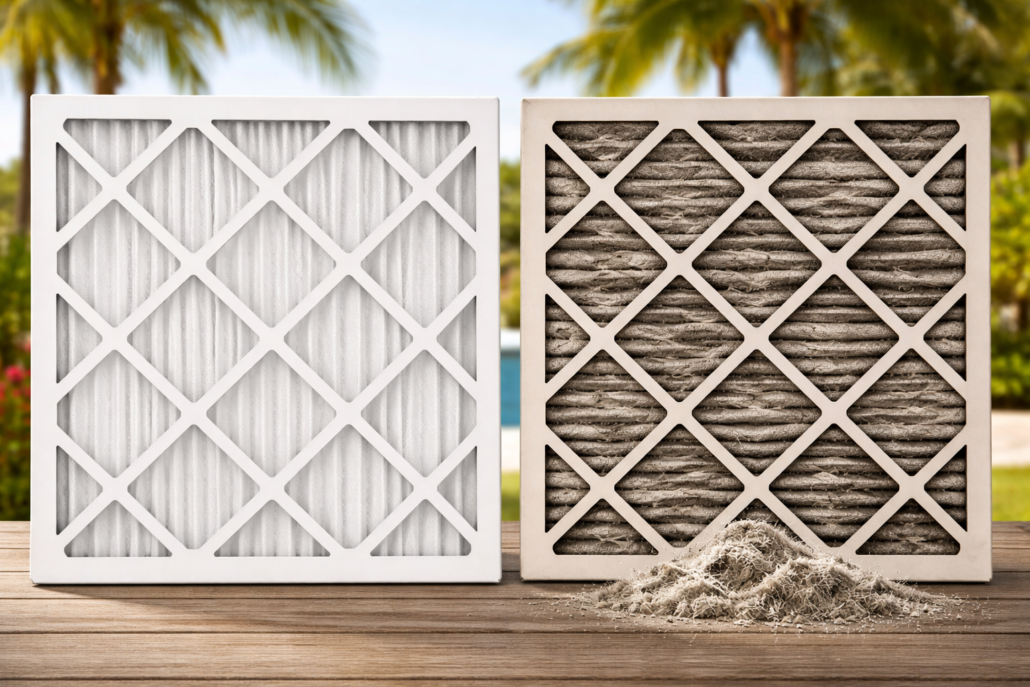
A dirty air filter is one of the most common culprits behind reduced Heating System Efficiency. Clogged filters restrict airflow, forcing your furnace or heat pump to work harder to push air through, consuming more energy in the process. This extra strain can also lead to premature wear and tear on components.
It’s recommended to check your air filter monthly and replace it every 1-3 months, or more frequently if you have pets, allergies, or live in a dusty environment. This simple, inexpensive task can dramatically improve airflow and maintain efficiency.
3. Seal Air Leaks and Improve Insulation
Your heating system can be incredibly efficient, but if your home is leaking heat, you’re still wasting energy. Air leaks around windows, doors, electrical outlets, and plumbing penetrations allow warm air to escape and cold air to enter. Sealing these leaks with caulk or weatherstripping is a cost-effective way to improve your home’s thermal envelope.
Additionally, adequate insulation in your attic, walls, and crawl spaces is crucial. Proper insulation acts as a barrier, preventing heat from escaping your home. The U.S. Department of Energy provides excellent resources on insulation recommendations for different climate zones, which can significantly impact your heating costs.
4. Smart Thermostats: A Key to Heating System Efficiency
Upgrading to a smart thermostat is one of the most effective modern solutions for boosting Heating System Efficiency. These devices allow for precise temperature control, programmable schedules, and often include features like geofencing, which adjusts heating based on whether you’re home or away.
Many smart thermostats learn your preferences over time, automatically optimizing your heating schedule for maximum comfort and energy savings. Some even provide energy usage reports, helping you identify patterns and further refine your heating strategy. This technology puts you in control of your energy consumption.
5. Optimize Vent and Register Usage
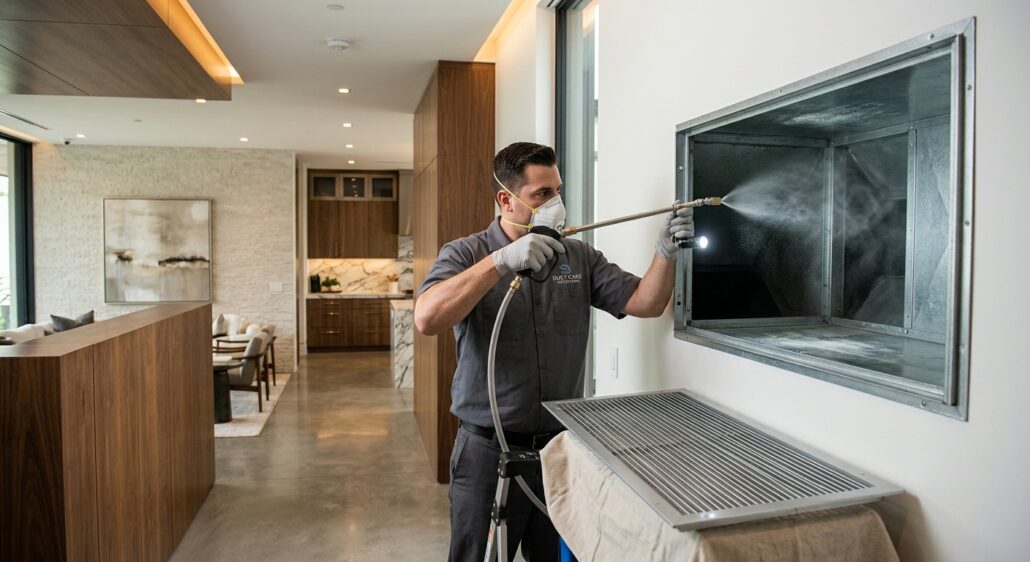
Ensure all heating vents and registers are open and unobstructed. Blocking vents with furniture, rugs, or curtains can impede airflow and create pressure imbalances in your ductwork, forcing your system to work harder. Regularly clean vents to remove dust and debris, ensuring unrestricted heat distribution.
Consider zoning your home if possible, or at least closing vents in unused rooms to direct heat more effectively to living areas. This targeted approach can improve overall comfort and reduce wasted energy.
6. Inspect and Seal Ductwork
Ductwork leaks can account for a significant amount of heat loss, sometimes as much as 20-30% of your heating system’s output. These leaks allow conditioned air to escape into unheated spaces like attics, basements, or crawl spaces before it reaches your living areas. Inspecting your ductwork for gaps, tears, or loose connections is vital.
Sealing ducts with mastic sealant or metal-backed tape (not duct tape, which degrades over time) can dramatically improve your Heating System Efficiency. This task can be done by a homeowner for accessible ducts or by a professional for more complex systems.
7. Utilize Natural Sunlight
Harnessing natural sunlight is a simple yet powerful way to supplement your heating efforts. During the day, open curtains and blinds on south-facing windows to allow sunlight to stream in and naturally warm your home. This passive solar gain can significantly reduce the need for your heating system to run.
Conversely, close curtains and blinds at night to add an extra layer of insulation, preventing heat from escaping through windows. This mindful approach to window coverings can make a noticeable difference in maintaining indoor temperatures.
Choosing Energy-Efficient Heating System Efficiency Types
When it’s time to replace an aging heating system, selecting an energy-efficient model is a crucial decision that will impact your energy bills for years to come. Modern heating technologies offer remarkable advancements in Heating System Efficiency, providing powerful warmth with minimal energy waste.
What are the Most Energy-Efficient Types of Heating Systems Available?
The most energy-efficient heating systems typically include:
- High-Efficiency Condensing Furnaces: These gas or oil furnaces achieve AFUE ratings of 90% or higher by extracting more heat from exhaust gases, often using a secondary heat exchanger.
- Geothermal Heat Pumps: These systems harness the stable temperature of the earth to provide highly efficient heating and cooling. They have very low operating costs but higher upfront installation costs.
- Air-Source Heat Pumps: These units transfer heat between your home and the outside air. Modern cold-climate air-source heat pumps can operate efficiently even in freezing temperatures, offering both heating and cooling.
- Modulating-Condensing Boilers: High-efficiency boilers can modulate their heat output to match demand, preventing energy waste and achieving excellent efficiency ratings.
The best choice depends on your climate, home size, existing infrastructure, and budget. Consulting with an HVAC professional is essential to determine the ideal system for your specific needs.
Top Brands for High Heating System Efficiency
Many reputable brands are known for producing high-efficiency heating systems. When considering an upgrade, look for brands that consistently receive high ratings from independent organizations like ENERGY STAR. Some of the leading manufacturers include:
- Trane: Known for durable and reliable systems with excellent efficiency ratings.
- Carrier: A long-standing leader in HVAC, offering a wide range of high-efficiency furnaces, heat pumps, and boilers.
- Lennox: Features innovative technologies and some of the highest efficiency ratings in the industry.
- Goodman: Offers reliable and affordable high-efficiency options.
- Rheem: Provides a strong lineup of efficient heating and cooling products.
- Day & Night: Known for dependable performance and good value in the high-efficiency market.
Stream Cold Air Corp works with all major brands, ensuring you have access to the best options for your home. We can help you compare prices for energy-efficient heating systems and find the perfect fit.
Installation, Lifespan, and Cost of Heating System Efficiency
Investing in a new, high-efficiency heating system involves more than just the unit’s price. Proper installation, understanding the system’s lifespan, and knowing the overall cost are all critical factors for homeowners. These elements directly influence the long-term value and performance of your heating solution.

Finding Local Contractors for Heating System Efficiency
The quality of installation is just as important as the quality of the heating system itself. A poorly installed high-efficiency unit will not perform as expected, negating your investment. For high-efficiency heating system installation in Deerfield Beach, FL, Stream Cold Air Corp is a highly recommended local contractor.
We have a reputation for expert installation, professional service, and ensuring optimal system performance. Our team provides free quotes for new system installations, helping you understand your options and associated costs without obligation. Choosing a trusted local expert ensures your system is installed correctly and efficiently.
What is the Average Lifespan of an Efficient Heating System?
The average lifespan of an efficient heating system varies by type and, crucially, by the quality of its maintenance. Furnaces and boilers typically last 15-20 years, while heat pumps might last 10-15 years. Regular professional maintenance is the most significant factor in extending your system’s operational life and maintaining its Heating System Efficiency.
Neglecting maintenance can cut a system’s life short and lead to a gradual decline in efficiency. Investing in annual tune-ups protects your investment and ensures consistent performance over time.
How Much Does it Cost to Install a New Energy-Efficient Heating System?
The cost to install a new energy-efficient heating system varies widely based on several factors: the system type (furnace, heat pump, boiler), brand, size of your home, and the complexity of the installation. While the upfront cost can be higher than standard models, the long-term energy savings often make it a worthwhile investment.
Stream Cold Air Corp offers transparent pricing and free quotes for new system installations. We can help you compare prices for energy-efficient heating systems and provide a detailed breakdown of costs, ensuring you make an informed decision that aligns with your budget and energy-saving goals.
Boost Your Heating System Efficiency Today with Stream Cold Air Corp!
Our expert technicians specialize in optimizing your heating system for peak performance, ensuring maximum warmth and minimal energy waste. We provide comprehensive solutions from maintenance to new installations, tailored to your home’s needs.
Recognizing Signs of Poor Heating System Efficiency
Even if your heating system is still working, it might not be operating at its peak Heating System Efficiency. Identifying the common signs of an inefficient system early can help you address issues before they lead to major breakdowns or exorbitant energy bills. Being proactive can save you money and discomfort.
What are the Common Signs of an Inefficient Heating System?
Keep an eye out for these indicators that your heating system may be losing its efficiency:
- Unusually High Energy Bills: This is often the most obvious sign. If your heating bills are steadily increasing without a corresponding change in usage or outdoor temperatures, your system is likely working harder than it should.
- Inconsistent Heating: Cold spots in certain rooms or uneven temperatures throughout your home suggest your system isn’t distributing heat effectively.
- Frequent Cycling: If your furnace or heat pump is constantly turning on and off (short-cycling), it’s struggling to maintain the set temperature, indicating inefficiency or an underlying issue.
- Strange Noises: Grinding, squealing, banging, or persistent rattling noises from your unit can signal mechanical problems that impact efficiency.
- Visible Rust or Cracks: Any visible damage to your furnace, especially cracks in the heat exchanger, is a serious safety concern and a clear sign of inefficiency.
- Struggling to Maintain Temperature: If your system runs continuously but fails to reach or hold the desired temperature, its heating capacity may be compromised.
If you notice any of these signs, it’s advisable to schedule a professional inspection. Addressing these issues promptly can restore your system’s efficiency and prevent more significant problems down the line.

Government Incentives for Heating System Efficiency Upgrades
Upgrading to a more energy-efficient heating system can be a significant investment, but various government incentives and rebates are often available to help offset the cost. These programs encourage homeowners to choose greener, more efficient technologies, benefiting both your wallet and the environment.
Are There Government Incentives or Rebates for Upgrading to an Efficient Heating System?
Yes, government incentives and rebates for upgrading to an efficient heating system are frequently available. These can include:
- Federal Tax Credits: The U.S. federal government often offers tax credits for installing specific high-efficiency HVAC equipment, such as certain heat pumps, furnaces, and boilers. These credits can reduce your tax liability.
- State-Specific Programs: Many states, including Florida, offer their own energy efficiency programs. These might come in the form of grants, low-interest loans, or additional tax incentives.
- Local Utility Company Rebates: Your local electric or gas utility company may provide rebates for purchasing and installing ENERGY STAR certified heating equipment. These are often direct discounts or credits on your utility bill.
It’s recommended to check federal programs like the ENERGY STAR initiative and local Florida energy efficiency programs for current offerings. Stream Cold Air Corp can also provide guidance on available incentives when you’re considering a new installation.
What is heating system efficiency and how is it measured?
Heating system efficiency refers to how effectively your system converts fuel or electricity into usable heat for your home. It’s primarily measured by the Annual Fuel Utilization Efficiency (AFUE) for furnaces and boilers, indicating the percentage of fuel converted to heat. Heat pumps use Heating Seasonal Performance Factor (HSPF) for heating and Seasonal Energy Efficiency Ratio (SEER) for cooling.
How can I improve my existing heating system’s efficiency?
Improving your existing heating system’s efficiency involves several steps. Regular professional maintenance, sealing air leaks in your home, upgrading insulation, and using a smart thermostat are key. Also, ensure your filters are clean and consider ductwork inspection for leaks.
Why is heating system efficiency important for homeowners?
Heating system efficiency is crucial for homeowners because it directly impacts energy consumption and utility bills. A highly efficient system means less wasted energy, leading to significant savings on monthly heating costs. It also contributes to a smaller carbon footprint and enhanced indoor comfort.
What are the most energy-efficient types of heating systems available?
The most energy-efficient heating systems typically include high-efficiency condensing furnaces (90%+ AFUE), geothermal heat pumps, and air-source heat pumps. Boilers can also be highly efficient, especially modern modulating-condensing models. Choosing the right system depends on your climate and home structure.
What brands are recommended for high-efficiency heating systems?
Many reputable brands offer excellent high-efficiency heating systems. Stream Cold Air Corp works with all major brands, including Trane, Carrier, Lennox, Goodman, Rheem, and Day & Night. These brands are known for their reliability, innovation, and strong efficiency ratings across various product lines.
Who are the best local contractors for high-efficiency heating system installation?
For high-efficiency heating system installation in Deerfield Beach, FL, Stream Cold Air Corp is a highly recommended local contractor. They have a reputation for expert installation, professional service, and ensuring optimal system performance, backed by numerous positive customer testimonials.
What is the average lifespan of an efficient heating system?
The average lifespan of an efficient heating system varies by type and maintenance. Furnaces and boilers typically last 15-20 years, while heat pumps might last 10-15 years. Regular professional maintenance is the most significant factor in extending your system’s operational life and maintaining its Heating System Efficiency.
Are there government incentives or rebates for upgrading to an efficient heating system?
Yes, government incentives and rebates for upgrading to an efficient heating system are often available. These can include federal tax credits, state-specific programs, and local utility company rebates. It’s recommended to check federal programs like the ENERGY STAR initiative and local Florida energy efficiency programs for current offerings.
Where can I purchase a new high-efficiency heating system?
You can purchase a new high-efficiency heating system through licensed HVAC contractors like Stream Cold Air Corp. They not only sell and install systems from top brands but also provide expert advice on selecting the right unit for your home, offering free quotes for new system installations.
What are the common signs of an inefficient heating system?
Common signs of an inefficient heating system include unusually high energy bills, inconsistent heating throughout your home, frequent cycling (turning on and off), strange noises, visible rust or cracks on the unit, and a system that struggles to maintain the desired temperature.
How much does it cost to install a new energy-efficient heating system?
The cost to install a new energy-efficient heating system varies widely based on the system type, brand, size of your home, and installation complexity. While the upfront cost can be higher than standard models, the long-term energy savings often make it a worthwhile investment. Stream Cold Air Corp offers free quotes.
What routine maintenance tasks enhance heating system efficiency?
Routine maintenance tasks crucial for enhancing Heating System Efficiency include changing air filters regularly (every 1-3 months), annual professional tune-ups, cleaning vents and registers, checking ductwork for leaks, and ensuring the outdoor unit (for heat pumps) is free of debris.
Where can I compare prices for energy-efficient heating systems?
Comparing prices for energy-efficient heating systems is best done by obtaining multiple quotes from reputable HVAC contractors. Stream Cold Air Corp offers transparent pricing and free quotes for new system installations, helping you understand your options and associated costs.
What is the AFUE rating and how does it relate to furnace efficiency?
AFUE stands for Annual Fuel Utilization Efficiency. It’s a key metric for furnaces and boilers, expressed as a percentage, indicating how much of the fuel consumed is converted into usable heat over a typical heating season. A higher AFUE rating, like 90% or above, signifies greater furnace efficiency and lower energy waste.
Can smart thermostats significantly improve heating system efficiency?
Yes, smart thermostats can significantly improve heating system efficiency. They allow for precise temperature control, programmed schedules, and often include features like geofencing and learning capabilities, which optimize heating based on occupancy and preferences, leading to substantial energy savings and enhanced Heating System Efficiency.
Conclusion: Mastering Heating System Efficiency for a Warmer Home
Mastering Heating System Efficiency is a journey that empowers homeowners to take control of their comfort and energy expenses. From understanding the core metrics like AFUE and HSPF to implementing smart maintenance routines and considering advanced technologies, every step contributes to a more efficient and cost-effective home.
By prioritizing regular tune-ups, sealing air leaks, upgrading to smart thermostats, and making informed decisions about new system installations, you can significantly slash your winter heating bills. Remember, a highly efficient heating system not only saves you money but also provides a consistently warm, comfortable, and environmentally friendly living space. Embrace these ultimate secrets to ensure your home is prepared for the coldest months, offering warmth and peace of mind.