


Heat Pump Installation: 6 Proven Benefits & 7 Expert Tips for Ultimate Savings
Heat Pump Installation represents a pivotal upgrade for homeowners seeking to revolutionize their home comfort and energy efficiency. In today’s dynamic energy landscape, a heat pump offers a sophisticated, all-in-one solution for both heating and cooling, moving beyond traditional systems that rely on burning fossil fuels or separate units for different seasons. This innovative technology harnesses ambient energy, providing a powerful yet environmentally conscious approach to maintaining ideal indoor temperatures year-round.
This comprehensive guide will delve into the remarkable advantages of integrating a heat Pump into your home. We’ll explore the science behind their efficiency, detail the myriad benefits they offer, and provide expert insights into the installation process. From understanding costs to choosing the right installer, consider this your essential resource for making an informed decision about your next home comfort upgrade.
Key Takeaways
- Discover how Heat Pump Installation delivers superior energy efficiency, significantly reducing your utility bills compared to traditional HVAC systems.
- Learn about the dual functionality of heat pumps, providing both powerful heating and cooling from a single, integrated system.
- Understand the critical factors in selecting a qualified professional for your Heat Pump Installation to ensure optimal performance and longevity.
- Explore available grants, rebates, and financing options that can make your investment in a heat pump more accessible and affordable.
Understanding Heat Pump Installation: A Smart Investment
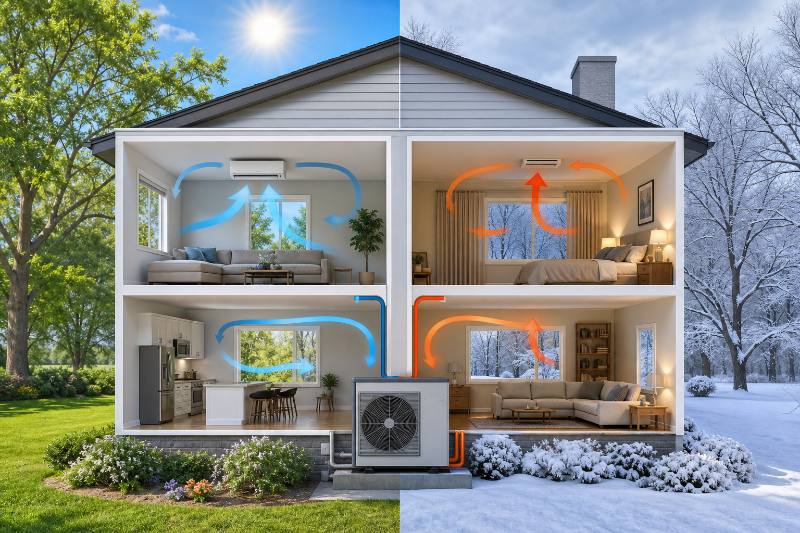
The decision for a new Heat Pump Installation is more than just replacing an old HVAC system; it’s an investment in your home’s future comfort, efficiency, and value. Heat pumps operate on a fundamentally different principle than traditional furnaces or air conditioners. Instead of generating heat by burning fuel or using electric resistance, they simply transfer heat from one place to another.
In colder months, a heat pump extracts heat from the outside air (even when it’s cold) and transfers it indoors. During warmer months, it reverses the process, pulling heat from inside your home and releasing it outside. This heat transfer mechanism is incredibly efficient, making Heat Pump Installation a cornerstone of modern, sustainable living.
Why is Heat Pump Installation Considered an Energy-Efficient Upgrade?
Heat Pump Installation is celebrated as an energy-efficient upgrade because heat pumps do not generate heat directly. They move existing heat, which requires significantly less energy than creating it. For every unit of electricity consumed, a heat pump can deliver two to three times that amount in heating or cooling energy. This efficiency translates directly into lower energy consumption and reduced utility bills for homeowners.
Their ability to provide both heating and cooling from a single unit further enhances their efficiency, eliminating the need for separate, energy-intensive systems. This integrated approach simplifies your home’s HVAC infrastructure while maximizing performance.
What Types of Heat Pumps are Best for Residential Heat Pump Installation?
For residential Heat Pump Installation, several types are available, each suited to different needs and climates. The most common are air-source heat pumps, which transfer heat between your home and the outside air. These are highly versatile and popular, especially in moderate climates.
Ductless mini-split heat pumps are an excellent option for homes without existing ductwork or for conditioning specific zones. Geothermal heat pumps, while having a higher upfront cost, offer the highest efficiency by utilizing the stable temperatures beneath the earth’s surface. The best choice for your home depends on factors like climate, budget, and existing infrastructure.
The 6 Proven Benefits of Heat Pump Installation
Opting for a Heat Pump Installation brings a wealth of advantages that extend far beyond simple temperature control. These systems are designed to deliver comprehensive home comfort while simultaneously addressing environmental concerns and offering substantial financial savings. Here are six proven benefits that make heat pumps an increasingly popular choice for discerning homeowners.
1. Superior Energy Efficiency & Cost Savings from Heat Pump Installation
One of the most compelling reasons for Heat Pump Installation is the significant reduction in energy consumption. Because heat pumps move heat rather than generate it, they use far less electricity than traditional furnaces or air conditioners. This efficiency directly translates into lower monthly utility bills, offering substantial long-term savings for homeowners.
The initial investment in a heat pump is quickly offset by these ongoing operational cost reductions. For instance, a study by the U.S. Department of Energy highlights the potential for significant energy savings with heat pumps.
2. Year-Round Comfort with Your Heat Pump Installation
A single Heat Pump Installation provides both heating and cooling capabilities, eliminating the need for separate furnace and air conditioning units. This dual functionality ensures consistent, comfortable temperatures in your home throughout every season. You can seamlessly switch between heating and cooling modes with the touch of a button, simplifying your home’s climate control.
This integrated approach means fewer mechanical systems to maintain and a more streamlined operation for your entire home comfort system.
3. Enhanced Indoor Air Quality Through Heat Pump Installation
Heat pumps contribute to improved indoor air quality by continuously circulating and filtering the air. Many modern heat pump systems come equipped with advanced filtration technologies that can capture dust, allergens, and other airborne particulates. This is a significant benefit, especially for individuals with allergies or respiratory sensitivities.
Unlike combustion-based heating systems, heat pumps do not produce carbon monoxide or other harmful emissions, making your home environment safer and healthier.
4. Reduced Carbon Footprint with Heat Pump Installation
For environmentally conscious homeowners, Heat Pump Installation offers a powerful way to reduce your carbon footprint. By consuming less energy and avoiding the direct burning of fossil fuels, heat pumps significantly lower greenhouse gas emissions. This makes them a key technology in the global effort to combat climate change.
Choosing a heat pump is a tangible step towards a more sustainable lifestyle, aligning your home comfort with ecological responsibility.
5. Increased Home Value from Heat Pump Installation
Investing in a modern, energy-efficient Heat Pump Installation can significantly increase your property’s market value. Prospective homebuyers are increasingly prioritizing homes with lower operating costs and advanced, eco-friendly features. A new heat pump system signals a well-maintained and forward-thinking home, making it more attractive on the real estate market.
This upgrade is not just about personal comfort; it’s a strategic enhancement to your home’s overall appeal and resale potential.
6. Quiet Operation After Heat Pump Installation
Compared to traditional HVAC systems, heat pumps are renowned for their remarkably quiet operation. Modern units are designed with advanced compressors and fan technologies that minimize noise levels, both indoors and outdoors. This ensures a more peaceful and comfortable living environment, free from the disruptive hum or roar often associated with older heating and cooling systems.
Enjoy the benefits of consistent climate control without the auditory intrusion, enhancing the tranquility of your home.
Considering Heat Pump Installation? Trust Stream Cold Air Corp!
Experience unparalleled efficiency and comfort with our expert heat pump installation services, tailored to your home’s unique needs.
Navigating Your Heat Pump Installation Journey
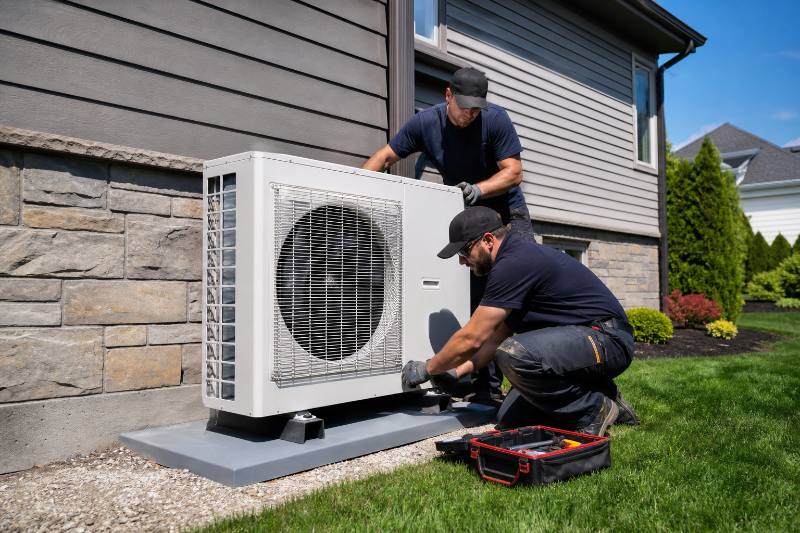
Embarking on a Heat Pump Installation project involves several key stages, from initial assessment to final testing. Understanding this process can help homeowners feel more prepared and confident in their decision. A professional installation ensures that your system operates at peak efficiency and provides reliable comfort for years to come.
The Heat Pump Installation Process Step-by-Step
The Heat Pump Installation process typically begins with a thorough site assessment and load calculation by a certified HVAC technician. This ensures the system is correctly sized for your home’s specific heating and cooling needs. Next, if applicable, the old unit is carefully removed, and the area is prepared for the new equipment.
The indoor unit (air handler) and outdoor unit (condenser) are then strategically positioned. This is followed by connecting the refrigerant lines, electrical wiring, and condensate drains. After vacuuming the lines to remove any moisture, the system is charged with refrigerant and rigorously tested for proper operation. Finally, the thermostat is installed and calibrated, and technicians review system operation with the homeowner, ensuring complete understanding and satisfaction with the new Heat Pump Installation.
Do Heat Pumps Require New Ductwork During Heat Pump Installation?
Not always. If your home already has a functional forced-air heating and cooling system, a new heat pump can often utilize the existing ductwork. This simplifies the Heat Pump Installation process and reduces overall costs. However, if your home lacks ductwork (e.g., it used radiant heat or baseboard heaters), or if the existing ducts are old, damaged, or poorly sized, new ductwork may be recommended or required to ensure optimal performance and efficiency.
For homes without existing ductwork, ductless mini-split heat pumps offer an excellent alternative, providing zoned comfort without extensive renovations.
How Long Does It Typically Take for Heat Pump Installation?
The duration of a Heat Pump Installation largely depends on the complexity of the job. A straightforward replacement of an existing system might take one to two days. This usually involves swapping out the old indoor and outdoor units and connecting them to existing lines.
However, if new ductwork is required, or if it’s a first-time installation in a home without an existing HVAC setup, the process could extend to three to five days. Our certified technicians at Stream Cold Air Corp work efficiently to minimize disruption, ensuring a swift and professional Heat Pump Installation.
Choosing the Right Heat Pump Installation and Installer
The success and longevity of your new heat pump system hinge significantly on the quality of its installation. Selecting the right professional for your Heat Pump Installation is paramount to ensuring optimal performance, energy efficiency, and overall satisfaction. An experienced and reputable installer will guide you through every step, from selecting the right unit to meticulous setup.
How Do I Choose a Qualified Heat Pump Installation Installer?
Choosing a qualified Heat Pump Installation installer is crucial. Look for companies with certified, experienced technicians who possess proper licensing and insurance. A strong local reputation, backed by positive customer reviews and testimonials, is also a key indicator of reliability. Seek free quotes from several providers to compare services and pricing.
Ensure the company offers comprehensive warranties on both equipment and labor. For example, Stream Cold Air Corp in Deerfield Beach, FL, provides transparent pricing and highly skilled professionals for reliable Heat Pump Installation services, focusing on customer satisfaction and long-term performance.
Can a Homeowner Perform Heat Pump Installation Themselves?
While some highly skilled DIYers might attempt certain aspects, Heat Pump Installation is a complex process that typically requires professional expertise. It involves handling refrigerants, intricate electrical wiring, precise sizing calculations, and specialized system connections to ensure efficiency, safety, and warranty compliance. Improper installation can lead to poor performance, higher energy bills, and voided warranties.
For a safe, effective, and warrantied Heat Pump Installation, always rely on certified HVAC professionals. Their specialized knowledge and tools are essential for a successful outcome.
Understanding the Investment in Heat Pump Installation
A Heat Pump Installation is a significant home improvement, and understanding the financial aspects is key to making an informed decision. While the upfront cost can be higher than traditional systems, the long-term savings and various incentives often make it a highly cost-effective choice.
What is the Average Cost of Heat Pump Installation?
The average cost of Heat Pump Installation varies significantly based on factors like the type of heat pump (air-source, geothermal), system size, existing ductwork, and regional labor rates. Generally, homeowners can expect to pay anywhere from $4,000 to $10,000 or more for a complete system, including installation. High-efficiency models or geothermal systems will be at the higher end of this spectrum.
It’s best to get a free, detailed quote from a local HVAC professional for an accurate estimate for your specific property. This personalized assessment will account for all unique aspects of your home and chosen system.
How Much Would It Cost to Install a Heat Pump in My Specific House?
To determine the exact cost of Heat Pump Installation for your specific house, it’s essential to schedule a professional on-site evaluation. Factors such as your home’s size, existing HVAC infrastructure, insulation levels, specific climate zone, and your chosen heat pump model all influence the final price. A reputable installer will perform a load calculation to ensure the system is perfectly sized, preventing inefficiencies.
Stream Cold Air Corp offers free, no-obligation quotes after a thorough assessment of your home’s unique requirements, providing an accurate estimate tailored to your needs.
Are There Grants or Rebates Available for Heat Pump Installation?
Yes, often there are. Many federal, state, and local governments, as well as utility companies, offer grants, rebates, or tax credits to encourage energy-efficient upgrades like Heat Pump Installation. These incentives can significantly reduce the upfront cost, making the investment more accessible. It’s advisable to research current programs in your area and consult with your HVAC installer.
Your installer often has knowledge of available financial assistance and can guide you on potential savings opportunities, helping you maximize your investment.
Who Provides Financing Options for Heat Pump Installations?
Many HVAC companies, including Stream Cold Air Corp, offer financing options directly or through third-party lenders to make Heat Pump Installation more affordable. Additionally, some banks, credit unions, and government programs provide loans or financing specifically for energy-efficient home improvements. These options can help spread the cost over time, making a high-efficiency system more attainable.
Inquire with your chosen installer about their available financing plans, which can often include low-interest rates or extended payment terms, easing the upfront investment burden.
What Warranty Should I Expect on a New Heat Pump Installation?
A new Heat Pump Installation typically comes with two types of warranties: a manufacturer’s warranty on the equipment itself and a labor warranty from the installer. Manufacturer warranties usually cover major components for 5-10 years, sometimes longer with registration. These protect against defects in the unit.
Labor warranties from reputable installers often range from 1-5 years, covering any issues arising from the installation work. Always clarify the specifics of both warranties with your installer before committing to a Heat Pump Installation to ensure comprehensive coverage.
What Are the Signs of a Bad Heat Pump Installation?
Signs of a bad Heat Pump Installation can include inadequate heating or cooling performance, unusually high energy bills (indicating inefficiency), frequent breakdowns, excessive noise, refrigerant leaks, or short cycling (the unit turning on and off too frequently). Visible issues like improper wiring, leaky ductwork, or a unit that isn’t level are also red flags.
If you notice any of these problems after a Heat Pump Installation, contact your installer immediately for inspection and correction. Addressing these issues promptly is crucial for system longevity and efficiency.
7 Expert Tips for a Successful Heat Pump Installation
Ensuring a successful Heat Pump Installation requires careful planning and attention to detail. By following these expert tips, you can maximize your system’s efficiency, longevity, and overall performance, guaranteeing year-round comfort and significant energy savings.
- 1. Proper Sizing is Paramount: Never guess the size of your heat pump. An undersized unit will struggle to heat or cool your home, running constantly and inefficiently. An oversized unit will short cycle, leading to uneven temperatures and premature wear. Professional load calculation is essential for optimal Heat Pump Installation.
- 2. Professional Assessment is Key: Before any work begins, insist on a thorough home assessment by a certified HVAC technician. This includes inspecting existing ductwork, insulation levels, and electrical capacity. A comprehensive assessment ensures that your Heat Pump Installation integrates seamlessly with your home’s infrastructure.
- 3. Consider SEER and HSPF Ratings: Pay close attention to the Seasonal Energy Efficiency Ratio (SEER) for cooling and the Heating Seasonal Performance Factor (HSPF) for heating. Higher ratings indicate greater energy efficiency, leading to more significant long-term savings. Balance these ratings with your budget during your Heat Pump Installation decision.
- 4. Ductwork Inspection and Upgrade: If you’re using existing ductwork, have it inspected for leaks, blockages, or improper sizing. Leaky ducts can waste a significant amount of energy. Upgrading or repairing ductwork during Heat Pump Installation can dramatically improve system efficiency and performance.
- 5. Schedule Regular Maintenance: Once your heat pump is installed, commit to annual professional maintenance. Regular tune-ups ensure the system operates efficiently, prevent minor issues from becoming major problems, and extend the lifespan of your unit. This proactive approach protects your Heat Pump Installation investment.
- 6. Get Multiple Quotes: Don’t settle for the first quote you receive. Obtain detailed proposals from at least three reputable HVAC contractors. Compare not just the price, but also the proposed equipment, warranty details, and the scope of work for your Heat Pump Installation.
- 7. Understand Your Warranty: Fully comprehend the terms of both the manufacturer’s equipment warranty and the installer’s labor warranty. Know what is covered, for how long, and what actions might void your warranty. This knowledge is vital for protecting your Heat Pump Installation.
Frequently Asked Questions About Heat Pump Installation
What is the average cost of heat pump installation?
The average cost of heat pump installation varies significantly based on factors like the type of heat pump (air-source, geothermal), system size, existing ductwork, and regional labor rates. Generally, homeowners can expect to pay anywhere from $4,000 to $10,000 or more for a complete system, including installation. High-efficiency models or geothermal systems will be at the higher end of this spectrum.
It’s best to get a free, detailed quote from a local HVAC professional like Stream Cold Air Corp for an accurate estimate for your specific property.
How long does it typically take to install a heat pump?
The duration of a heat pump installation largely depends on the complexity of the job. A straightforward replacement of an existing system might take one to two days. However, if new ductwork is required, or if it’s a first-time installation in a home without an existing HVAC setup, the process could extend to three to five days. Our certified technicians at Stream Cold Air Corp work efficiently to minimize disruption, ensuring a swift and professional Heat Pump Installation.
What are the main benefits of installing a heat pump in a home?
Installing a heat pump offers numerous benefits, primarily outstanding energy efficiency as they move heat rather than generate it, leading to lower utility bills year-round. They provide both heating and cooling, eliminating the need for separate systems. Heat pumps also offer enhanced comfort with consistent temperatures, improved indoor air quality, and reduced carbon footprint. The significant savings on energy costs make Heat Pump Installation a smart long-term investment.
Do heat pumps require new ductwork during installation?
Not always. If your home already has a functional forced-air heating and cooling system, a new heat pump can often utilize the existing ductwork, simplifying the Heat Pump Installation process. However, if your home lacks ductwork (e.g., it used radiant heat or baseboard heaters), or if the existing ducts are old, damaged, or poorly sized, new ductwork may be recommended or required to ensure optimal performance and efficiency. Ductless mini-split heat pumps are an alternative for homes without ductwork.
How do I choose a qualified heat pump installer?
Choosing a qualified heat pump installer is crucial for optimal system performance and longevity. Look for companies with certified, experienced technicians, proper licensing and insurance, and a strong local reputation. Seek free quotes, check customer reviews and testimonials, and ensure they offer comprehensive warranties on both equipment and labor. Stream Cold Air Corp in Deerfield Beach, FL, for instance, provides transparent pricing and highly skilled professionals for reliable Heat Pump Installation services.
What types of heat pumps are best for residential installation?
For residential Heat Pump Installation, air-source heat pumps are the most common and versatile, ideal for climates like Florida. They transfer heat between your home and the outside air. Geothermal heat pumps, while more expensive initially, offer superior efficiency by utilizing stable underground temperatures. Ductless mini-split heat pumps are excellent for homes without existing ductwork or for zoning specific areas. The “best” type depends on your home’s structure, climate, and budget.
Are there grants or rebates available for heat pump installation?
Yes, often there are. Many federal, state, and local governments, as well as utility companies, offer grants, rebates, or tax credits to encourage energy-efficient upgrades like Heat Pump Installation. These incentives can significantly reduce the upfront cost. It’s advisable to research current programs in your area and consult with your HVAC installer, as they often have knowledge of available financial assistance. Stream Cold Air Corp can guide you on potential savings opportunities.
Can a homeowner install a heat pump themselves?
While some highly skilled DIYers might attempt certain aspects, heat pump installation is a complex process that typically requires professional expertise. It involves handling refrigerants, electrical wiring, precise sizing calculations, and intricate system connections to ensure efficiency, safety, and warranty compliance. Improper installation can lead to poor performance, higher energy bills, and voided warranties. For a safe and effective Heat Pump Installation, always rely on certified HVAC professionals.
Where can I find local heat pump installation services?
To find local heat pump installation services, start by searching online for “heat pump installation near me” or “HVAC Deerfield Beach FL.” Check local business directories, ask for recommendations from friends or neighbors, and review online customer feedback. Companies like Stream Cold Air Corp, serving Deerfield Beach and surrounding areas, offer professional Heat Pump Installation with a focus on customer satisfaction and reliable service.
What does the heat pump installation process involve step-by-step?
The Heat Pump Installation process typically begins with a site assessment and load calculation to size the system correctly. Then, the old unit is removed (if applicable), and the new indoor unit (air handler) and outdoor unit (condenser) are positioned. This is followed by connecting refrigerant lines, electrical wiring, and condensate drains. After vacuuming the lines to remove moisture, the system is charged with refrigerant, tested thoroughly for proper operation, and the thermostat is installed and calibrated.
Finally, the technicians review system operation with the homeowner.
Why is heat pump installation considered an energy-efficient upgrade?
Heat pump installation is considered an energy-efficient upgrade because heat pumps don’t generate heat directly through burning fuel. Instead, they transfer existing heat from one place to another. In heating mode, they extract heat from the outside air (even in cold temperatures) and move it indoors. In cooling mode, they reverse the process, moving heat from inside to outside. This heat transfer mechanism uses significantly less energy than traditional furnaces or AC units, making them highly efficient and environmentally friendly.
How much would it cost to install a heat pump in my specific house?
To determine the exact cost of heat pump installation for your specific house, it’s essential to schedule a professional on-site evaluation. Factors such as your home’s size, existing HVAC infrastructure, insulation levels, specific climate zone, and your chosen heat pump model (e.g., air-source, mini-split, geothermal) all influence the final price. Stream Cold Air Corp offers free, no-obligation quotes after a thorough assessment of your home’s unique requirements to provide an accurate estimate.
Who provides financing options for heat pump installations?
Many HVAC companies, including Stream Cold Air Corp, offer financing options directly or through third-party lenders to make heat pump installations more affordable. Additionally, some banks, credit unions, and government programs provide loans or financing specifically for energy-efficient home improvements. Inquire with your chosen installer about their available financing plans, which can often include low-interest rates or extended payment terms, easing the upfront investment burden.
What warranty should I expect on a new heat pump installation?
A new heat pump installation typically comes with two types of warranties: a manufacturer’s warranty on the equipment itself and a labor warranty from the installer. Manufacturer warranties usually cover major components for 5-10 years, sometimes longer with registration. Labor warranties from reputable installers often range from 1-5 years, covering any issues arising from the installation work. Always clarify the specifics of both warranties with your installer before committing to a Heat Pump Installation.
What are the signs of a bad heat pump installation?
Signs of a bad heat pump installation can include inadequate heating or cooling performance, unusually high energy bills (indicating inefficiency), frequent breakdowns, excessive noise, refrigerant leaks, or short cycling (the unit turning on and off too frequently). Visible issues like improper wiring, leaky ductwork, or a unit that isn’t level are also red flags. If you notice any of these problems after a Heat Pump Installation, contact your installer immediately for inspection and correction.
Conclusion: Embrace the Future with Heat Pump Installation
The journey to enhanced home comfort and energy efficiency culminates in a professional Heat Pump Installation. As we’ve explored, these innovative systems offer a compelling array of benefits, from significant energy savings and year-round comfort to improved indoor air quality and a reduced environmental impact. By understanding the installation process, selecting a qualified installer, and leveraging available financial incentives, homeowners can confidently make the switch to this advanced HVAC technology.
A well-executed Heat Pump Installation is more than just an upgrade; it’s an investment in a sustainable, comfortable, and cost-effective future for your home. Embrace the ultimate in modern climate control and experience the amazing savings and superior performance that only a heat pump can deliver. Make the smart choice for your home and the planet today.