


Geothermal HVAC Benefits: 7 Proven Reasons for Ultimate Savings
Geothermal HVAC Benefits represent a transformative approach to home comfort and energy management, offering a sustainable alternative to conventional heating and cooling systems. As homeowners increasingly seek ways to reduce their environmental footprint and utility expenses, understanding the profound advantages of geothermal technology becomes paramount. This innovative system harnesses the stable temperature of the earth to provide efficient, consistent, and eco-friendly climate control year-round.
In this comprehensive guide, we will delve into the multifaceted advantages of adopting geothermal technology. We’ll explore how these systems deliver substantial energy savings, provide unparalleled indoor comfort, and contribute to a healthier planet. Discover why investing in geothermal is not just an upgrade, but a smart, long-term decision for your property and future.
Key Takeaways
- Discover how geothermal systems leverage the earth’s stable temperatures for highly efficient heating and cooling, leading to significant energy bill reductions.
- Understand the superior comfort and quiet operation that set geothermal HVAC apart from traditional units, enhancing your living environment.
- Learn about the substantial environmental advantages of geothermal technology, including a reduced carbon footprint and reliance on renewable energy.
- Explore the long-term financial incentives, increased home value, and impressive longevity that make geothermal HVAC a wise investment.
Unlocking the Core Geothermal HVAC Benefits
The decision to upgrade your home’s heating and cooling system is a significant one, and understanding the full scope of Geothermal HVAC Benefits is crucial for making an informed choice. Unlike conventional systems that burn fossil fuels or rely on air temperatures, geothermal technology taps into the earth’s consistent underground temperatures. This fundamental difference is what drives its exceptional efficiency and a host of other advantages.
A geothermal system, often referred to as a ground-source heat pump, works by circulating a fluid through a loop of pipes buried in the ground. In winter, the fluid absorbs heat from the earth and carries it indoors. In summer, it extracts heat from your home and transfers it back into the cooler ground. This continuous exchange makes it an incredibly efficient and reliable method for maintaining comfortable indoor temperatures year-round, regardless of extreme outdoor weather conditions.
The primary benefits of installing a geothermal HVAC system extend beyond simple heating and cooling. They encompass significant financial savings, enhanced indoor air quality, a reduced carbon footprint, and a system that operates with remarkable quietness and longevity. These combined factors make geothermal a compelling option for discerning homeowners seeking both performance and sustainability.
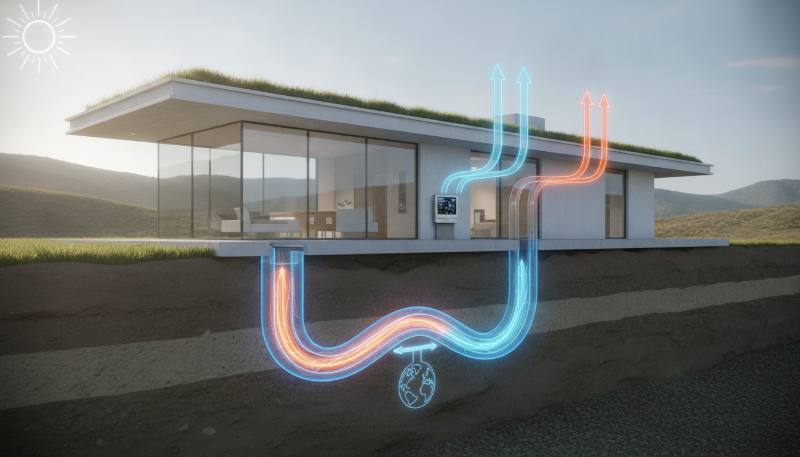
How Geothermal Systems Work for Optimal Geothermal HVAC Benefits
At its heart, a geothermal system operates on a simple yet powerful principle: heat exchange. The earth below the frost line maintains a relatively constant temperature, typically between 45°F and 75°F, depending on the geographic location. Geothermal heat pumps exploit this stability. A network of underground pipes, known as a ground loop, circulates a water-based solution that absorbs or dissipates heat.
This thermal energy is then transferred to a heat pump unit inside your home. The heat pump concentrates this energy for heating or disperses it for cooling, distributing conditioned air throughout your ductwork. This process is far more efficient than traditional HVAC systems, which must generate heat or cool air from scratch, often battling extreme outdoor temperatures. The inherent efficiency contributes directly to the impressive Geothermal HVAC Benefits homeowners experience.
Significant Energy Savings: A Key Geothermal HVAC Benefit
One of the most compelling Geothermal HVAC Benefits is the dramatic reduction in energy consumption and, consequently, your utility bills. Geothermal systems are renowned for their efficiency, often operating with a Coefficient of Performance (COP) of 3 to 5, meaning for every unit of electricity consumed, they deliver 3 to 5 units of heating or cooling energy. This is a stark contrast to conventional furnaces or air conditioners.
Homeowners typically save between 40% and 70% on heating costs and 20% to 50% on cooling costs compared to conventional HVAC systems. These substantial savings are a direct result of the system’s ability to transfer existing heat rather than generate it. Over the lifespan of the system, these savings can amount to tens of thousands of dollars, making the initial investment highly justifiable.
The consistent performance of geothermal units means less strain on the system, fewer breakdowns, and a more stable energy demand. This predictability can also help homeowners budget more effectively for their energy expenses, avoiding the seasonal spikes often associated with traditional heating and cooling methods. The long-term financial advantages are undeniable.
Quantifying Your Energy Savings with Geothermal HVAC Benefits
To truly appreciate the financial impact, consider that conventional HVAC systems often have to work harder in extreme weather. A furnace must generate intense heat when it’s freezing outside, and an air conditioner struggles to cool when temperatures soar. Geothermal systems, however, always draw from the earth’s moderate temperatures, requiring less energy input to achieve the desired indoor climate.
For example, a typical household in a moderate climate might spend $2,000-$3,000 annually on heating and cooling with traditional systems. With a geothermal installation, these costs could plummet to $800-$1,500. This translates into hundreds, if not thousands, of dollars in savings each year. The exact figures depend on factors like your home’s insulation, local climate, and electricity rates, but the overall trend of significant reduction is consistent across the board.
Consistent Comfort and Quiet Operation: More Geothermal HVAC Benefits
Beyond the impressive energy savings, another significant advantage among the Geothermal HVAC Benefits is the superior level of comfort and quiet operation they provide. Traditional HVAC systems often cycle on and off, leading to noticeable temperature fluctuations and noisy operation. Geothermal systems, by contrast, deliver a steady, even distribution of conditioned air, eliminating hot and cold spots throughout your home.
This consistent temperature control is a hallmark of geothermal technology. Because the system draws from the earth’s stable temperature, it avoids the large temperature swings that can occur with conventional furnaces and air conditioners. The result is a more comfortable and stable indoor environment, enhancing the overall quality of life within your home.
Furthermore, geothermal units are remarkably quiet. Unlike noisy outdoor condenser units found in traditional air conditioning systems, the primary components of a geothermal system are either buried underground or housed indoors. This means no loud fans or compressors disrupting your peace and quiet, both inside and outside your home. The only sound you might notice is the gentle hum of air moving through your ducts.
Enhancing Home Comfort with Geothermal HVAC Benefits
The stable operating environment of a geothermal heat pump translates directly into enhanced indoor comfort. The system provides a continuous, gentle flow of air at a moderate temperature, preventing the blasts of hot or cold air often associated with conventional systems. This creates a more consistent and pleasant living space, ideal for families and individuals alike.
Additionally, many geothermal systems offer advanced humidity control capabilities. By effectively managing indoor humidity levels, they can make your home feel even more comfortable, especially during hot and humid months, without over-cooling. This holistic approach to climate control truly elevates the standard of indoor living.

Environmental Stewardship: The Green Geothermal HVAC Benefits
For environmentally conscious homeowners, the ecological advantages are among the most compelling Geothermal HVAC Benefits. Geothermal systems are a leading example of sustainable technology, utilizing a renewable energy source – the earth’s thermal energy – to heat and cool homes. This significantly reduces reliance on fossil fuels and lowers greenhouse gas emissions, contributing to a healthier planet.
By choosing geothermal, you are actively reducing your carbon footprint. Unlike furnaces that burn natural gas or oil, or traditional air conditioners that use refrigerants with high global warming potential, geothermal systems operate with minimal environmental impact. They simply move heat, rather than creating it through combustion, making them an incredibly clean energy solution.
The U.S. Environmental Protection Agency (EPA) recognizes geothermal systems as the most energy-efficient and environmentally friendly heating and cooling systems available. This endorsement underscores their critical role in promoting sustainable living and combating climate change. Embracing geothermal technology is a tangible step towards a greener future.
Reducing Your Carbon Footprint with Geothermal HVAC Benefits
The environmental advantages of geothermal HVAC systems are substantial. A single geothermal unit can prevent the emission of several tons of carbon dioxide annually, equivalent to planting hundreds of trees or removing multiple cars from the road. This makes them a powerful tool in the fight against climate change and air pollution.
Moreover, the closed-loop design of most geothermal systems means that the refrigerant is contained within the indoor unit, minimizing the risk of leaks into the atmosphere. This further enhances their eco-friendly profile compared to traditional air conditioners that often rely on refrigerants that can harm the ozone layer or contribute to global warming if released.
For those interested in the broader impact of renewable energy, the Department of Energy provides extensive resources on how geothermal energy contributes to a sustainable future. Understanding these larger implications reinforces the value of choosing geothermal for your home.
Long-Term Value and Investment: Financial Geothermal HVAC Benefits
While the initial installation cost of a geothermal system can be higher than conventional HVAC, the long-term financial Geothermal HVAC Benefits make it a remarkably sound investment. The system’s exceptional efficiency leads to substantial energy savings that quickly offset the upfront expense. Most homeowners find that they recoup their investment within 5 to 10 years, after which they enjoy decades of significantly reduced utility bills.
Beyond energy savings, geothermal systems boast an impressive lifespan. The indoor components, such as the heat pump, typically last 20-25 years, while the buried ground loop system can last 50 years or even longer with minimal degradation. This longevity far surpasses that of traditional HVAC units, which often require replacement every 10-15 years, leading to further savings on replacement costs.
Furthermore, installing a geothermal system can significantly increase your home’s resale value. Buyers are increasingly prioritizing energy-efficient and environmentally friendly homes, and a geothermal system is a highly attractive feature that signals lower operating costs and a commitment to sustainability. This makes it a valuable asset in the competitive real estate market.
Financial Incentives and ROI for Geothermal HVAC Benefits
To further sweeten the deal, various financial incentives are often available for geothermal HVAC installation. These can include federal tax credits, state and local rebates, and utility company incentives, which can significantly reduce the upfront cost. It is always advisable to check with local energy agencies and your chosen installer, like Stream Cold Air Corp, for current programs in your area, such as Deerfield Beach, FL.
The return on investment (ROI) for geothermal systems is compelling. Over its extended lifespan, a geothermal system can save homeowners tens of thousands of dollars in energy costs. When combined with potential incentives and increased home value, the financial case for geothermal becomes exceptionally strong, solidifying its position as a wise long-term investment.
Unlock Ultimate Geothermal HVAC Benefits with Stream Cold Air Corp
Experience unparalleled energy efficiency and year-round comfort with our expert geothermal solutions tailored for your home or business in Deerfield Beach, FL.
Installation and Maintenance of Geothermal HVAC Benefits
Understanding the installation process and ongoing maintenance requirements is key to appreciating the full scope of Geothermal HVAC Benefits. While the initial installation is more involved than a traditional system, requiring excavation for the ground loops, the long-term benefits far outweigh this complexity. Qualified installers ensure the system is designed and implemented to maximize efficiency and longevity.
The typical cost for a geothermal HVAC system installation can vary widely based on factors such as the size of your home, local geological conditions, and the type of ground loop system chosen (e.g., horizontal, vertical, pond/lake). Generally, costs range from $20,000 to $30,000 or more before incentives. However, as discussed, these costs are often recouped within a decade through energy savings and incentives.
One of the often-overlooked advantages is the low maintenance nature of geothermal systems. Because the ground loop is buried and the indoor unit is protected from harsh weather, these systems experience less wear and tear than conventional outdoor units. This translates to fewer service calls and lower maintenance expenses over the system’s long life.
Can Geothermal HVAC Systems Also Provide Hot Water?
Yes, many geothermal HVAC systems can be equipped with a desuperheater, which is a device that recovers waste heat from the geothermal heat pump’s compressor to heat water. This can significantly reduce your water heating costs, especially during the summer months when the system is primarily in cooling mode. Some advanced geothermal systems can even provide all of your hot water needs, further enhancing the overall Geothermal HVAC Benefits for your home.
Noise Levels and Reliability of Geothermal HVAC Units
As mentioned, geothermal HVAC systems are remarkably quiet. The loudest component, the compressor, is typically housed indoors, and the outdoor ground loop is silent. This makes them ideal for residential areas where noise pollution is a concern. Their robust design and protected components also contribute to their exceptional reliability and long lifespan, minimizing the need for frequent repairs.
Finding qualified geothermal HVAC installers near you is crucial for a successful installation. Look for contractors with certifications from organizations like the International Ground Source Heat Pump Association (IGSHPA) and a strong track record of successful projects. A reputable installer will conduct a thorough site assessment and provide a detailed proposal tailored to your specific needs.
Geothermal HVAC Benefits: Your Top Questions Answered
Explore common inquiries about the advantages of geothermal heating and cooling systems.
What are the primary benefits of installing a geothermal HVAC system?
Geothermal HVAC systems offer numerous benefits, including significantly reduced energy bills (often 40-70% lower), consistent and quiet heating and cooling, enhanced home comfort, and a smaller environmental footprint due to their reliance on renewable earth energy. They also boast a long lifespan for indoor components.
How much energy can I save with geothermal heating and cooling?
Homeowners typically save between 40% and 70% on heating costs and 20% to 50% on cooling costs compared to conventional HVAC systems. Actual savings depend on factors like home insulation, local climate, and electricity rates, but the overall reduction in energy consumption is substantial.
Why choose geothermal HVAC over conventional systems?
Geothermal systems are superior to conventional HVAC due to their exceptional energy efficiency, lower operating costs, longer lifespan (up to 25 years for indoor components, over 50 years for ground loops), quiet operation, and environmental friendliness. They provide consistent temperatures without the hot or cold spots often found with traditional systems.
What environmental advantages do geothermal HVAC systems offer?
Geothermal HVAC significantly reduces greenhouse gas emissions by using the earth’s stable temperature for heating and cooling, rather than burning fossil fuels or relying heavily on electricity to create heat. This leads to a smaller carbon footprint and promotes a more sustainable living environment.
Are geothermal HVAC systems worth the initial investment?
While the initial installation cost can be higher than conventional systems, geothermal HVAC systems offer a strong return on investment through substantial energy savings, potential tax credits and rebates, and increased home value. Most homeowners recoup their investment within 5-10 years, followed by decades of savings.
How does geothermal technology provide consistent home comfort?
Geothermal systems utilize the stable temperatures beneath the earth’s surface, which remain constant year-round. This allows them to deliver a steady supply of moderate-temperature air, eliminating the large temperature swings and uneven heating/cooling often associated with traditional furnaces and air conditioners.
What is the expected lifespan and reliability of a geothermal HVAC unit?
Geothermal HVAC systems are renowned for their longevity. The indoor components, like the heat pump, typically last 20-25 years, while the buried ground loop system can last 50 years or even longer with minimal degradation. This makes them highly reliable, long-term investments.
Do geothermal HVAC systems require significant maintenance?
Geothermal systems generally require less maintenance than conventional HVAC units because most of their components are either indoors or buried underground, protected from harsh weather. Routine checks include filter changes and annual inspections, but there’s no outdoor unit exposed to the elements.
What financial incentives are available for geothermal HVAC installation?
Various financial incentives can significantly reduce the upfront cost of geothermal HVAC. These often include federal tax credits, state and local rebates, and utility company incentives. It’s advisable to check with local energy agencies and Stream Cold Air Corp for current programs in Deerfield Beach, FL.
How do geothermal systems contribute to a home’s resale value?
Installing a geothermal HVAC system can significantly increase a home’s resale value. Buyers are increasingly interested in energy-efficient, environmentally friendly homes with lower operating costs, making a geothermal system a highly attractive feature that provides long-term financial benefits.
In conclusion, the myriad of Geothermal HVAC Benefits makes a compelling case for homeowners seeking a superior, sustainable, and cost-effective solution for their heating and cooling needs. From significant energy savings and consistent indoor comfort to a reduced environmental footprint and remarkable longevity, geothermal technology stands out as a brilliant investment in your home and the planet. By harnessing the earth’s natural energy, you can enjoy unparalleled efficiency and peace of mind for decades to come.
Ready to explore how geothermal HVAC can transform your home? Visit Stream Cold Air Corp to learn more about our expert geothermal solutions and schedule a consultation today.