


When the chill of winter sets in, a malfunctioning furnace can quickly turn your comfortable home into an uncomfortable space. Effective Furnace Repair is not just about restoring warmth; it’s about ensuring safety, efficiency, and peace of mind for your household. Understanding the common issues and knowing when to seek professional help are crucial steps in maintaining a reliable heating system.
This comprehensive guide provides an authoritative blueprint for addressing furnace problems. We will walk you through essential diagnostic steps, explain typical repair scenarios, and outline what to look for in a professional service. Our goal is to equip you with the knowledge to make informed decisions, ensuring your home remains warm and inviting throughout the colder months, preventing unnecessary stress and expense.
Key Takeaways
- Learn to identify the crucial signs that indicate your furnace requires immediate attention and potential Furnace Repair.
- Understand the 8 essential blueprint steps for effective troubleshooting and initial diagnostics to restore heating.
- Discover when a DIY fix is appropriate and when professional Furnace Repair is absolutely necessary for safety and efficacy.
- Gain insights into the typical costs, expected lifespan, and what to look for in a reputable repair service to ensure quality.
Understanding the Need for Furnace Repair
Your furnace is a complex system, and like any mechanical appliance, it can develop issues over time. Recognizing the early warning signs can prevent minor problems from escalating into major, costly breakdowns. Proactive attention to these indicators is key to maintaining your home’s heating efficiency and avoiding unexpected cold snaps. A well-functioning furnace is central to home comfort.
Ignoring these signs can lead to decreased system performance, higher energy bills, and potentially unsafe operating conditions. A timely diagnosis and subsequent Furnace Repair can significantly extend the life of your unit and ensure consistent comfort. Investing in timely repairs often saves more than delaying them.
Common Signs Your Furnace Needs Repair
What are common signs my furnace needs repair? Several indicators suggest your furnace might be struggling. Pay close attention to unusual noises such as banging, squealing, or grinding sounds emanating from the unit. These often point to mechanical issues within the blower motor, fan, or other moving parts that require immediate inspection.
A persistent burning smell could indicate dust burning off, especially at the start of the heating season. However, it might also signal an electrical problem, a cracked heat exchanger, or a gas leak, which requires immediate professional attention. Never ignore a strong, unusual odor.
Another common sign is a lack of heat or inconsistent heating throughout your home. If some rooms are cold while others are warm, or if the furnace cycles on and off more frequently than usual (short cycling), it’s a clear signal for inspection. These issues suggest the system is struggling to maintain the set temperature.
Furthermore, a yellow pilot light instead of a blue one, or a sudden spike in your energy bills without increased usage, also warrants investigation and potential Furnace Repair. A yellow flame indicates incomplete combustion, which can produce carbon monoxide, a dangerous gas.
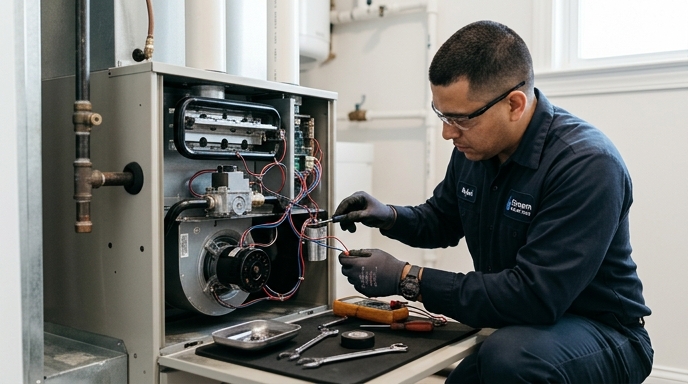
The 8 Essential Blueprint Steps to Effective Furnace Repair
When your furnace falters, a systematic approach to troubleshooting can help identify the problem. While some issues require professional expertise, many common problems can be resolved with a few simple checks. These steps form a blueprint for effective Furnace Repair, guiding you from initial diagnosis to potential solutions and helping you understand the issue.
Step 1: Initial Troubleshooting for Furnace Repair
What immediate steps should I take if my furnace completely stops working? Begin by checking your thermostat settings. Ensure it’s set to “heat” and the temperature is at least 5 degrees Fahrenheit above the current room temperature. Confirm the fan setting is on “auto,” not “on,” unless you intend for continuous fan operation.
Next, inspect your circuit breaker panel. A tripped breaker can cut power to the furnace, preventing it from starting. Locate the breaker labeled for your furnace and reset it by flipping it completely off, then back on. Also, verify that the furnace’s power switch, often located near the unit on a wall or ceiling, is in the “on” position.
Step 2: Check the Air Filter
A clogged air filter is one of the most common culprits behind furnace malfunctions. A dirty filter restricts airflow, forcing your furnace to work harder and potentially leading to overheating, reduced heating capacity, or even system shutdown. This simple issue often mimics more complex problems.
Check your filter monthly and replace it every 1-3 months, or more frequently if you have pets, allergies, or a large household. A clean filter ensures proper airflow, improves efficiency, and can prevent many calls for Furnace Repair. It’s a small task with a big impact on performance.
Step 3: Inspect the Pilot Light or Ignition System
For older furnaces with a pilot light, check if it’s lit. If it’s out, follow your furnace’s instructions, usually found on a label inside the access panel, to relight it safely. Ensure the gas valve is open before attempting to relight.
For newer models with electronic ignition, listen for a clicking sound when the thermostat calls for heat. If you don’t hear it, there might be an issue with the igniter or flame sensor. These components are critical for safe and efficient operation. Always consult your owner’s manual for specific instructions regarding your model’s ignition system.
Step 4: Examine the Blower Motor and Fan
The blower motor is responsible for circulating warm air throughout your home. If you hear unusual noises like grinding or squealing, or if no air is coming from the vents despite the furnace running, the blower motor might be malfunctioning. Ensure nothing is obstructing the fan blades within the blower compartment.
Sometimes, a simple cleaning of dust and debris can resolve minor issues with the fan. However, complex motor problems, such as a failing capacitor or worn bearings, usually require professional Furnace Repair. Do not attempt to repair the motor yourself without proper training.
Step 5: Addressing Common Issues in Furnace Repair
Why is my furnace blowing cold air? This can be frustrating, especially on a cold day. A common cause is a clogged air filter, as previously mentioned, restricting the heat exchange. Other reasons include a malfunctioning thermostat sending incorrect signals, a pilot light that keeps going out, or issues with the flame sensor or gas supply. If the furnace ignites but then quickly shuts off (short cycling), it could be a limit switch problem, indicating overheating.
What causes a furnace to make a loud banging noise? This “furnace rumble,” often heard shortly after the unit starts, can be caused by delayed ignition of gas. This means gas builds up in the combustion chamber before igniting, causing a small, explosive sound. It can also be caused by expanding and contracting ductwork or a problem with the blower motor. These noises indicate a serious issue that warrants immediate professional Furnace Repair attention to prevent further damage or safety risks.
Step 6: Check for Gas Supply Issues
If you have a gas furnace and it’s not igniting, ensure the gas valve to the furnace is fully open. This valve is typically a lever parallel to the gas pipe when open. If other gas appliances in your home (like a stove or water heater) are also not working, there might be a broader gas supply issue from your utility provider.
Crucially, if you smell natural gas (often described as rotten eggs), evacuate your home immediately and contact your gas provider and emergency services from a safe location. This is a critical safety concern that should never be handled by a homeowner.
Step 7: Inspect the Thermostat
Sometimes, the problem isn’t the furnace itself but the thermostat, which acts as the control center. Ensure its batteries are fresh if it’s a battery-powered model, as weak batteries can cause erratic behavior. Try setting the thermostat to a different temperature or switching it to “fan only” to see if the fan engages.
A faulty thermostat can lead to incorrect temperature readings, prevent the furnace from receiving the call for heat, or cause it to cycle improperly. If you suspect your thermostat is the issue, consider replacing it or having an HVAC technician inspect it during a Furnace Repair visit.
Step 8: Consider Professional Inspection
After performing these basic checks, if your furnace still isn’t working correctly, or if you’re uncomfortable with any step, it’s time to call in the experts. Attempting complex repairs without proper training, specialized tools, and safety knowledge can be dangerous and may void your warranty. A professional HVAC technician can accurately diagnose the problem and perform the necessary Furnace Repair safely and efficiently.
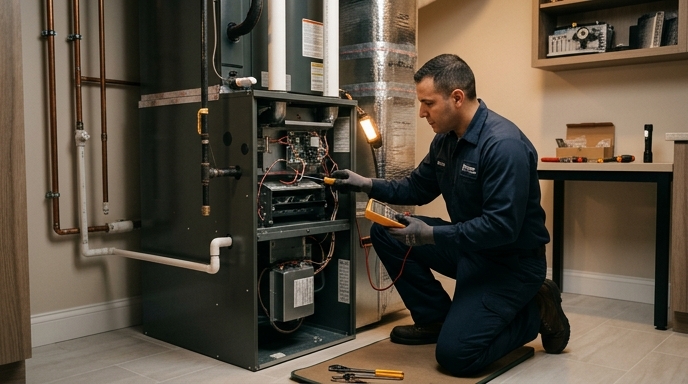
When to Call for Professional Furnace Repair
While some minor issues can be addressed by homeowners, many furnace problems require the expertise of a certified HVAC technician. Knowing when to step back and call a professional is crucial for both your safety and the longevity of your heating system. Never hesitate when safety is a concern.
Finding Reputable Furnace Repair Services
Where can I find reputable furnace repair services in my area? Start by asking for recommendations from friends, family, or neighbors who have had positive experiences. Check online reviews on platforms like Google, Yelp, and the Better Business Bureau. Look for companies with a strong track record of positive customer feedback and transparent pricing policies.
What should I look for when choosing a furnace repair company? Ensure they are licensed and insured in your state or locality. Technicians should ideally be NATE (North American Technician Excellence) certified, indicating a high level of competency and adherence to industry standards. A reputable company will offer clear, written estimates before any work begins and provide warranties on their parts and labor. Experience with various furnace brands and models is also a significant advantage.
Emergency Furnace Repair Near You
Who can I call for emergency furnace repair near me? Many reputable HVAC companies offer 24/7 emergency services, understanding that heating issues don’t adhere to business hours. If your furnace breaks down during extreme cold, or if you detect a gas leak or carbon monoxide (use a detector!), immediate professional help is essential.
Have the contact information for a trusted local HVAC provider readily available. Companies like Stream Cold Air Corp, serving Deerfield Beach, FL, and surrounding areas, are equipped to handle urgent heating issues with prompt and reliable service.
Can I perform basic furnace repairs myself? While changing air filters, resetting a tripped breaker, or checking thermostat settings are safe and encouraged homeowner tasks, complex repairs involving gas lines, electrical components, or internal parts should always be handled by a qualified, licensed HVAC technician. Attempting these repairs yourself can be extremely dangerous and may lead to further damage, costly mistakes, or even void your warranty. Always prioritize safety over DIY savings when it comes to your furnace.
Need Professional Furnace Repair or HVAC Service?
Don’t wait for a complete system breakdown. If you’re experiencing issues with your furnace or require comprehensive HVAC maintenance, our certified technicians at Stream Cold Air Corp are ready to help. We offer expert diagnostics, reliable repairs, and ensure your system operates at peak efficiency.
Understanding Furnace Repair Costs and Longevity
The decision to repair or replace a furnace often comes down to cost, age, and efficiency. Understanding these factors can help you make an informed choice that best suits your home and budget, ensuring long-term comfort and savings.
How Much Does Furnace Repair Typically Cost?
The cost of Furnace Repair varies widely depending on the specific issue, the parts required, and the labor involved. Minor repairs, such as replacing a clogged filter, cleaning a flame sensor, or fixing a pilot light, can be relatively inexpensive, often ranging from $100 to $300. These are often quick fixes.
More significant component replacements, like a new blower motor, igniter, heat exchanger, or control board, can cost several hundred to over a thousand dollars, depending on the part and furnace model. Always get a detailed, written estimate from a professional technician before authorizing any work to avoid surprises.
The Average Lifespan of a Furnace Before Major Furnace Repair
What is the average lifespan of a furnace before needing major repairs? A well-maintained furnace typically lasts between 15 and 20 years. However, this can vary based on the type of furnace (gas, electric, oil), its usage intensity, the quality of its original installation, and the frequency of professional maintenance.
As furnaces age, they tend to become less efficient, requiring more energy to produce the same amount of heat, and are more prone to frequent and costly repairs. Regular maintenance can help maximize its lifespan, but eventually, all units reach their end.
Repair vs. Replacement: Making the Right Furnace Repair Decision
Is it better to repair or replace an old furnace? This is a common dilemma for homeowners. If your furnace is over 15 years old, requires frequent repairs (especially multiple times in a single heating season), or if the cost of a single repair exceeds 50% of the cost of a new unit, replacement is generally the more economical choice in the long run.
Newer furnaces are significantly more energy-efficient, often boasting higher AFUE (Annual Fuel Utilization Efficiency) ratings, which can lead to substantial savings on your utility bills over time. Consider the long-term operational costs, not just the upfront repair bill.
How Often Should a Furnace Be Serviced to Prevent Repairs?
It is recommended to have your furnace professionally serviced annually, ideally in the fall before the heating season begins. This preventative maintenance allows technicians to clean components, check for wear and tear, lubricate moving parts, and identify potential issues early.
Regular maintenance helps improve efficiency, extend the lifespan of your unit, and significantly prevent unexpected Furnace Repair needs. This proactive approach can save you money and discomfort in the long run by catching small problems before they become major ones.
DIY vs. Professional Furnace Repair: What You Can Do
While some basic furnace maintenance can be handled by homeowners, many aspects of furnace repair require specialized knowledge and tools. Knowing your limits is crucial for safety and effective problem-solving, ensuring you don’t inadvertently cause more damage.
Basic Maintenance You Can Perform
Homeowners can safely perform several routine maintenance tasks to keep their furnace running smoothly and efficiently. Regularly changing or cleaning air filters is paramount for good airflow and air quality. Checking and cleaning the area around the furnace, ensuring vents and registers are unobstructed, and verifying thermostat settings are also simple yet effective steps.
Additionally, keeping the outdoor unit (for heat pumps) clear of debris and snow can prevent issues. These actions contribute significantly to the overall health of your heating system and can reduce the frequency and severity of calls for professional Furnace Repair.
What Qualifications Should Your Furnace Repair Technician Have?
What qualifications should a furnace repair technician have? A qualified technician should be licensed, insured, and ideally NATE (North American Technician Excellence) certified. NATE certification demonstrates a technician’s expertise in specific HVAC areas, proving they have met rigorous industry standards.
They should have extensive experience working with various furnace types and brands, strong diagnostic skills to quickly pinpoint problems, and a commitment to ongoing training to stay current with the latest HVAC technologies and safety protocols. Always ask about their credentials.
What to Expect During a Professional Furnace Repair Visit
How long does a typical furnace repair appointment take? The duration varies depending on the complexity of the issue and the availability of parts. A diagnostic visit, where the technician identifies the problem, usually takes 1-2 hours. If the problem is minor and common parts are readily available on the service truck, the repair might be completed during the same visit.
More complex issues, such as a major component failure or the need to order specialized parts, could extend the timeline, potentially requiring a follow-up visit. A professional will provide an estimated timeframe after their initial diagnosis and keep you informed.
Warranties and Guarantees in Furnace Repair
Do furnace repair companies offer warranties on their work? Most reputable companies do, providing peace of mind for their customers. Warranties typically cover both the parts replaced and the labor performed, with durations varying from 30 days to a year or more, depending on the specific repair and components involved.
Always clarify warranty details with your chosen provider before any work begins. This provides an important layer of protection for your investment in Furnace Repair and ensures that if the same issue recurs within the warranty period, it will be addressed without additional cost.
For more detailed information on maintaining your heating system and improving energy efficiency, consult authoritative resources such as the U.S. Department of Energy’s guide on Furnaces and Boilers. This resource offers valuable insights into optimizing your home’s heating performance and preventing common issues that lead to Furnace Repair needs, helping you save on energy costs.
Conclusion: Restoring Your Home’s Warmth with Expert Furnace Repair
Maintaining a functional and efficient heating system is vital for home comfort and safety, especially during colder seasons. From recognizing the early signs of trouble to understanding when to call a professional, a proactive approach to Furnace Repair can save you time, money, and discomfort. While basic troubleshooting can resolve minor issues, complex problems demand the expertise of certified HVAC technicians.
Prioritizing regular maintenance and choosing a reputable service provider ensures your furnace operates reliably for years to come. Don’t let a faulty furnace leave you in the cold. By following these blueprint steps and seeking professional help when needed, you can confidently restore and maintain your home’s warmth, ensuring a comfortable and safe environment for your family.
Frequently Asked Questions About Furnace Repair
What are common signs my furnace needs repair?
Common signs include unusual noises (banging, squealing), a lack of heat or inconsistent heating, frequent cycling on and off, a yellow pilot light instead of blue, increased energy bills, or a persistent burning smell.
How much does furnace repair typically cost?
The cost of furnace repair varies widely depending on the issue and parts needed. Minor repairs like a clogged filter or pilot light fix can be inexpensive, while major component replacements (e.g., heat exchanger, motor) can be significantly more. It’s best to get a professional diagnostic for an accurate quote.
Why is my furnace blowing cold air?
A furnace blowing cold air can be due to a clogged air filter restricting airflow, a malfunctioning thermostat, a pilot light issue, or a problem with the flame sensor or gas supply. Sometimes, it’s a simple fix, but often requires professional diagnosis for safe operation.
Who can I call for emergency furnace repair near me?
For emergency furnace repair, contact a reputable local HVAC company like Stream Cold Air Corp, serving Deerfield Beach, FL, and surrounding areas. Always choose a company that offers 24/7 service and certified technicians for immediate assistance.
What is the average lifespan of a furnace before needing major repairs?
The average lifespan of a well-maintained furnace is typically 15-20 years. However, this can vary based on usage, maintenance frequency, and the original quality of the unit. Older furnaces often require more frequent and costly furnace repair.
How often should a furnace be serviced to prevent repairs?
It is recommended to have your furnace professionally serviced annually, ideally in the fall before the heating season begins. Regular maintenance helps identify potential issues early, improve efficiency, and prevent unexpected furnace repair needs.
Can I perform basic furnace repairs myself?
Some basic tasks like changing air filters or checking thermostat settings can be done by homeowners. However, complex furnace repair involving gas lines, electrical components, or internal parts should always be handled by a qualified, licensed HVAC technician to ensure safety and proper function.
Where can I find reputable furnace repair services in my area?
To find reputable furnace repair services, look for companies with strong local reviews, proper licensing, insurance, and certified technicians. Stream Cold Air Corp is a trusted provider in Deerfield Beach, FL, known for professionalism and quality service.
What causes a furnace to make a loud banging noise?
A loud banging noise, often called “furnace rumble,” can be caused by delayed ignition of gas (gas buildup before ignition), expanding and contracting ductwork, or a problem with the blower motor. This indicates a serious issue requiring immediate furnace repair attention.
What should I look for when choosing a furnace repair company?
When choosing a furnace repair company, ensure they are licensed and insured, have NATE-certified technicians, offer transparent pricing, provide written estimates, have positive customer reviews, and offer warranties on their work and parts. Experience with various furnace brands is also a plus.
How long does a typical furnace repair appointment take?
The duration of a furnace repair appointment varies. A diagnostic visit typically takes 1-2 hours. If a common part needs replacement and is on the truck, the repair could be completed within the same visit. More complex issues or ordering specialized parts could extend the timeline.
Do furnace repair companies offer warranties on their work?
Most reputable furnace repair companies offer warranties on both parts and labor. The duration can vary, often from 30 days to a year or more, depending on the specific repair and components. Always confirm warranty details before commencing any furnace repair work.
Is it better to repair or replace an old furnace?
The decision to repair or replace an old furnace depends on its age, efficiency, cost of repair versus replacement, and frequency of breakdowns. If the furnace is over 15 years old and repairs cost more than 50% of a new unit, replacement is generally more cost-effective in the long run.
What qualifications should a furnace repair technician have?
A qualified furnace repair technician should be licensed, insured, and ideally NATE (North American Technician Excellence) certified. They should have extensive experience, strong diagnostic skills, and a commitment to ongoing training for the latest HVAC technologies.
What immediate steps should I take if my furnace completely stops working?
If your furnace stops working, first check the thermostat setting, ensure the filter isn’t completely clogged, and verify the circuit breaker hasn’t tripped. If these simple checks don’t resolve it, contact a professional for immediate furnace repair to avoid potential hazards.