


Furnace Repair Tips: 7 Essential Expert Fixes
Furnace Repair Tips are invaluable for every homeowner, providing the knowledge to maintain a comfortable and safe living environment. A malfunctioning furnace can quickly turn a cozy home into an uncomfortable space, especially during colder months. Understanding common heating issues and knowing how to address them can save you time, money, and significant discomfort. This comprehensive guide offers brilliant fixes and essential insights into keeping your heating system running efficiently.
From simple DIY troubleshooting to recognizing when professional help is indispensable, we will equip you with the authoritative information needed to tackle furnace problems confidently. We will explore the most frequent issues, detail practical solutions, and emphasize the importance of timely intervention to prevent minor glitches from escalating into costly breakdowns. These furnace repair tips are designed to empower you.
Key Takeaways for Furnace Repair Tips
- Master basic troubleshooting steps for common furnace problems, including air filter issues and thermostat malfunctions.
- Recognize the critical signs that indicate your furnace needs immediate professional attention, ensuring safety and preventing further damage.
- Understand the importance of regular maintenance and how proactive furnace repair tips can extend your system’s lifespan and efficiency.
- Learn to identify unusual furnace noises and smells, which are vital indicators of underlying issues requiring specific furnace repair tips.
- Discover when a DIY approach is appropriate and when it’s safer and more cost-effective to consult certified HVAC technicians for furnace repair tips.
What are the Most Common Furnace Repair Tips for DIY Fixes?
Many furnace issues can be resolved with simple DIY furnace repair tips, saving you the expense of a service call. These common problems often stem from easily overlooked components or basic settings. Knowing these fundamental furnace repair tips can empower you to restore your heating system quickly.
Before calling a professional, always start with these straightforward checks. They cover the most frequent reasons a furnace might stop working or perform poorly. Applying these furnace repair tips can often bring your system back online.
Checking Your Air Filter: A Top Furnace Repair Tip
A dirty air filter is arguably the most common culprit behind furnace inefficiencies and breakdowns. A clogged filter restricts airflow, forcing your furnace to work harder, which can lead to overheating and system shutdown. This is one of the most basic yet crucial furnace repair tips.
Inspect your air filter monthly, especially during peak heating season. If it’s dark and visibly dirty, replace it immediately. Clean filters ensure proper airflow, improve efficiency, and prevent strain on your furnace’s components. This simple act is a powerful furnace repair tip.
Thermostat Troubles: Essential Furnace Repair Tips
Sometimes, the furnace isn’t the problem at all; it’s the thermostat. Begin by checking your thermostat settings. Ensure it’s set to ‘Heat’ and that the temperature is higher than the current room temperature. Dead batteries are another frequent issue, so replace them if needed. These are fundamental furnace repair tips for any homeowner.
A malfunctioning thermostat can send incorrect signals to your furnace, or no signals at all. Make sure it’s clean and free of dust, which can interfere with its sensors. These initial furnace repair tips can often resolve a ‘no heat’ situation.
Power Supply and Circuit Breakers: Key Furnace Repair Tips
Your furnace needs a consistent power supply to operate. Check the furnace’s power switch, usually located on the side of the unit, and ensure it’s in the ‘On’ position. It’s surprisingly common for this switch to be accidentally flipped off. This is a quick and easy furnace repair tip.
Next, head to your electrical panel. Look for a tripped circuit breaker labeled for your furnace. If found, simply flip it back to the ‘On’ position. If it trips again immediately, there might be a more serious electrical issue requiring professional furnace repair tips.
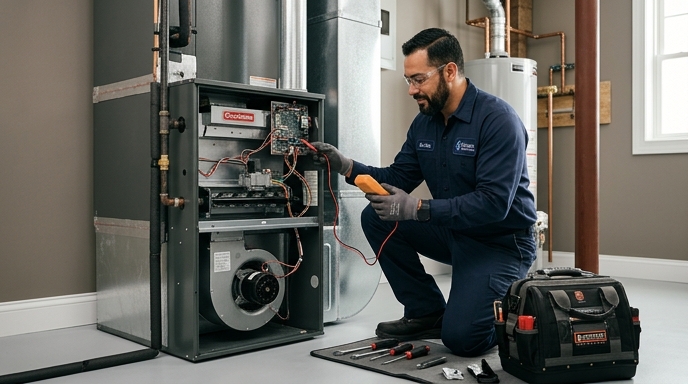
Troubleshooting Furnace Repair Tips: When Your Heater Isn’t Heating
When your furnace stops blowing hot air, it’s a frustrating experience. Beyond the basic checks, specific troubleshooting furnace repair tips can help diagnose the problem. This section focuses on common reasons for a lack of heat and how to approach them.
Understanding these specific furnace repair tips can help you determine if the issue is minor enough for a DIY fix or if it requires a professional. Don’t let a cold house catch you off guard; these insights are crucial furnace repair tips.
Pilot Light or Ignitor Issues: Critical Furnace Repair Tips
For older gas furnaces, a pilot light that has gone out is a common cause of no heat. Consult your furnace’s manual for instructions on how to safely relight it. Modern furnaces use an electronic ignitor instead of a pilot light. If your furnace isn’t igniting, the ignitor might be faulty. These are vital furnace repair tips for gas systems.
A faulty ignitor will prevent the gas from lighting, leading to no heat. While replacing an ignitor can be a DIY task for some, it involves electrical components and gas, making it a situation where professional furnace repair tips are often recommended for safety.
Gas Valve and Fuel Supply: Important Furnace Repair Tips
Ensure that the gas valve to your furnace is fully open. A partially closed or completely shut valve will prevent fuel from reaching the burners, resulting in no heat. This is a simple yet often overlooked furnace repair tip. Verify your home’s main gas supply is also active.
If you suspect a gas leak (e.g., a rotten egg smell), immediately shut off the gas supply, evacuate your home, and contact your gas company and an HVAC professional. Safety is paramount when dealing with gas, making these crucial furnace repair tips.
Clogged Drain Lines (High-Efficiency Furnaces): Specific Furnace Repair Tips
High-efficiency furnaces produce condensation during operation, which drains away through a condensate line. If this line becomes clogged, a safety switch can trip, shutting down the furnace to prevent water damage. Clearing this line is a specific furnace repair tip for these models.
Locate the condensate line and check for blockages. You can often clear minor clogs with a wet/dry vacuum. Regular inspection of this line is a good preventative furnace repair tip to avoid unexpected shutdowns.
Understanding Furnace Repair Tips: When to Call a Professional
While many minor issues can be addressed with DIY furnace repair tips, there are clear instances when professional intervention is not just recommended, but essential. Knowing when to call an expert ensures your safety and prevents further damage to your heating system. These furnace repair tips highlight the boundaries of DIY work.
Attempting complex repairs without the proper training or tools can be dangerous and costly. Trusting certified technicians for these situations is one of the smartest furnace repair tips you can follow. They have the expertise to diagnose and fix intricate problems.
Persistent Issues and Complex Failures: Professional Furnace Repair Tips
If you’ve tried basic troubleshooting furnace repair tips and your furnace still isn’t working, or if the problem recurs frequently, it’s time to call a professional. Issues involving the heat exchanger, blower motor, or control board are complex and require specialized knowledge. These are beyond typical DIY furnace repair tips.
A professional can accurately diagnose the root cause of the problem and perform repairs safely and effectively. They have access to specific diagnostic tools and replacement parts. This ensures a lasting solution, making it a valuable furnace repair tip.
Gas Leaks or Burning Smells: Urgent Furnace Repair Tips
Any smell of gas (like rotten eggs) or burning plastic/electrical odors emanating from your furnace is an emergency. Immediately shut off your furnace and gas supply, evacuate your home, and call your gas company and an HVAC professional. These are critical furnace repair tips that prioritize safety above all else.
Do not attempt to locate the source of the smell yourself. Gas leaks are extremely dangerous and require immediate expert attention. This is a non-negotiable furnace repair tip for your family’s safety.
Where to Find Reputable Furnace Repair Services: Practical Furnace Repair Tips
Finding a trustworthy HVAC company is crucial. Look for licensed, insured, and certified technicians with positive customer reviews. Ask for recommendations from friends or family. A reputable company will offer transparent pricing and guarantees on their work. These are essential furnace repair tips for selecting a service provider.
Consider companies like Stream Cold Air Corp, known for their expertise in comprehensive HVAC services. They provide reliable HVAC services and professional furnace repair. Choosing a local, established business is always a good furnace repair tip.
Facing a complex furnace issue or need professional assistance? Don’t let a faulty heating system compromise your comfort. Our certified technicians at Stream Cold Air Corp are experts in comprehensive HVAC services, ready to diagnose and resolve any heating challenge. Visit our website or call us today to schedule your expert furnace repair and ensure your home stays warm and cozy all season long!
Cost of Furnace Repair and Replacement: Financial Furnace Repair Tips
The cost of furnace repair varies widely depending on the issue and parts needed. Minor repairs might be a few hundred dollars, while major component replacements can run into thousands. Get multiple quotes for significant repairs. These are important financial furnace repair tips.
For older furnaces (15+ years), consider if it’s more cost-effective to repair or replace. A new, energy-efficient furnace can offer significant long-term savings on utility bills. An HVAC professional can help you weigh these options, providing valuable furnace repair tips for your budget.
Addressing Noises and Smells: Essential Furnace Repair Tips
Your furnace often communicates problems through unusual noises and smells. Learning to interpret these signals is a key aspect of effective furnace repair tips. Ignoring them can lead to more severe damage and costly repairs down the line.
From banging and squealing to burning odors, each sound or scent can point to a specific issue. These furnace repair tips will help you understand what your furnace is trying to tell you.
Loud Banging or Booming Noises: Diagnostic Furnace Repair Tips
A loud banging or booming noise often indicates a delayed ignition. This happens when gas builds up in the combustion chamber before igniting, causing a small explosion. This can be due to a dirty burner or a faulty ignitor. These are critical furnace repair tips for safety.
While a dirty burner might be cleaned by a professional, a persistent banging noise requires immediate attention. It can be dangerous and should not be ignored. Contact an HVAC technician for these specific furnace repair tips.
Squealing, Grinding, or Rattling: Mechanical Furnace Repair Tips
Squealing noises typically point to a failing blower motor bearing or a worn-out belt. Grinding sounds often indicate issues with the motor itself. Rattling might be loose panels, ductwork, or debris inside the unit. These mechanical furnace repair tips can help narrow down the problem.
While some loose panels can be tightened, motor issues usually require professional repair or replacement. Addressing these noises promptly can prevent further damage to the system. These are important furnace repair tips for maintaining system integrity.
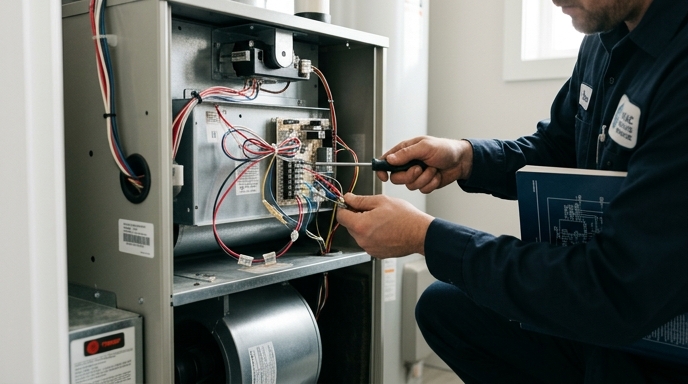
Burning Smells: Safety-First Furnace Repair Tips
A burning dust smell is common at the beginning of the heating season as accumulated dust on the heat exchanger burns off. This usually dissipates quickly. However, a persistent burning smell, especially like plastic or electrical wiring, is a serious concern. These are crucial safety furnace repair tips.
Burning plastic could indicate melting components or wiring, while an electrical smell suggests an overheating motor or electrical fault. In such cases, turn off your furnace and call a professional immediately. These furnace repair tips are non-negotiable for safety.
Proactive Furnace Repair Tips: Maintenance for Longevity
The best furnace repair tips are often preventative. Regular maintenance can significantly extend the life of your furnace, improve its efficiency, and prevent unexpected breakdowns. A proactive approach saves money and ensures consistent comfort.
Establishing a routine for furnace care is one of the most effective furnace repair tips. It helps catch minor issues before they become major problems, keeping your system running smoothly.
Annual Professional Tune-Ups: Essential Furnace Repair Tips
Schedule an annual professional tune-up, ideally in the fall before the heating season begins. A certified technician will inspect, clean, and test all components of your furnace. This includes checking the heat exchanger, burners, electrical connections, and safety controls. This is an indispensable furnace repair tip.
Regular tune-ups ensure optimal performance, identify potential issues early, and maintain your furnace’s efficiency. Many warranties also require annual maintenance. This is a top-tier furnace repair tip for long-term reliability.
According to the U.S. Department of Energy, regular maintenance can reduce your furnace’s energy consumption by 5% to 15%.
Resetting Your Furnace: Simple Furnace Repair Tips
After a power outage or a minor malfunction, resetting your furnace can sometimes resolve the issue. First, turn your thermostat to the ‘Off’ position. Then, locate the furnace’s power switch (usually on the side of the unit) and turn it off for about 30 seconds before flipping it back on. These are basic furnace repair tips for quick fixes.
For a more complete reset, you can also turn off the corresponding circuit breaker for your furnace at your electrical panel for a minute. Wait a few minutes before setting your thermostat back to ‘Heat’. This is a useful furnace repair tip for common glitches.
Advanced Furnace Repair Tips: Online Guides and Resources
For those who are technically inclined and comfortable with more detailed DIY tasks, numerous online resources offer step-by-step furnace repair tips. These guides can provide diagrams, video tutorials, and detailed instructions for specific components.
However, always exercise caution and ensure you understand the risks involved before attempting any advanced repairs. These furnace repair tips are for informational purposes and should be approached with care.
Reliable Online Guides for Furnace Repair Tips
When seeking online furnace repair tips, prioritize reputable sources such as manufacturer websites, established HVAC blogs, or educational platforms. Look for guides that emphasize safety, provide clear instructions, and include visual aids. These resources can be invaluable for understanding your system better.
Remember that while online guides offer valuable furnace repair tips, they cannot replace the expertise of a certified professional for complex or dangerous repairs. Always put safety first when utilizing these furnace repair tips.
Frequently Asked Questions About Furnace Repair Tips
What are the most common furnace problems that can be DIY fixed?
Common furnace problems often include a dirty air filter, which restricts airflow and efficiency, or a tripped circuit breaker. Other DIY fixes might involve checking the thermostat batteries, ensuring the pilot light is lit (for older models), or clearing clogged drain lines in high-efficiency furnaces. These simple steps can often restore furnace functionality without needing a professional.
How can I troubleshoot a furnace that isn’t heating?
To troubleshoot a furnace that isn’t heating, start by checking your thermostat settings to ensure it’s set to ‘Heat’ and the temperature is higher than the room’s. Next, inspect the air filter for dirt and replace it if clogged. Verify the furnace’s power switch is on and check your electrical panel for tripped circuit breakers. For gas furnaces, ensure the gas valve is open and the pilot light (if applicable) is lit.
These steps are key furnace repair tips for initial diagnosis.
When should I call a professional for furnace repair instead of attempting DIY?
You should call a professional for furnace repair when issues extend beyond simple maintenance, such as persistent strange noises, burning smells, frequent cycling, or if the furnace fails to ignite despite basic troubleshooting. Any problems involving gas lines, electrical components beyond a circuit breaker, or complex mechanical failures require the expertise of a certified HVAC technician to ensure safety and proper repair.
Why is my furnace making a loud banging or strange noise?
Loud banging or strange noises from your furnace can indicate several issues. A dirty burner can cause delayed ignition, leading to a loud ‘boom.’ Squealing noises often point to a failing blower motor bearing or belt. Rattling might be loose panels or ductwork. Any unusual noise should be investigated promptly, as these are critical furnace repair tips signaling potential component failure that may require professional attention.
What basic tools do I need for simple furnace maintenance and repair?
For basic furnace maintenance and minor repair tasks, you’ll need a few essential tools. These include a screwdriver set (flathead and Phillips), a wrench or pliers, a multi-meter for checking electrical components (with caution), and a flashlight for inspecting dark areas. Additionally, always have replacement air filters on hand and consider gloves for handling dusty components. These are fundamental furnace repair tips for any homeowner.
What causes a furnace to stop blowing hot air?
A furnace stopping blowing hot air can be caused by several factors. A common culprit is a clogged air filter restricting airflow. Other reasons include a malfunctioning thermostat, a pilot light that has gone out, a faulty ignitor, a tripped high-limit switch, or issues with the gas valve. These components are vital for heating, and their failure can prevent your furnace from delivering warm air. Effective furnace repair tips involve checking these elements systematically.
How do I reset my furnace after a power outage or malfunction?
To reset your furnace after a power outage or malfunction, first ensure the thermostat is set to the ‘Off’ position. Next, locate the furnace’s power switch, usually on the side of the unit, and turn it off for about 30 seconds. Then, flip it back on. For a more complete reset, you can also switch off the corresponding circuit breaker in your electrical panel for a minute before turning it back on.
Wait a few minutes before setting your thermostat to ‘Heat’ again.
How often should I perform maintenance on my furnace to prevent major repairs?
Regular maintenance is crucial to prevent major furnace repairs and ensure optimal performance. It’s recommended to perform basic maintenance tasks, such as changing air filters, every 1-3 months, especially during peak heating seasons. Additionally, a professional HVAC technician should conduct an annual comprehensive tune-up, ideally in the fall before winter. This proactive approach significantly extends your furnace’s lifespan and efficiency.
Conclusion: Mastering Furnace Repair Tips for a Warm Home
Mastering essential Furnace Repair Tips is a crucial skill for any homeowner. From routine maintenance like changing air filters to troubleshooting common issues such as a lack of heat or unusual noises, understanding your furnace empowers you to maintain a comfortable and safe home environment. We’ve explored a range of brilliant fixes, from simple DIY solutions to recognizing when professional expertise is absolutely necessary.
Remember, proactive maintenance, including annual professional tune-ups, is the best defense against unexpected breakdowns. Always prioritize safety, especially when dealing with gas or electrical components. By applying these comprehensive furnace repair tips, you can ensure your heating system operates efficiently and reliably, keeping your home warm for years to come. Don’t let furnace troubles leave you in the cold; these furnace repair tips are your guide to consistent comfort.