

furnace filter replacement: 3 Essential Steps for Peak Warmth
Furnace filter replacement is a fundamental aspect of home maintenance that directly impacts your comfort, health, and energy bills. It’s a simple yet incredibly powerful task often overlooked, leading to decreased heating efficiency and compromised indoor air quality. Understanding the critical role your furnace filter plays is the first step toward a healthier, more efficient home environment, especially as colder seasons approach.
This comprehensive guide will demystify the process, providing you with authoritative insights into why regular furnace filter replacement is non-negotiable. We will explore the different types of filters available, help you identify the right one for your system, and walk you through the essential steps to perform this vital maintenance task yourself. By the end, you’ll be equipped to ensure your heating system runs at peak performance, delivering consistent warmth and cleaner air.
Key Takeaways
- Understand the dual purpose of your furnace filter: protecting your HVAC system and improving indoor air quality.
- Learn the critical frequency for furnace filter replacement, typically every 1 to 3 months, depending on household factors.
- Discover how a clean filter significantly boosts your heating system’s efficiency, saving you money on energy bills.
- Identify the correct filter size and MERV rating for your unit to ensure optimal performance and filtration.
- Master the simple, three-step process for DIY furnace filter replacement, empowering you to maintain your home’s comfort.
What is the Purpose of Furnace Filter Replacement?
The primary role of a furnace filter is often misunderstood, yet its function is absolutely vital for both your heating system and your home’s atmosphere. At its core, a furnace filter acts as a critical barrier, trapping airborne particles before they can circulate throughout your HVAC system and living spaces. Regular furnace filter replacement ensures this barrier remains effective.
Without a clean filter, your furnace would draw in dust, dirt, pet dander, pollen, and other debris directly into its sensitive components. This accumulation can lead to significant operational issues and a decline in system longevity. Therefore, the purpose extends beyond just air purification; it’s about safeguarding your entire heating and cooling infrastructure.
Protecting Your HVAC System with Furnace Filter Replacement
Your furnace is a complex piece of machinery, and its internal components are susceptible to damage from particulate matter. A dirty filter allows dust and debris to bypass the filtration system, coating the blower motor, heat exchanger, and other moving parts. This buildup forces your furnace to work harder, increasing wear and tear and potentially leading to costly breakdowns.
Consistent furnace filter replacement prevents this internal contamination, ensuring that your system’s delicate parts remain clean and operate as intended. This proactive maintenance significantly extends the lifespan of your furnace, saving you from premature repair or replacement expenses. It’s an investment in the longevity of your entire HVAC unit.
Enhancing Indoor Air Quality through Furnace Filter Replacement
Beyond protecting your equipment, the filter plays an indispensable role in maintaining healthy indoor air quality. As air circulates through your home and passes through the furnace, the filter captures a wide array of contaminants. These include common allergens like dust mites, pet dander, and pollen, as well as mold spores and other microscopic irritants.
Effective furnace filter replacement directly translates to cleaner air for you and your family to breathe. This is particularly important for individuals with allergies, asthma, or other respiratory sensitivities. A high-quality, clean filter can dramatically reduce the presence of airborne pollutants, creating a more comfortable and healthier living environment.
The Critical Importance of Regular Furnace Filter Replacement
Neglecting your furnace filter can have far-reaching consequences that impact both your wallet and your well-being. Regular furnace filter replacement is not merely a suggestion; it is a critical maintenance task that underpins the efficiency, longevity, and overall performance of your heating system. A clogged filter is a significant impediment to optimal operation.
When a filter becomes saturated with dust and debris, it restricts airflow, forcing your furnace to expend more energy to pull air through. This increased strain leads to higher energy consumption, elevated utility bills, and unnecessary stress on internal components. Understanding this importance empowers homeowners to take proactive steps for better home heating.
How Often Should You Perform Furnace Filter Replacement?
The frequency of furnace filter replacement is not a one-size-fits-all answer; it depends on several factors unique to your household. Generally, most HVAC professionals recommend replacing standard 1-inch filters every 1 to 3 months. However, certain conditions necessitate more frequent changes.
Households with pets, especially those that shed heavily, should consider monthly filter changes. Similarly, if you or a family member suffers from allergies or asthma, a monthly furnace filter replacement can significantly improve indoor air quality. During peak heating or cooling seasons, when your system runs more frequently, more regular checks and changes are also advisable. For larger, thicker filters (4-inch or 5-inch), the replacement interval can extend to 6-12 months, but visual inspection remains key.
Recognizing When Furnace Filter Replacement is Needed
Knowing when to perform a furnace filter replacement is crucial for maintaining system health and indoor comfort. While a calendar reminder is helpful, visual inspection is the most reliable indicator. Pull out your filter and hold it up to a light source. If you can’t see light passing through it, or if it appears heavily caked with dirt and dust, it’s definitely time for a change.
Other signs include a noticeable increase in dust accumulation on surfaces around your home, reduced airflow from your vents, or an unexpected spike in your energy bills. If your furnace seems to be running constantly or struggling to reach the thermostat setting, a clogged filter could be the culprit. Addressing these indicators promptly with a furnace filter replacement can prevent further issues.
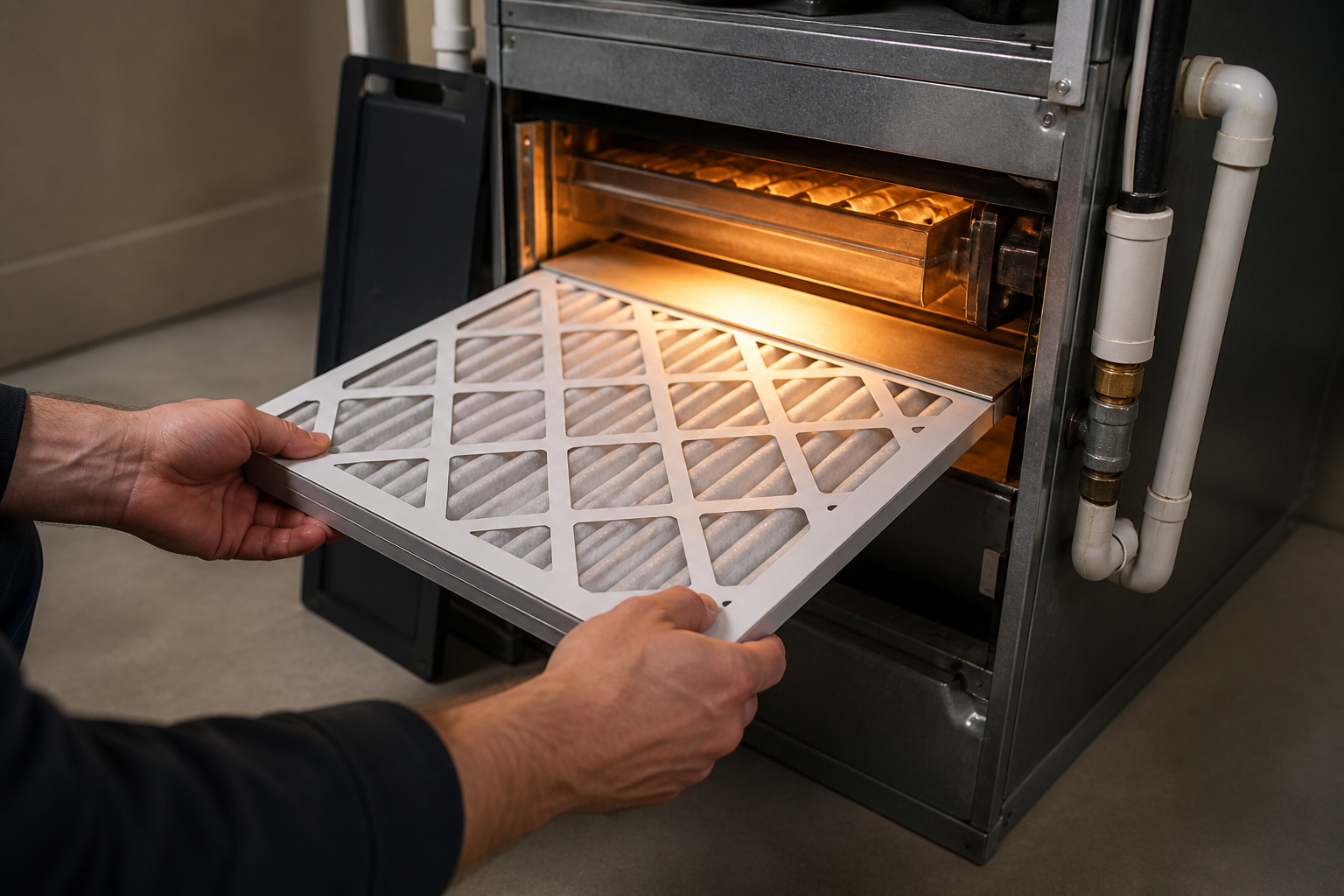
Understanding Furnace Filter Types and MERV Ratings for Optimal Performance
Choosing the right filter is just as important as regular furnace filter replacement. The market offers a variety of filter types, each designed with different materials and filtration capabilities. Understanding these options, particularly their MERV rating, is essential for selecting a filter that meets your specific needs without overworking your HVAC system.
The effectiveness of a filter is largely determined by its ability to capture microscopic particles. This capability varies significantly between types, impacting both air quality and system performance. Making an informed choice ensures you get the best balance of filtration and airflow for your home.
Exploring Different Furnace Filter Replacement Options
When it comes to furnace filter replacement, you’ll encounter several common types:
- Fiberglass Filters: These are the most basic and inexpensive option, offering minimal filtration (MERV 1-4). They primarily protect the furnace from large particles but do little for indoor air quality.
- Pleated Filters: Made from cotton or polyester folds, these filters offer significantly better filtration (MERV 5-13) by increasing the surface area for capturing particles. They are a popular choice for balancing cost and effectiveness.
- Electrostatic Filters: These filters use static electricity to attract and trap particles. Some are disposable, while others are washable and reusable, offering good filtration (MERV 8-10) without restricting airflow excessively.
- HEPA Filters: High-Efficiency Particulate Air (HEPA) filters provide the highest level of filtration (MERV 17-20), capable of capturing extremely fine particles like bacteria and viruses. However, they are very dense and can restrict airflow, often requiring professional HVAC system modifications to avoid damaging the furnace.
Choosing the Right MERV Rating for Your Furnace Filter Replacement
The MERV (Minimum Efficiency Reporting Value) rating is a crucial indicator of a filter’s ability to capture airborne particles. The higher the MERV rating, the more efficient the filter is at trapping smaller particles. For most residential homes, a MERV rating between 8 and 11 offers an excellent balance of effective filtration for common allergens and maintaining healthy airflow for your HVAC system.
While a higher MERV rating might seem better, it’s important not to choose a filter that is too restrictive for your furnace. Filters with MERV ratings above 13 can significantly impede airflow, forcing your furnace to work harder and potentially leading to system strain or damage, especially in older units. Always consult your furnace manufacturer’s recommendations before opting for a high-MERV furnace filter replacement.
A good resource for understanding MERV ratings is the Environmental Protection Agency (EPA) guidelines on MERV ratings.
Essential Steps for DIY Furnace Filter Replacement
Performing a furnace filter replacement yourself is one of the easiest and most impactful DIY home maintenance tasks you can undertake. It requires minimal tools and time, yet yields significant benefits for your heating system’s performance and your home’s air quality. Many homeowners find this a straightforward process, saving on professional service calls for this specific task.
Even if you’re not particularly handy, these three essential steps will guide you through a successful furnace filter replacement. Taking the time to do this regularly will ensure your furnace operates efficiently and reliably throughout the year.
Step 1: Safety First and Locating Your Furnace Filter Replacement Slot
Before you begin any furnace filter replacement, safety is paramount. Always start by turning off your furnace. Locate your thermostat and switch the system from
Optimize Your Heating with Expert Furnace Filter Replacement from Stream Cold Air Corp
Ensure your heating system runs efficiently and your indoor air remains pristine with our professional furnace filter replacement services. Our certified technicians provide thorough and reliable service to maintain peak performance.
Frequently Asked Questions About Furnace Filter Replacement
What is the purpose of a furnace filter?
A furnace filter’s primary purpose is to protect your heating and cooling system from dust, dirt, and debris by trapping these particles before they can enter and damage the furnace components. It also plays a vital role in improving indoor air quality by removing airborne contaminants like pollen, pet dander, and mold spores from the air you breathe.
How often should you replace a furnace filter?
The frequency of furnace filter replacement depends on several factors, including filter type, household size, presence of pets, and air quality concerns. Generally, it’s recommended to replace standard 1-inch filters every 1 to 3 months. Households with pets, allergies, or frequent furnace use might need to change them monthly, while vacation homes could extend to every 6 months.
Why is regular furnace filter replacement important?
Regular furnace filter replacement is crucial for several reasons. It maintains your furnace’s efficiency, reducing energy consumption and utility bills. A clean filter prevents dust buildup on internal components, extending the lifespan of your system and preventing costly repairs. Furthermore, it significantly improves indoor air quality by filtering out allergens and pollutants, creating a healthier living environment.
What size furnace filter do I need for my unit?
The correct furnace filter size is typically printed on the side of your existing filter, usually in inches (e.g., 20x25x1). If you cannot find it there, check your furnace’s owner’s manual or look for a label on the furnace unit itself, often near the filter slot. It’s essential to use the exact specified size for proper fit and optimal performance.
How do I replace my furnace filter step-by-step?
First, turn off your furnace at the thermostat and the circuit breaker for safety. Locate the filter slot, usually at the return air duct or within the furnace unit. Note the direction of the airflow arrow on the old filter and insert the new furnace filter replacement, ensuring the arrow points towards the furnace. Close the slot cover and restore power.
Where is the furnace filter typically located?
Most furnace filters are located either in a dedicated slot on the return air duct, just before the furnace blower fan, or directly inside the furnace unit itself where the return air enters. Sometimes, older or larger systems may have filters located at the return air vents within the home.
What are the different types of furnace filters available?
Common furnace filter types include fiberglass (basic, inexpensive), pleated (better filtration for common particles), electrostatic (uses static charge to attract particles), washable (reusable, eco-friendly), and HEPA filters (highest filtration, often require professional system modification). Each type offers different levels of air purification and airflow restriction, indicated by their MERV rating.
Can a dirty furnace filter damage my furnace?
Yes, a dirty furnace filter can absolutely damage your furnace. An excessively clogged filter restricts airflow, forcing your furnace to work harder to pull air through. This increased strain can lead to overheating, reduced efficiency, premature wear on components like the blower motor, and potentially even system failure, resulting in expensive repairs.
What MERV rating is best for furnace filters?
The best MERV (Minimum Efficiency Reporting Value) rating for your furnace filter depends on your specific needs. For most homes, a MERV rating between 8 and 11 offers a good balance of filtration for common allergens and efficient airflow. Higher MERV ratings (13+) provide superior filtration but can restrict airflow more, potentially stressing older systems. Always check your furnace manufacturer’s recommendations.
How do I know if my furnace filter needs replacing?
Key indicators that your furnace filter needs replacing include visible dirt and dust buildup on the filter, reduced airflow from your vents, an increase in dust accumulation around your home, higher energy bills, or a noticeable decline in indoor air quality. It’s best to visually inspect your filter monthly.

