


Duct Insulation Benefits are paramount for any homeowner aiming to optimize their HVAC system’s performance. Uninsulated or poorly insulated ductwork can lead to significant energy waste, diminished indoor comfort, and even compromised air quality. This comprehensive guide will delve into the critical advantages of proper duct insulation, highlighting three ultimate ways it can boost your home’s heating and cooling efficiency. We will explore how this essential upgrade contributes to substantial energy savings, creates a more comfortable living environment, and supports the overall longevity and health of your home.
Key Takeaways
- Understand how proper duct insulation dramatically reduces energy loss, leading to significant savings on utility bills.
- Learn how insulated ducts ensure consistent temperatures throughout your home, eliminating uncomfortable hot and cold spots.
- Discover the role of duct insulation in preventing condensation, mitigating mold growth, and improving indoor air quality.
- Explore the different types of insulation materials and their performance, helping you choose the best solution for your needs.
Unveiling the Core Duct Insulation Benefits: Energy Efficiency & Cost Savings
The most immediate and impactful of all Duct Insulation Benefits is the dramatic improvement in energy efficiency. Your HVAC system works hard to heat or cool the air in your home. However, if that conditioned air travels through uninsulated ducts in unconditioned spaces like attics, crawl spaces, or basements, a significant portion of its temperature is lost before it even reaches your living areas.
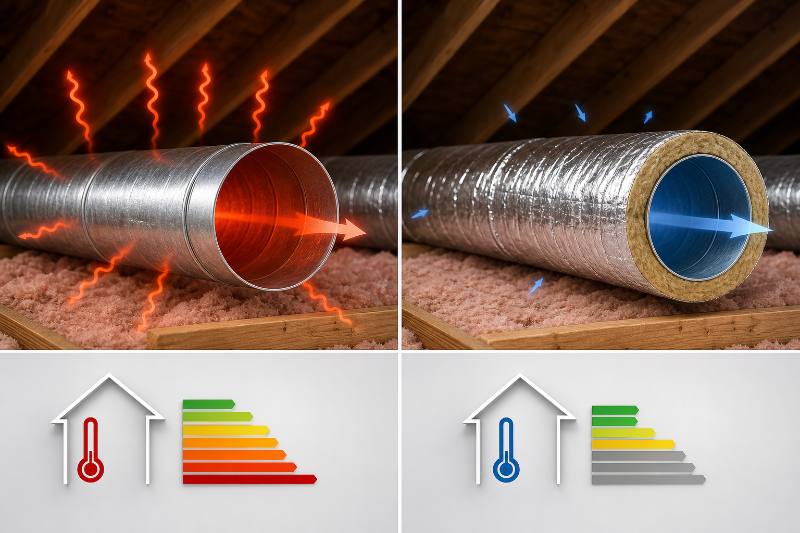
This continuous struggle directly translates into higher energy consumption and, consequently, inflated utility bills. Investing in quality duct insulation creates a thermal barrier, ensuring that the air maintains its desired temperature from your HVAC unit to every vent in your home. This reduction in heat transfer is crucial for reducing energy loss.
A well-insulated duct system minimizes the workload on your furnace and air conditioner, extending their lifespan and delaying costly repairs or replacements. This proactive measure safeguards your investment in your HVAC system.
Maximizing Energy Efficiency with Duct Insulation Benefits
Proper insulation acts as a shield, preventing conditioned air from losing heat in winter or gaining heat in summer. This means your HVAC system doesn’t have to compensate for temperature fluctuations within the ductwork. The result is a more efficient operation, consuming less energy to maintain your desired indoor climate.
This is why proper duct insulation is crucial for reducing energy loss. Studies by the U.S. Department of Energy indicate that duct losses can account for 20% to 30% of a home’s heating and cooling energy use. Addressing these losses is a key step toward a greener, more economical home.
The potential savings on utility bills after insulating ducts can be substantial. Homeowners often report reductions ranging from 10% to 30% on their heating and cooling costs. These savings are not just a one-time event; they accumulate year after year, making duct insulation a wise long-term investment. The initial cost of installation is typically recouped through these energy savings over a relatively short period.
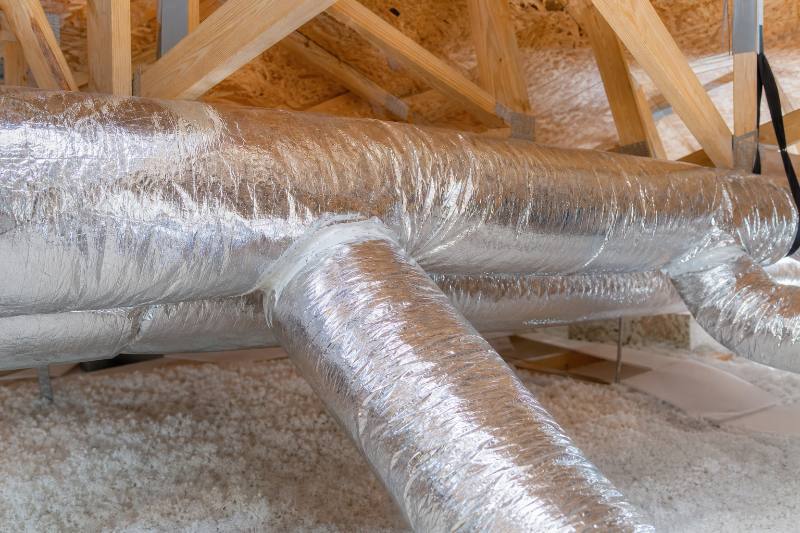
Enhancing Comfort: Duct Insulation Benefits for Consistent Indoor Temperatures
Beyond the financial savings, another significant aspect of Duct Insulation Benefits is the profound improvement in indoor comfort. Have you ever noticed certain rooms in your home are always too hot in summer or too cold in winter, despite your thermostat being set appropriately? This common issue often stems from uninsulated or poorly sealed ductwork.
When ducts run through unconditioned areas, the air inside them can drastically change temperature. This leads to uneven heating and cooling, creating uncomfortable hot and cold spots throughout your home. Proper duct insulation ensures that air delivered to each room is consistently at the desired temperature.
This eliminates those frustrating temperature disparities, maintaining a more stable and enjoyable indoor climate. Your family will appreciate the consistent warmth in winter and refreshing coolness in summer, no matter which room they are in.
Achieving Optimal Home Comfort with Duct Insulation Benefits
How does proper duct insulation contribute to a comfortable home? By maintaining the temperature of the air as it travels, insulation ensures that your living spaces receive the conditioned air exactly as intended. This consistency means your HVAC system doesn’t have to constantly cycle on and off to try and balance temperatures, leading to quieter operation and a more stable environment.
This enhanced comfort extends to every corner of your house, from the attic bedroom to the basement den. It transforms your home into a uniformly pleasant sanctuary, regardless of the season or the outdoor climate. The absence of drafts and sudden temperature shifts significantly improves the overall quality of life within your living spaces.
Beyond the Thermostat: Duct Insulation Benefits for Air Quality and Longevity
The advantages of Duct Insulation Benefits stretch far beyond just temperature control and energy bills. They also play a crucial role in maintaining healthy indoor air quality and extending the lifespan of your HVAC system. These often-overlooked aspects are vital for a truly optimized home environment.
Improving Indoor Air Quality and Reducing Noise with Duct Insulation Benefits
Can duct insulation improve indoor air quality and reduce noise? Absolutely. One major benefit of duct insulation is its ability to prevent condensation. When warm, humid air from unconditioned spaces comes into contact with cold duct surfaces (carrying cool air), moisture can condense on the exterior of the ducts.
This condensation creates a damp environment, which is a prime breeding ground for mold, mildew, and bacteria. Mold spores can then be drawn into your home’s airflow, circulating allergens and irritants throughout your living spaces. By keeping the duct surfaces above the dew point, insulation effectively prevents condensation, thereby mitigating the risk of mold growth and improving overall indoor air quality.
Furthermore, insulation helps absorb sounds from the HVAC system, such as air rushing or equipment vibrations, leading to a quieter and more peaceful home. This quiet operation contributes significantly to a serene living environment.
Protecting Your System and Preventing Damage
Uninsulated ducts are not only inefficient but can also suffer from premature wear and tear. Constant exposure to extreme temperatures can stress duct materials, leading to cracks, leaks, and deterioration over time. The prevention of condensation also protects the ductwork from rust and water damage, which can compromise its structural integrity.
By safeguarding your ductwork, insulation contributes to the longevity of your entire HVAC system. A system that operates efficiently and without undue stress requires fewer repairs and maintains its performance for a longer period. This translates into less maintenance hassle and greater peace of mind for homeowners.
Choosing the Right Solutions for Your Duct Insulation Benefits
To fully realize the Duct Insulation Benefits, selecting the appropriate materials and ensuring professional installation are key. The effectiveness of your insulation depends heavily on its R-value, which measures thermal resistance. A higher R-value indicates better insulating power.
What Types of Duct Insulation Materials Offer the Best Performance?
Common and effective duct insulation materials include fiberglass (faced or unfaced), rigid foam boards (like polyisocyanurate), and reflective foil insulation. Fiberglass duct wrap is a popular choice for its flexibility and ease of installation around existing ductwork. Rigid foam boards offer higher R-values in thinner profiles, ideal for spaces with limited clearance. Reflective foil insulation is excellent at blocking radiant heat transfer, particularly in attics.
The best performance often comes from materials with a high R-value suited to your specific climate and ductwork configuration. A professional assessment can help determine the optimal choice for your home’s unique needs.
What R-value is Recommended for Duct Insulation in My Climate Zone?
Recommended R-values for duct insulation vary by climate zone and local building codes. In warmer climates like Deerfield Beach, FL, higher R-values (typically R-6 to R-8 or higher) are often recommended for ducts in unconditioned spaces to combat heat gain effectively. Conversely, in colder climates, similar R-values are needed to prevent heat loss. Consulting with an HVAC expert or local building department can provide specific requirements for your area.
The Investment: Understanding the Cost and Long-Term Duct Insulation Benefits
Considering the financial implications is a natural part of any home improvement project. While there’s an upfront cost associated with installing duct insulation, the long-term Duct Insulation Benefits in terms of energy savings and enhanced comfort make it a highly worthwhile investment.
How Much Does It Typically Cost to Insulate Ducts in an Average Home?
The cost of insulating ducts varies widely depending on factors like the total length of ductwork, accessibility, chosen insulation material, R-value, and regional labor rates. For an average home, costs can range from a few hundred to several thousand dollars. It’s best to get a personalized quote from a local HVAC professional for an accurate estimate, as every home’s duct system is unique.
What Are the Potential Savings on Utility Bills After Insulating Ducts?
The potential savings on utility bills after insulating ducts can be substantial, often ranging from 10% to 30% of your heating and cooling costs. These savings depend on your home’s previous insulation levels, climate, and energy usage habits. The investment typically pays for itself through reduced energy expenses over time, offering a strong return on investment.
Discover Duct Insulation Benefits with Stream Cold Air Corp!
Maximize your HVAC efficiency and achieve lasting comfort with our expert duct insulation services. We provide free quotes and flexible financing options for your home.
Maximizing Your Home’s Potential: Professional Duct Insulation Benefits
To truly unlock all the Duct Insulation Benefits, professional installation is highly recommended. While DIY options exist, ensuring proper sealing and material application is crucial for optimal performance. An expert can identify problem areas and recommend the most effective solutions.
Is It Worthwhile to Insulate Ducts in an Unconditioned Attic or Crawl Space?
Absolutely. Insulating ducts in unconditioned attics, crawl spaces, or basements is one of the most impactful energy efficiency upgrades you can make. These areas experience extreme temperature swings, causing significant energy loss through uninsulated ducts. Proper insulation here dramatically improves efficiency and comfort, making it a top priority for many homeowners. This is a key area where homeowners see substantial Duct Insulation Benefits.
What Are the Signs That My Existing Ductwork Needs Better Insulation?
Signs your ducts need better insulation include noticeably inconsistent temperatures between rooms, high utility bills despite a well-maintained HVAC system, sweating or condensation on duct surfaces, and excessive noise from your ductwork. Visible gaps or deterioration in existing insulation are also clear indicators that your home is missing out on crucial Duct Insulation Benefits. Addressing these signs promptly can lead to significant improvements.
How Long Does Duct Insulation Last, and When Should It Be Replaced?
High-quality duct insulation can last for 10-25 years or even longer, depending on the material, installation quality, and environmental conditions. It should be replaced if it becomes damaged, torn, wet, moldy, compressed, or loses its R-value over time. Regular HVAC inspections can help identify when replacement is due, ensuring you continue to reap the full Duct Insulation Benefits.
Are There Any Government Rebates or Incentives for Duct Insulation Upgrades?
Government rebates or incentives for duct insulation upgrades can vary by state, local utility company, and federal programs. It’s advisable to check with your local energy providers, state energy offices, or consult with your HVAC contractor, as they are often aware of current programs that can help offset the cost of insulation improvements. These programs can further enhance the financial benefits of duct insulation.
Who Offers Professional Duct Insulation Installation Near Me?
For professional duct insulation installation near Deerfield Beach, FL, Stream Cold Air Corp is a trusted local expert. They specialize in comprehensive HVAC services, including air duct work and insulation, ensuring proper installation for maximum efficiency and comfort in your home or business. You can easily get a quote for duct insulation installation by contacting them directly. Visit Stream Cold Air Corp to learn more about their services and schedule an assessment.
Conclusion
In summary, the array of Duct Insulation Benefits makes it an indispensable upgrade for any home. From significantly boosting HVAC efficiency and slashing energy costs to ensuring consistent indoor comfort and improving air quality, the advantages are clear. Investing in proper duct insulation is a smart decision that pays dividends in both financial savings and enhanced living quality. By taking action, you can transform your home into a more energy-efficient, comfortable, and healthier environment for years to come.
Frequently Asked Questions About Duct Insulation Benefits
What are the key benefits of insulating HVAC ducts?
Duct insulation offers numerous benefits, primarily by preventing heat transfer through ductwork. This means your conditioned air (heated or cooled) reaches its destination without losing temperature, leading to significant energy savings, improved HVAC efficiency, and consistent comfort throughout your home. It also helps prevent condensation and can reduce noise from air movement.
Why is duct insulation crucial for reducing energy loss?
Uninsulated ducts, especially those running through unconditioned spaces like attics or crawl spaces, are highly susceptible to heat gain in summer and heat loss in winter. Insulation acts as a thermal barrier, greatly minimizing this transfer of energy and ensuring that the treated air retains its temperature, thus reducing the workload on your HVAC system and lowering your utility bills.
How does proper duct insulation contribute to a comfortable home?
By preventing temperature fluctuations within the ductwork, proper duct insulation ensures that air delivered to each room is at the desired temperature. This eliminates hot or cold spots, maintains a more consistent indoor climate, and significantly enhances overall home comfort, making your living spaces more enjoyable year-round.
What types of duct insulation materials offer the best performance?
Common and effective duct insulation materials include fiberglass (faced or unfaced), rigid foam boards (like polyisocyanurate), and reflective foil insulation. The best performance often comes from materials with a high R-value (a measure of thermal resistance) suited to your specific climate and ductwork configuration. Professional assessment can help determine the optimal choice.
Can duct insulation improve indoor air quality and reduce noise?
Yes, duct insulation can indirectly improve indoor air quality by preventing condensation on duct surfaces, which can lead to mold and mildew growth. While its primary role isn’t air filtration, reducing moisture opportunities is beneficial. It also helps absorb sounds from the HVAC system, like air rushing or equipment vibrations, leading to a quieter living environment.
How much does it typically cost to insulate ducts in an average home?
The cost of insulating ducts varies widely depending on factors like the total length of ductwork, accessibility, chosen insulation material, R-value, and regional labor rates. For an average home, costs can range from a few hundred to several thousand dollars. It’s best to get a personalized quote from a local HVAC professional for an accurate estimate.
How do I get a quote for duct insulation installation?
Getting a quote for duct insulation installation is straightforward. Contact reputable local HVAC service providers like Stream Cold Air Corp. They will schedule an on-site assessment to evaluate your existing ductwork, discuss your needs, and provide a detailed, no-obligation estimate tailored to your home’s specific requirements.
What are the signs that my existing ductwork needs better insulation?
Signs your ducts need better insulation include noticeably inconsistent temperatures between rooms, high utility bills despite a well-maintained HVAC system, sweating or condensation on duct surfaces, and excessive noise from your ductwork. Visible gaps or deterioration in existing insulation are also clear indicators.
Is it worthwhile to insulate ducts in an unconditioned attic or crawl space?
Absolutely. Insulating ducts in unconditioned attics, crawl spaces, or basements is one of the most impactful energy efficiency upgrades you can make. These areas experience extreme temperature swings, causing significant energy loss through uninsulated ducts. Proper insulation here dramatically improves efficiency and comfort.
How long does duct insulation last, and when should it be replaced?
High-quality duct insulation can last for 10-25 years or even longer, depending on the material, installation quality, and environmental conditions. It should be replaced if it becomes damaged, torn, wet, moldy, compressed, or loses its R-value over time. Regular HVAC inspections can help identify when replacement is due.
What R-value is recommended for duct insulation in my climate zone?
Recommended R-values for duct insulation vary by climate zone and local building codes. In warmer climates like Deerfield Beach, FL, higher R-values (typically R-6 to R-8 or higher) are often recommended for ducts in unconditioned spaces to combat heat gain effectively. Consult with an HVAC expert or local building department for specific requirements.
Does duct insulation prevent condensation and mold growth?
Yes, a major benefit of duct insulation is its ability to prevent condensation. When warm, humid air comes into contact with cold duct surfaces (carrying cool air), moisture can condense, leading to water damage, rust, and prime conditions for mold and mildew growth. Insulation acts as a barrier, keeping duct surfaces above the dew point.
What are the potential savings on utility bills after insulating ducts?
The potential savings on utility bills after insulating ducts can be substantial, often ranging from 10% to 30% of your heating and cooling costs. These savings depend on your home’s previous insulation levels, climate, and energy usage habits, but the investment typically pays for itself through reduced energy expenses over time.
Who offers professional duct insulation installation near me?
For professional duct insulation installation near Deerfield Beach, FL, Stream Cold Air Corp is a trusted local expert. They specialize in comprehensive HVAC services, including air duct work and insulation, ensuring proper installation for maximum efficiency and comfort in your home or business.
Are there any government rebates or incentives for duct insulation upgrades?
Government rebates or incentives for duct insulation upgrades can vary by state, local utility company, and federal programs. It’s advisable to check with your local energy providers, state energy offices, or consult with your HVAC contractor, as they are often aware of current programs that can help offset the cost of insulation improvements.