


Commercial HVAC Zoning is a revolutionary approach to climate control that empowers businesses to achieve unparalleled comfort and efficiency across diverse workspaces. In today’s dynamic commercial environments, maintaining a consistent, comfortable temperature for every occupant can be a significant challenge. Traditional HVAC systems often struggle to meet varied needs, leading to energy waste, hot and cold spots, and dissatisfied employees or customers. This advanced system offers a powerful solution, allowing precise temperature management in different areas of a building simultaneously.
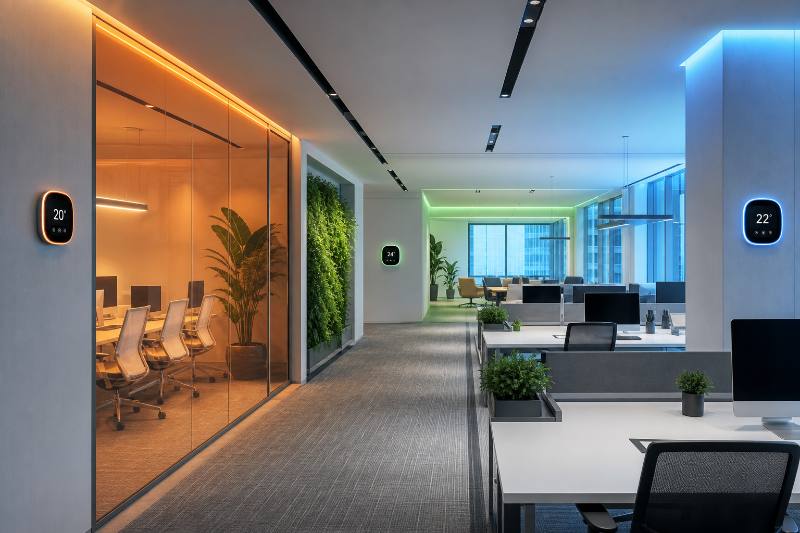
This comprehensive guide will unveil 7 powerful secrets to mastering Commercial HVAC Zoning, transforming your business environment into a haven of optimal comfort and operational efficiency. We will delve into how these systems work, their profound benefits, and the critical considerations for design, installation, and maintenance. By understanding these principles, you can unlock substantial energy savings, extend the lifespan of your HVAC equipment, and significantly enhance the indoor climate quality for everyone within your commercial space.
Key Takeaways
- Discover how Commercial HVAC Zoning systems provide tailored temperature control for different areas, eliminating hot and cold spots.
- Learn the significant energy savings and reduced operational costs that result from optimizing climate control in specific zones.
- Understand the essential components of a zoning system, including smart thermostats, zone dampers, and central control panels.
- Identify the types of commercial buildings that benefit most from implementing a multi-zone HVAC strategy.
- Explore the benefits of retrofitting existing HVAC systems with zoning capabilities for enhanced efficiency and comfort.
- Gain insights into the critical role of proper design and professional installation for maximizing the effectiveness and longevity of your system.
- Uncover how strategic Commercial HVAC Zoning contributes to improved indoor air quality and occupant well-being.
What is Commercial HVAC Zoning and How It Works
Commercial HVAC Zoning is a sophisticated system that divides a commercial building into multiple independent temperature-controlled areas, or

Unlock Ultimate Comfort with Stream Cold Air Corp: Expert Commercial HVAC Zoning
Stream Cold Air Corp provides unparalleled Commercial HVAC Zoning solutions, ensuring optimal temperature control, significant energy savings, and a consistently comfortable environment for your Deerfield Beach business.
What is commercial HVAC zoning and how does it work?
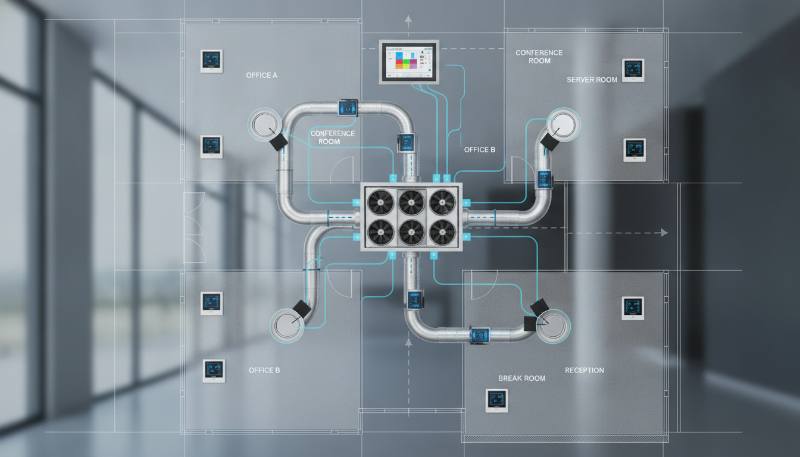
Commercial HVAC zoning divides a building into independent temperature zones, each controlled by its own thermostat. Dampers in the ductwork open or close to direct conditioned air only to areas that need it, based on occupancy and preference, ensuring tailored comfort and efficiency.
Why is commercial HVAC zoning beneficial for businesses?
Commercial HVAC zoning offers significant benefits, including enhanced occupant comfort, substantial energy savings by only conditioning occupied areas, improved system lifespan due to reduced strain, and greater control over the internal climate of diverse spaces within your business.
What types of commercial buildings are ideal for HVAC zoning?
Commercial HVAC zoning is ideal for buildings with varied occupancy schedules, distinct functional areas (e.g., offices, conference rooms, server rooms, retail spaces), multiple exposures to sunlight, or large open-plan offices that experience persistent temperature discrepancies.
How much does it cost to install a commercial HVAC zoning system?
The cost of installing a commercial HVAC zoning system varies widely depending on the building’s size, the number of zones, system complexity, and existing HVAC infrastructure. While an investment, it typically delivers a strong return through long-term energy savings and improved operational efficiency.
Can an existing commercial HVAC system be retrofitted with zoning?
Yes, many existing commercial HVAC systems can be successfully retrofitted with zoning capabilities. This process typically involves installing zone dampers, additional thermostats, and a central control panel. A professional assessment from Stream Cold Air Corp can determine the feasibility and best approach for your specific system.
What are the energy efficiency benefits of commercial HVAC zoning?
Commercial HVAC zoning dramatically improves energy efficiency by preventing the over-conditioning or under-conditioning of unoccupied or less-used areas. This targeted approach reduces run times for the main HVAC unit, leading to significantly lower utility bills, reduced wear and tear, and a smaller carbon footprint for your business.
Why is proper design crucial for commercial HVAC zoning effectiveness?
Proper design is paramount for commercial HVAC zoning because it ensures that each zone receives adequate airflow and precise temperature control without negatively impacting other zones or the overall system’s balance. Incorrect design can lead to hot/cold spots, noise issues, uneven comfort, and premature equipment wear, diminishing the system’s benefits.
How does commercial HVAC zoning impact indoor air quality?
While primarily focused on temperature, commercial HVAC zoning can indirectly support indoor air quality by optimizing airflow distribution and allowing for more consistent humidity levels in specific zones. Integrating zoning with advanced filtration and ventilation systems further enhances the overall breathing environment throughout the commercial building.
Learn more from authoritative resources: Consumer Reports and HGTV.