Commercial HVAC Upgrade: 7 Essential Steps for Efficiency
A Commercial HVAC Upgrade is more than just replacing old equipment; it’s a strategic investment in your business’s future. It promises enhanced operational efficiency, significant cost savings, and a consistently comfortable environment for employees and customers alike. In today’s competitive landscape, an outdated heating, ventilation, and air conditioning system can be a silent drain on resources, impacting everything from energy bills to employee productivity.
This comprehensive guide will walk you through the essential blueprint steps for a successful upgrade. We’ll explore how to identify the need for a new system, navigate the selection process, understand financing options, and ensure a seamless installation. Our goal is to equip you with the knowledge to make informed decisions, transforming your facility into a hub of optimal comfort and efficiency.
Key Takeaways
- Identify the critical signs that indicate your business is ready for a Commercial HVAC Upgrade, from rising energy bills to inconsistent temperatures.
- Understand the comprehensive 7-step blueprint for planning and executing a successful HVAC system replacement, ensuring minimal disruption.
- Discover the significant financial and operational benefits of investing in a modern, energy-efficient system, including potential incentives and ROI.
- Learn how to select the right commercial HVAC contractor and avoid common pitfalls to ensure a smooth, effective upgrade process.
What is a Commercial HVAC Upgrade and Why Does Your Business Need One?
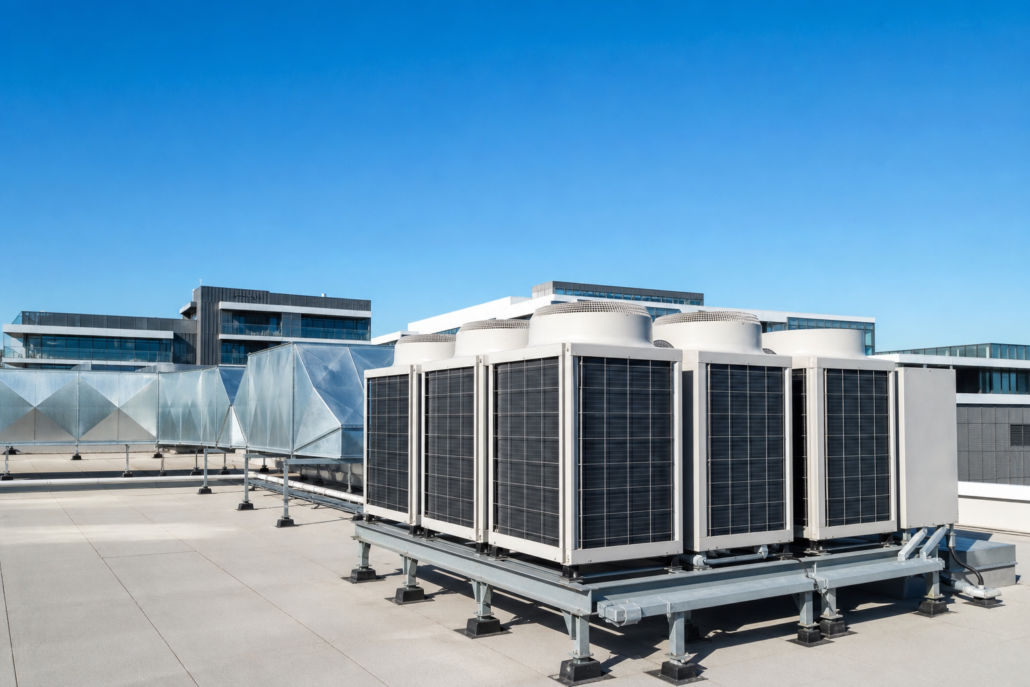
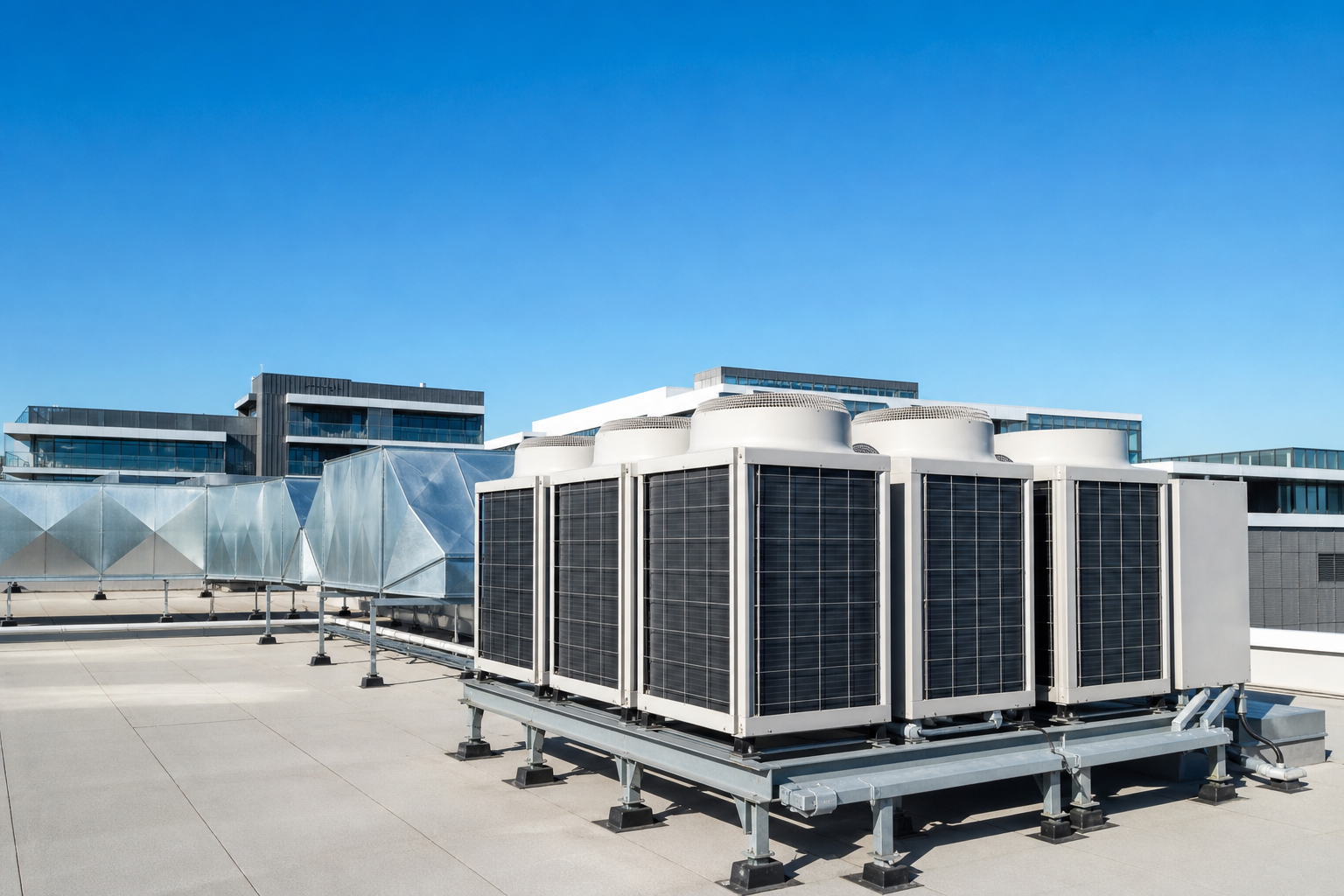
A commercial HVAC upgrade involves replacing or significantly overhauling your existing heating, ventilation, and air conditioning system. This can range from installing new, more efficient units to upgrading ductwork, controls, and associated components. The primary objective is to improve performance, reduce operating costs, and enhance the indoor environment for everyone within your commercial property.
Many businesses operate with aging HVAC systems that are no longer performing optimally. These older units often consume excessive energy, leading to inflated utility bills and increased carbon footprints. A timely upgrade can address these issues, bringing your facility into the modern era of energy efficiency and climate control.
Signs Your Business Needs a Commercial HVAC Upgrade
Recognizing the indicators that your system is failing is the first step toward a smart investment. Ignoring these signs can lead to costly emergency repairs, business disruptions, and uncomfortable conditions. A proactive approach is always more beneficial.
What are the signs a commercial HVAC system needs an upgrade? Frequent breakdowns, escalating energy bills, inconsistent temperatures, strange noises or odors, an aging system (over 10-15 years), and poor indoor air quality are key indicators. Addressing these signs proactively can save businesses significant costs and discomfort.
The Impact of an Outdated System on Business Operations
An inefficient HVAC system does more than just cost money; it can negatively affect your entire operation. Uncomfortable temperatures can reduce employee morale and productivity, leading to higher absenteeism. For retail or hospitality businesses, it can deter customers and damage your brand reputation.
Furthermore, older systems often struggle to maintain precise temperature and humidity levels, which can be critical for businesses with sensitive equipment, data centers, or specific product storage requirements. A modern system ensures stable conditions, protecting your assets and optimizing your operational environment.
The 7 Essential Blueprint Steps for a Successful Commercial HVAC Upgrade
Embarking on a Commercial HVAC Upgrade project requires careful planning and execution. Following a structured approach ensures that your investment yields maximum returns in efficiency, comfort, and longevity. This blueprint guides you through each critical phase, from initial assessment to post-installation care.
Step 1: Comprehensive Assessment for Your Commercial HVAC Upgrade
The foundation of any successful upgrade is a thorough understanding of your current system and facility needs. This initial phase involves detailed inspections and data collection. A qualified HVAC professional will evaluate your existing equipment, ductwork, insulation, and building envelope.
This assessment will identify inefficiencies, pinpoint problem areas, and determine the precise heating and cooling loads required for your space. It’s about more than just looking at the old unit; it’s about understanding the entire building’s energy dynamics. This step is crucial for defining the scope of your project.
Step 2: Strategic Planning and System Selection for Commercial HVAC Upgrade
Once the assessment is complete, the planning phase begins. This involves defining your goals, whether they are energy savings, improved comfort, better air quality, or a combination. Your HVAC contractor will present various system options tailored to your specific needs and budget.
What new technologies are available for commercial HVAC upgrades? Modern choices include Variable Refrigerant Flow (VRF) systems, high-efficiency chillers, geothermal HVAC, and advanced building management systems (BMS). These technologies offer superior control, energy efficiency, and adaptability. Choosing the right system is a critical decision.
Step 3: Navigating Financing and Incentives for Your Commercial HVAC Upgrade
A significant concern for many businesses is the cost associated with a major upgrade. How much does a commercial HVAC upgrade typically cost? Costs vary widely, from a few thousand for smaller units to hundreds of thousands for large industrial systems. However, numerous financing options and incentives can help offset the initial investment.
What financing options are available for commercial HVAC upgrades? Businesses can explore traditional bank loans, equipment leasing, or even specialized HVAC financing programs offered by manufacturers or contractors. Are there government incentives or rebates for commercial HVAC upgrades? Yes, federal, state, and local governments, along with utility companies, often provide rebates, tax credits, and grants for installing energy-efficient systems. Researching these opportunities can significantly reduce your out-of-pocket expenses.
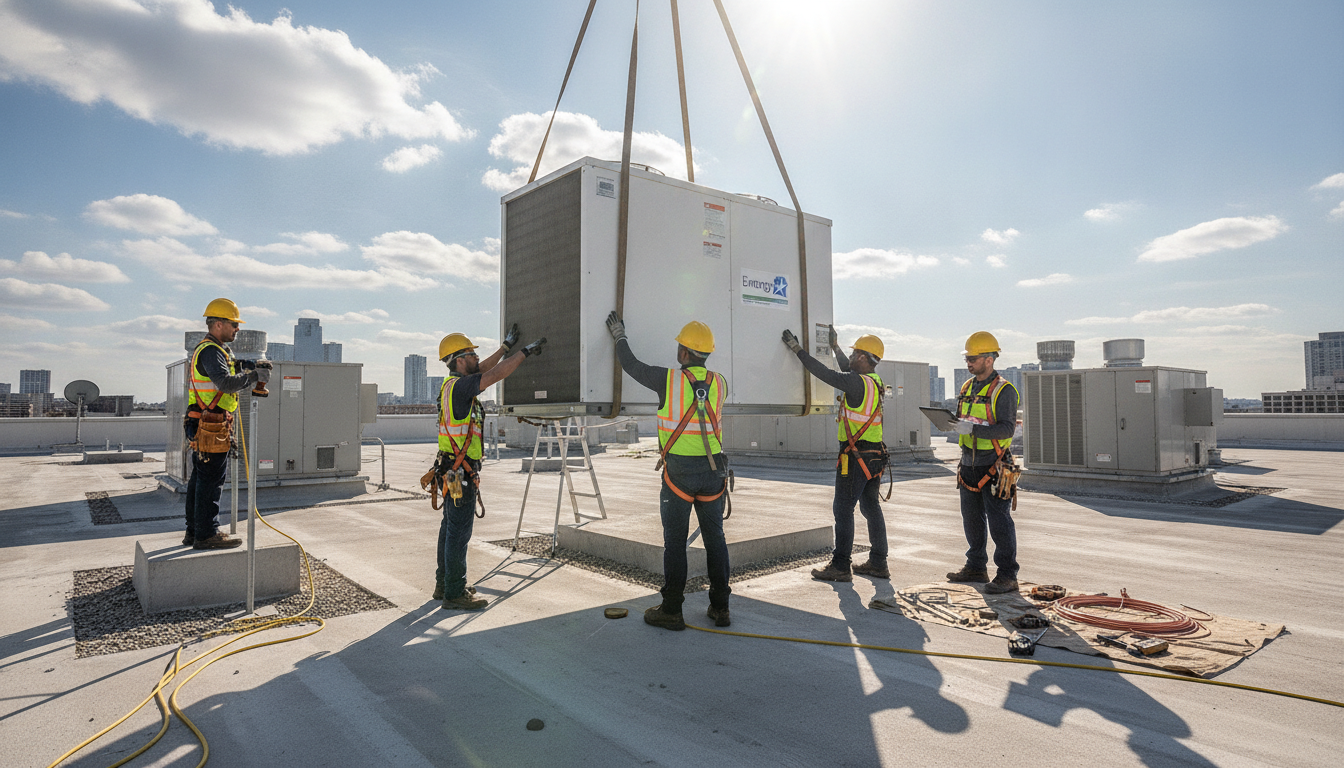
Step 4: Expert Installation and Project Management for Commercial HVAC Upgrade
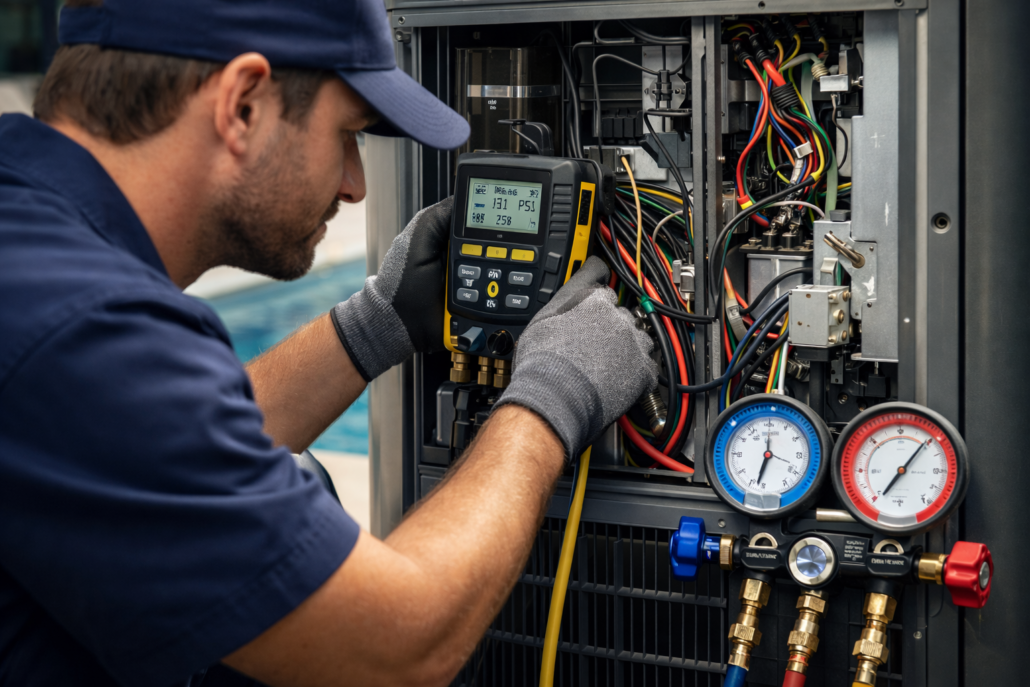
The installation phase is where the plan comes to life. This requires experienced technicians who adhere to strict industry standards and local codes. Proper sizing, installation, and calibration are paramount to the system’s performance and longevity.
What is the process for a commercial HVAC system replacement? It typically involves safely decommissioning and removing the old unit, preparing the site, installing new equipment, connecting electrical and refrigerant lines, and integrating new controls. How long does a commercial HVAC upgrade project usually take? This varies based on complexity, but a well-managed project can range from a few days for a simple replacement to several weeks for a large-scale overhaul.
What permits are required for a commercial HVAC upgrade? This varies by location, but typically includes mechanical, electrical, and sometimes building permits. Your contractor should handle this.
Step 5: Post-Installation Optimization and Testing for Commercial HVAC Upgrade
After installation, thorough testing and optimization are essential. This ensures the system operates at peak efficiency and meets all design specifications. Technicians will calibrate controls, balance airflow, and verify that all components are functioning correctly.
This step often includes commissioning, a quality assurance process that confirms the system performs as intended. It’s also an opportunity to train your facility staff on the new controls and operational procedures, empowering them to manage the system effectively. This optimization confirms your system is delivering its promised benefits.
Step 6: Ongoing Maintenance and Longevity of Your Commercial HVAC Upgrade
Your investment in a new HVAC system is protected by a robust maintenance plan. Regular preventative maintenance is critical for sustaining efficiency, preventing breakdowns, and extending the lifespan of your equipment. This includes routine inspections, cleaning, filter changes, and performance checks.
A well-maintained system will continue to deliver energy savings and consistent comfort for years to come. Neglecting maintenance can quickly erode the benefits of your upgrade, leading to premature wear and unexpected repair costs. Consider a service agreement with your chosen contractor for peace of mind.
Step 7: Avoiding Common Pitfalls in Your Commercial HVAC Upgrade
What common problems should be avoided during a commercial HVAC upgrade? One major pitfall is choosing the cheapest option without considering long-term operational costs and system suitability. Another is failing to properly size the new system, leading to inefficiency or insufficient conditioning.
Inadequate planning, poor installation, and neglecting post-installation commissioning are also common mistakes. Always prioritize quality, experience, and comprehensive service to ensure your project is a lasting success. For more insights on energy efficiency, refer to the U.S. Department of Energy’s resources on commercial buildings.
Ready for a Powerful Commercial HVAC Upgrade in Deerfield Beach?
Stream Cold Air Corp provides expert commercial HVAC upgrade solutions, ensuring your business runs efficiently with optimal comfort and significant energy savings.
Benefits of a Modern Commercial HVAC Upgrade
Investing in a Commercial HVAC Upgrade offers a multitude of advantages that extend far beyond simply having a new system. These benefits directly impact your bottom line, operational efficiency, and the overall well-being of your building occupants. The return on investment (ROI) is often substantial and multifaceted.
Why should businesses invest in energy-efficient commercial HVAC upgrades? The primary driver is significant energy savings. Modern systems are designed to consume considerably less power, translating into lower utility bills month after month. This reduction in operating costs directly boosts your profitability.
Enhanced Energy Efficiency and Cost Savings
Newer HVAC technologies, such as variable speed compressors, advanced refrigerants, and smart controls, drastically improve energy efficiency. This means your system uses only the energy required to meet the current demand, rather than operating at full capacity all the time. The result is a substantial decrease in energy consumption, often leading to a rapid return on your initial investment.
Improved Indoor Air Quality and Comfort
A modern commercial HVAC upgrade often includes advanced filtration systems that remove more airborne contaminants, allergens, and pollutants. This leads to healthier indoor air quality, which is vital for employee health and customer satisfaction. Consistent temperatures and humidity control also create a more comfortable and productive environment.
Increased Reliability and Reduced Downtime
New systems come with warranties and are built with the latest components, significantly reducing the likelihood of unexpected breakdowns. This increased reliability means less downtime for your business, fewer emergency repair calls, and a more predictable operational schedule. This peace of mind is invaluable.
Potential for Increased Property Value
A high-efficiency, modern HVAC system is a significant asset that can increase the overall value of your commercial property. It signals to potential buyers or tenants that the building is well-maintained, energy-conscious, and ready for future operations, making it a more attractive investment.
Choosing the Right Partner for Your Commercial HVAC Upgrade
The success of your Commercial HVAC Upgrade hinges on selecting a qualified and reputable contractor. This decision should not be taken lightly, as it impacts the quality of installation, ongoing support, and the long-term performance of your system.
Who are the best commercial HVAC upgrade contractors in my area? Look for companies with extensive experience in commercial projects, strong local references, proper licensing and insurance, and a proven track record of customer satisfaction. A good contractor will offer transparent pricing, detailed proposals, and comprehensive post-installation support.
Expertise and Experience
Choose a contractor with specialized knowledge in commercial HVAC systems. Commercial installations are far more complex than residential ones, requiring expertise in larger-scale equipment, intricate ductwork, and sophisticated control systems. Verify their certifications and ask for case studies of similar projects they have completed.
Comprehensive Service and Support
A reliable partner offers end-to-end service, from initial consultation and system design to installation, commissioning, and ongoing maintenance. They should be responsive, communicate clearly, and provide excellent customer support. For example, Stream Cold Air Corp offers comprehensive solutions for your commercial HVAC needs. You can learn more about their commercial HVAC services page.
Where can I get a quote for a commercial HVAC upgrade? Reputable contractors will provide detailed, no-obligation quotes after a thorough on-site assessment. Be wary of quotes provided over the phone without a proper inspection.
Understanding the Return on Investment (ROI) for a Commercial HVAC Upgrade
What is the return on investment (ROI) for a commercial HVAC upgrade? The ROI is typically realized through energy savings, reduced maintenance costs, and improved productivity. Payback periods can range from 2 to 7 years, depending on the system’s efficiency, the scale of the project, and local energy rates. A good contractor can help you calculate a projected ROI.
How to choose the right commercial HVAC system for my business? This involves a collaborative discussion with your chosen contractor, considering factors like building size, occupancy, climate, budget, and long-term goals. They will guide you through options like packaged units, split systems, VRF, or chillers, ensuring the best fit for your specific operational requirements.
Frequently Asked Questions About Commercial HVAC Upgrade
What are the signs a commercial HVAC system needs an upgrade?
Frequent breakdowns, escalating energy bills, inconsistent temperatures, strange noises or odors, an aging system (over 10-15 years), and poor indoor air quality are key indicators that a commercial HVAC upgrade is needed. Addressing these signs proactively can save businesses significant costs and discomfort.
How much does a commercial HVAC upgrade typically cost?
Commercial HVAC upgrade costs vary significantly based on system size, type, existing ductwork, and specific business needs. It can range from a few thousand dollars for smaller units to hundreds of thousands for large-scale industrial systems. A professional assessment and detailed quote are crucial for an accurate estimate.
What are the benefits of upgrading commercial HVAC systems?
Upgrading commercial HVAC systems leads to substantial energy savings, improved indoor comfort and air quality, reduced repair costs, enhanced system reliability, and often a boost in property value. It also contributes to a healthier and more productive environment for employees and customers.
Who are the best commercial HVAC upgrade contractors in my area?
For a successful commercial HVAC upgrade, look for contractors with strong local reputations, proper licensing and insurance, extensive experience with commercial systems, excellent customer reviews, and a commitment to energy-efficient solutions. Stream Cold Air Corp in Deerfield Beach is a trusted expert in this field.
What new technologies are available for commercial HVAC upgrades?
Modern commercial HVAC upgrade options include advanced VRF (Variable Refrigerant Flow) systems, geothermal HVAC, smart thermostats and building management systems (BMS) for precise control, high-efficiency chillers, and sophisticated filtration systems for superior indoor air quality.
Why should businesses invest in energy-efficient commercial HVAC upgrades?
Investing in energy-efficient commercial HVAC upgrades significantly reduces operational costs by lowering utility bills. It also decreases a business’s carbon footprint, often qualifies for potential tax incentives and rebates, and creates a consistently comfortable and appealing environment for employees and clients.
Are there government incentives or rebates for commercial HVAC upgrades?
Yes, businesses can often find federal, state, and local incentives, as well as utility company rebates, for installing high-efficiency commercial HVAC systems. These programs aim to encourage energy conservation and can significantly offset the initial cost of a commercial HVAC upgrade. Always check for current offerings.
What is the return on investment (ROI) for a commercial HVAC upgrade?
The return on investment (ROI) for a commercial HVAC upgrade typically comes from substantial energy cost reductions, decreased maintenance and repair expenses, and increased equipment lifespan. Payback periods can range from 2-7 years, depending on the system’s efficiency, the scale of the upgrade, and local energy rates.
How to choose the right commercial HVAC system for my business?
To choose the right commercial HVAC system, consider your building’s size and layout, occupancy patterns, local climate, budget constraints, energy efficiency goals, and long-term operational costs. Consulting with a qualified commercial HVAC upgrade specialist, like Stream Cold Air Corp, is essential to assess your specific needs and recommend the optimal solution.
Your Path to a Smarter, More Efficient Business
Embarking on a Commercial HVAC Upgrade is a strategic decision that can profoundly impact your business’s operational efficiency, financial health, and overall environment. By following the 7 blueprint steps outlined in this guide, you can navigate the complexities of system assessment, selection, installation, and maintenance with confidence. The benefits—from significant energy savings and improved indoor air quality to enhanced reliability and increased property value—make this investment a clear path to a more sustainable and productive future.
Partnering with experienced professionals ensures your upgrade is executed flawlessly, delivering lasting comfort and efficiency for years to come.