


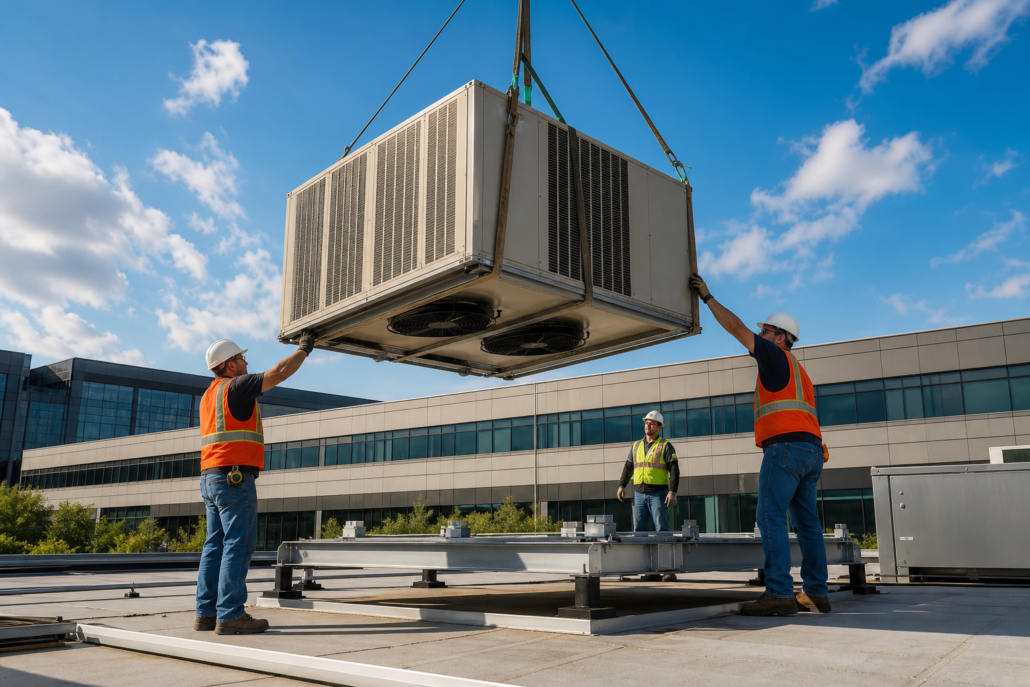
Maintaining an optimal indoor climate is paramount for any successful business. From employee productivity to customer comfort, a reliable air conditioning system is the backbone of a pleasant commercial environment. This is precisely where expert Commercial AC Installation becomes a critical investment, not just an expense. It ensures your operations run smoothly, your staff remains comfortable, and your clients experience a welcoming atmosphere year-round.
In this comprehensive guide, we will unveil seven ultimate strategies for achieving unparalleled business comfort through strategic AC implementation. We’ll delve into crucial planning, system selection, and the professional execution that guarantees efficiency and longevity. Consider this your definitive resource for mastering your commercial cooling needs and securing a comfortable, productive future for your enterprise.
Key Takeaways for Optimal Commercial AC Installation
- Understand the critical role of precise load calculation and system sizing in every Commercial AC Installation project to avoid inefficiency.
- Discover the diverse types of commercial AC systems available and how to select the best fit for your specific business needs and building structure.
- Learn why partnering with a certified, experienced HVAC contractor is non-negotiable for a successful, code-compliant Commercial AC Installation.
- Explore the long-term benefits of energy-efficient systems and smart controls in reducing operational costs and enhancing comfort after your Commercial AC Installation.
Strategy 1: Precise Load Calculation for Effective Commercial AC Installation
The foundation of any successful Commercial AC Installation lies in an accurate load calculation. This isn’t a step to be overlooked; it’s the scientific process of determining the exact cooling capacity your business space requires. An undersized system will struggle to cool, leading to discomfort and excessive energy use, while an oversized one will cycle frequently, causing humidity issues and premature wear.
Factors influencing this calculation are numerous and complex. They include the building’s square footage, ceiling height, insulation quality, number of windows, and their orientation. The number of occupants, heat-generating equipment (computers, machinery), and even the type of lighting all contribute to the thermal load. A professional HVAC engineer uses specialized software and industry standards, like those from ASHRAE (American Society of Heating, Refrigerating and Air-Conditioning Engineers), to ensure precision.
Without a meticulous load calculation, your Commercial AC Installation is essentially a gamble. This initial investment in expert assessment prevents costly mistakes down the line, guaranteeing that your new system is perfectly matched to your environment’s unique demands. It’s the first, most critical step towards achieving optimal comfort and efficiency.
Why Proper Sizing is Crucial for Commercial AC Installation
Proper sizing directly impacts both the performance and longevity of your commercial AC system. An incorrectly sized unit will not only fail to maintain desired temperatures but will also consume more energy than necessary. This translates to higher utility bills and a shorter lifespan for your equipment, negating any perceived upfront savings.
Beyond energy waste, an oversized system can lead to short-cycling, where the unit turns on and off too frequently. This prevents it from adequately dehumidifying the air, resulting in a clammy, uncomfortable indoor environment. For a truly effective Commercial AC Installation, the system must be able to run long enough to remove moisture without overcooling the space.
Key Factors in Commercial AC Installation Load Calculation
When calculating the load for Commercial AC Installation, professionals consider a range of environmental and operational factors. These include the local climate, sun exposure, and the building’s construction materials. Internal heat gains from people, lights, and equipment are also carefully quantified.
Ventilation requirements, which vary by industry and building type, also play a significant role. Ensuring adequate fresh air while maintaining thermal comfort is a delicate balance. A thorough assessment of these elements is what distinguishes a professional installation from a haphazard one, ensuring your business receives a system tailored to its exact needs.

Strategy 2: Selecting the Right Commercial AC System for Your Business
Choosing the appropriate commercial AC system is a pivotal decision that impacts long-term operational costs, comfort, and air quality. The market offers a variety of systems, each with unique advantages suited to different business types and building architectures. Understanding these options is key to making an informed decision for your Commercial AC Installation.
For instance, a small retail store might benefit from a different system than a large industrial warehouse or a multi-story office building. The right choice balances initial investment with ongoing energy efficiency, maintenance needs, and the specific climate control requirements of your space. This strategic selection is a core component of a successful Commercial AC Installation.
Types of Commercial AC Systems for Installation
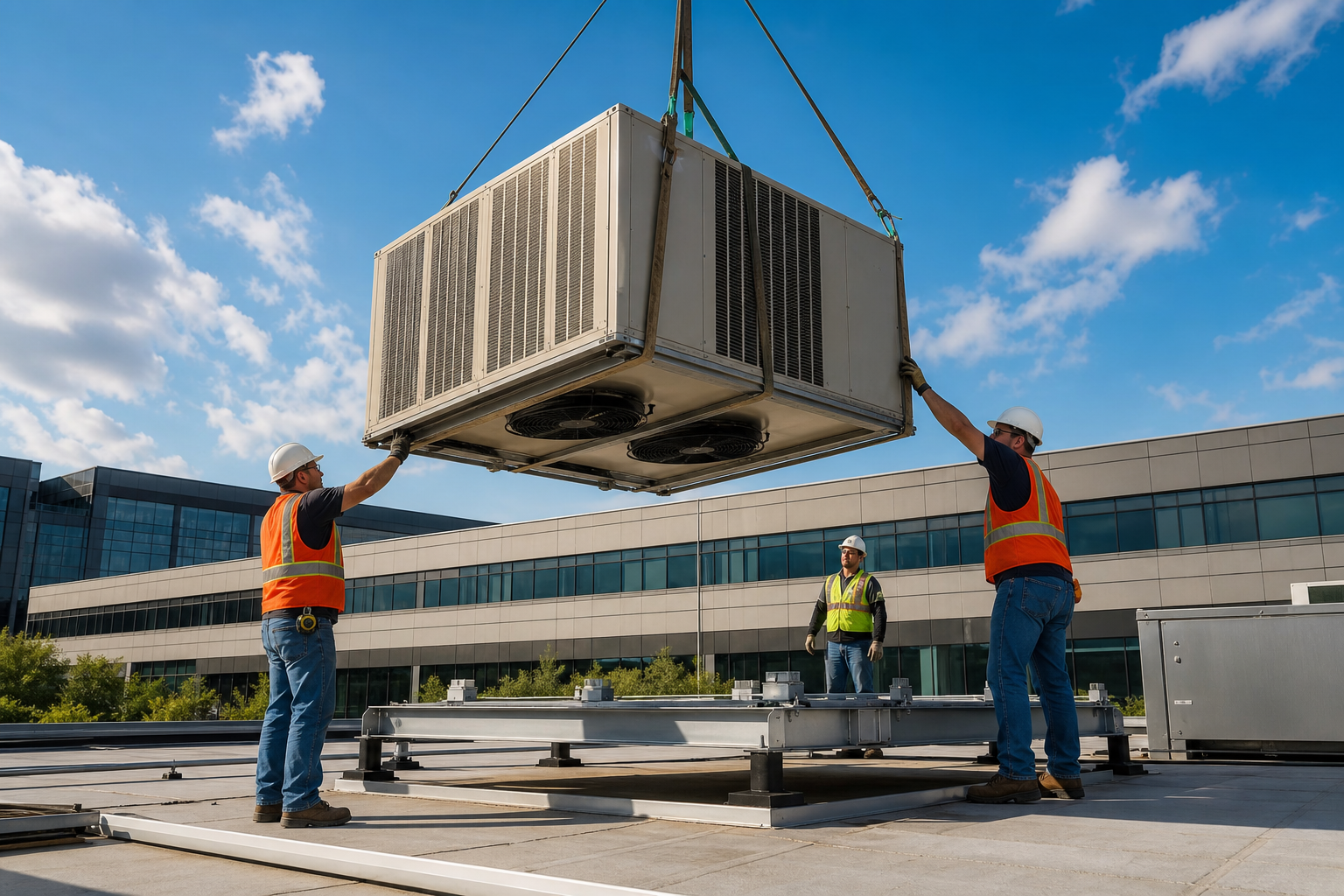
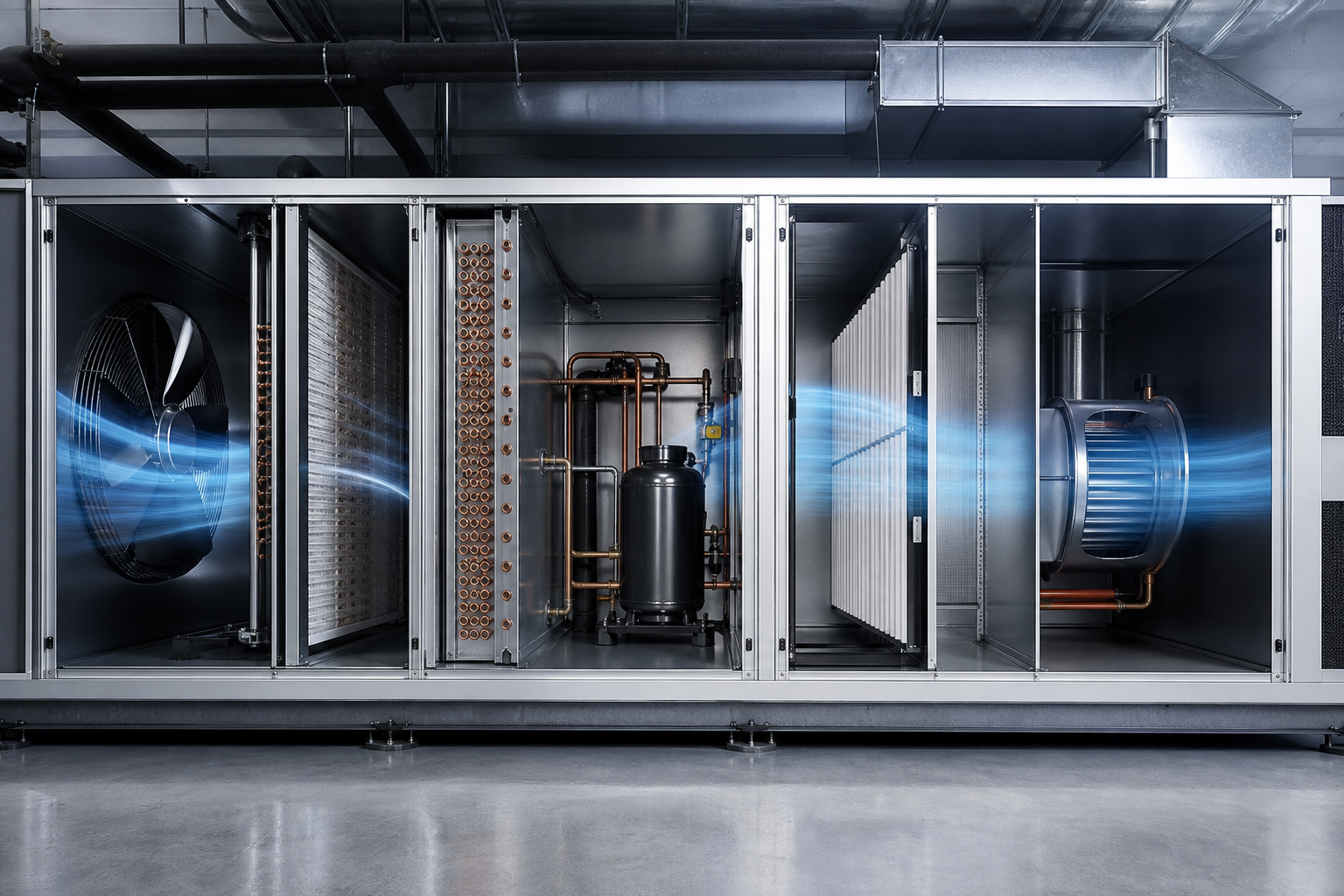
Several types of commercial AC systems are available for installation, each designed for specific applications. Rooftop packaged units are a popular choice for many commercial buildings, including retail stores and warehouses, due to their all-in-one design and ease of maintenance. They consolidate all components into a single outdoor unit, simplifying Commercial AC Installation.
Split systems, similar to residential units but larger, are suitable for smaller offices or businesses with limited roof access. Variable Refrigerant Flow (VRF) systems offer zoned control, making them ideal for multi-tenant buildings or spaces with varying cooling demands. Chillers, on the other hand, are typically reserved for very large commercial or industrial facilities requiring immense cooling capacity.
Matching Systems to Business Needs for Commercial AC Installation
Matching the right AC system to your business needs is crucial for effective Commercial AC Installation. Consider the size of your facility, the number of zones requiring independent temperature control, and your budget for both initial setup and ongoing energy consumption. For example, a restaurant might prioritize powerful ventilation and consistent cooling, while a data center requires precise temperature and humidity control.
An experienced HVAC contractor will assess your building’s layout, existing infrastructure, and operational requirements to recommend the most suitable system. This tailored approach ensures that your Commercial AC Installation delivers maximum comfort and efficiency, aligning with your business goals and providing a reliable climate control solution.
Strategy 3: Partnering with Expert Commercial AC Installation Contractors
The success of your Commercial AC Installation hinges significantly on the expertise of your chosen contractor. This is not a DIY project; it requires specialized knowledge, proper licensing, and adherence to complex building codes and safety standards. Partnering with a reputable and experienced HVAC company is paramount to ensure a seamless, efficient, and compliant installation.
An expert contractor brings invaluable experience, not just in installing units, but in understanding the nuances of commercial systems. They can anticipate challenges, provide informed recommendations, and execute the project with precision. This professional oversight is crucial for protecting your investment and ensuring the long-term performance of your new commercial AC system.
Key Considerations When Choosing a Commercial AC Installer
When selecting a contractor for your Commercial AC Installation, several factors warrant careful consideration. Look for companies with extensive experience in commercial projects, not just residential ones. Verify their licensing, insurance, and certifications, ensuring they meet all state and local requirements. Check their reputation through client testimonials and industry reviews.
Ask about their project management process, their approach to minimizing business disruption, and their post-installation support, including warranty and maintenance plans. A transparent contractor will provide detailed quotes, explain all aspects of the job, and offer clear communication throughout the project. This due diligence helps you find top-rated commercial AC installers in your area.
What is Included in a Standard Commercial AC Installation Service?
A standard Commercial AC Installation service typically encompasses a comprehensive range of tasks. This includes the initial site assessment and load calculation, system design, and selection of appropriate equipment. The contractor will handle the removal of old units, if applicable, and the precise placement and mounting of new indoor and outdoor components.
Installation of all necessary ductwork, refrigerant lines, electrical wiring, and drainage systems is also part of the service. Post-installation, the service includes thorough testing and commissioning of the system to ensure optimal performance and efficiency. Finally, the contractor should provide a detailed walkthrough of the system’s operation and maintenance guidelines, ensuring you understand your new Commercial AC Installation.
Elevate Business Comfort with Expert Commercial AC Installation
Stream Cold Air Corp delivers top-tier commercial AC installation services, ensuring your business enjoys reliable, efficient cooling year-round. Our authoritative approach guarantees seamless project execution and lasting comfort.
Strategy 4: Navigating Permits and Regulations in Commercial AC Installation
Any significant Commercial AC Installation project requires careful navigation of local permits and regulations. This is a critical step that ensures your installation is not only safe and functional but also fully compliant with municipal building codes, electrical standards, and environmental laws. Ignoring this aspect can lead to costly delays, fines, or even the forced removal of your new system.
Understanding the specific requirements in your area is essential. A reputable commercial HVAC contractor will be well-versed in these regulations and will handle the entire permitting process on your behalf. This expertise saves you time, reduces stress, and guarantees that your Commercial AC Installation meets all legal stipulations from the outset.
Do I Need a Special Permit for Commercial AC Unit Installation?
Yes, almost all Commercial AC Installation projects require special permits. These permits are issued by your local municipality or county and are designed to ensure that the work adheres to strict safety and construction standards. The types of permits needed can vary depending on the scope of the project, the size of the unit, and local ordinances.
Permits typically cover aspects such as electrical work, mechanical installation, and sometimes even structural modifications if a rooftop unit is being installed. A licensed contractor will know exactly which permits are necessary and how to obtain them efficiently, preventing any legal complications for your Commercial AC Installation.
Common Challenges During Commercial AC Installation and Compliance
Navigating the regulatory landscape can present several challenges during Commercial AC Installation. These might include unexpected zoning restrictions, stringent energy efficiency codes, or specific requirements for refrigerant handling. Older buildings may also present unique challenges related to existing infrastructure or historical preservation guidelines.
Working with an experienced contractor is crucial for overcoming these hurdles. They can anticipate potential issues, prepare necessary documentation, and communicate effectively with local authorities. Their proactive approach ensures that your Commercial AC Installation remains on schedule and within budget, avoiding costly compliance-related delays.
Strategy 5: Prioritizing Energy Efficiency in Commercial AC Installation
In today’s business environment, energy efficiency is more than just a buzzword; it’s a strategic imperative. Prioritizing energy-efficient solutions during your Commercial AC Installation can lead to substantial long-term savings on operational costs and a reduced environmental footprint. Modern AC systems offer advanced technologies designed to maximize cooling while minimizing power consumption.
Investing in a high-efficiency system might have a slightly higher upfront cost, but the return on investment through lower utility bills is often significant. This strategy not only benefits your bottom line but also enhances your company’s reputation as a responsible and sustainable enterprise. An energy-conscious Commercial AC Installation is a smart business decision.
How Do I Ensure My Commercial AC Installation is Energy Efficient?
Ensuring energy efficiency in your Commercial AC Installation involves several key steps. First, select a system with a high SEER (Seasonal Energy Efficiency Ratio) or EER (Energy Efficiency Ratio) rating. These ratings indicate how efficiently an AC unit converts electricity into cooling power. The higher the rating, the more efficient the system.
Secondly, proper sizing, as discussed earlier, is critical. An oversized or undersized unit will operate inefficiently. Thirdly, consider integrating smart thermostats and building management systems (BMS) that allow for precise scheduling and zone control. Regular maintenance after Commercial AC Installation also plays a vital role in sustaining peak efficiency. You can learn more about optimizing your HVAC system by visiting Stream Cold Air Corp.
Benefits of Energy-Efficient Commercial AC Installation
The benefits of an energy-efficient Commercial AC Installation extend far beyond just lower electricity bills. Businesses often qualify for tax credits, rebates, and incentives for installing high-efficiency HVAC systems, further reducing the overall cost. Improved energy efficiency also contributes to a more stable and comfortable indoor environment, leading to increased employee productivity and customer satisfaction.
Furthermore, reducing energy consumption aligns with corporate social responsibility goals and can enhance your brand image. It also lessens the strain on electrical grids, contributing to broader environmental sustainability efforts. An energy-efficient Commercial AC Installation is a win-win for both your business and the planet.
Strategy 6: Understanding the Cost and Financing of Commercial AC Installation
Understanding the financial aspects of Commercial AC Installation is crucial for effective budgeting and planning. The total price can vary widely, influenced by numerous factors unique to each business and building. Gaining clarity on these costs and exploring available financing options will help you make a sound investment decision.
It’s important to remember that the cheapest option upfront may not be the most cost-effective in the long run, especially when considering energy efficiency and system longevity. A detailed breakdown of expenses and potential financing solutions will empower you to proceed with confidence in your Commercial AC Installation project.
What is the Average Cost for Commercial AC Installation?
The average cost for Commercial AC Installation varies significantly. For smaller commercial spaces, such as a modest office or retail unit, costs might range from $5,000 to $15,000. However, for larger commercial buildings, industrial facilities, or complex systems like VRF or chillers, the investment can easily climb to $50,000, $100,000, or even several hundred thousand dollars.
These figures are highly dependent on the system’s capacity, type, brand, the complexity of the installation, and regional labor rates. Obtaining multiple quotes from reputable contractors is the best way to get an accurate estimate tailored to your specific project needs for Commercial AC Installation.
What Factors Influence the Total Price of Commercial AC Installation?
Several key factors influence the total price of Commercial AC Installation. The system’s cooling capacity (measured in tons) is a primary driver, with larger capacities costing more. The type of system chosen (e.g., packaged rooftop unit, split system, VRF, chiller) also significantly impacts the price, as does its energy efficiency rating (SEER/EER).
Other factors include the condition of existing ductwork and electrical infrastructure, the accessibility of the installation site, and any custom fabrication required. Labor costs, permits, and the inclusion of smart controls or advanced filtration systems will also affect the final investment in your Commercial AC Installation. Exploring financing options for commercial AC installation can help manage these costs.
Are There Financing Options Available for Commercial AC Installation?
Yes, many businesses explore financing options for Commercial AC Installation to manage the significant upfront investment. These options can include traditional bank loans, equipment leasing, or specialized HVAC financing programs offered by manufacturers or contractors. Some utility companies also offer incentives or low-interest loans for energy-efficient upgrades.
Leasing can be an attractive option as it allows businesses to acquire a new system without a large capital outlay, often with tax benefits. Discussing financing possibilities with your chosen HVAC contractor or a financial advisor can help you find the most suitable solution for your budget and business goals, making your Commercial AC Installation more accessible.
Strategy 7: Ensuring Seamless Operations During Commercial AC Installation
Minimizing disruption to your business operations during a Commercial AC Installation is a top priority for any responsible contractor. Downtime can lead to lost revenue, decreased productivity, and customer dissatisfaction. Strategic planning and clear communication are essential to ensure the installation process is as smooth and unobtrusive as possible.
An experienced HVAC provider will work closely with you to develop a project timeline that accommodates your business hours and operational needs. This proactive approach helps to maintain continuity, allowing your business to continue functioning effectively while the essential work of Commercial AC Installation is completed.
How Long Does a Commercial AC Installation Project Typically Take?
The duration of a Commercial AC Installation project varies widely based on its scope and complexity. A straightforward replacement of a similar-sized rooftop unit might be completed within 1-3 days. However, a new installation in a large commercial building, especially one requiring extensive new ductwork, electrical upgrades, or complex system integration, could take several weeks.
Factors like the building’s size, the type of system, site accessibility, and the need for custom components all influence the timeline. Your contractor should provide a detailed project schedule, including milestones and estimated completion dates, allowing you to plan accordingly for your Commercial AC Installation.
Can Commercial AC Installation Be Performed Without Disrupting Business Operations?
Yes, professional Commercial AC Installation can often be performed with minimal disruption to business operations. Reputable contractors understand the importance of continuity and will work with you to schedule work during off-hours, such as evenings, weekends, or holidays. Phased installations, where different sections of the building are addressed sequentially, can also help maintain functionality.
Clear communication between your business and the installation team is vital. Discussing your operational constraints upfront allows the contractor to develop a strategy that minimizes impact on your employees and customers. This collaborative approach ensures that your Commercial AC Installation is completed efficiently while your business continues to thrive.
What Kind of Warranty Should I Expect with a New Commercial AC System Installation?
When investing in a new Commercial AC Installation, understanding the warranty coverage is crucial. You should expect two primary types of warranties: a manufacturer’s warranty on parts and a labor warranty from the installer. Manufacturer warranties typically cover major components for 5-10 years, sometimes longer with product registration.
The labor warranty, provided by your HVAC contractor, usually covers the workmanship for 1-2 years. It’s important to clarify the specifics of both warranties, including what they cover, their duration, and any conditions that might void them. A robust warranty provides peace of mind and protects your investment in your Commercial AC Installation.
Conclusion: Mastering Commercial AC Installation for Lasting Comfort
Mastering Commercial AC Installation is a strategic endeavor that directly impacts your business’s productivity, comfort, and bottom line. By adhering to these seven ultimate strategies—from precise load calculations and system selection to partnering with expert contractors and prioritizing energy efficiency—you lay the groundwork for a reliable and high-performing climate control system. Understanding the financial aspects and ensuring minimal operational disruption further solidifies your investment.
Choosing the right partner for your Commercial AC Installation is the most critical decision. A professional HVAC company like Rankin8 HVAC Solutions brings the expertise, experience, and dedication needed to execute your project flawlessly. We are committed to delivering tailored solutions that ensure lasting comfort and efficiency for your commercial space. Don’t compromise on the comfort of your business. Contact Rankin8 HVAC Solutions today to discuss your commercial AC needs and secure a comfortable future.
What is the average cost for commercial AC installation?
The average cost for commercial AC installation varies significantly based on factors like system size, type (e.g., rooftop unit, VRF, split system), building complexity, and labor rates in your region. Small office AC installations might range from $5,000 to $15,000, while larger commercial or industrial systems can easily exceed $50,000 to $100,000+. A professional assessment is essential for an accurate quote.
How long does a commercial AC installation project typically take?
The duration of a commercial AC installation project depends on its scale and complexity. A straightforward replacement of a similar system might take 1-3 days. New installations in larger or more complex commercial buildings, involving ductwork fabrication or extensive system integration, could take anywhere from one to several weeks. Planning and coordination are key to minimizing disruption.
What factors influence the total price of commercial AC installation?
Key factors influencing commercial AC installation costs include the system’s cooling capacity (tonnage), energy efficiency rating (SEER/EER), brand reputation, type of system (packaged unit, split system, VRF, chiller), existing infrastructure (ductwork condition, electrical capacity), accessibility of the installation site, labor costs, and any required permits or custom fabrications.
Do I need a special permit for commercial AC unit installation?
Yes, commercial AC unit installation almost always requires specific permits from your local municipality or county. These permits ensure that the installation complies with building codes, electrical codes, and environmental regulations. Working with a licensed contractor like Stream Cold Air Corp ensures all necessary permits are secured before work begins.
What types of commercial AC systems are suitable for different businesses?
Different businesses benefit from various AC systems. Rooftop packaged units are common for retail and warehouses. Split systems are ideal for smaller offices or those with limited roof access. VRF (Variable Refrigerant Flow) systems offer zoned control for multi-tenant buildings or varying load requirements. Chillers are used in very large commercial or industrial facilities for maximum cooling capacity.
Why is professional commercial AC installation crucial for businesses?
Professional commercial AC installation is crucial because it ensures the system is correctly sized, efficiently installed, and compliant with all safety standards. Incorrect installation leads to higher energy bills, frequent breakdowns, poor air quality, and premature system failure. Experts guarantee optimal performance, comfort, and longevity, protecting your investment and business operations.
How do I ensure my commercial AC installation is energy efficient?
To ensure energy efficiency, choose an AC system with a high SEER or EER rating, ensure proper sizing for your space, and have it installed by certified professionals. Regular maintenance, proper insulation, and smart thermostat integration also play a vital role. Stream Cold Air Corp can advise on the most energy-efficient solutions tailored to your business needs.
Can commercial AC installation be performed without disrupting business operations?
Minimizing disruption during commercial AC installation is a priority for reputable contractors. This often involves strategic scheduling of work during off-hours, weekends, or in phases. Careful planning and communication with your chosen installer can help develop a strategy that keeps your business running smoothly while the installation is completed.
What kind of warranty should I expect with a new commercial AC system installation?
A new commercial AC system typically comes with two types of warranties: a manufacturer’s warranty on parts (usually 5-10 years, sometimes longer with registration) and a labor warranty from the installer (often 1-2 years). Always clarify warranty details with both the manufacturer and your chosen installation contractor before proceeding with the project.