


The consistent hum of your HVAC system is a comforting sound, a silent guardian of your home’s climate. Yet, when that hum turns into a groan, a screech, or simply vanishes, it signals a deeper issue. For homeowners, understanding the critical signs that demand a Blower Motor Replacement can prevent minor inconveniences from escalating into costly system failures. This essential component is the heart of your HVAC, responsible for circulating conditioned air throughout your entire living space.
In this authoritative guide, we will meticulously outline the five most critical indicators that your HVAC system requires immediate attention. We’ll delve into the nuances of airflow issues, strange noises, and unexpected operational quirks, providing you with the knowledge to identify problems early. Discover why a timely Blower Motor Replacement is not just about restoring comfort but also about safeguarding your system’s efficiency and longevity. Consider this your ultimate resource for maintaining a powerful, healthy home environment.
Key Takeaways
- Identify the 5 critical signs that signal an urgent need for Blower Motor Replacement in your HVAC system.
- Understand the financial implications and typical costs associated with a professional Blower Motor Replacement.
- Learn why attempting a DIY Blower Motor Replacement can be risky and is best left to certified HVAC professionals.
- Discover how timely intervention can prevent further damage, improve energy efficiency, and extend the overall lifespan of your HVAC unit.
Understanding the Role of Your HVAC Blower Motor
The blower motor is an indispensable component within your heating, ventilation, and air conditioning (HVAC) system. It acts as the primary force, pushing conditioned air—whether heated or cooled—through your home’s ductwork and out of the vents. Without a properly functioning blower motor, your HVAC system cannot effectively regulate indoor temperatures or maintain air quality. A failing motor means compromised comfort and efficiency.
Located typically within the indoor air handler or furnace unit, the blower motor is responsible for consistent air circulation. Its continuous operation is vital for maintaining a comfortable indoor environment year-round. Recognizing the early signs of wear or malfunction is crucial to avoid a complete system breakdown and the need for an emergency Blower Motor Replacement.
Where is the Blower Motor Located in Most HVAC Systems?
In residential HVAC setups, the blower motor is usually found inside the indoor unit, which is either your furnace or air handler. It’s often situated in the lower section, behind an access panel. This strategic placement allows it to draw air from the return ducts, push it across the heating or cooling coils, and then distribute it throughout your home. Understanding its location helps in diagnosing potential issues.
What is the Average Lifespan of an HVAC Blower Motor?
An HVAC blower motor typically has a lifespan of 10 to 20 years, depending on factors like usage, maintenance, and environmental conditions. Regular professional maintenance can significantly extend its operational life. However, neglecting maintenance or operating the system under strain can lead to premature failure, necessitating an earlier Blower Motor Replacement.
Sign 1: Weak or No Airflow – A Clear Call for Blower Motor Replacement
One of the most immediate and noticeable indicators of a problem with your HVAC system is a significant reduction in airflow from your vents. If you feel only a faint breeze or no air at all, even when your thermostat is set to “on,” your blower motor might be struggling. This symptom directly impacts your home’s comfort and the system’s ability to maintain desired temperatures.
Weak airflow can mean your home isn’t heating or cooling efficiently, leading to uncomfortable hot or cold spots. It also forces your HVAC system to work harder, consuming more energy and potentially causing other components to wear out faster. Ignoring this sign can lead to a complete breakdown, making a Blower Motor Replacement an urgent necessity.
What are the Common Symptoms of a Bad HVAC Blower Motor?
Beyond weak airflow, other common symptoms include the fan running continuously without stopping, or conversely, not turning on at all. You might also notice that the system struggles to reach the set temperature, or that certain rooms are significantly warmer or cooler than others. These are all red flags pointing towards a potential Blower Motor Replacement.
Sign 2: Unusual Noises – The Sound of a Failing Blower Motor Replacement
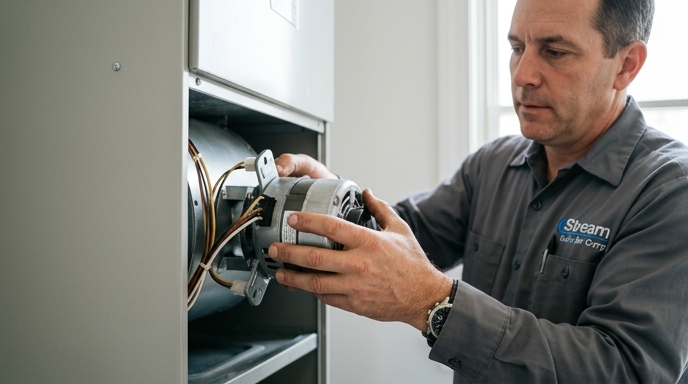
Your HVAC system should operate with a relatively quiet hum. Any new, strange, or loud noises emanating from your indoor unit are strong indicators that something is amiss with the blower motor. These sounds can range from squealing and grinding to rattling or buzzing, each suggesting a specific type of problem that requires attention.
Squealing noises often point to worn-out bearings in the motor, while grinding sounds can indicate a more severe mechanical failure. Rattling might mean loose components or debris inside the blower housing. Ignoring these auditory warnings can lead to further damage, making a prompt Blower Motor Replacement crucial to prevent a total system failure.
How Do I Troubleshoot a Faulty HVAC Blower Motor?
Before considering a full Blower Motor Replacement, you can perform some basic troubleshooting. Check your thermostat settings to ensure the fan is set to “auto” or “on” correctly. Inspect the circuit breaker for your HVAC unit to see if it has tripped. Ensure all access panels on your furnace or air handler are securely closed, as safety switches can prevent operation.
If these simple checks don’t resolve the issue, professional diagnostic tools are needed to accurately pinpoint the problem. A qualified technician can safely assess the electrical components and motor functionality.
Sign 3: Intermittent Operation or Failure to Start – Blower Motor Replacement
An HVAC system that cycles on and off erratically, or fails to start altogether, can be incredibly frustrating and points to a serious underlying issue. If your blower motor only works sometimes, or if it doesn’t respond when the thermostat calls for heating or cooling, it’s a clear sign of electrical or mechanical failure. This inconsistent behavior can severely impact your home’s comfort and energy efficiency.
This problem often stems from a failing motor, a faulty capacitor, or issues with the control board. Such intermittent operation puts undue stress on other HVAC components, potentially leading to a cascade of failures. A professional diagnosis is essential to determine if a complete Blower Motor Replacement is necessary to restore reliable operation.
Why is My HVAC Blower Motor Not Working on All Speeds?
If your HVAC blower motor only works on certain speeds or struggles to switch between them, the most likely culprit is a faulty blower motor resistor or a variable speed control module. These components regulate the voltage supplied to the motor, controlling its speed. When they fail, the motor may only run on high, or not at all on lower settings, indicating a need for repair or potentially a full Blower Motor Replacement.
If you’re experiencing any of these critical signs, don’t delay. Prompt action can save you from more extensive repairs and discomfort. For expert HVAC service and a reliable Blower Motor Replacement, contact the trusted professionals at Stream Cold Air Corp today. Ensure your home stays comfortable and efficient.
Sign 4: Burning Smells and Overheating – Indicating Blower Motor Replacement
Any burning smell emanating from your HVAC vents is an immediate cause for concern and should never be ignored. This odor can indicate an electrical problem within the blower motor itself, such as overheating windings, or a buildup of dust and debris burning off the motor. A strong, acrid smell often signals that the motor is on the verge of failure or has already sustained significant damage.
Overheating can lead to the motor seizing up completely, posing a fire hazard in severe cases. If you detect a burning smell, immediately turn off your HVAC system at the thermostat and the circuit breaker. This is a critical sign that demands prompt professional inspection and likely a Blower Motor Replacement to ensure safety and prevent further damage.
What Causes an HVAC Blower Motor to Fail Prematurely?
Several factors can lead to premature Blower Motor Replacement. Lack of regular maintenance, allowing dirt and debris to accumulate, is a major cause. Restricted airflow due to a clogged air filter can force the motor to work harder and overheat. Electrical issues like power surges or a faulty motor capacitor can also shorten its lifespan.
Continuous operation in harsh conditions is another factor contributing to early wear. Addressing these underlying causes through regular inspections and timely repairs can significantly help prevent future failures and extend the motor’s life.
Sign 5: Inconsistent Temperatures and High Energy Bills – For Blower Motor Replacement
Even if your HVAC system seems to be running, inconsistent temperatures throughout your home or a sudden spike in your energy bills can point to an inefficient or failing blower motor. If the motor isn’t circulating air effectively, your system has to run longer and harder to try and reach the thermostat’s set temperature, wasting energy and failing to provide consistent comfort.
This inefficiency translates directly into higher utility costs. A struggling blower motor can’t distribute conditioned air evenly, leading to cold spots in winter and hot spots in summer. Addressing this issue with a proper Blower Motor Replacement can restore efficiency, lower your energy bills, and ensure uniform comfort throughout your home.
When Should I Consider Replacing My HVAC Blower Motor?
You should consider a Blower Motor Replacement when your motor consistently exhibits symptoms of failure, such as making loud, unusual noises, failing to start, or providing significantly reduced airflow. Early replacement is always better than waiting for a complete breakdown, as it can prevent further damage to your HVAC system and restore optimal performance and energy efficiency.
The Cost of Blower Motor Replacement: What to Expect
Understanding the financial aspect of an HVAC repair is crucial for homeowners. A Blower Motor Replacement is a significant investment, but it’s often more cost-effective than replacing an entire HVAC unit. The total cost can vary widely based on several factors, including the type of motor, the complexity of your HVAC system, and labor rates in your specific area.
How Much Does It Cost to Replace an HVAC Blower Motor?
The cost to replace an HVAC blower motor typically ranges from $400 to $1000 or more. This price includes both the new motor and professional labor. High-efficiency variable-speed motors will generally be more expensive than standard single-speed models. It’s always recommended to get a detailed quote from a certified HVAC technician to understand the exact costs involved for your specific system.
Are HVAC Blower Motor Replacements Covered by Warranty?
Whether a Blower Motor Replacement is covered by warranty depends on your specific HVAC system’s manufacturer warranty and any extended home warranty you might have. If your unit is relatively new, the motor itself might be covered. However, labor costs are often not fully covered, even if the part is. Always check your warranty documentation or contact your HVAC provider for clarity on coverage.
Professional Blower Motor Replacement vs. DIY Risks
While the idea of saving money by performing a DIY Blower Motor Replacement might be tempting, it’s a complex task that carries significant risks. HVAC systems involve intricate electrical components and precise mechanical alignments. Attempting this repair without the necessary expertise and tools can lead to further damage, safety hazards, and ultimately, higher repair costs.
Can I Replace an HVAC Blower Motor Myself?
For most homeowners, replacing an HVAC blower motor is not a recommended DIY project. It involves working with high voltage electricity, disassembling complex machinery, and ensuring correct wiring and fan blade balance. Improper installation can lead to electrical shorts, motor burnout, reduced efficiency, or even fire. It’s a job best entrusted to certified HVAC professionals.
What Tools Are Needed to Replace an HVAC Blower Motor?
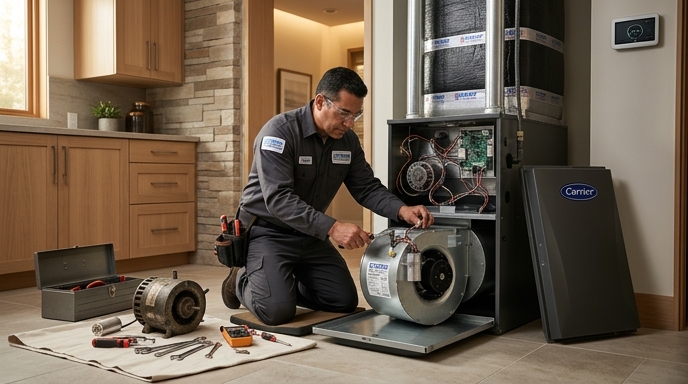
A professional Blower Motor Replacement requires a range of specialized tools. These typically include a voltmeter for electrical diagnostics, various screwdrivers, socket wrenches, pliers, wire cutters/strippers, and sometimes a fan blade puller. Safety gear like insulated gloves and safety glasses are also essential. This extensive tool list underscores the complexity of the task.
Where Can I Buy a Replacement HVAC Blower Motor?
Replacement HVAC blower motors can be purchased from HVAC supply wholesalers, specialized online retailers, or directly through your HVAC service provider. Professionals often have access to a wider range of compatible, high-quality parts and can ensure you get the correct motor for your specific system, which is crucial for proper function and longevity after a Blower Motor Replacement.
Extending the Life of Your HVAC Blower Motor
Proactive maintenance is the best way to extend the life of your HVAC blower motor and avoid premature Blower Motor Replacement. Regular servicing not only keeps your system running efficiently but also helps identify potential issues before they become major problems. A well-maintained system is a reliable system.
What’s the Difference Between an HVAC Blower Motor and Related Control Components?
The HVAC blower motor is the component that physically moves air. Related control components, such as the motor capacitor, blower motor resistor, or control board, manage the motor’s operation. The capacitor provides the initial electrical boost to start the motor, while the resistor or control board regulates its speed. A fault in any of these can mimic blower motor issues, highlighting the need for accurate diagnosis before a Blower Motor Replacement.
Regular professional HVAC tune-ups are vital. During these appointments, technicians clean the blower assembly, lubricate moving parts, and inspect electrical connections. This prevents dust buildup, reduces friction, and ensures all components are working optimally. A clean, well-lubricated motor runs cooler and lasts longer, delaying the need for a Blower Motor Replacement.
Another simple yet effective step is regularly changing your air filters. A clogged filter restricts airflow, forcing the blower motor to work harder, which can lead to overheating and premature wear. Following manufacturer recommendations for filter replacement is crucial for the health of your entire HVAC system, including the blower motor. For more tips on maintaining your HVAC system, visit Energy.gov’s HVAC Maintenance Guide.
Your Expert Partner for Blower Motor Replacement
When faced with the signs of a failing HVAC blower motor, choosing the right professional is paramount. An experienced and certified HVAC technician can accurately diagnose the issue, recommend the most appropriate solution, and perform a precise Blower Motor Replacement. This ensures your system operates safely, efficiently, and reliably for years to come.
Who Specializes in HVAC Blower Motor Replacement Near Me?
For reliable and expert Blower Motor Replacement services, look for local HVAC companies with a strong reputation for customer satisfaction and certified technicians. In Deerfield Beach, FL, Stream Cold Air Corp is a trusted provider specializing in comprehensive HVAC repairs and installations. Their team ensures your system receives the highest quality service. You can learn more about their services at Stream Cold Air Corp HVAC Repair Services.
Don’t let a failing blower motor compromise your home comfort or lead to more extensive, expensive repairs. Timely action and professional expertise are key to maintaining a healthy HVAC system. Invest in the longevity and efficiency of your home’s climate control by addressing blower motor issues promptly and correctly.
Conclusion: Act Now for a Healthy HVAC System
Recognizing the 5 essential signs of a failing blower motor is the first step towards ensuring your HVAC system remains efficient and reliable. From weak airflow and unusual noises to intermittent operation, burning smells, and escalating energy bills, these indicators demand your immediate attention. A timely Blower Motor Replacement is not merely a repair; it’s an investment in your home’s comfort, safety, and energy efficiency.
Ignoring these critical warnings can lead to more severe damage, higher repair costs, and even a complete system breakdown. By understanding the role of your blower motor, knowing the symptoms of failure, and trusting certified professionals for diagnosis and Blower Motor Replacement, you safeguard your entire HVAC investment. Don’t wait for a complete failure; ensure your home remains a haven of comfort.
Frequently Asked Questions About Blower Motor Replacement
What are the common symptoms of a bad blower motor?
Common symptoms of a bad blower motor include weak or no airflow from your vents, unusual noises like squealing or grinding, a burning smell, or the fan only working on certain speeds or not at all. These signs often point to a failing motor or resistor.
How much does it cost to replace an HVAC blower motor?
The cost to replace an HVAC blower motor can vary widely, typically ranging from $400 to $1000 or more, depending on the HVAC system type, the motor’s complexity, labor costs in your area, and whether additional components like a resistor also need replacement. It’s best to get a professional quote.
Can I replace an HVAC blower motor myself?
While technically possible for skilled DIYers, replacing an HVAC blower motor is a complex task best left to professionals. It involves working with electrical components, and requires specific tools and expertise to ensure safety and proper system function. Improper installation can lead to further damage.
Why is my HVAC blower motor not working on all speeds?
If your HVAC blower motor is not working on all speeds, the most common culprit is a faulty blower motor resistor. The resistor controls the fan’s speed by varying the electrical current. When it fails, certain speed settings may stop working, or the fan might only operate on high.
Where is the blower motor located in most HVAC systems?
In most residential HVAC systems, the blower motor is located within the indoor air handler or furnace unit. It’s typically housed in the lower section, accessible by removing an access panel, and is responsible for pushing conditioned air through your home’s ductwork.
How long does a professional HVAC blower motor replacement take?
A professional HVAC blower motor replacement typically takes between 2 to 4 hours. This timeframe can vary based on the accessibility of the motor, the specific HVAC unit model, and whether any unexpected complications arise during the service.
What tools are needed to replace an HVAC blower motor?
Replacing an HVAC blower motor generally requires a voltmeter, various screwdrivers (Phillips and flathead), socket wrenches, pliers, wire cutters/strippers, and sometimes a puller for stubborn fan blades. Safety gear like gloves and safety glasses are also essential.
When should I consider replacing my HVAC blower motor?
You should consider replacing your HVAC blower motor when it consistently exhibits symptoms of failure, such as making loud noises, failing to start, or providing insufficient airflow. Early replacement can prevent complete system breakdown and improve energy efficiency.
Who specializes in HVAC blower motor replacement near me?
HVAC companies and certified technicians specialize in blower motor replacement. For reliable service, contact Stream Cold Air Corp in Deerfield Beach, FL, or search for local HVAC professionals with strong customer reviews and proper licensing.
What is the average lifespan of an HVAC blower motor?
The average lifespan of an HVAC blower motor is typically 10 to 20 years, depending on usage, maintenance, and environmental factors. Regular maintenance can significantly extend its operational life.
Are HVAC blower motor replacements covered by warranty?
HVAC blower motor replacements may be covered by your system’s manufacturer warranty, especially if the unit is relatively new. It’s crucial to check your specific warranty terms, as labor costs are often not fully covered even if parts are.
What causes an HVAC blower motor to fail prematurely?
Premature failure of an HVAC blower motor can be caused by several factors, including lack of maintenance leading to dirt and debris buildup, overheating due to restricted airflow, electrical issues like power surges, continuous operation in harsh conditions, or a faulty motor capacitor.
How do I troubleshoot a faulty HVAC blower motor?
Troubleshooting a faulty HVAC blower motor involves checking the thermostat settings, inspecting the circuit breaker, ensuring the access panels are closed, and listening for unusual sounds. For electrical checks and deeper diagnostics, a professional HVAC technician is recommended to safely assess the issue.
Where can I buy a replacement HVAC blower motor?
Replacement HVAC blower motors can be purchased from HVAC supply wholesalers, online retailers specializing in parts, or directly through your HVAC service provider. Professionals often have access to a wider range of compatible, high-quality parts.
What’s the difference between a blower motor and a blower motor resistor?
The blower motor is the electrical component that physically spins the fan to circulate air through your HVAC system. The blower motor resistor, on the other hand, controls the speed of the motor by regulating the voltage sent to it. A faulty resistor typically affects speed control, while a faulty motor affects airflow entirely.
__CTA_BLOCK__
Frequently Asked Questions About Blower Motor Replacement
What are the common symptoms of a bad blower motor?
Common symptoms of a bad blower motor include weak or no airflow from your vents, unusual noises like squealing or grinding, a burning smell, or the fan only working on certain speeds or not at all. These signs often point to a failing motor or resistor.
How much does it cost to replace an HVAC blower motor?
The cost to replace an HVAC blower motor can vary widely, typically ranging from $400 to $1000 or more, depending on the HVAC system type, the motor’s complexity, labor costs in your area, and whether additional components like a resistor also need replacement. It’s best to get a professional quote.
Can I replace an HVAC blower motor myself?
While technically possible for skilled DIYers, replacing an HVAC blower motor is a complex task best left to professionals. It involves working with electrical components, and requires specific tools and expertise to ensure safety and proper system function. Improper installation can lead to further damage.
Why is my HVAC blower motor not working on all speeds?
If your HVAC blower motor is not working on all speeds, the most common culprit is a faulty blower motor resistor. The resistor controls the fan’s speed by varying the electrical current. When it fails, certain speed settings may stop working, or the fan might only operate on high.
Where is the blower motor located in most HVAC systems?
In most residential HVAC systems, the blower motor is located within the indoor air handler or furnace unit. It’s typically housed in the lower section, accessible by removing an access panel, and is responsible for pushing conditioned air through your home’s ductwork.
How long does a professional HVAC blower motor replacement take?
A professional HVAC blower motor replacement typically takes between 2 to 4 hours. This timeframe can vary based on the accessibility of the motor, the specific HVAC unit model, and whether any unexpected complications arise during the service.
What tools are needed to replace an HVAC blower motor?
Replacing an HVAC blower motor generally requires a voltmeter, various screwdrivers (Phillips and flathead), socket wrenches, pliers, wire cutters/strippers, and sometimes a puller for stubborn fan blades. Safety gear like gloves and safety glasses are also essential.
When should I consider replacing my HVAC blower motor?
You should consider replacing your HVAC blower motor when it consistently exhibits symptoms of failure, such as making loud noises, failing to start, or providing insufficient airflow. Early replacement can prevent complete system breakdown and improve energy efficiency.
Who specializes in HVAC blower motor replacement near me?
HVAC companies and certified technicians specialize in blower motor replacement. For reliable service, contact Stream Cold Air Corp in Deerfield Beach, FL, or search for local HVAC professionals with strong customer reviews and proper licensing.
What is the average lifespan of an HVAC blower motor?
The average lifespan of an HVAC blower motor is typically 10 to 20 years, depending on usage, maintenance, and environmental factors. Regular maintenance can significantly extend its operational life.
Are HVAC blower motor replacements covered by warranty?
HVAC blower motor replacements may be covered by your system’s manufacturer warranty, especially if the unit is relatively new. It’s crucial to check your specific warranty terms, as labor costs are often not fully covered even if parts are.
What causes an HVAC blower motor to fail prematurely?
Premature failure of an HVAC blower motor can be caused by several factors, including lack of maintenance leading to dirt and debris buildup, overheating due to restricted airflow, electrical issues like power surges, continuous operation in harsh conditions, or a faulty motor capacitor.
How do I troubleshoot a faulty HVAC blower motor?
Troubleshooting a faulty HVAC blower motor involves checking the thermostat settings, inspecting the circuit breaker, ensuring the access panels are closed, and listening for unusual sounds. For electrical checks and deeper diagnostics, a professional HVAC technician is recommended to safely assess the issue.
Where can I buy a replacement HVAC blower motor?
Replacement HVAC blower motors can be purchased from HVAC supply wholesalers, online retailers specializing in parts, or directly through your HVAC service provider. Professionals often have access to a wider range of compatible, high-quality parts.
What’s the difference between a blower motor and a blower motor resistor?
The blower motor is the electrical component that physically spins the fan to circulate air through your HVAC system. The blower motor resistor, on the other hand, controls the speed of the motor by regulating the voltage sent to it. A faulty resistor typically affects speed control, while a faulty motor affects airflow entirely.