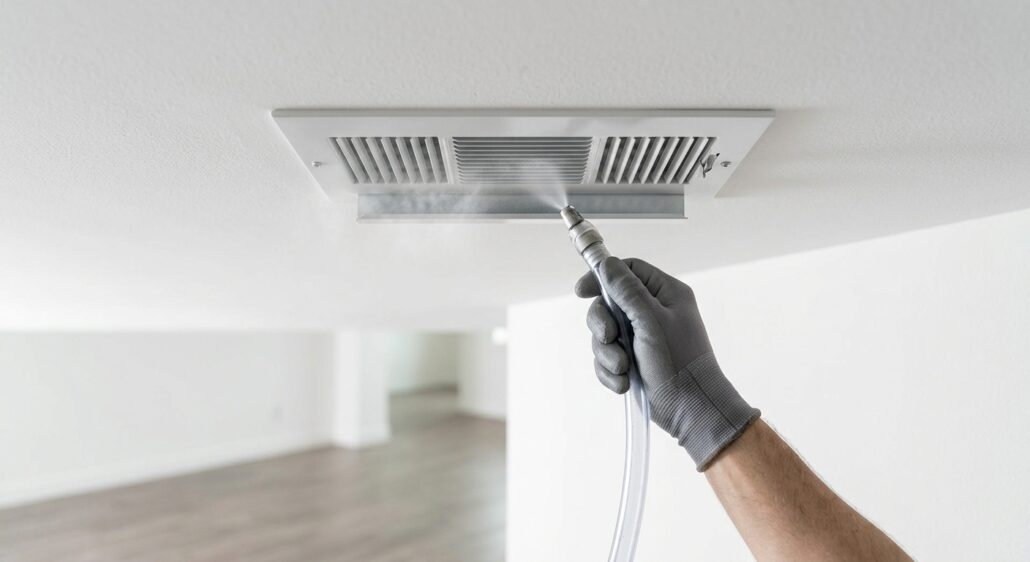

Air Purifier Types: 4 Essential Options for Ultimate Home Air
Air Purifier Types are more crucial than ever for maintaining a healthy indoor environment. With increasing concerns about allergens, pollutants, and airborne pathogens, understanding the various technologies available can empower you to make the best choice for your home. This guide will explore the essential options, helping you navigate the world of air purification to achieve superior air quality.
From tackling stubborn pet dander to neutralizing microscopic viruses, different air purifier technologies offer unique strengths. We will delve into how each system works, what contaminants it targets most effectively, and how to choose the perfect solution to transform your home into a sanctuary of clean, breathable air. Discover the ultimate path to a healthier living space.
Key Takeaways
- Understand the four primary Air Purifier Types: HEPA, Activated Carbon, UV-C, and Ionic, and their distinct roles in air purification.
- Learn how to match specific air purifier technologies to your household needs, whether it’s for allergies, pets, odors, or germ control.
- Discover the benefits of whole-house air purification systems for comprehensive indoor air quality improvement.
- Gain insights into critical factors like CADR, maintenance, and safety to make an informed decision for your home.
Understanding the Essential Air Purifier Types
When it comes to improving your indoor air quality, knowing the most common Air Purifier Types available is the first step. Each technology is designed to address specific pollutants, offering a targeted approach to clean air. Understanding their mechanisms helps you select the most effective system for your unique needs.
From mechanical filtration to advanced electronic methods, the variety can seem overwhelming. However, by focusing on the core functions, you can easily identify which type will best serve your home. Let’s explore the leading technologies that form the backbone of modern air purification.
The market offers a range of devices, from compact portable units to integrated whole-house systems. Your choice will depend on factors like room size, specific air quality concerns, and budget. Prioritizing your health starts with informed decisions about these vital home appliances.
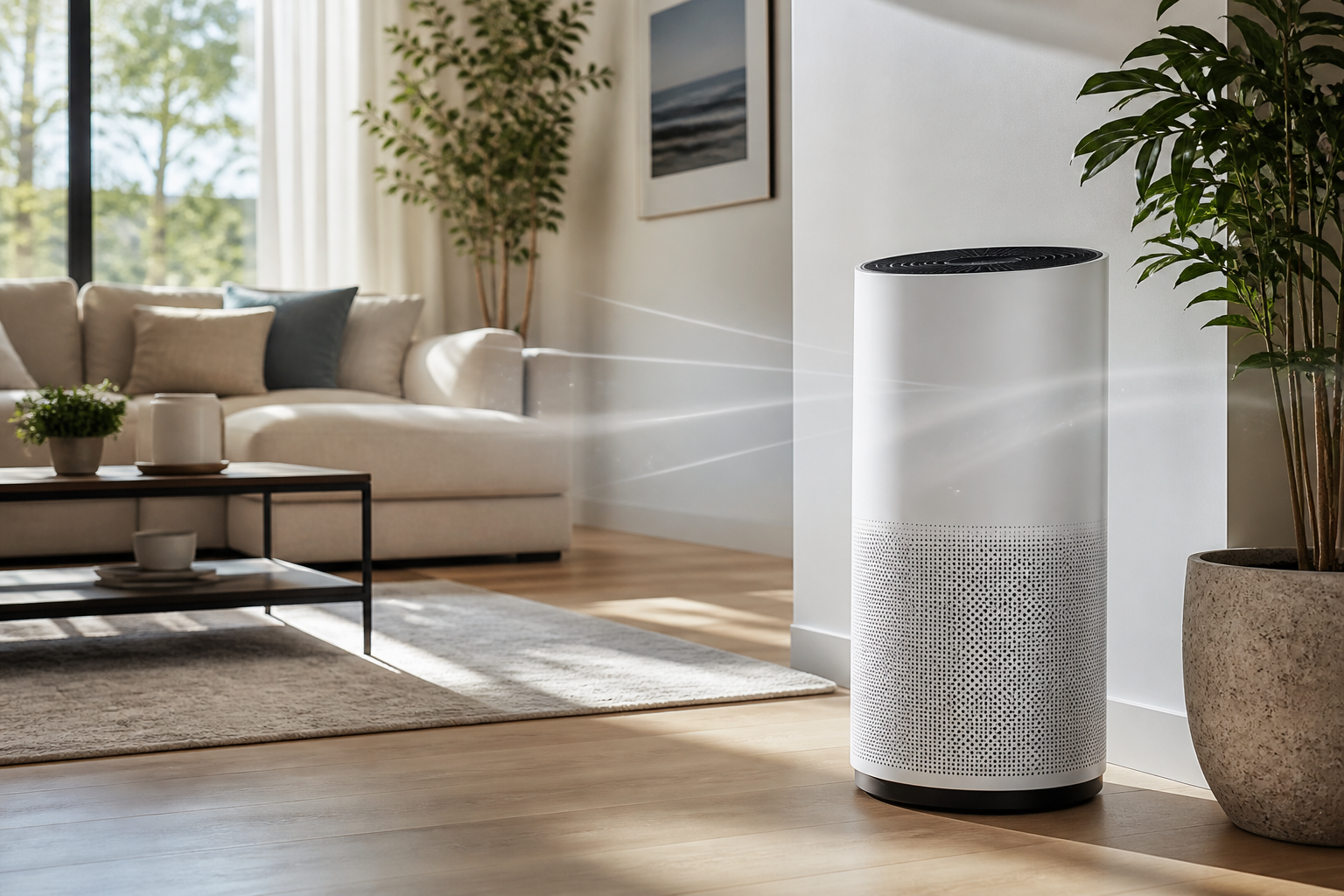
HEPA Air Purifier Types: Your First Line of Defense
HEPA (High-Efficiency Particulate Air) filters are perhaps the most well-known and widely recommended of all Air Purifier Types. They work by forcing air through a fine mesh that traps particles. True HEPA filters are certified to capture 99.97% of airborne particles as small as 0.3 microns.
This includes common allergens like dust mites, pollen, pet dander, and mold spores. For allergy and asthma sufferers, a HEPA air purifier is often the cornerstone of an effective air quality strategy. They are mechanical filters, meaning they physically block and capture particles, making them highly reliable.
How do HEPA air purifiers differ from activated carbon purifiers? While HEPA filters excel at trapping solid particles, they are not designed to remove gases or odors. This is where other technologies come into play, often working in conjunction with HEPA filtration.
Activated Carbon Air Purifier Types: Eliminating Odors and VOCs
Activated carbon filters are another essential component among effective Air Purifier Types. Unlike HEPA filters that trap particles, activated carbon works through a process called adsorption. This means it chemically binds gaseous pollutants, odors, and volatile organic compounds (VOCs) to its porous surface.
These filters are highly effective at removing smoke, cooking odors, pet smells, chemical fumes from cleaning products, and paint. Many high-quality air purifiers combine a HEPA filter with an activated carbon filter to provide comprehensive protection against both particulate matter and gaseous contaminants.
Which type of air purifier is best for removing pet dander and odors? For pet dander, a HEPA filter is crucial. For pet odors, an activated carbon filter is indispensable. Therefore, a unit featuring both technologies offers the most robust solution for pet owners.
UV-C Light Air Purifier Types: Battling Microorganisms
UV-C (Ultraviolet-C) light purifiers represent a distinct category of Air Purifier Types focused on biological contaminants. These systems use short-wavelength ultraviolet light to destroy the DNA of airborne microorganisms, including bacteria, viruses, and mold spores. This renders them inactive and unable to reproduce.
What are the advantages of UV-C light air purifiers? They provide an excellent supplementary layer of defense, particularly in environments where germ control is a priority. Often integrated into HEPA and carbon filtration systems, UV-C light ensures that even the smallest biological threats are neutralized, contributing to a healthier home environment.
It’s important to note that UV-C light purifiers are most effective when air passes directly through their light chamber. They are not designed to filter particles or gases on their own but rather to sterilize the air that has already been filtered of larger debris.
Ionic Air Purifier Types: Electrostatic Particle Removal
Ionic air purifiers, also known as ionizers, operate by releasing a stream of negatively charged ions into the air. These ions attach to airborne particles like dust, pollen, and smoke, causing them to become negatively charged. The charged particles then clump together, becoming heavy enough to fall out of the air or be attracted to a charged collection plate within the purifier.
Are ionic Air Purifier Types safe to use in homes with children? While effective at particle removal, some ionic purifiers can produce ozone as a byproduct. Ozone is a lung irritant, especially for children, the elderly, and individuals with respiratory conditions like asthma. It is crucial to choose an ionic air purifier that is certified ozone-free or produces minimal ozone. Always check for certifications from organizations like the California Air Resources Board (CARB) to ensure safety.
Do electrostatic precipitator Air Purifier Types require special maintenance? Yes, electrostatic precipitators, which are a form of electronic air purifier, require regular cleaning of their collection plates. These plates accumulate charged particles and must be washed frequently to maintain efficiency. Neglecting this maintenance can lead to reduced performance and even a build-up of pollutants.
Choosing the Right Air Purifier Types for Your Home
Selecting the ideal air purification system involves more than just understanding the different Air Purifier Types. It requires a careful assessment of your specific needs, the size of your space, and any particular air quality challenges you face. A well-chosen air purifier can significantly enhance your comfort and health.
Consider factors such as the primary pollutants in your home, whether you have allergies or asthma, and the overall square footage you need to cover. These considerations will guide you toward the most effective and efficient solution for your household.
What are the key features to look for in an air purifier for allergies? For allergy sufferers, a true HEPA filter is non-negotiable, as it captures the microscopic particles that trigger symptoms. Look for a high CADR (Clean Air Delivery Rate) that matches your room size. Additionally, an activated carbon filter can help remove VOCs and odors that might also irritate sensitive respiratory systems.
Addressing Specific Air Quality Concerns
- Allergies and Asthma: Which Air Purifier Types are recommended for asthma sufferers? True HEPA filtration is paramount to remove particulate triggers like pollen, dust mites, pet dander, and mold spores. Combining this with activated carbon for VOCs and irritant gases is highly beneficial. Always ensure the unit has a suitable CADR and avoids ozone generation.
- Pet Dander and Odors: As mentioned, a combination of HEPA for dander and activated carbon for odors is the most effective strategy.
- Mold Removal: How effective are ozone-generating Air Purifier Types for mold removal? Ozone generators are generally not recommended for mold removal or any other purpose in occupied spaces due to health risks. While ozone can kill mold spores, it must be used at concentrations far exceeding safe human exposure levels, and it does not remove the mold itself. For mold, source removal and proper ventilation are key, followed by air purification with HEPA and UV-C to capture and neutralize remaining spores.
- Chemicals and VOCs: Activated carbon is the champion here, especially in areas with new furniture, paints, or cleaning supplies.
Sizing and Coverage: Can Portable Air Purifier Types Effectively Clean an Entire Room?
Yes, portable Air Purifier Types can effectively clean an entire room, provided they are appropriately sized for the space. The key metric to look for is the CADR (Clean Air Delivery Rate), which indicates how quickly the purifier can clean a room of a specific size. A higher CADR means faster and more efficient cleaning.
For optimal performance, choose a purifier with a CADR that is at least two-thirds of your room’s square footage. For example, a 300 sq ft room would ideally need a CADR of 200 or higher. For individuals with severe allergies or asthma, a higher CADR is often recommended to achieve more air changes per hour (ACH).
What are the best Air Purifier Types for small apartments versus large offices? For small apartments, a single well-placed portable unit with a suitable CADR for the main living area can be very effective. For larger offices or open-plan homes, multiple portable units or a whole-house system might be necessary to ensure consistent air quality throughout the entire space.

Ready to Explore the Best Air Purifier Types for Your Home with Stream Cold Air Corp?
Enhance your indoor air quality and protect your family’s health with our expert HVAC solutions. Stream Cold Air Corp provides professional guidance and installation for all leading air purification systems.
Whole-House Air Purification: A Comprehensive Approach
While portable units are excellent for specific rooms, a whole-house air purification system offers a truly comprehensive solution for your entire home. Why should I consider a whole-house air purification system? These systems integrate directly into your existing HVAC ductwork, cleaning the air as it circulates throughout every room.
This provides consistent, uniform air quality, eliminating the need for multiple portable units and ensuring that every breath you take, no matter where you are in your home, is cleaner. Whole-house systems are often more powerful and efficient than individual units, capable of handling larger volumes of air and more significant pollutant loads.
They can include advanced filtration like MERV 13+ filters, UV-C lights for germicidal protection, and even specialized media filters for VOCs. This integrated approach not only improves your health but also protects your HVAC system by reducing the accumulation of dust and debris on coils and components, potentially extending its lifespan and improving its efficiency.
Maintaining Your Air Purifier Types for Peak Performance
Regardless of the Air Purifier Types you choose, regular maintenance is essential to ensure they operate at peak efficiency and continue to provide clean air. Neglecting maintenance can lead to reduced effectiveness, increased energy consumption, and even the recirculation of pollutants.
The specific maintenance requirements will vary depending on the technology. For instance, HEPA filters need to be replaced periodically, while activated carbon filters also have a limited lifespan before they become saturated and lose their adsorption capacity. UV-C bulbs also need replacement, typically every 1-2 years, as their germicidal effectiveness diminishes over time.
What is the difference between a mechanical filter and an electronic air purifier? Mechanical filters, like HEPA, physically trap particles and require filter replacement. Electronic air purifiers, such as ionic purifiers and electrostatic precipitators, use electrical charges to remove particles. While some electronic purifiers have washable components, others may still require filter replacement or regular cleaning of collection plates.
Filter Replacement and Power Consumption
Where can I buy replacement filters for various Air Purifier Types? Replacement filters and UV-C bulbs are typically available from the manufacturer’s website, authorized dealers, or major online retailers. It’s crucial to use genuine replacement parts to ensure compatibility and maintain the purifier’s performance and warranty.
How much power do different types of air purifiers consume? Power consumption varies significantly among Air Purifier Types and models. Smaller portable units generally consume less power, often comparable to a light bulb. Larger, whole-house systems or high-CADR portable units will naturally use more electricity. Look for Energy Star certified models, which are designed to be more energy-efficient without compromising performance, helping to keep operating costs down.
Regularly checking and replacing filters, cleaning washable components, and ensuring proper airflow are simple steps that will maximize the lifespan and effectiveness of your air purification system. This proactive approach guarantees that your investment continues to deliver the clean, healthy air you expect and deserve.
What are the most common Air Purifier Types available?
The most common air purifier types include HEPA filters, activated carbon filters, UV-C light purifiers, ionic purifiers, and whole-house filtration systems. Each type targets different airborne contaminants for various indoor air quality needs.
How do HEPA air purifiers differ from activated carbon purifiers?
HEPA (High-Efficiency Particulate Air) purifiers excel at capturing 99.97% of airborne particles 0.3 microns or larger, like dust, pollen, and pet dander. Activated carbon purifiers, conversely, are designed to absorb gases, odors, and volatile organic compounds (VOCs) through a process called adsorption, not particle filtration.
Which type of air purifier is best for removing pet dander and odors?
For pet dander, a HEPA air purifier is highly effective as dander consists of small particles. For pet odors, an activated carbon air purifier is essential because it absorbs the gaseous molecules responsible for smells. Often, a unit combining both HEPA and activated carbon filtration offers the best comprehensive solution.
Are ionic air purifiers safe to use in homes with children?
While ionic air purifiers are effective at removing particles, some models can produce ozone as a byproduct. High levels of ozone can be respiratory irritants, especially for children and individuals with asthma. It’s crucial to choose an ionic air purifier that is certified ozone-free or produces minimal ozone, or consider alternative air purifier types.
What are the advantages of UV-C light air purifiers?
UV-C light air purifiers are particularly effective at neutralizing airborne microorganisms like bacteria, viruses, mold spores, and fungi by damaging their DNA. They are often integrated into other filtration systems to add an extra layer of purification against biological contaminants, helping to prevent the spread of illness.
Why should I consider a whole-house air purification system?
A whole-house air purification system provides comprehensive air treatment throughout your entire home by integrating with your existing HVAC system. Unlike portable units, it cleans the air in every room simultaneously, offering superior and consistent indoor air quality, reduced allergens, and protection for your HVAC equipment.
What are the key features to look for in an air purifier for allergies?
For allergies, prioritize air purifier types with true HEPA filters, as these capture pollen, dust mites, pet dander, and mold spores that trigger symptoms. Look for a high CADR (Clean Air Delivery Rate) suitable for your room size, and consider models with activated carbon for VOCs and odors, which can also irritate allergy sufferers.
Which Air Purifier Types are recommended for asthma sufferers?
For asthma sufferers, the most recommended air purifier types are those with true HEPA filtration to remove particulate triggers like pollen, dust mites, pet dander, and mold. Combining this with activated carbon filtration is beneficial for removing VOCs and irritant gases. Ensure the unit has a suitable CADR for the room size and avoids ozone generation.
Your Path to Superior Indoor Air Quality
Understanding the diverse Air Purifier Types is the first step toward creating a healthier home environment. Whether you opt for the particle-trapping power of HEPA, the odor-absorbing capabilities of activated carbon, the germ-neutralizing effect of UV-C, or the electrostatic prowess of ionizers, each technology plays a vital role in combating indoor pollutants. By carefully considering your specific needs and the unique challenges of your living space, you can select the perfect system to ensure superior air quality.
Remember, a holistic approach often yields the best results, with many advanced purifiers combining multiple technologies for comprehensive protection. Investing in the right air purification system is an investment in your family’s health and well-being, providing peace of mind with every clean breath. For expert advice and installation of the ideal air purification solution for your home, contact Stream Cold Air Corp today.
Learn more from authoritative resources: Consumer Reports and HGTV.