


Air Duct Sealing: 4 Ultimate Secrets for Better Indoor Air Quality
Air Duct Sealing is a critical, often overlooked, component of maintaining a healthy and energy-efficient home. Many homeowners are unaware that their HVAC system, the very heart of their indoor climate control, can be significantly compromised by leaky ductwork. These hidden gaps and cracks allow conditioned air to escape and unconditioned, often polluted, air to enter, directly impacting your comfort, health, and utility bills.
In this comprehensive guide, we will unveil the ultimate secrets to effective air duct sealing. We’ll explore how this essential service not only boosts your home’s energy efficiency but also dramatically improves your indoor air quality. Discover the signs of leaky ducts, the benefits of professional intervention, and what to expect from a top-tier service provider like Stream Cold Air Corp in Deerfield Beach, FL.
Key Takeaways
- Understand how professional air duct sealing prevents energy loss, leading to significant savings on your utility bills.
- Learn the crucial role of effective air duct sealing in safeguarding your indoor air quality from dust, allergens, and pollutants.
- Discover the tell-tale signs that indicate your home’s ductwork is compromised and in need of expert attention.
- Evaluate the long-term investment of professional air duct sealing and why it’s superior to DIY attempts for lasting results.
What is Air Duct Sealing and How It Works
Air Duct Sealing involves closing leaks and gaps in your HVAC ductwork to prevent conditioned air from escaping into unconditioned spaces and to stop unconditioned air from entering your system. This process ensures that all the heated or cooled air generated by your HVAC unit reaches its intended destination: the rooms of your home.
Professionals utilize specialized techniques and materials to create an airtight system. This meticulous approach is vital because even small leaks can lead to significant energy waste and compromised indoor air quality. Understanding the mechanics behind this service helps appreciate its profound impact.
The Process of Effective Air Duct Sealing
The process typically begins with a thorough inspection of your entire duct system. Technicians use advanced diagnostic tools, such as smoke pens or pressure testers, to pinpoint hidden leaks that are not visible to the naked eye. These leaks are often found at joints, seams, and connections within the ductwork, especially in attics, crawl spaces, and basements.
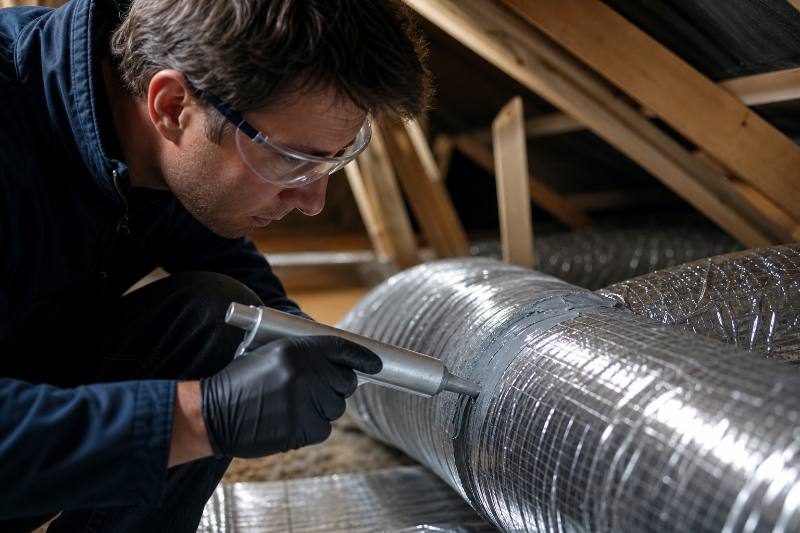
Once identified, leaks are sealed using durable, code-compliant materials. The most common materials include mastic sealant, a thick, paste-like substance applied to gaps and cracks, and specialized foil-backed tape, which is far superior to standard cloth duct tape. For more extensive or hard-to-reach leaks, advanced aerosol sealing technology can be employed, sealing ducts from the inside out and ensuring thorough air duct sealing.
Why Air Duct Sealing is Essential for Your Home
The importance of professional air duct sealing cannot be overstated. Leaky ducts are silent energy thieves, allowing a significant portion of your conditioned air to escape into areas like your attic or crawl space. This forces your HVAC system to work harder and longer to maintain desired temperatures, leading directly to higher energy bills and increased wear and tear on your equipment.
Beyond energy waste, unsealed ducts pose a serious threat to your indoor air quality. They can draw in dust, allergens, mold spores, and other pollutants from unconditioned areas, circulating these contaminants throughout your living spaces. This can exacerbate allergies, asthma, and other respiratory issues for your family.
Enhanced Indoor Air Quality Through Air Duct Sealing
One of the primary benefits of proper air duct sealing is a dramatic improvement in indoor air quality. By preventing the infiltration of dust, dirt, and allergens from outside your conditioned space, the air circulating through your home becomes noticeably cleaner. This creates a healthier environment, especially for those with sensitivities or respiratory conditions.
Sealing your ducts also minimizes the risk of moisture problems. Leaks can introduce humidity into your home, creating an ideal breeding ground for mold and mildew within your ductwork and living areas. A sealed system helps maintain optimal humidity levels, contributing to a fresher and more comfortable atmosphere.
Significant Energy Savings and HVAC Efficiency
Studies by the ENERGY STAR program indicate that leaky ducts can account for 20% to 30% of energy loss in an HVAC system. This means that a substantial portion of the money you spend on heating and cooling is literally escaping through unsealed gaps. Professional air duct sealing directly addresses this inefficiency, ensuring your HVAC system operates at peak performance.
By preventing air loss, your system doesn’t have to work as hard, which translates to lower energy consumption and reduced utility bills. This investment pays for itself over time through consistent savings. Moreover, improved efficiency extends the lifespan of your HVAC unit, delaying costly replacements and repairs.
Recognizing the Signs Your Home Needs Air Duct Sealing
Identifying the need for air duct sealing can save you significant money and improve your home’s comfort. While some leaks are obvious, many are hidden within walls, ceilings, or unconditioned spaces. Knowing what to look for can help you determine if a professional inspection is in order.
Common indicators include unusually high energy bills that don’t align with your usage patterns, inconsistent temperatures across different rooms, and excessive dust accumulation. These signs suggest that your HVAC system is struggling due to compromised ductwork.

Uneven Heating and Cooling
If some rooms in your home are consistently warmer or colder than others, even when the thermostat is set, leaky ducts are a likely culprit. Conditioned air escapes before reaching distant vents, leading to uneven distribution and uncomfortable hot or cold spots. This forces you to adjust your thermostat, wasting more energy.
Increased Dust and Allergy Symptoms
A noticeable increase in dust accumulation, especially near vents, can signal that your ducts are drawing in unfiltered air from attics, crawl spaces, or wall cavities. This infiltration introduces dust, pet dander, pollen, and other allergens into your home, potentially worsening allergy symptoms and respiratory issues.
Audible Whistling or Hissing Sounds
Sometimes, the sound of escaping air can be heard as a faint whistling or hissing coming from your ductwork. These sounds are often indicative of small cracks or loose connections where air is being forced through a narrow opening. While subtle, these leaks contribute to energy loss and reduced system efficiency.
Professional Air Duct Sealing vs. DIY: An Expert Perspective
While the idea of a DIY project might be tempting for minor home repairs, professional air duct sealing is highly recommended. The complexity of duct systems, the need for specialized tools, and the importance of using appropriate, long-lasting materials make it a task best left to qualified experts. Attempting to seal ducts yourself often leads to missed leaks and inadequate repairs.
The Value of Expert Air Duct Sealing
Professional HVAC technicians have the training and equipment to accurately diagnose and effectively seal your entire duct system. They can access hard-to-reach areas, identify all leaks, and apply industrial-grade sealants that are designed to last. This ensures a comprehensive solution that truly optimizes your system’s performance and longevity.
Qualified professionals understand building codes and safety standards, ensuring that the sealing materials used are non-toxic and appropriate for your home’s environment. This expertise guarantees not only efficiency but also the health and safety of your household. Trusting an expert for air duct sealing provides peace of mind.
Experience the Ultimate Benefits of Professional Air Duct Sealing with Stream Cold Air Corp
Ensure your home enjoys superior indoor air quality and unmatched energy efficiency. Our expert technicians deliver flawless air duct sealing services across Deerfield Beach, FL.
Investing in Air Duct Sealing: Costs and Longevity
Considering professional air duct sealing is an investment in your home’s comfort, health, and energy efficiency. While there is an upfront cost, the long-term benefits typically outweigh the initial expense. Understanding the factors that influence cost and the expected lifespan of the sealing can help you make an informed decision.
How Much Does Professional Air Duct Sealing Cost?
The cost of professional air duct sealing varies based on several factors. These include the size of your home, the accessibility of your ductwork, the extent of the leaks, and the specific sealing methods employed. Companies often provide a personalized quote after a thorough inspection, ensuring transparency and accuracy.
While prices can range, the investment is often recouped through significant savings on your monthly energy bills. Many homeowners find that the enhanced comfort and improved air quality are invaluable benefits that extend beyond monetary savings. It’s a smart financial decision for any property owner.
How Long Does Air Duct Sealing Last?
When performed by a professional using high-quality materials, air duct sealing can last for 10 to 20 years, or even longer. The durability of the seals depends on the type of sealant used, the quality of the application, and the environmental conditions within your home. Reputable companies often provide warranties for their work, offering additional assurance.
Regular HVAC maintenance can also help preserve the integrity of the seals over time. This longevity makes professional air duct sealing a highly cost-effective solution for sustained home performance. For reliable air duct sealing services in Deerfield Beach, FL, consider reaching out to Stream Cold Air Corp.
Choosing the Right Air Duct Sealing Company
When selecting a company for air duct sealing, look for providers with a strong local reputation, positive customer reviews, and proper licensing and certifications. Ensure they offer detailed inspections, transparent quotes, and use durable, industry-approved sealing materials. A reputable company will prioritize long-term solutions and customer satisfaction, providing peace of mind.
Air Duct Sealing vs. Air Duct Cleaning: Understanding the Difference
It’s common for homeowners to confuse air duct sealing with air duct cleaning, but these are two distinct services that address different aspects of your HVAC system’s health. Both are crucial for optimal performance and indoor air quality, but they serve different purposes and are often recommended in conjunction.
Air Duct Cleaning
Air duct cleaning focuses on removing accumulated dust, debris, allergens, and other contaminants from the interior surfaces of your ductwork. Over time, these substances can build up, restricting airflow and potentially harboring mold or bacteria. Cleaning improves airflow and removes pollutants that can circulate through your home.
Air Duct Sealing
In contrast, air duct sealing addresses the structural integrity of your ductwork. It involves identifying and closing any leaks, gaps, or disconnections in the ducts themselves. This prevents conditioned air from escaping and unconditioned air from entering the system. Sealing is about containment and efficiency, ensuring the air travels where it’s supposed to.
Ideally, both services should be considered. Cleaning removes existing contaminants, while sealing prevents new ones from entering and ensures the system operates efficiently. Together, they create a comprehensive solution for superior indoor air quality and energy savings.
Your Path to a Healthier, More Efficient Home
The journey to a healthier, more energy-efficient home often begins with addressing the unseen. Professional air duct sealing is a foundational step in optimizing your HVAC system, ensuring that your conditioned air is delivered efficiently and cleanly throughout your living spaces. By understanding the critical role of sealed ducts, you can make informed decisions that benefit your family’s health and your wallet.
From preventing energy loss to significantly improving indoor air quality, the profound impact of professional air duct sealing is undeniable. Don’t let leaky ducts compromise your comfort or inflate your utility bills. Take action today to discover the ultimate secrets to a truly optimized home environment. Your home deserves the best, and expert air duct sealing delivers lasting results.
What is air duct sealing and how does it work?
Air duct sealing involves closing leaks and gaps in your HVAC ductwork to prevent conditioned air from escaping. Professionals use mastic sealant, specialized tapes, or aeroseal technology to create an airtight system, ensuring all treated air reaches its intended destination. This process enhances system efficiency and improves indoor comfort.
Why is it important to seal air ducts in my home?
Sealing air ducts is crucial for several reasons. Leaky ducts waste a significant amount of energy by allowing conditioned air to escape into unconditioned spaces like attics or crawl spaces. This leads to higher utility bills, uneven heating and cooling, and compromised indoor air quality as dust and pollutants can enter the system.
How much does professional air duct sealing cost?
The cost of professional air duct sealing varies depending on the size of your home, the extent of the leaks, and the method used. While it’s an investment, the long-term savings on energy bills and improved system performance typically provide a strong return. It’s best to get a personalized quote from a qualified HVAC company.
What are the main benefits of having my air ducts sealed?
The main benefits include significantly lower energy bills, enhanced heating and cooling efficiency, improved indoor air quality by preventing contaminants from entering the system, and greater comfort with more consistent temperatures throughout your home. It also extends the lifespan of your HVAC unit.
Can I effectively seal air ducts myself or do I need a professional?
While minor leaks might seem like a DIY task, professional air duct sealing is highly recommended. Experts have specialized tools to locate hidden leaks, use durable, code-compliant materials, and ensure the entire system is properly sealed for maximum efficiency and longevity. DIY attempts often miss critical leaks and use inadequate materials.
What materials are typically used for air duct sealing?
Professionals typically use specific materials designed for durability and effectiveness. These include mastic sealant, a thick, paste-like substance applied to seal gaps and cracks; specialized foil-backed tape, often superior to standard duct tape; and advanced aerosol sealants, which can seal leaks from the inside of the ductwork.
How long does air duct sealing last?
When performed correctly by a professional using high-quality materials, air duct sealing can last for 10 to 20 years, or even longer. The longevity depends on the materials used, the quality of the installation, and the environmental conditions of your home. Regular HVAC maintenance can help preserve the seals.
What are the common signs that my air ducts need sealing?
Common signs include unusually high energy bills without changes in usage, inconsistent temperatures between rooms, noticeable dust accumulation despite regular cleaning, and a humming or whistling sound from your ductwork. A professional inspection can confirm if air duct sealing is necessary.
Where can I find reliable air duct sealing services near me?
To find reliable air duct sealing services, look for HVAC companies with strong local reputations, positive customer reviews, and proper licensing and certifications. Companies like Stream Cold Air Corp in Deerfield Beach, FL, specialize in comprehensive air duct services and can provide expert solutions.
Is air duct sealing a worthwhile investment for energy savings?
Yes, air duct sealing is absolutely a worthwhile investment for energy savings. Studies show that leaky ducts can account for 20-30% of energy loss in an HVAC system. Sealing these leaks significantly reduces energy waste, leading to substantial savings on utility bills and a smaller carbon footprint.
How does air duct sealing improve indoor air quality?
By sealing leaks, air duct sealing prevents unconditioned air from attics, crawl spaces, or basements from being drawn into your conditioned air supply. This prevents dust, allergens, mold spores, and other pollutants from circulating through your home, leading to cleaner, healthier indoor air.
What is the difference between air duct cleaning and air duct sealing?
Air duct cleaning removes accumulated dust, debris, and contaminants from the inside surfaces of your ductwork. Air duct sealing, on the other hand, addresses the structural integrity of the ducts by closing leaks and gaps. Both are essential for optimal HVAC performance and indoor air quality but serve different purposes.
Who is qualified to perform air duct sealing?
Qualified professionals to perform air duct sealing typically include licensed HVAC technicians or specialists trained in indoor air quality and ductwork efficiency. They possess the expertise, tools, and materials to properly diagnose and seal duct systems according to industry standards.
What is the process involved in professional air duct sealing?
The process usually involves a thorough inspection to identify leaks, often using diagnostic tools like smoke pens or pressure testers. Technicians then meticulously apply mastic sealant, specialized tapes, or use aerosol sealing technology to seal all identified gaps, joints, and connections throughout the duct system.
What should I consider when choosing an air duct sealing company?
When choosing a company, consider their experience, customer reviews, certifications, and whether they offer detailed inspections and transparent quotes. Ensure they use high-quality, durable sealing materials and provide warranties for their work. A reputable company will prioritize long-term solutions and customer satisfaction.