


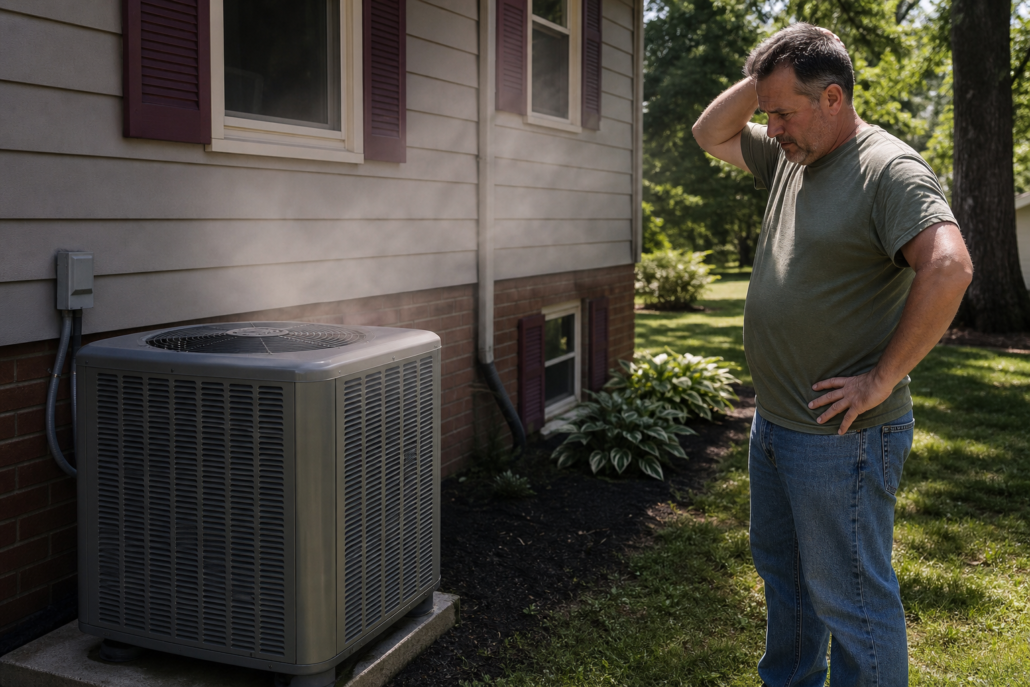
AC Not Cooling: 7 Amazing Reasons & 3 Ultimate Fixes
If your AC not cooling is a problem you’re facing, you understand the discomfort and frustration it brings, especially during warmer months. A malfunctioning air conditioning system can quickly turn your home into an unbearable environment. This comprehensive guide will equip you with the knowledge to identify common issues, understand their implications, and discover the ultimate solutions to restore your home’s comfort.
We will delve into the seven most frequent reasons why your AC might not be blowing cold air, from simple fixes to more complex mechanical failures. More importantly, we’ll provide actionable insights and three ultimate strategies to address these problems effectively. Whether you’re a proactive homeowner or in urgent need of repair, this resource offers the clarity and direction you need to get your cooling system back on track.
Key Takeaways for AC Not Cooling
- Identify the 7 most common reasons your air conditioning unit may not be cooling effectively, from minor issues to significant malfunctions.
- Learn practical troubleshooting steps you can perform yourself before calling a professional to diagnose why your AC is not cooling.
- Understand the critical role of professional HVAC services in diagnosing and repairing complex issues to ensure your system’s longevity and efficiency.
- Discover essential preventative maintenance tips that can help you avoid future instances of your AC not cooling and maintain optimal performance.
Understanding Why Your AC Not Cooling: 7 Common Reasons
When your air conditioner fails to deliver cool air, it’s more than just an inconvenience; it can be a sign of underlying issues within the system. Understanding these common culprits is the first step toward effective troubleshooting and repair. Identifying the root cause of your AC not cooling problem helps you communicate more effectively with technicians and make informed decisions about your system’s health.
What are the common causes of an AC not cooling? The most common causes for an AC not cooling include inadequate refrigerant charge, a dirty evaporator or condenser coil restricting heat exchange, a faulty thermostat, a failing compressor, electrical issues like a bad capacitor, or blocked airflow from dirty filters or ductwork problems. Let’s explore these in detail.
1. Low Refrigerant Levels: A Major Cause of AC Not Cooling
Refrigerant, often called Freon, is the lifeblood of your AC system. It absorbs heat from your indoor air and releases it outside. If your system has low refrigerant, it’s almost certainly due to a leak. This means your AC unit might be running, but it cannot effectively cool the air.
Is a Freon leak causing my AC to not cool? Yes, a Freon (refrigerant) leak is a very common reason for an AC not cooling. Low refrigerant levels prevent your system from properly absorbing and releasing heat, leading to warm air from the vents. If you suspect a leak, it requires professional detection and repair, as refrigerant is a regulated substance. The Environmental Protection Agency (EPA) provides extensive information on refrigerant management and leaks.
2. Dirty Air Filters and Coils Leading to AC Not Cooling
A dirty air filter is one of the simplest yet most overlooked reasons for an AC not cooling. A clogged filter restricts airflow, forcing your unit to work harder and reducing its cooling capacity. This increased strain can lead to higher energy bills and premature system wear.
Similarly, dirty evaporator or condenser coils can severely impede heat exchange. The evaporator coil absorbs heat from your home’s air, while the condenser coil releases that heat outside. If either is coated in dirt and grime, your system’s efficiency plummets, resulting in warm air and an overworked compressor. Regular cleaning is vital for optimal performance.
3. Thermostat Malfunctions: When Your AC Not Cooling is a Setting Issue
Sometimes, the problem isn’t with the AC unit itself, but with its command center. A faulty thermostat can send incorrect signals, or no signals at all, to your air conditioner. This can lead to the unit not turning on, or running continuously without actually cooling.
What should I check first if my air conditioner stops cooling? If your air conditioner stops cooling, first check if the thermostat is set to “cool” and the temperature is lower than the room’s current temperature. Next, inspect your air filter to ensure it’s clean and not restricting airflow. Also, check the outdoor unit for any obvious obstructions or debris.
4. Clogged Condensate Drain Line
Your AC system removes humidity from the air, creating condensation. This water typically drains away through a condensate line. If this line becomes clogged with algae, dirt, or debris, the water can back up, triggering a safety switch that shuts down the unit or prevents it from cooling. This is a common issue that can lead to your AC not cooling. A simple blockage can halt your entire system.
5. Malfunctioning Compressor or Fan Motor
The compressor is the heart of your AC, responsible for circulating refrigerant. If it fails, your unit simply won’t cool. Similarly, if the outdoor fan motor stops working, the condenser coil cannot dissipate heat, leading to a system shutdown or inefficient cooling. These are critical components, and their failure means your AC unit is running but not cooling the house. Issues with these parts often require professional diagnosis and repair.
6. Electrical Issues and Blown Fuses
Air conditioners rely on a complex electrical system. Issues like a tripped circuit breaker, a blown fuse, or a faulty capacitor can prevent your unit from starting or cooling properly. A capacitor provides the initial jolt of electricity needed to start the motors. If it’s weak or dead, your AC might hum but fail to engage the compressor or fan. These electrical problems can be dangerous to troubleshoot without expertise.
7. Leaky or Damaged Ductwork
Your ductwork is responsible for distributing conditioned air throughout your home. If there are leaks, cracks, or disconnections in the ducts, a significant portion of your cool air can escape into unconditioned spaces like attics or crawl spaces. This means your AC is working, but the cool air isn’t reaching your living areas, making it seem like your AC not cooling. Damaged ducts can drastically reduce system efficiency and comfort.

3 Ultimate Fixes for Your AC Not Cooling Problems
Once you’ve identified the potential reasons for your AC not cooling, the next step is to implement effective solutions. While some minor issues can be addressed with simple DIY steps, many require the expertise of a certified HVAC technician. Here are three ultimate fixes that cover the spectrum of common AC cooling problems.
1. DIY Troubleshooting and Maintenance for AC Not Cooling
Before calling a professional, there are several basic checks you can perform. Can I troubleshoot a non-cooling AC unit myself? Yes, you can perform basic troubleshooting for a non-cooling AC unit, such as checking the thermostat settings, cleaning or replacing the air filter, and ensuring the outdoor unit isn’t blocked. However, for issues involving refrigerant, electrical components, or complex mechanical parts, it’s safer and more effective to call a professional HVAC technician.
- Check Thermostat Settings: Ensure it’s set to “cool” and the temperature is low enough. Replace batteries if needed.
- Inspect Air Filter: A dirty filter is a common culprit. Replace it monthly, especially during peak usage. This can significantly improve airflow and cooling efficiency.
- Clear Outdoor Unit: Remove any debris, leaves, or overgrown vegetation from around your outdoor condenser unit. Ensure there’s at least two feet of clearance for proper airflow.
- Check Circuit Breaker: Locate your electrical panel and check if the breaker for your AC unit has tripped. Reset it if necessary.
These simple steps can often resolve minor issues and prevent the need for a service call, helping address why your AC not cooling.
2. Professional AC Repair for Cooling Issues
For more complex problems, professional intervention is essential. Who provides reliable AC repair for cooling issues? Stream Cold Air Corp provides reliable AC repair for cooling issues in Deerfield Beach, FL, and surrounding areas. Our certified technicians specialize in diagnosing and fixing all types of AC problems, ensuring your system runs efficiently and effectively. We handle all major brands with professionalism and honesty.
What are the typical steps an HVAC technician takes to fix a non-cooling AC? An HVAC technician typically starts by inspecting the thermostat and electrical connections, then checks refrigerant levels and for leaks. They’ll examine coils for cleanliness, test the compressor and capacitors, and inspect the blower motor and ductwork for airflow issues to identify why the AC not cooling. They can safely handle refrigerant recharges, compressor replacements, and complex electrical repairs.
What are signs that my AC needs professional repair for cooling problems? Signs that your AC needs professional repair include warm air blowing from vents, the unit running constantly without cooling, strange noises or odors, water leaks around the unit, or unusually high energy bills. These symptoms often indicate a more serious issue that requires expert attention. For instance, a persistent humming sound without cooling could indicate a faulty capacitor or compressor.
How much does it cost to repair an AC that’s not cooling? The cost to repair an AC that’s not cooling varies widely depending on the underlying problem. Simple fixes like a capacitor replacement might be a few hundred dollars, while a major repair like a compressor replacement could range from $1,000 to over $2,000. It’s best to get a professional diagnostic for an accurate quote from a trusted provider like Stream Cold Air Corp.
Is Your AC Not Cooling? Get Expert Help from Stream Cold Air Corp!
Don’t let a malfunctioning AC ruin your comfort. Our certified technicians provide reliable repair services, ensuring your home stays cool and comfortable.
3. AC System Replacement for Persistent AC Not Cooling
If your AC unit is frequently not cooling, especially if it’s an older unit (10+ years), replacement might be a more cost-effective solution than continuous repairs. An HVAC professional can assess your system’s condition, repair history, and efficiency to help you decide whether to repair or replace your AC. Modern AC units are significantly more energy-efficient, offering long-term savings on utility bills and improved comfort. The U.S. Department of Energy offers valuable resources on choosing and maintaining air conditioners.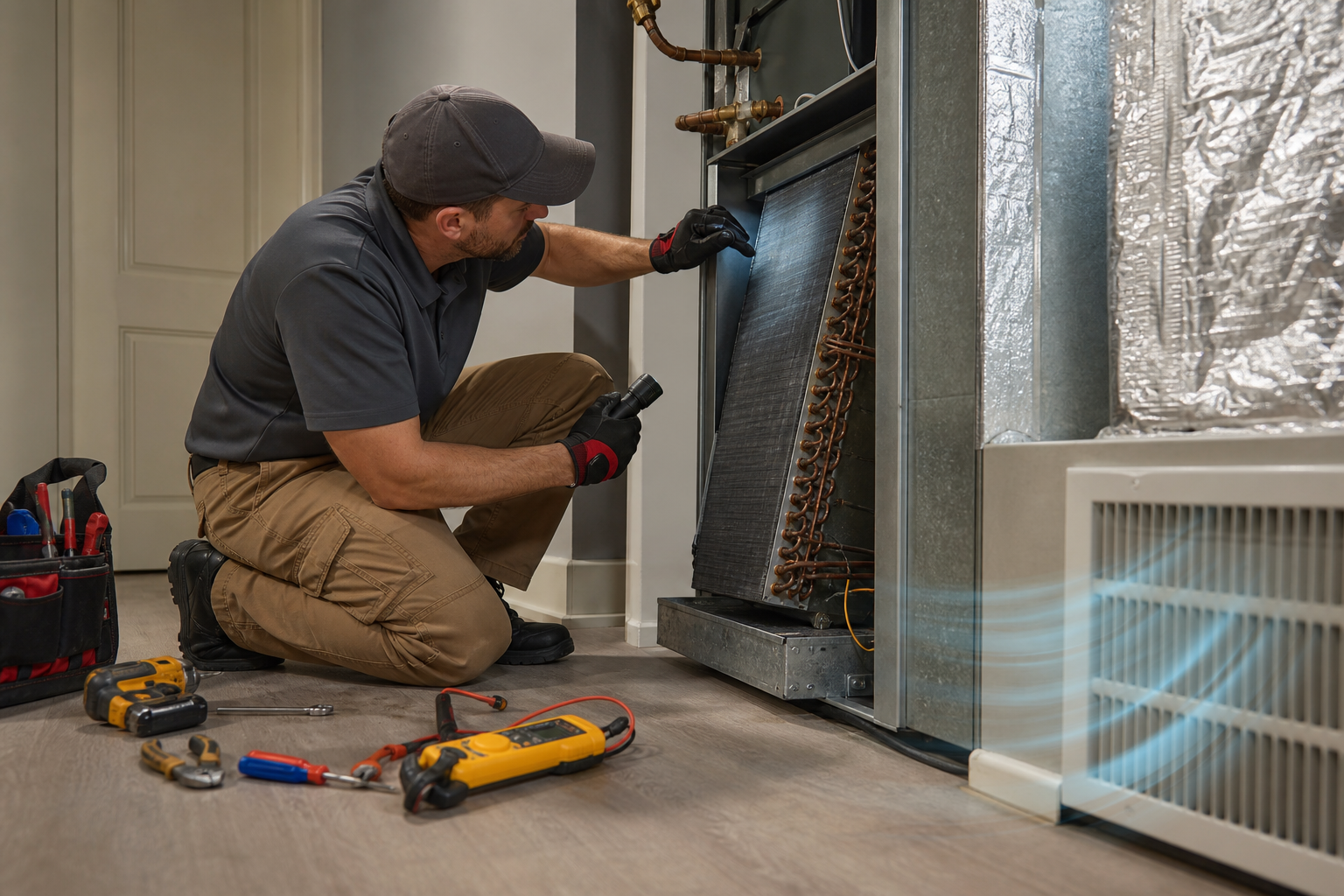
Preventative Maintenance to Avoid AC Not Cooling
Proactive maintenance is the best defense against your AC not cooling unexpectedly. Regular care can extend the lifespan of your unit, improve its efficiency, and prevent costly breakdowns. What maintenance prevents an AC from losing its cooling ability? Regular maintenance is crucial to prevent an AC from losing its cooling ability. This includes replacing air filters monthly, keeping the outdoor condenser coil clean, ensuring the condensate drain is clear, and scheduling annual professional tune-ups to check refrigerant levels, electrical components, and overall system health.
Annual Professional Tune-Ups
Schedule a professional HVAC tune-up at least once a year, ideally in the spring before the cooling season begins. During a tune-up, a technician will clean coils, check refrigerant levels, inspect electrical connections, lubricate moving parts, and ensure all components are functioning optimally. This comprehensive check can catch minor issues before they escalate into major problems, ensuring your system is ready for peak demand.
Regular Filter Replacement
This simple task is often overlooked but is incredibly important. A clean air filter ensures proper airflow and prevents dust and debris from accumulating on your evaporator coil. How often should I have my AC serviced if it’s not cooling efficiently? If your AC is not cooling efficiently, you should have it serviced immediately by a professional HVAC technician. For general preventative maintenance, it’s recommended to have your AC system inspected and tuned up at least once a year.
When to Call for Emergency AC Not Cooling Service
There are times when waiting for a scheduled appointment isn’t an option. If your AC not cooling is creating an unsafe or unbearable living environment, especially during extreme heat, emergency service is necessary. Where can I find an emergency AC repair service for no cooling? For emergency AC repair service when your unit is not cooling, contact Stream Cold Air Corp. We offer prompt and reliable emergency services to restore your comfort quickly. Don’t suffer through the heat; call our team for immediate assistance.
Signs You Need Immediate Help
- Complete System Failure: Your AC unit won’t turn on at all.
- Burning Smells: Indicates an electrical problem that could be a fire hazard.
- Refrigerant Leaks: Hissing sounds or visible ice on coils can point to a leak, which is harmful to the environment and your system.
- No Airflow: If the blower isn’t moving any air, even if the unit is running, it could be a serious motor issue.
Resolving Your AC Not Cooling Challenges
Experiencing an AC not cooling can be a significant disruption to your home comfort. However, by understanding the common reasons behind these issues and knowing when to apply DIY fixes versus calling in the professionals, you can quickly restore your system’s performance. Regular maintenance is key to preventing future problems and ensuring your air conditioner runs efficiently for years to come. Don’t let a faulty AC leave you in the heat; take proactive steps or reach out to trusted experts like Stream Cold Air Corp for reliable solutions. To book an AC repair appointment for a cooling problem with Stream Cold Air Corp, simply visit our website at streamcoldair.com or call us directly at (954) 234-3863. Our friendly team will schedule a convenient time for a certified technician to diagnose and fix your AC.
Why is my AC not blowing cold air?
Your AC unit might not be blowing cold air due to several common issues, including low refrigerant levels, a dirty air filter, a malfunctioning compressor, a clogged condensate drain line, or problems with the thermostat. These can all lead to reduced cooling efficiency or a complete loss of cold air.
What are the common causes of an AC not cooling?
The most common causes for an AC not cooling include inadequate refrigerant (Freon) charge, a dirty evaporator or condenser coil restricting heat exchange, a faulty thermostat, a failing compressor, electrical issues like a bad capacitor, or blocked airflow from dirty filters or ductwork problems.
What should I check first if my air conditioner stops cooling?
If your air conditioner stops cooling, first check if the thermostat is set to “cool” and the temperature is lower than the room’s current temperature. Next, inspect your air filter to ensure it’s clean and not restricting airflow. Also, check the outdoor unit for any obvious obstructions or debris.
How much does it cost to repair an AC that’s not cooling?
The cost to repair an AC that’s not cooling varies widely depending on the underlying problem. Simple fixes like a capacitor replacement might be a few hundred dollars, while a major repair like a compressor replacement could range from $1,000 to over $2,000. It’s best to get a professional diagnostic for an accurate quote.
Can I troubleshoot a non-cooling AC unit myself?
You can perform basic troubleshooting for a non-cooling AC unit, such as checking the thermostat settings, cleaning or replacing the air filter, and ensuring the outdoor unit isn’t blocked. However, for issues involving refrigerant, electrical components, or complex mechanical parts, it’s safer and more effective to call a professional HVAC technician.
Who provides reliable AC repair for cooling issues?
Stream Cold Air Corp provides reliable AC repair for cooling issues in Deerfield Beach, FL, and surrounding areas. Our certified technicians specialize in diagnosing and fixing all types of AC problems, ensuring your system runs efficiently and effectively. We handle all major brands with professionalism and honesty.
Is a Freon leak causing my AC to not cool?
Yes, a Freon (refrigerant) leak is a very common reason for an AC not cooling. Low refrigerant levels prevent your system from properly absorbing and releasing heat, leading to warm air from the vents. If you suspect a leak, it requires professional detection and repair, as refrigerant is a regulated substance.
What are signs that my AC needs professional repair for cooling problems?
Signs that your AC needs professional repair include warm air blowing from vents, the unit running constantly without cooling, strange noises or odors, water leaks around the unit, or unusually high energy bills. These symptoms often indicate a more serious issue that requires expert attention.
Where can I find an emergency AC repair service for no cooling?
For emergency AC repair service when your unit is not cooling, contact Stream Cold Air Corp. We offer prompt and reliable emergency services to restore your comfort quickly. Don’t suffer through the heat; call our team for immediate assistance.
Why is my AC unit running but not cooling the house?
If your AC unit is running but not cooling the house, it often points to a problem with the refrigeration cycle. This could be due to low refrigerant, a failed compressor, a dirty evaporator coil that can’t absorb heat, or restricted airflow preventing proper heat exchange.
What maintenance prevents an AC from losing its cooling ability?
Regular maintenance is crucial to prevent an AC from losing its cooling ability. This includes replacing air filters monthly, keeping the outdoor condenser coil clean, ensuring the condensate drain is clear, and scheduling annual professional tune-ups to check refrigerant levels, electrical components, and overall system health.
How often should I have my AC serviced if it’s not cooling efficiently?
If your AC is not cooling efficiently, you should have it serviced immediately by a professional HVAC technician. For general preventative maintenance, it’s recommended to have your AC system inspected and tuned up at least once a year, ideally in the spring before the cooling season begins.
Should I replace my AC if it’s frequently not cooling?
If your AC is frequently not cooling, especially if it’s an older unit (10+ years), replacement might be a more cost-effective solution than continuous repairs. An HVAC professional can assess your system’s condition, repair history, and efficiency to help you decide whether to repair or replace your AC.
What are the typical steps an HVAC technician takes to fix a non-cooling AC?
An HVAC technician typically starts by inspecting the thermostat and electrical connections, then checks refrigerant levels and for leaks. They’ll examine coils for cleanliness, test the compressor and capacitors, and inspect the blower motor and ductwork for airflow issues to identify why the AC is not cooling.
How do I book an AC repair appointment for a cooling problem?
To book an AC repair appointment for a cooling problem with Stream Cold Air Corp, simply visit our website at https://streamcoldair.com/ or call us directly at (954) 234-3863. Our friendly team will schedule a convenient time for a certified technician to diagnose and fix your AC.