


AC Freezing Up: 5 Expert Tips for Deerfield Beach AC Care
AC Freezing Up is a frustratingly common problem for homeowners in Deerfield Beach, especially with our year-round demand for cool air. When your air conditioner’s evaporator coil or refrigerant lines become coated in ice, it signals an underlying issue that can severely impact performance, increase energy bills, and potentially lead to costly repairs. Understanding the causes and implementing preventative measures is crucial for maintaining a comfortable home and extending the lifespan of your HVAC system.
This comprehensive guide provides five essential tips for Deerfield Beach AC maintenance success. We will delve into why your AC unit might be freezing up, what immediate steps you should take, and how proactive care can prevent this issue from recurring. By following these expert recommendations, you can ensure your air conditioning system operates efficiently and reliably, keeping your home cool and comfortable.
Key Takeaways
- Identify the primary reasons your AC unit might be freezing up, from airflow restrictions to low refrigerant levels.
- Learn five proactive maintenance tips crucial for preventing AC freezing up and ensuring optimal system performance in Deerfield Beach.
- Understand the immediate, safe steps to take if you discover your AC unit is frozen, to prevent further damage.
- Recognize the critical importance of professional HVAC service for diagnosing and resolving complex AC freezing up issues.
Understanding Why Your AC is Freezing Up in Deerfield Beach
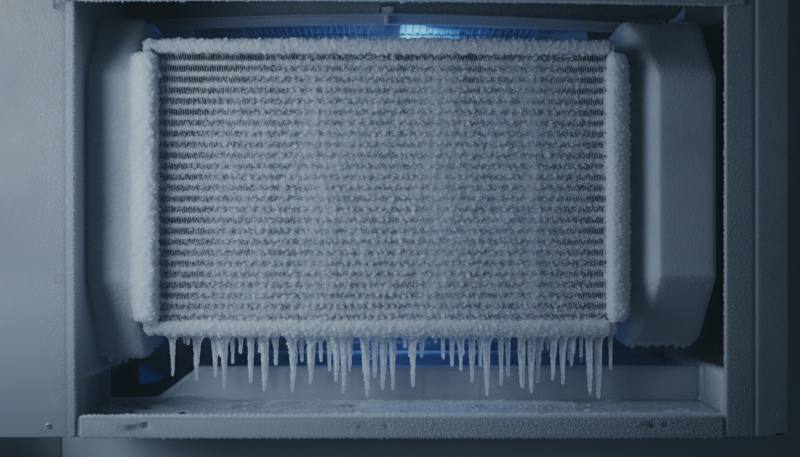
When your AC unit is freezing up, it’s a clear indication that something is preventing the evaporator coil from properly absorbing heat from the air. This critical component is designed to get very cold, but not to freeze. The condensation that naturally forms on the coil then turns to ice, creating a layer that further insulates the coil and reduces its ability to cool your home.
The humid climate of Deerfield Beach can exacerbate these issues, making efficient AC operation even more vital. Ignoring a frozen AC unit can lead to significant damage, including compressor failure, which is one of the most expensive repairs. Prompt diagnosis and resolution are essential to protect your investment and maintain indoor comfort.
Common Causes of AC Freezing Up
Several factors can contribute to an AC freezing up. One of the most frequent culprits is restricted airflow. This can happen due to a dirty air filter, blocked return air vents, or even a malfunctioning blower motor that isn’t moving enough air across the evaporator coil. Without adequate airflow, the coil gets too cold, causing moisture to freeze on its surface.
Another significant cause is low refrigerant levels. If your system has a leak, the reduced pressure in the refrigerant lines can cause the evaporator coil to drop below freezing temperatures. This leads to ice formation, and the system struggles to cool your home effectively. A professional technician can accurately diagnose and repair refrigerant leaks, ensuring your AC operates safely.
The Risks of a Continuously Frozen AC System
Operating an AC unit that is continuously frozen poses serious risks to the entire system. The most severe consequence is potential damage to the compressor, the heart of your AC. When the evaporator coil is frozen, the compressor works harder to try and cool, leading to overheating and eventual breakdown. This can result in a complete system replacement.
Beyond compressor damage, a frozen AC system can also lead to water damage as the ice melts, potentially affecting ceilings, walls, and flooring. Reduced cooling efficiency and higher energy bills are immediate consequences. Addressing an AC freezing up issue promptly is crucial to avoid these costly and inconvenient problems.
5 Expert Tips to Prevent AC Freezing Up and Ensure Deerfield Beach AC Maintenance Success
Preventing your AC from freezing up is far more cost-effective and convenient than dealing with emergency repairs. Proactive maintenance ensures your system runs efficiently, prolongs its lifespan, and keeps your Deerfield Beach home comfortably cool. These five expert tips cover the most critical aspects of AC care.
Tip 1: Regular Filter Replacement Prevents AC Freezing Up
A dirty air filter is a leading cause of restricted airflow, which in turn can cause your AC freezing up. Over time, filters accumulate dust, dirt, and debris, making it harder for air to pass through. This forces your AC to work harder and can cause the evaporator coil to become excessively cold and freeze.
In Deerfield Beach’s dusty and humid environment, it’s recommended to check your air filter monthly and replace it every 1-3 months, depending on usage and household conditions (e.g., pets, allergies). This simple task significantly improves airflow, maintains efficiency, and helps prevent an AC freezing up.
Tip 2: Keep Evaporator Coils Clean to Avoid AC Freezing Up
Even with regular filter changes, evaporator coils can accumulate dirt and grime over time. A dirty coil cannot efficiently absorb heat from the air, causing it to run colder than intended and leading to an AC freezing up. This buildup acts as an insulator, hindering the heat exchange process.
Professional cleaning of your evaporator coil is a vital part of annual AC maintenance. Technicians use specialized tools and solutions to safely remove stubborn dirt and mold, restoring the coil’s ability to function optimally. This preventative step is crucial for avoiding an AC freezing up.
Tip 3: Ensure Proper Refrigerant Levels to Stop AC Freezing Up
Low refrigerant is a common cause of an AC freezing up. Refrigerant is the substance that absorbs heat from your indoor air and releases it outside. If the refrigerant level is too low, the pressure in the system drops, causing the evaporator coil to get excessively cold and freeze.
Low refrigerant typically indicates a leak, not just a need for a
Is Your AC Freezing Up in Deerfield Beach?
Don’t let a frozen AC unit leave you without cool air. Stream Cold Air Corp provides expert, reliable solutions to diagnose and fix freezing issues quickly, ensuring your comfort.
Why is my AC unit freezing up?
Your AC unit typically freezes up due to insufficient airflow over the evaporator coil, low refrigerant levels, or a dirty coil. These issues prevent the coil from absorbing enough heat, causing condensation to freeze.
What are the common causes of an AC freezing up?
The most common causes include dirty air filters restricting airflow, low refrigerant charge from leaks, blocked condensate drains, malfunctioning blower motors, and dirty evaporator coils that impede heat transfer.
How can I thaw a frozen AC unit safely?
To safely thaw a frozen AC unit, first turn off the AC system at the thermostat and the breaker. Then, turn on the fan-only mode to circulate air and speed up thawing. Keep the system off until all ice has melted, which can take several hours.
What should I do immediately if my AC is frozen?
Immediately turn off your AC unit to prevent further damage to the compressor. Do not try to chip away the ice. Allow it to thaw naturally by leaving the fan on, then contact a professional HVAC technician like Stream Cold Air Corp.
Is it bad to run an AC when it’s frozen?
Yes, running an AC when it’s frozen is very bad. It can severely damage the compressor, a costly component to replace, and lead to system inefficiency and potential leaks. Always shut it down immediately.
How to prevent an AC from freezing up in the future?
Regular maintenance is key. This includes changing air filters monthly, ensuring coils are clean, checking refrigerant levels annually, and making sure all vents are unobstructed to maintain proper airflow. Professional tune-ups help prevent an AC from freezing up.
What are the signs that my AC evaporator coil is freezing?
Signs of a freezing evaporator coil include warm air blowing from vents, visible ice on the refrigerant lines or coil, a decrease in airflow, and unusually high energy bills as the system struggles to cool.
Can low refrigerant cause my AC to freeze?
Yes, absolutely. Low refrigerant pressure causes the evaporator coil’s temperature to drop below freezing, leading to ice formation. This usually indicates a leak that needs professional repair and recharge.
How much does it cost to fix a frozen AC unit?
The cost to fix a frozen AC unit varies widely depending on the root cause. A simple filter change is inexpensive, while refrigerant leak repair and recharge or component replacement (like a blower motor) can range from a few hundred to over a thousand dollars.
Where can I find AC repair services for a frozen unit near me?
For reliable AC repair services for a frozen unit near you in Deerfield Beach, contact Stream Cold Air Corp. We specialize in diagnosing and fixing all AC issues, including freezing, with prompt and professional service.
When should I call an HVAC technician for a freezing AC?
You should call an HVAC technician immediately if your AC unit is freezing up. This issue requires professional diagnosis and repair to prevent extensive damage and ensure your system operates safely and efficiently.
What are the risks of a continuously frozen AC system?
A continuously frozen AC system risks permanent damage to the compressor, refrigerant leaks, water damage from melting ice, and drastically reduced cooling efficiency. It can lead to expensive repairs or even full system replacement.
Why is my outdoor AC unit freezing but not cooling the house?
If your outdoor unit (condenser) is freezing but not cooling the house, it likely points to an issue with heat exchange. This can be caused by a dirty coil, refrigerant problems, or a faulty fan, preventing proper heat dissipation outside.
Who can repair a frozen AC unit quickly and reliably?
Stream Cold Air Corp in Deerfield Beach offers quick and reliable repair services for frozen AC units. Our experienced technicians diagnose the problem efficiently and provide lasting solutions to restore your comfort.
What maintenance steps help prevent AC coil freezing?
Preventative maintenance steps include regularly replacing air filters, scheduling annual professional cleanings for evaporator and condenser coils, checking for proper airflow, and ensuring refrigerant levels are correct to avoid AC coil freezing.
Learn more from authoritative resources: Consumer Reports and HGTV.