


AC Compressor Failure: 5 Essential Signs Your Unit Needs Expert Attention
AC Compressor Failure can quickly turn a comfortable home or car into an unbearable environment. The compressor is the very heart of your air conditioning system, responsible for circulating refrigerant and ensuring efficient cooling. When it falters, the entire system struggles, leading to discomfort and potentially costly damage.
Understanding the critical signs of a failing compressor is not just about convenience; it’s about protecting your investment and ensuring the longevity of your AC unit. Ignoring these warnings can escalate minor issues into major repairs. This comprehensive guide will equip you with the knowledge to identify the five essential indicators that your AC compressor needs immediate expert attention.
Key Takeaways
- Understand the vital role of your AC compressor and why its proper function is non-negotiable for effective cooling.
- Learn to recognize 5 essential, unmistakable signs that signal impending AC Compressor Failure, from unusual noises to warm air.
- Discover the common underlying causes of compressor breakdown, including refrigerant leaks and electrical issues.
- Gain insight into whether a failing compressor can be repaired or if replacement is the more reliable long-term solution.
- Find out how to choose reputable professionals for diagnosis and repair to prevent further damage and restore your comfort.
Understanding AC Compressor Failure: The Heart of Your Cooling System
The AC compressor is arguably the most crucial component in your air conditioning system, whether it’s in your home or your vehicle. Its primary function is to compress the refrigerant gas, increasing its temperature and pressure. This high-pressure gas then moves to the condenser coil, where it releases heat and transforms into a liquid.
Without a properly functioning compressor, the refrigerant cannot circulate effectively, and the heat exchange process grinds to a halt. This means your AC unit will simply blow air without cooling it, or it may not operate at all. Recognizing the signs of impending AC Compressor Failure is therefore paramount to maintaining comfort and avoiding more extensive system damage.
Common Causes of AC Compressor Failure
Several factors can contribute to AC Compressor Failure. One of the most prevalent issues is a refrigerant leak. Low refrigerant levels not only reduce cooling capacity but also deprive the compressor of essential lubrication, leading to overheating and mechanical wear. Dirty condenser coils are another major culprit, as they restrict heat dissipation, forcing the compressor to work harder and eventually burn out.
Electrical problems, such as faulty capacitors, relays, or wiring, can prevent the compressor from starting or operating efficiently. Insufficient lubrication, often due to low oil levels or contaminated oil, also causes excessive friction and premature wear. Regular maintenance is key to mitigating these common causes and extending the life of your unit.
5 Essential Signs of AC Compressor Failure That Demand Attention
Being proactive about AC issues can save you significant time and money. Here are five critical signs that indicate your AC compressor is struggling and requires professional inspection.
1. Warm Air Blowing from Vents
Perhaps the most obvious sign of an issue is when your AC unit is running, but the air coming out of the vents isn’t cold. This often points directly to a problem with the compressor. If the compressor isn’t effectively compressing the refrigerant, the cooling cycle cannot complete, resulting in warm or ambient air.
2. Strange Noises During Operation
Your AC unit should operate with a relatively consistent hum. Any unusual sounds like grinding, banging, screeching, or persistent clicking can signal internal damage within the compressor. A loud grinding or banging often indicates a failing motor or bearings, while a screeching sound might suggest a worn-out belt or clutch issue in a car AC compressor.
3. Leaking Fluids Around the Unit
While not always directly from the compressor, leaks can indicate a severe problem that impacts it. Refrigerant leaks, identifiable by an oily residue, are particularly damaging as they lead to low refrigerant levels and lack of lubrication for the compressor. Water leaks might suggest a clogged drain line, which can indirectly strain the system.
4. Compressor Not Engaging
When your thermostat calls for cooling, you should hear the outdoor unit (or car AC compressor clutch) engage. If you don’t hear this distinctive click or the compressor simply fails to start, it could be due to electrical issues like a faulty capacitor, relay, or a seized compressor. This is a clear indicator of potential AC Compressor Failure.
5. High Energy Bills
An AC compressor that is struggling to perform will consume more energy to achieve the desired temperature, leading to a noticeable spike in your electricity bills. If your unit is running constantly but not cooling effectively, its inefficiency is likely a symptom of an underlying compressor problem. This increased strain can accelerate complete AC Compressor Failure.
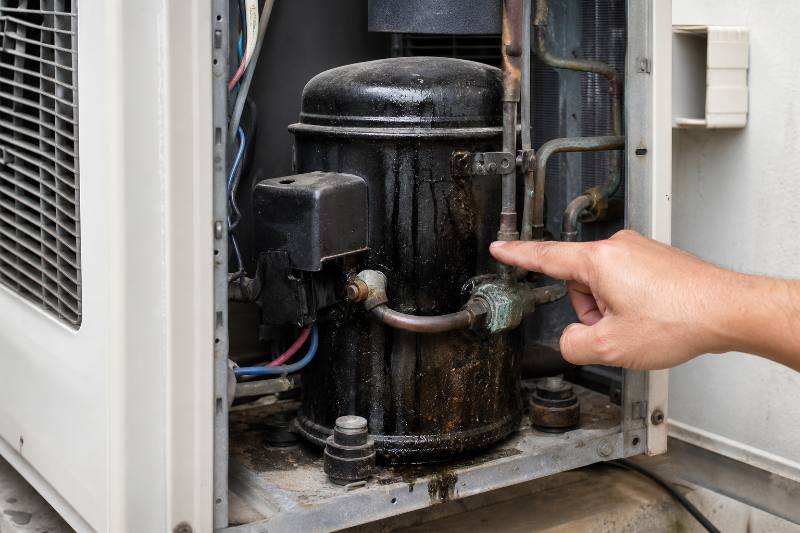
Is Your AC Compressor Failing? Get Expert Service from Stream Cold Air Corp
Don’t let a faulty AC unit compromise your comfort. Our certified technicians provide reliable AC compressor diagnosis, repair, and replacement services across Deerfield Beach, FL.
Diagnosing AC Compressor Failure: What to Expect
When you notice any of the aforementioned signs, a professional diagnosis is the next crucial step. A qualified technician will perform a series of tests to pinpoint the exact cause of the problem. This typically involves checking refrigerant levels, inspecting electrical components, and listening for unusual noises to determine if the compressor is indeed the source of the malfunction.
For car AC systems, the diagnosis process is similar but focuses on automotive-specific components. Understanding the symptoms is the first step toward effective repair or replacement. It’s important to act quickly, as a failing compressor can sometimes lead to further damage to other parts of your AC system.
What Noises Indicate an AC Compressor is Failing?
Distinct noises can be tell-tale signs of impending AC Compressor Failure. A loud grinding or banging sound often indicates internal mechanical wear, such as damaged bearings or pistons. A persistent screeching noise, especially upon startup, might point to a failing compressor clutch or a worn belt in automotive applications. A constant clicking or rattling could signal a loose component or issues with the compressor’s internal mechanisms. Any sound beyond the normal operational hum warrants immediate investigation.
Symptoms of a Failing Car AC Compressor
A failing car AC compressor presents several distinct symptoms. You might notice warm air blowing from the vents, even when the AC is set to maximum cold. Strange noises like grinding, rattling, or squealing when the AC is on are common. The compressor clutch might not engage, or it may cycle on and off rapidly. A burning smell, reduced cooling performance, or intermittent AC operation are also strong indicators.
It’s generally safe to drive with a broken AC compressor, but the AC system will simply not cool, and if the compressor has seized, it could affect the serpentine belt, requiring prompt attention.
Repair vs. Replacement: Addressing AC Compressor Failure
Once an AC compressor issue is diagnosed, the next question is whether to repair or replace it. In many cases, a complete replacement is the more reliable and cost-effective long-term solution, especially if the internal components are severely damaged. Minor issues, such as a faulty clutch, capacitor, or relay, might be repairable separately. However, if the compressor motor itself has failed or shows significant internal wear, replacement is almost always recommended.
Considering the lifespan of an AC compressor is also important. A residential AC compressor typically lasts 10 to 15 years with proper maintenance, while car AC compressors usually last 8 to 12 years. If your unit is nearing the end of its expected lifespan, replacement might be a more sensible investment than a costly repair that only extends its life by a short period.
AC Compressor Lifespan and Maintenance
The longevity of your AC compressor largely depends on consistent maintenance and usage patterns. Regular professional tune-ups, including cleaning coils, checking refrigerant levels, and inspecting electrical connections, can significantly extend its life. Neglecting maintenance, however, can drastically shorten it. Environmental factors, such as extreme heat or humidity, also play a role. Investing in routine service can help prevent premature AC Compressor Failure and ensure your system runs efficiently for years.
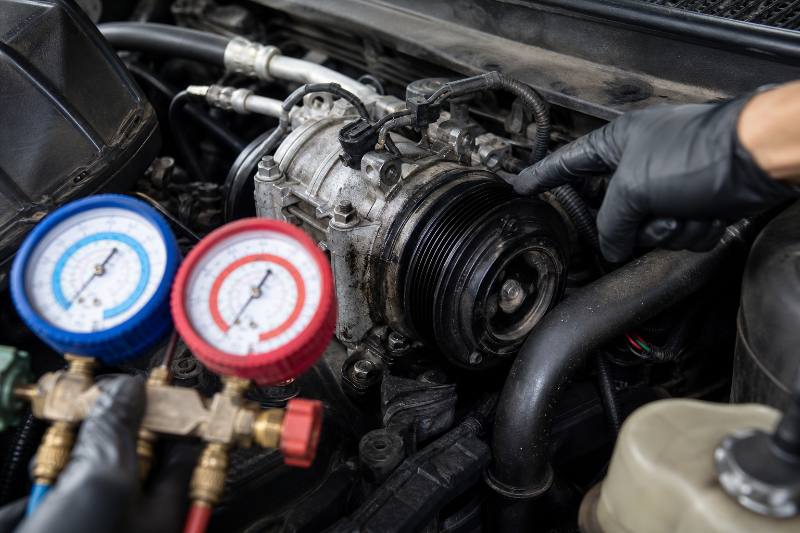
The Cost of AC Compressor Failure: What to Budget
The cost to address AC Compressor Failure can vary significantly based on several factors. For residential AC units, replacement costs typically range from $1,000 to $2,500, including parts and labor. Car AC compressor replacement might cost between $500 and $1,200. These figures are estimates and can fluctuate based on the type of unit, brand, model, and regional labor rates.
It’s crucial to obtain a detailed quote from a reputable service provider. Sometimes, additional components like the drier filter or expansion valve may also need replacement, which will add to the overall cost. Discussing these potential additional expenses upfront can help you budget accurately.
Factors Influencing AC Compressor Replacement Cost
Several factors influence the overall cost of AC compressor replacement. The type and size of the compressor are primary determinants; larger or more specialized units will be more expensive. The brand also plays a role, with OEM (Original Equipment Manufacturer) parts generally costing more than aftermarket options. Labor costs vary by region and the complexity of the installation.
Furthermore, if the system requires a refrigerant flush, new lines, or other component replacements due to widespread contamination from the compressor failure, the total cost will increase.
Finding Expert Help for AC Compressor Failure in Deerfield Beach, FL
When facing AC Compressor Failure, choosing the right service provider is paramount. You need experienced, certified technicians who can accurately diagnose the problem and provide effective, lasting solutions. Look for companies with strong online reviews, industry certifications (like NATE for HVAC technicians), and a transparent pricing structure. Asking for recommendations from friends or neighbors can also lead you to trusted local experts.
For residents in Deerfield Beach, FL, Stream Cold Air Corp offers reliable AC compressor diagnosis, repair, and replacement services. Our certified technicians are equipped with the knowledge and tools to handle all types of AC compressor issues, ensuring your home or vehicle returns to optimal cooling performance. Don’t let a faulty AC unit compromise your comfort; reach out for a professional assessment and quote today. You can learn more about our comprehensive AC repair services on our website.
Requesting a quote for AC compressor replacement is a straightforward process. A reputable company will schedule an inspection, provide a thorough diagnosis, and then present you with a detailed estimate outlining all costs involved. This ensures transparency and helps you make an informed decision about your AC repair needs.
Conclusion
Addressing AC Compressor Failure promptly is essential for maintaining your comfort and preventing further damage to your air conditioning system. By recognizing the five essential signs – warm air, strange noises, leaks, non-engagement, and high energy bills – you can take timely action. Whether it’s a residential unit or a car’s AC, understanding these indicators empowers you to seek professional help before minor issues escalate into major expenses.
Regular maintenance and choosing experienced technicians are your best defense against compressor problems, ensuring your cooling system remains reliable and efficient.
Common Questions About AC Compressor Failure
Find answers to frequently asked questions regarding your air conditioning compressor.
What are the common causes of AC compressor failure?
Common causes of AC compressor failure include refrigerant leaks, which reduce lubrication and cooling capacity; dirty condenser coils leading to overheating; electrical issues like faulty capacitors or relays; and insufficient lubrication due to low oil levels. Regular maintenance can often prevent these problems.
What are the symptoms of a failing car AC compressor?
Symptoms of a failing car AC compressor include clicking or grinding noises when the AC is on, warm air blowing from the vents, a burning smell, and the compressor clutch not engaging. Reduced cooling performance and intermittent AC operation are also clear indicators.
How much does it cost to replace an AC compressor?
The cost to replace an AC compressor varies widely based on the AC unit type (residential vs. automotive), brand, model, and labor rates in your area. Typically, residential AC compressor replacement can range from $1,000 to $2,500, while car AC compressor replacement might cost $500 to $1,200. It’s best to get a detailed quote.
Can a bad AC compressor be repaired instead of replaced?
In most cases, a bad AC compressor is replaced rather than repaired, especially if the internal components are damaged. Minor issues like a faulty clutch or capacitor might be repairable separately, but if the compressor motor itself fails or has severe internal wear, replacement is the more cost-effective and reliable long-term solution.
What noises indicate an AC compressor is failing?
Noises indicating an AC compressor is failing often include loud grinding, banging, or screeching sounds. A constant clicking or rattling when the unit is operating can also signal internal problems or a failing clutch. Any unusual noise should prompt immediate professional inspection.
Why is my car’s AC compressor not engaging?
A car’s AC compressor might not engage due to several reasons, such as low refrigerant levels, a blown fuse, a faulty relay, a failing clutch, or issues with the pressure switch. An electrical problem or a seized compressor can also prevent engagement. Professional diagnosis is necessary.
How long can an AC compressor be expected to last?
A residential AC compressor typically lasts 10 to 15 years with proper maintenance, though some can exceed 20 years. Car AC compressors usually last 8 to 12 years. Lifespan depends on usage, maintenance, environmental factors, and initial quality.
Is it safe to drive with a broken AC compressor?
Generally, it is safe to drive with a broken AC compressor, especially if it’s an issue with the clutch or the compressor itself has seized and is no longer attempting to engage. However, if the compressor’s belt is making loud noises or causing other engine issues, it should be addressed promptly to prevent further damage.
Where can I find reputable shops for AC compressor replacement?
To find reputable shops for AC compressor replacement, look for businesses with strong online reviews, industry certifications (like NATE for HVAC), and a history of reliable service. Asking for recommendations and getting multiple quotes can also help. Stream Cold Air Corp is a trusted provider in Deerfield Beach, FL.
What factors influence AC compressor replacement cost?
Factors influencing AC compressor replacement cost include the type and size of the compressor, the brand (OEM vs. aftermarket), labor costs, the complexity of the installation, and whether additional parts like drier filters or expansion valves need replacement. The specific refrigerant type also plays a role.