


AC Coil Replacement: 4 Essential Signs Your System Needs a New One
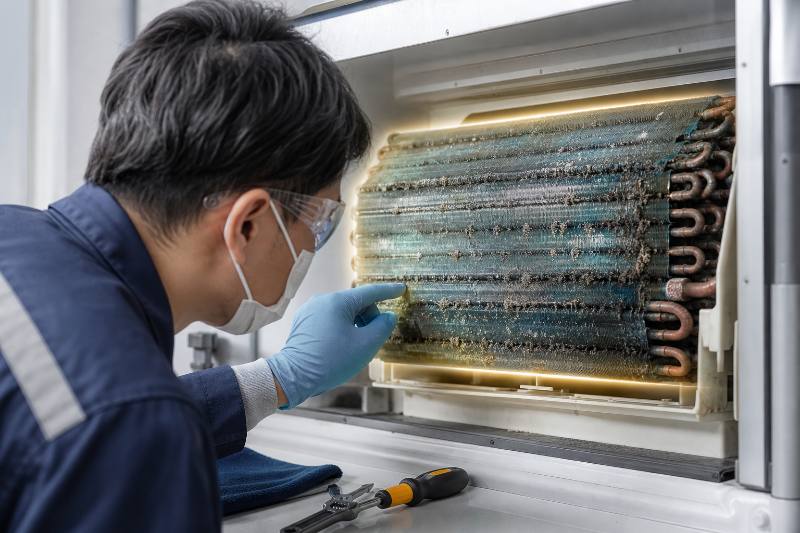
AC Coil Replacement is a critical service for maintaining the efficiency and longevity of your air conditioning system. Ignoring problems with your AC coils can lead to higher energy bills, reduced comfort, and even complete system failure. Understanding the signs that indicate a failing coil is the first step toward preventing more extensive and costly repairs.
This comprehensive guide will walk you through the essential indicators that suggest your AC system might be in need of an AC coil replacement. We’ll delve into what AC coils are, why they fail, and the professional process involved in replacing them. By recognizing these crucial signs early, you can ensure your home remains cool and comfortable, especially during the hottest months in Deerfield Beach.
Key Takeaways
- Recognize the 4 critical signs of a failing AC coil, including reduced cooling and high energy bills, to prompt timely AC Coil Replacement.
- Understand the difference between evaporator and condenser coils and why both are vital for your AC system’s performance.
- Learn why professional expertise is non-negotiable for a safe and effective AC Coil Replacement, avoiding costly DIY mistakes.
- Discover how a new AC coil can restore your system’s efficiency, lower energy costs, and extend the overall lifespan of your unit.
Understanding AC Coil Replacement: What It Is and Why It Matters
An AC system relies on two primary coils to facilitate the heat exchange process: the evaporator coil and the condenser coil. The evaporator coil, located inside your home, absorbs heat from the indoor air. The condenser coil, found in the outdoor unit, releases that heat to the outside. Both are indispensable for your air conditioner to effectively cool your living space.
An AC coil replacement involves removing a faulty coil and installing a new, functional one. This process is crucial because a damaged coil cannot properly transfer heat, leading to a significant drop in your system’s performance. When these coils fail, your AC works harder, consumes more energy, and struggles to maintain desired temperatures.
Main Reasons an AC Coil Might Need AC Coil Replacement
Several factors can necessitate an AC coil replacement. One of the most common issues is corrosion, often caused by volatile organic compounds (VOCs) or formic acid present in household products. These corrosive elements can slowly eat away at the coil’s metal, leading to refrigerant leaks.
Physical damage, such as dents or punctures from debris, can also compromise a coil’s integrity. Manufacturing defects, though less common, can also lead to premature failure. Over time, even without obvious damage, wear and tear can degrade the coil’s efficiency, making an AC coil replacement the most sensible solution.
Is It Better to Repair a Leaky AC Coil or Opt for AC Coil Replacement?
When faced with a leaky AC coil, homeowners often wonder whether to repair or replace. While minor leaks can sometimes be patched, repairs are often temporary, and the leak may recur in a different spot. For older coils, multiple leaks, or extensive corrosion, a full AC coil replacement is typically the more durable and cost-effective long-term solution.
A professional technician can assess the extent of the damage and the age of your unit to recommend the best course of action. Investing in a new AC coil replacement ensures your system operates at peak efficiency for years to come, avoiding repeated repair costs and refrigerant recharges.
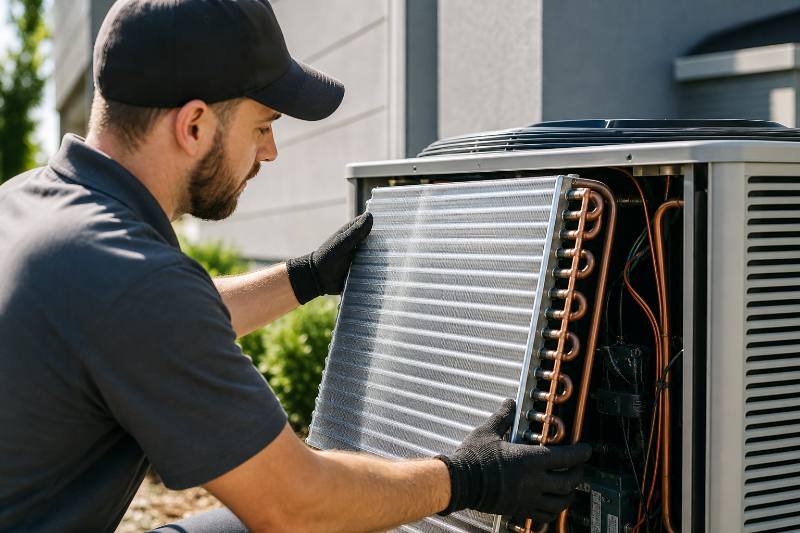
4 Critical Signs You Need an AC Coil Replacement
Recognizing the early warning signs of a failing AC coil can save you from prolonged discomfort and unexpected breakdowns. These indicators often point to a significant issue that requires immediate attention, potentially an AC coil replacement. Being proactive can prevent minor problems from escalating into major system failures.
Sign 1: Reduced Cooling Capacity and Inconsistent Temperatures
One of the most noticeable signs that your AC coil is failing is a significant drop in cooling performance. If your AC unit runs continuously but struggles to cool your home to the set temperature, or if certain rooms feel warmer than others, a faulty coil could be the culprit. This reduced capacity means your system is no longer efficiently absorbing or releasing heat.
An inefficient coil forces your AC to work harder to achieve the desired temperature, often resulting in inconsistent cooling throughout your home. This constant struggle not only impacts your comfort but also puts undue stress on other components of your system, potentially leading to further damage if an AC coil replacement is delayed.
Sign 2: Unusually High Energy Bills
A sudden and unexplained spike in your monthly energy bills is a strong indicator that your AC system is not operating efficiently. When an AC coil is compromised, the system has to expend more energy to compensate for the reduced heat exchange. This increased workload translates directly into higher electricity consumption.
If you notice your energy bills climbing without a corresponding increase in usage, it’s time to investigate. An inefficient AC coil can be a major energy drain, making an AC coil replacement a wise investment that can quickly pay for itself in energy savings over time. It restores your system’s ability to cool effectively without excessive power usage.
Sign 3: Visible Refrigerant Leaks or Ice Formation
Refrigerant is the lifeblood of your AC system, and a leak is a serious issue. If you notice water pooling around your indoor unit, or if you hear a hissing or bubbling sound, it could indicate a refrigerant leak from your evaporator coil. Refrigerant leaks not only harm the environment but also severely impair your AC’s cooling ability. The U.S. Environmental Protection Agency (EPA) provides guidelines on refrigerant management requirements, highlighting the importance of professional handling.
Another clear sign is the formation of ice on your evaporator coil. This happens when a refrigerant leak causes the coil’s temperature to drop below freezing, leading to moisture in the air condensing and freezing on the coil. Ice buildup prevents proper airflow and heat transfer, necessitating an AC coil replacement to resolve the underlying issue.
Sign 4: Strange Noises or Odors from Your AC System
Your AC unit should operate relatively quietly. If you start hearing unusual noises like bubbling, hissing, or gurgling, these sounds often point to a refrigerant leak within the coils. The bubbling sound can indicate air entering the refrigerant lines, while hissing suggests refrigerant escaping.
Foul odors emanating from your vents can also signal coil problems. A musty smell often indicates mold or mildew growth on a damp evaporator coil, which can occur if the coil is constantly wet due to poor drainage or freezing. A burning smell might suggest electrical issues, but it’s always best to have a professional diagnose the exact cause, as it could be related to an overworked system due to a failing AC coil replacement need.
Is Your AC Struggling? Get Expert AC Coil Replacement in Deerfield Beach!
Stream Cold Air Corp provides professional, honest, and efficient AC coil replacement services, ensuring your system runs optimally and you save money.
The Professional Process of AC Coil Replacement
When your AC system shows signs of distress, it’s tempting to try a DIY fix. However, an AC coil replacement is a complex procedure that requires specialized knowledge, tools, and adherence to safety regulations. Attempting to replace an AC coil without proper training can lead to further damage, costly mistakes, and even personal injury.
Can a Homeowner Replace an AC Coil on Their Own?
No, an AC coil replacement is not a task for homeowners. This job involves handling refrigerants, which are hazardous substances that require specific equipment for recovery and charging. Improper handling can release harmful chemicals into the atmosphere and is illegal without proper certification. Additionally, the process requires precise brazing of copper lines, vacuuming the system, and accurate refrigerant charging, all of which demand professional expertise.
DIY attempts can void your AC unit’s warranty, create new leaks, or cause irreversible damage to your entire HVAC system. It is always recommended to entrust an AC coil replacement to licensed and certified HVAC professionals to ensure safety and proper functionality.
Who Are Qualified Professionals for AC Coil Replacement?
Qualified professionals for AC coil replacement are licensed and certified HVAC technicians. They possess the necessary training, experience, and equipment to accurately diagnose coil issues, safely recover and recharge refrigerant, and install new coils according to manufacturer specifications. These technicians are also knowledgeable about local building codes and environmental regulations.
When choosing a professional, look for companies with a strong reputation, positive customer reviews, and technicians who are NATE-certified (North American Technician Excellence). Reputable companies like Stream Cold Air Corp in Deerfield Beach, FL, employ experienced technicians who guarantee high-quality service for your AC coil replacement needs.
What Are the Steps Involved in the Professional Replacement of an AC Coil?
A professional AC coil replacement follows a meticulous multi-step process to ensure optimal performance and safety. First, the technician safely recovers any existing refrigerant from the system using specialized equipment. This prevents harmful refrigerants from escaping into the atmosphere.
Next, electrical and refrigerant lines are carefully disconnected, and the old, faulty coil is removed. The new coil is then precisely installed, and new connections are brazed to create a secure, leak-free seal. After installation, the system undergoes a pressure test to check for any leaks, followed by a thorough evacuation to remove all moisture and non-condensable gases.
Finally, the system is recharged with the correct type and amount of refrigerant, and the technician performs comprehensive system checks to ensure everything is operating correctly. This detailed process guarantees that your new AC coil replacement functions efficiently and reliably.
How Long Does It Typically Take to Replace an AC Coil?
The duration for an AC coil replacement can vary depending on the complexity of the system, the accessibility of the coil, and whether any unforeseen issues arise. Generally, a skilled HVAC technician can complete the job within 4 to 8 hours. This timeframe includes all the necessary steps, from refrigerant recovery to system testing and recharging.
Factors that might extend the duration include the need for custom fabrication, difficult access to the unit, or the discovery of additional problems during the replacement process. Your technician will provide a more accurate estimate after assessing your specific AC system and the scope of the AC coil replacement.
Navigating Your AC Coil Replacement Options
Understanding the different types of coils and the factors influencing your replacement decision is crucial for making an informed choice. Not all coils are the same, and the best solution depends on your existing system, budget, and long-term goals for home comfort and efficiency. An expert can guide you through these considerations for your AC coil replacement.
What Is the Difference Between Replacing an Evaporator Coil and a Condenser Coil?
While both evaporator and condenser coils are vital for heat exchange, their locations and functions differ. An evaporator coil is situated inside your home, typically within the indoor air handler or furnace. Its role is to absorb heat from the indoor air, cooling it before it’s circulated throughout your home. An AC coil replacement for an evaporator coil usually involves working within the indoor unit.
The condenser coil, conversely, is located in the outdoor unit of your AC system. It releases the heat absorbed from indoors into the outside air. Replacing a condenser coil involves working on the outdoor unit. Both are critical for the refrigeration cycle, and a failure in either necessitates a professional AC coil replacement to restore system functionality.
What Brands of AC Coils Are Recommended for AC Coil Replacement?
When considering an AC coil replacement, opting for reputable brands ensures quality, efficiency, and compatibility with your existing system. Leading HVAC brands known for their reliable coils include Trane, Carrier, Lennox, Goodman, Rheem, and Day & Night. These manufacturers produce coils designed for durability and optimal performance.
It’s important to choose a coil that is compatible with your specific AC unit’s make and model to maintain efficiency and warranty coverage. A qualified HVAC professional can recommend the best brand and model for your AC coil replacement, ensuring it integrates seamlessly with your current system and provides long-lasting comfort.
When Should I Consider Replacing Just the AC Coil Instead of the Entire AC Unit?
Deciding between an AC coil replacement and a full AC unit replacement depends on several factors. If your AC unit is relatively new (typically less than 10 years old), still under warranty, and performing well otherwise, replacing just the coil is often the most cost-effective solution. This is especially true if only one coil is faulty and the other components are in good condition.
However, if your AC unit is old, frequently breaking down, or uses an outdated refrigerant (like R-22, which is being phased out), replacing the entire unit might be more financially sensible. A new, high-efficiency AC system can offer improved performance, lower energy bills, and a fresh warranty, making the investment worthwhile in the long run rather than just an AC coil replacement.
What Is the Expected Lifespan of an AC Evaporator Coil?
An AC evaporator coil typically has an expected lifespan of 10 to 15 years. However, this can vary significantly based on several factors, including the quality of the original installation, the frequency and quality of maintenance, local environmental conditions, and the presence of corrosive agents in your home’s air. Regular cleaning and professional inspections can help extend the life of your coil.
Neglecting maintenance or exposing the coil to harsh chemicals can shorten its lifespan, leading to an earlier need for an AC coil replacement. Being aware of your coil’s age and condition can help you anticipate potential issues and plan for necessary repairs or replacements before they become urgent.
Are AC Coil Replacements Covered by Manufacturer or Home Warranty?
Many homeowners are pleased to find that an AC coil replacement is often covered by either the manufacturer’s warranty or a home warranty. Manufacturer warranties typically cover parts for a certain period, usually 5 to 10 years, depending on the brand and registration. If your unit is still within this timeframe, the cost of the new coil itself might be covered, though labor costs may not be.
Home warranties, on the other hand, often cover both parts and labor for covered breakdowns, but they usually come with a service fee or deductible. It’s crucial to review your specific warranty documents to understand the terms, conditions, and coverage limits. Always inform your HVAC technician about any existing warranties before proceeding with an AC coil replacement, as this can significantly reduce your out-of-pocket expenses.

AC Coil Replacement Cost and Value
Understanding the financial aspect of an AC coil replacement is a key part of the decision-making process. While the initial cost might seem significant, it’s important to view it as an investment in your home’s comfort, energy efficiency, and the overall health of your HVAC system. Professional service ensures long-term value.
How Much Does It Cost to Replace an AC Coil?
The cost of an AC coil replacement can vary widely, typically ranging from a few hundred to over a thousand dollars. This range is influenced by several factors: the type of coil (evaporator or condenser), the specific make and model of your AC unit, the type of refrigerant required, and local labor rates. More complex systems or those requiring specialized parts will naturally incur higher costs.
It’s always recommended to obtain a detailed quote from a qualified HVAC professional. This quote should itemize parts, labor, and any additional services like refrigerant recovery and recharge. While it’s an investment, a proper AC coil replacement can prevent further system damage and significantly reduce your energy bills, offering long-term savings.
For reliable and transparent pricing on AC coil replacement in Deerfield Beach, FL, consider reaching out to Stream Cold Air Corp. Our experts provide honest assessments and efficient service, ensuring you get the best value for your investment in home comfort. We prioritize clear communication and customer satisfaction.
Ensuring Optimal Performance with Expert AC Coil Replacement
Recognizing the 4 critical signs that your AC system needs an AC coil replacement is paramount for maintaining a comfortable and energy-efficient home. From reduced cooling and unusually high energy bills to visible leaks and strange noises, these indicators should prompt immediate action. Delaying an AC coil replacement can lead to more severe system damage and higher operational costs.
Entrusting your AC coil replacement to qualified HVAC professionals ensures the job is done safely, correctly, and efficiently. Their expertise guarantees that your new coil will integrate seamlessly with your existing system, restoring optimal performance and extending the lifespan of your AC unit. Don’t let a failing coil compromise your comfort or budget.
If you’ve noticed any of these warning signs, it’s time to act. Contact a trusted HVAC service provider like Stream Cold Air Corp in Deerfield Beach, FL, for a professional inspection and expert AC coil replacement. Invest in your home’s comfort and efficiency today, and enjoy reliable cooling for years to come.
Frequently Asked Questions About AC Coil Replacement
What exactly is an AC coil replacement?
An AC coil replacement involves removing a faulty evaporator or condenser coil from your air conditioning system and installing a new, functional one. This crucial component facilitates heat exchange, either absorbing heat from your indoor air (evaporator) or releasing it outside (condenser), which is essential for your AC unit to cool your home efficiently.
How much does it cost to replace an AC coil?
The cost of an AC coil replacement can vary significantly based on factors like the type of coil (evaporator or condenser), AC unit make and model, refrigerant type, labor costs, and warranty coverage. Generally, homeowners can expect to pay anywhere from a few hundred to over a thousand dollars. It’s always best to get a detailed quote from a qualified HVAC professional.
What are the main reasons an AC coil might need replacement?
AC coils primarily need replacement due to refrigerant leaks caused by corrosion (often from formic acid, a byproduct of common household chemicals), physical damage, or manufacturing defects. Over time, wear and tear can also degrade the coil’s efficiency, necessitating a full AC coil replacement to restore optimal performance.
What are the signs that my AC coil is failing and needs replacement?
Common signs of a failing AC coil include reduced cooling capacity, unusually high energy bills, a frozen evaporator coil (ice build-up), refrigerant leaks indicated by a hissing sound or a sudden decrease in cooling, and water pooling around the indoor unit. If you notice these issues, an AC coil replacement might be necessary.
Can a homeowner replace an AC coil on their own?
No, an AC coil replacement is a complex job that requires specialized tools, technical knowledge of HVAC systems, and handling of refrigerants. It’s highly recommended to hire a licensed and certified HVAC professional to ensure the replacement is done safely, correctly, and adheres to environmental regulations. DIY attempts can lead to further damage and void warranties.
Who are qualified professionals for AC coil replacement?
Qualified professionals for AC coil replacement are licensed and certified HVAC technicians. They possess the necessary training, experience, and equipment to diagnose coil issues, safely recover and recharge refrigerant, and install new coils according to manufacturer specifications. Always choose a reputable company like Stream Cold Air Corp with experienced technicians.
Where can I find AC coil replacement services in my area?
You can find reliable AC coil replacement services by searching online for “HVAC repair near me” or “AC coil replacement Deerfield Beach FL.” Check reviews, ask for recommendations, and verify technician licensing and insurance. Local experts like Stream Cold Air Corp in Deerfield Beach, FL, offer comprehensive AC services, including expert coil replacement.
How long does it typically take to replace an AC coil?
The duration for an AC coil replacement can vary, but it typically takes a skilled HVAC technician between 4 to 8 hours to complete the job, assuming there are no unforeseen complications. This includes draining the refrigerant, removing the old coil, installing the new one, brazing new connections, vacuuming the system, and recharging it.
What is the difference between replacing an evaporator coil and a condenser coil?
An evaporator coil is located inside your home (typically with the furnace) and absorbs heat from your indoor air. A condenser coil is located in the outdoor unit and releases that heat to the outside. Both are vital for the refrigeration cycle, but their replacement processes and locations differ, though the principle of heat exchange remains the same.
Is it better to repair a leaky AC coil or replace it entirely?
While minor leaks can sometimes be repaired, a full AC coil replacement is often the more durable and cost-effective long-term solution, especially for older coils, multiple leaks, or extensive corrosion. Repairs are temporary and the leak might recur. A professional technician can assess the damage and recommend the best course of action for your specific AC coil replacement.
What brands of AC coils are recommended for replacement?
Leading HVAC brands like Trane, Carrier, Lennox, Goodman, Rheem, and Day & Night are highly recommended for AC coil replacement. These brands are known for their quality, efficiency, and reliability. Stream Cold Air Corp can service and sell coils from all major brands, ensuring you get the best fit for your system.
When should I consider replacing just the AC coil instead of the entire AC unit?
Consider an AC coil replacement if your AC unit is relatively new (less than 10 years old), still under warranty, and performing well otherwise. If the unit is old, frequently breaking down, or uses an outdated refrigerant (like R-22), replacing the entire AC unit might be more financially sensible, offering improved efficiency and new warranties.
What is the expected lifespan of an AC evaporator coil?
An AC evaporator coil typically has a lifespan of 10 to 15 years, though this can vary depending on maintenance, usage, environmental factors, and the presence of corrosive agents in the air. Regular cleaning and professional maintenance can help extend the life of your AC coil, delaying the need for an AC coil replacement.
Are AC coil replacements covered by manufacturer or home warranty?
Yes, an AC coil replacement is often covered by either the manufacturer’s warranty (if the unit is still within its coverage period) or a home warranty. It’s crucial to check your specific warranty documents as coverage terms and deductible amounts can vary. Stream Cold Air Corp technicians always check for warranty coverage to save clients money.
What are the steps involved in the professional replacement of an AC coil?
A professional AC coil replacement involves several steps: refrigerant recovery, disconnecting electrical and refrigerant lines, removing the old coil, installing the new coil, brazing new connections, pressure testing for leaks, evacuating the system of moisture and non-condensables, and finally, recharging the system with the correct amount and type of refrigerant. Post-installation, the technician performs system checks.