

Furnace Blower Wheel: 7 Proven Steps to Restore Quiet Home Heating
A noisy furnace can quickly disrupt the peace of your Deerfield Beach home, and often, the culprit is a malfunctioning furnace blower wheel. This essential component is responsible for circulating conditioned air throughout your living spaces, and when it encounters issues, it can lead to irritating sounds, reduced efficiency, and even system breakdowns. Understanding the signs of a failing blower wheel and knowing the steps to address them can save you discomfort and costly repairs. Stream Cold Air Corp is here to guide you through diagnosing and resolving these common heating problems, ensuring your home heating system operates quietly and efficiently.
Key Takeaways
- Identify the common sounds, such as rattling, squealing, or grinding, that indicate a problem with your furnace’s blower wheel.
- Understand the primary causes of blower wheel issues, including dirt buildup, physical damage, and motor problems.
- Learn the initial steps for safely inspecting and cleaning a dirty blower wheel to restore quiet operation.
- Recognize when professional intervention is necessary for repairs or a complete blower wheel replacement.
- Discover how Stream Cold Air Corp’s expert technicians provide comprehensive diagnostics and solutions for all major HVAC brands.
- Consider the factors influencing the cost of blower wheel services, from cleaning to full replacement, for informed decision-making.
- Prioritize regular HVAC maintenance to prevent future blower wheel issues and ensure long-term system reliability.
Understanding Your Furnace Blower Wheel: The Core of Quiet Heating
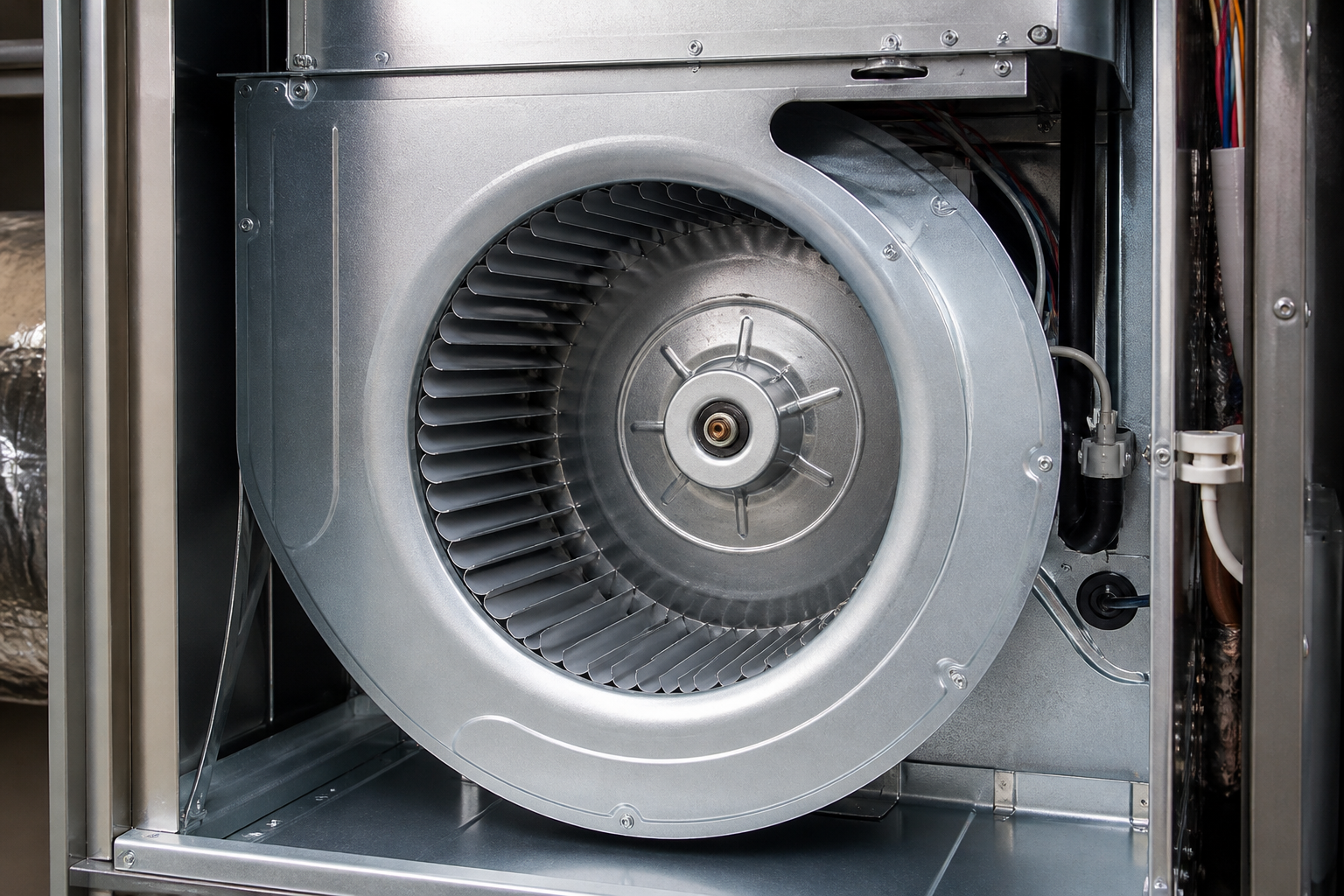
The blower wheel, often referred to as a squirrel cage, is a critical component within your heating system. Its primary function is to draw in cool air from your home’s return ducts, heat it, and then push the warm air through the supply ducts to every room. Without a properly functioning blower wheel, your furnace cannot effectively distribute heat, leading to uneven temperatures and discomfort.
This component is typically located within the blower motor assembly in the lower section of your furnace. Its design, with numerous blades, is optimized for moving large volumes of air efficiently. When operating correctly, it should be relatively quiet, producing only the gentle hum of air movement. Any deviation from this quiet operation often signals an underlying issue that requires attention.
For Deerfield Beach homeowners, maintaining this part is essential for both comfort and energy efficiency. A well-maintained blower wheel ensures consistent airflow, which directly impacts your heating system’s ability to maintain desired temperatures without overworking. Stream Cold Air Corp emphasizes preventative maintenance, including inspecting this vital component, to keep your system running smoothly.
Decoding the Sounds: Is Your Furnace Blower Wheel Failing?
Your furnace often communicates problems through unusual noises. When a blower wheel begins to fail or encounter issues, it typically produces distinct sounds that homeowners should not ignore. Recognizing these auditory cues early can prevent minor problems from escalating into major, more expensive repairs.
Listen for these specific noises when your furnace is running:
- Rattling or Clanking: This often indicates a loose component, such as a set screw on the motor shaft, or debris caught within the blower wheel itself. It could also signal that the wheel is hitting the housing.
- Squealing or Chirping: These high-pitched sounds usually point to issues with the blower motor bearings. Worn-out or dry bearings create friction, leading to these tell-tale noises.
- Grinding or Scraping: A more severe sound, grinding often suggests significant wear on the motor bearings or that the blower wheel is severely unbalanced and scraping against its housing.
- Whirring or Pulsating: While a gentle whir is normal, an excessively loud or pulsating whir could mean the blower wheel is unbalanced due to dirt buildup, causing it to wobble during operation.
If you hear any of these sounds emanating from your heating system, especially during its operational cycles, it is a clear indicator that your blower wheel or its motor needs professional inspection. Ignoring these warnings can lead to increased energy consumption and potential damage to other furnace components.
Why the Noise? Common Causes of a Rattling or Squealing Blower Wheel
Several factors can contribute to a noisy or malfunctioning blower wheel, ranging from simple maintenance oversights to more significant mechanical failures. Understanding these common causes helps homeowners in Deerfield Beach pinpoint potential issues and decide on the appropriate course of action.
The most frequent culprit behind a noisy blower wheel is dirt and debris buildup. Over time, dust, pet hair, and lint can accumulate on the blower wheel’s blades, especially if air filters are not changed regularly. This uneven accumulation throws the wheel off balance, causing it to wobble, vibrate, and produce rattling or thumping sounds. This imbalance also forces the motor to work harder, reducing efficiency and shortening its lifespan.
Other common causes include:
- Worn or Damaged Bearings: The blower motor’s bearings allow the shaft to spin smoothly. When these bearings wear out or lose lubrication, they create friction, resulting in squealing or grinding noises.
- Loose Set Screw: The blower wheel is attached to the motor shaft by a set screw. If this screw loosens, the wheel can wobble or even detach, leading to loud clanking or banging sounds.
- Bent or Broken Blades: Physical impact or prolonged imbalance can cause the blower wheel’s blades to bend or break. This damage severely affects airflow and creates significant noise and vibration.
- Motor Issues: Sometimes, the problem isn’t the wheel itself but the blower motor. A failing motor can produce various noises, including humming, buzzing, or grinding, which can be mistaken for blower wheel issues. Stream Cold Air Corp technicians are skilled in diagnosing specific technical tasks like blower motor replacements and capacitor repairs.
Addressing these issues promptly is crucial for maintaining your furnace’s efficiency and extending its operational life. Neglecting a noisy blower wheel can lead to higher energy bills and the need for more extensive, costly repairs down the line.
Your First Step to Quiet: How to Clean a Dirty Blower Wheel
If your blower wheel is making excessive noise, a thorough cleaning is often the first and most effective step to restore quiet operation. Dirt and debris buildup are common culprits, causing imbalance and strain on the system. While this task can be performed by a homeowner with some mechanical aptitude, safety is paramount.
Follow these steps for a safe and effective cleaning:
- Turn Off Power: Absolutely crucial. Locate your furnace’s dedicated circuit breaker and switch it off. Also, turn off the power switch located directly on the furnace unit. This prevents accidental startup during the cleaning process.
- Access the Blower Compartment: Remove the access panel to the blower compartment. This usually involves unscrewing a few fasteners or lifting latches. You may need to disconnect some wires, but make sure to photograph their connections first for easy reassembly.
- Remove the Blower Assembly: Carefully slide out the entire blower motor and wheel assembly. This can be heavy, so proceed with caution. Some units may require disconnecting additional wires or gas lines, which is best left to a professional.
- Clean the Blower Wheel: Once the assembly is out, you’ll see the squirrel cage blower wheel. Use a soft brush, a vacuum with a brush attachment, or compressed air to gently remove accumulated dust, lint, and debris from each blade. Pay close attention to the inside curves of the blades where dirt tends to cling. Avoid using water or harsh chemicals, as these can damage the wheel or motor.
- Inspect and Reassemble: While cleaning, inspect the blades for any signs of damage or bending. Ensure the set screw connecting the wheel to the motor shaft is tight. Once clean, carefully slide the blower assembly back into place, reconnect any wires, and secure the access panel.
- Restore Power and Test: Turn the power back on at the circuit breaker and the furnace switch. Start your furnace and listen for improved, quieter operation.
For Deerfield Beach residents, if you’re uncomfortable performing these steps or if the noise persists after cleaning, it’s time to call in the experts. Stream Cold Air Corp specializes in indoor air quality services, including professional air duct work, cleaning, and sanitization, which directly impacts blower wheel performance and longevity.
Beyond Cleaning: When to Consider Blower Wheel Replacement
While a thorough cleaning can often resolve noise issues caused by dirt buildup, there are situations where a blower wheel replacement becomes necessary. Recognizing these signs can help you make an informed decision and prevent further damage to your heating system.
Consider replacement if you observe any of the following:
- Physical Damage: If the blower wheel’s blades are visibly bent, cracked, or broken, cleaning alone will not fix the issue. Damaged blades can cause severe imbalance, vibration, and reduced airflow, necessitating a full replacement.
- Excessive Corrosion: In humid environments like Deerfield Beach, corrosion can sometimes affect metal blower wheels. Significant rust or deterioration can weaken the structure and lead to premature failure.
- Persistent Noise After Cleaning: If you’ve cleaned the blower wheel thoroughly and the rattling, squealing, or grinding noises persist, the problem likely lies deeper, possibly with worn-out motor bearings or a permanently unbalanced wheel.
- Reduced Airflow: Even without obvious noise, a severely damaged or warped blower wheel can significantly impede airflow, leading to poor heating performance and higher energy bills. If your home isn’t heating evenly despite the furnace running, the blower wheel could be the cause.
- Age of the Unit: While a well-maintained blower wheel can last 15-20 years, older units may simply reach the end of their component lifespan. If your furnace is nearing the end of its typical service life and the blower wheel is failing, replacement might be more cost-effective than continuous repairs.
Stream Cold Air Corp technicians are equipped to service and sell all major industry brands, such as Trane, Carrier, Lennox, Goodman, Rheem, and Day & Night. They can accurately diagnose whether your existing blower wheel can be repaired or if a replacement is the most reliable long-term solution for your home.
Restore Quiet Heating with Stream Cold Air Corp’s Expertise
Our certified HVAC technicians in Deerfield Beach provide expert furnace blower wheel diagnostics, cleaning, and replacement services, ensuring your home stays comfortable and quiet.
Professional vs. DIY: Replacing Your Blower Wheel
Deciding whether to tackle a blower wheel replacement yourself or hire a professional is a critical choice for homeowners. While some minor maintenance tasks can be DIY-friendly, replacing a blower wheel is a more complex procedure that carries significant risks if not performed correctly.
DIY Considerations:
Replacing a blower wheel involves several steps beyond simple cleaning, including disconnecting electrical components, potentially removing the blower motor, and ensuring the new wheel is correctly balanced and aligned. An experienced DIYer with a strong understanding of HVAC systems and electrical safety might attempt this. However, improper installation can lead to:
- Further damage to the furnace motor or other components.
- Continued noise or vibration due to improper balancing.
- Safety hazards, including electrical shock or gas leaks if lines are disturbed.
- Voiding your furnace’s warranty.
Professional Advantages:
Hiring a certified HVAC technician, like those at Stream Cold Air Corp, offers numerous benefits:
- Expert Diagnosis: Professionals can accurately determine if the blower wheel is truly the problem or if the issue lies with the motor, capacitor, or other components.
- Correct Part Selection: Furnaces require specific blower wheel sizes and types. Technicians ensure the correct OEM (Original Equipment Manufacturer) part is installed for optimal performance and compatibility.
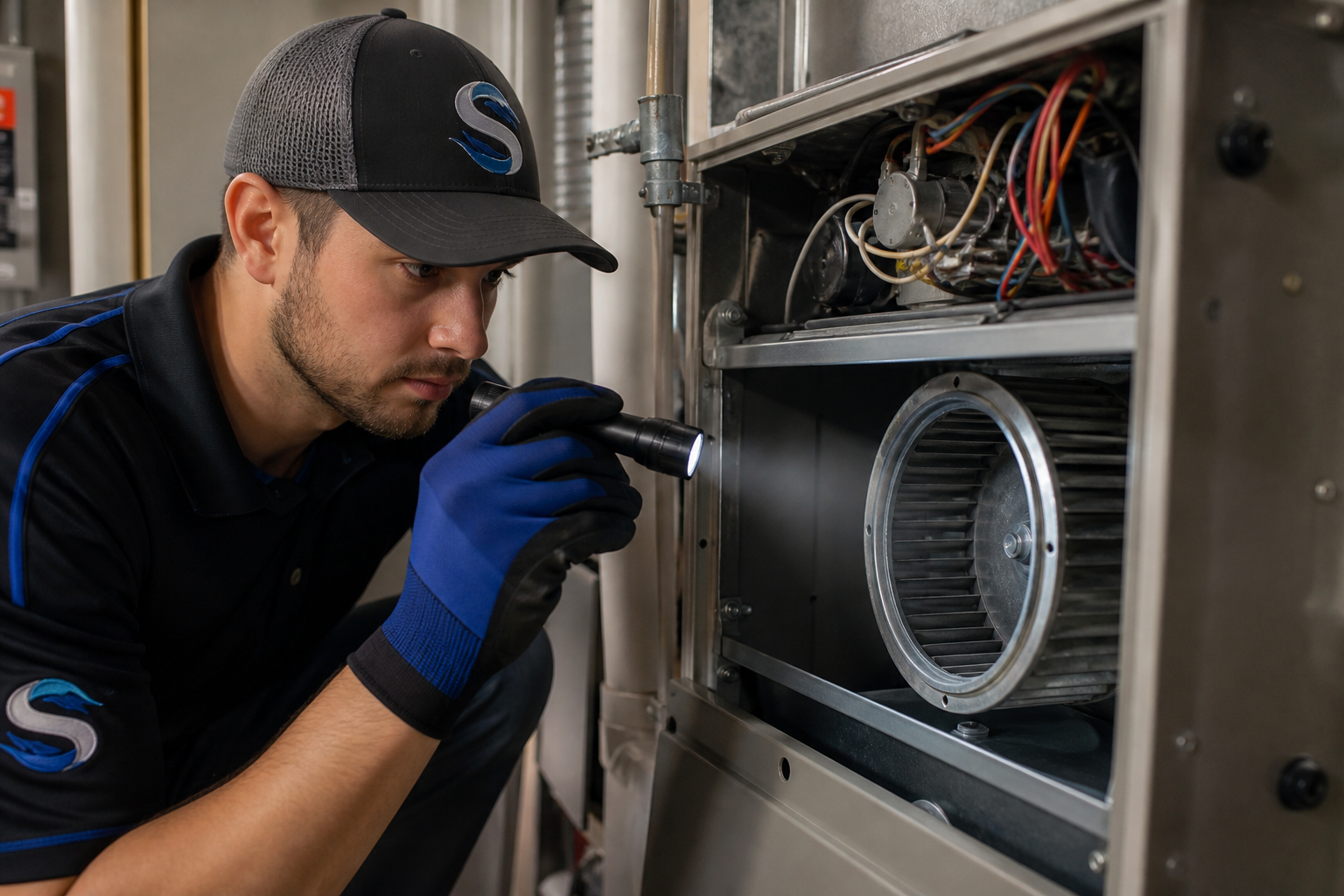
- Safe and Efficient Installation: Our technicians have the specialized tools and training to safely remove and install the new blower wheel, ensuring all electrical connections are secure and the unit is properly balanced.
- Warranty Protection: Professional installation often maintains your furnace’s warranty, and Stream Cold Air Corp prioritizes checking manufacturer warranties to save clients money on parts.
- Comprehensive Service: Beyond just the blower wheel, Stream Cold Air Corp provides comprehensive residential and commercial HVAC services, including heating solutions, in Deerfield Beach, FL. We can inspect your entire system for related issues.
Given the complexity and potential risks, Stream Cold Air Corp strongly recommends professional service for blower wheel replacement to ensure safety, efficiency, and long-term reliability for your heating system.
The Investment in Comfort: Understanding Blower Wheel Replacement Costs
The cost of addressing a faulty blower wheel can vary significantly depending on the nature of the problem, whether it requires cleaning, repair, or a full replacement. For Deerfield Beach homeowners, understanding these potential costs helps in budgeting for necessary HVAC maintenance and repairs.
Cleaning Costs:
If the issue is primarily due to dirt and debris buildup, a professional cleaning service is the most affordable solution. This typically ranges from $100 to $300, often included as part of a comprehensive furnace tune-up or indoor air quality service. Stream Cold Air Corp specializes in air duct cleaning and sanitization, which can prevent future buildup on this component.
Repair Costs:
Minor repairs, such as tightening a loose set screw or addressing a specific motor issue like a capacitor repair, might cost between $150 and $400. These costs primarily cover labor and small parts.
Replacement Costs:
A full replacement of this component is a more substantial investment. The cost is influenced by several factors:
- Part Cost: The blower wheel itself can range from $70 to $300, depending on the furnace model and size.
- Labor: Professional installation typically involves 2-4 hours of labor, with hourly rates varying by region.
- Motor Replacement: If the blower motor is also failing, the combined cost will be higher, as blower motors can range from $200 to $800 or more for the part alone. Stream Cold Air Corp handles blower motor replacements as part of their specific technical tasks.
Overall, homeowners can expect to pay anywhere from $400 to $800 or more for a professional blower wheel replacement, including parts and labor. While this might seem like a significant expense, it’s an investment in your home’s comfort, energy efficiency, and the longevity of your entire heating system. Stream Cold Air Corp focuses on customer accessibility with free quotes for new system installations and flexible financing options, ensuring you can get the necessary repairs without undue financial strain. Our team, led by experienced technicians like Rafael (Mr. Silva), is known for transparent pricing and thorough communication.
Restoring Your Home’s Quiet Comfort with Stream Cold Air Corp
A quiet, efficient heating system is fundamental to home comfort, and a properly functioning furnace blower wheel plays a central role in achieving this. From diagnosing unusual noises to performing meticulous cleaning or necessary replacements, addressing blower wheel issues promptly ensures your furnace operates at its best. Ignoring these problems can lead to diminished performance, higher energy bills, and potentially more extensive repairs down the line.
At Stream Cold Air Corp, we understand the importance of reliable heating for Deerfield Beach residents. Our certified HVAC technicians are experts in identifying and resolving all furnace-related concerns, including complex blower wheel diagnostics and repairs. We are committed to providing honest, professional service, checking manufacturer warranties to save you money, and offering solutions tailored to your specific needs. Let us help you restore the quiet, efficient heating your home deserves.
Frequently Asked Questions About Furnace Blower Wheels
Where is the blower wheel located inside a furnace?
The furnace blower wheel, often called a squirrel cage, is typically housed within the blower motor assembly, which is located in the lower compartment of your furnace unit. You’ll find it behind the return air duct, designed to pull air into the system and push conditioned air through your home’s ductwork. Access usually requires removing the blower compartment door.
Can I replace a furnace blower wheel myself or do I need a professional?
While it’s technically possible for an experienced DIYer to replace a furnace blower wheel, it’s a complex task that often requires specialized tools, precise balancing, and knowledge of electrical components. Incorrect installation can lead to further damage or safety hazards. Stream Cold Air Corp strongly recommends professional service to ensure correct installation and optimal system performance.
How much does it cost to replace a furnace blower wheel?
The cost to replace a furnace blower wheel can vary widely based on the furnace model, wheel size, and labor rates in your area. Generally, you might expect to pay a few hundred dollars for the part and several hundred more for professional installation, totaling roughly $400-$800 or more. Stream Cold Air Corp offers transparent pricing and free quotes for new system installations, so don’t hesitate to contact us for an accurate estimate.
What is the average lifespan of a furnace blower wheel?
A well-maintained furnace blower wheel can last for 15-20 years, often for the entire lifespan of the furnace itself. Regular cleaning and prompt attention to unusual noises are crucial for maximizing its longevity. Neglecting maintenance, however, can significantly shorten its effective service life due to dirt buildup and increased wear.
What causes a furnace blower wheel to become unbalanced?
A furnace blower wheel typically becomes unbalanced due to uneven dirt and debris buildup on its blades. Over time, lint, pet hair, and dust accumulate, causing the wheel to spin erratically and produce vibrating or rattling noises. Other less common causes include physical damage, bent blades, or a loose set screw on the motor shaft.
Should I repair or replace my furnace blower wheel if it’s damaged?
The decision to repair or replace a damaged furnace blower wheel depends on the extent of the damage and its age. Minor issues like heavy dirt buildup can often be resolved with professional cleaning. However, if the wheel is bent, cracked, or severely corroded, replacement is usually the more cost-effective and reliable solution to ensure proper airflow and system efficiency.
Which brands offer reliable furnace blower wheels?
Most major HVAC manufacturers, such as Trane, Carrier, Lennox, Goodman, Rheem, and Day & Night, produce reliable furnace blower wheels designed for their specific units. The reliability often comes from matching the correct OEM (Original Equipment Manufacturer) part to your furnace. Stream Cold Air Corp works with all these top brands, ensuring you get high-quality, compatible components for your system.
What are the different types of furnace blower wheels?
The most common type of furnace blower wheel is the forward-curved centrifugal fan, often referred to as a “squirrel cage” due to its appearance. These wheels are highly efficient at moving large volumes of air at low static pressures. While their design is relatively standard, they come in various sizes and materials to suit different furnace models and airflow requirements.

