

Air duct efficiency is the silent hero of a truly comfortable and energy-efficient home. It’s not just about having a powerful HVAC system; it’s about how effectively that system delivers conditioned air throughout your living spaces. When your ducts are performing optimally, you enjoy consistent temperatures, lower energy bills, and superior indoor air quality. Conversely, inefficient ducts can silently siphon away your comfort and inflate your utility costs, making your HVAC system work harder than it needs to.
In this comprehensive guide, we will uncover the critical importance of optimizing your home’s ductwork. We’ll explore the common culprits behind energy loss and discomfort, and detail actionable strategies to enhance your system’s performance. From professional sealing to proper insulation and smart design choices, we’ll equip you with the knowledge to transform your home’s climate control. Consider this your essential blueprint for achieving peak air duct efficiency and unlocking a new level of home comfort and savings.
Key Takeaways
- Understand how optimizing air duct efficiency can drastically reduce your energy bills and improve home comfort.
- Learn to identify the common signs of inefficient ductwork, from uneven temperatures to excessive dust.
- Discover 7 powerful, actionable secrets to enhance your HVAC system’s performance and prolong its lifespan.
- Explore the critical role of professional sealing, insulation, and proper system design in achieving peak air duct efficiency.
Understanding air duct efficiency: The Foundation of Home Comfort
Air duct efficiency refers to the ability of your home’s ductwork to deliver conditioned air from your HVAC unit to your living spaces with minimal loss. It’s a measure of how much of that heated or cooled air actually reaches its intended destination, rather than escaping into unconditioned areas like attics, crawl spaces, or wall cavities. This efficiency is paramount for maintaining a comfortable indoor environment and controlling energy costs.
Why is air duct efficiency so important? Because an inefficient duct system can be a major source of energy waste. Studies by the U.S. Department of Energy indicate that typical duct systems lose 20% to 30% of the air moving through them due to leaks, holes, and poorly connected ducts. This means that a significant portion of the energy you pay for to heat or cool your home is simply lost before it ever reaches your rooms.
Improving this efficiency directly translates to tangible benefits for your wallet and your comfort.
Beyond energy savings, optimal air duct efficiency also plays a crucial role in indoor air quality. Leaky ducts can pull in dust, allergens, moisture, and even hazardous fumes from unconditioned spaces, circulating them throughout your home. This can exacerbate allergies, respiratory issues, and create an unhealthy living environment. By ensuring your ducts are sealed and properly maintained, you protect both your comfort and your health.
How air duct efficiency Impacts Home Energy Consumption
Poor air duct efficiency directly escalates home energy consumption. When ducts leak, your HVAC system has to run longer and harder to compensate for the lost conditioned air. This increased workload means your furnace or air conditioner consumes more electricity or gas, leading to substantially higher utility bills each month. It’s like trying to fill a bucket with holes – you need more water to get the same result.
The impact is particularly noticeable during peak heating and cooling seasons. In hot climates, leaky supply ducts in an attic can draw in hot, humid air, making your air conditioner struggle to cool your home. In colder regions, warm air escaping from supply ducts or cold air infiltrating return ducts can force your furnace to work overtime. Addressing these issues is fundamental to reducing your overall energy footprint and improving your home’s air duct efficiency.
Recognizing the Signs of Inefficient air duct efficiency
Identifying signs of inefficient ductwork is the first step toward improving your home’s air duct efficiency. One of the most common indicators is uneven room temperatures. If some rooms are consistently too hot while others are too cold, it often points to airflow problems or leaks within the duct system. You might also notice that your HVAC system runs almost constantly, struggling to reach the thermostat setting.
Another tell-tale sign is unusually high energy bills, especially if they’ve been steadily climbing without a corresponding increase in usage. Excessive dust accumulation throughout your home can also be a symptom, as leaky return ducts can pull in dusty air from attics or crawl spaces. Furthermore, if you hear whistling sounds from your ducts or feel drafts near vents, these could indicate significant leaks compromising your air duct efficiency.
7 Powerful Secrets to Optimize Your air duct efficiency
Optimizing your home’s air duct efficiency doesn’t have to be a daunting task. By focusing on these seven powerful secrets, you can significantly improve your HVAC system’s performance, enhance comfort, and achieve substantial energy savings. Each secret addresses a critical aspect of ductwork, ensuring that every cubic foot of conditioned air reaches its destination effectively.
Secret 1: Professional Leak Detection and Sealing for air duct efficiency
The most impactful step you can take to boost air duct efficiency is to seal any leaks. Ducts often have small cracks, gaps, or loose connections at joints, especially in older homes. These leaks allow conditioned air to escape and unconditioned air to infiltrate, wasting energy and reducing comfort. Professional technicians use specialized tools, like smoke generators or pressure tests, to pinpoint these hidden leaks.
Once identified, these leaks are sealed using professional-grade mastic sealant or specialized metallic foil tape. Unlike standard duct tape, which degrades over time, mastic creates a durable, airtight seal that significantly improves air duct efficiency. For more extensive systems, advanced techniques like Aeroseal can seal leaks from the inside out, providing exceptional, long-lasting results. This targeted sealing ensures that all the air your HVAC system conditions actually reaches your living spaces.
Secret 2: Insulating Ducts for Superior air duct efficiency
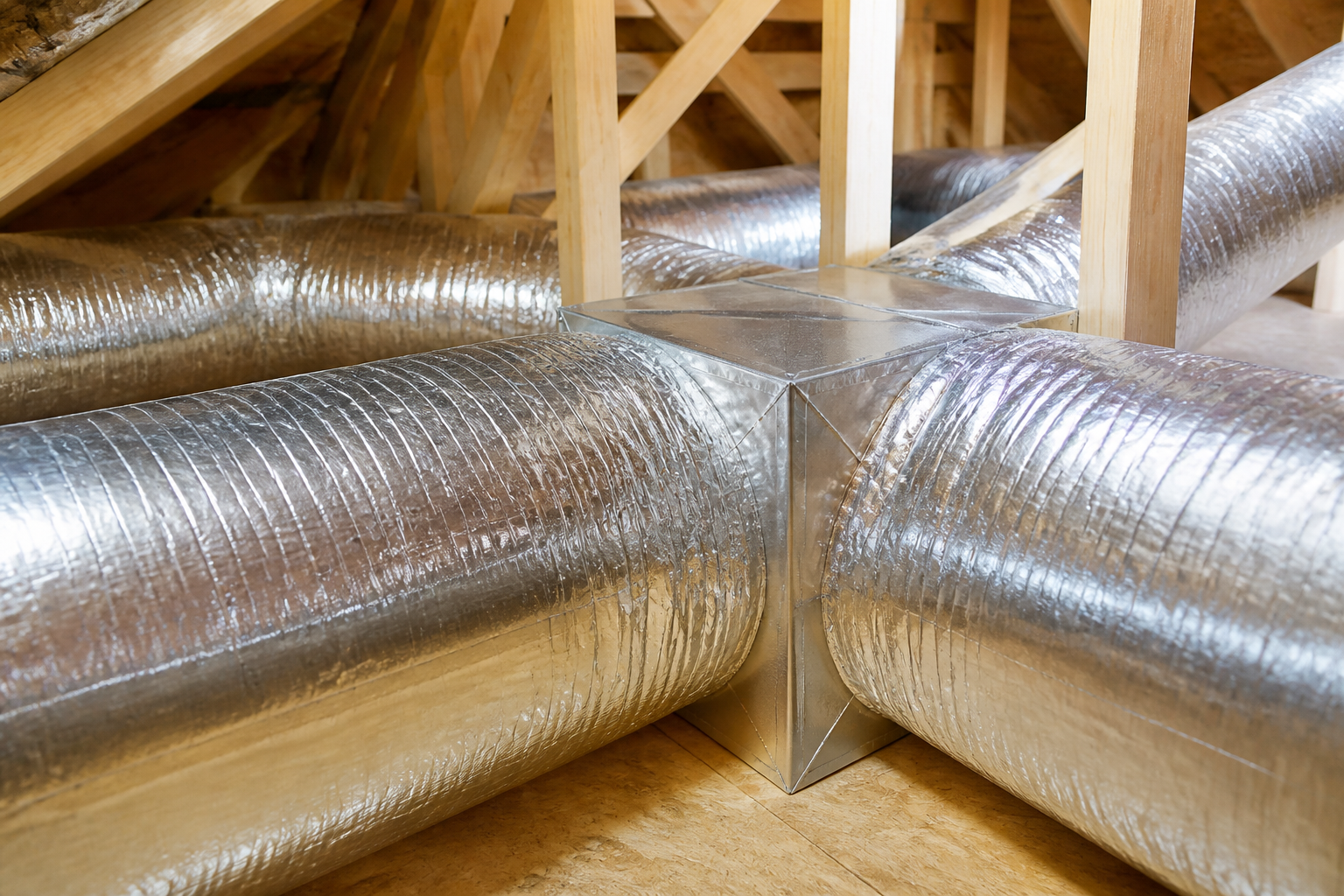
Proper insulation is crucial for maintaining air duct efficiency, particularly for ducts located in unconditioned spaces such as attics, crawl spaces, or garages. Without adequate insulation, ducts lose heat in the winter and gain heat in the summer, forcing your HVAC system to work harder to maintain desired temperatures. This thermal transfer directly impacts your energy bills and overall system performance.
Adding insulation to your ducts minimizes this heat exchange, ensuring that conditioned air remains at its target temperature as it travels through your home. This reduces the workload on your HVAC unit, leading to lower energy consumption and extended equipment life. For optimal air duct efficiency, insulation should be securely wrapped around all duct surfaces, paying close attention to seams and joints to prevent thermal bridging.
Secret 3: Addressing Airflow Problems and Zoning for air duct efficiency
Even with sealed and insulated ducts, poor airflow can still hinder air duct efficiency. This often manifests as some rooms having poor airflow despite otherwise efficient ducts. Common causes include obstructions within the ducts, improperly sized ducts, or closed dampers. A professional assessment can identify these issues, which might involve inspecting for debris, ensuring proper sizing, or adjusting balancing dampers.
Implementing a zoning system can also dramatically improve air duct efficiency. Zoning allows you to control the temperature in different areas of your home independently. Instead of heating or cooling unused rooms, you can direct conditioned air only where it’s needed, significantly reducing energy waste. This targeted approach ensures maximum comfort and optimal resource utilization, enhancing overall air duct efficiency.
Secret 4: The Role of HVAC System Design in air duct efficiency
The initial design and installation of your HVAC system play a fundamental role in its long-term air duct efficiency. A poorly designed system with undersized or oversized ducts, excessive bends, or long runs can severely restrict airflow and lead to significant energy losses. Proper design ensures that the ductwork is appropriately sized for your home’s heating and cooling load, minimizing resistance and maximizing air delivery.
An expert HVAC contractor will perform a load calculation to determine the precise requirements for your home, then design a duct system that optimizes airflow and minimizes static pressure. This includes strategic placement of return and supply vents, proper sizing of plenums, and using the most direct routes possible for duct runs. Investing in a well-designed system from the outset is key to achieving lasting air duct efficiency.
Secret 5: Regular Maintenance and Cleaning for air duct efficiency
While often overlooked, regular maintenance is vital for sustaining air duct efficiency. This includes routine inspections of your ductwork for visible damage, blockages, or disconnected sections. Changing your HVAC filters regularly is also critical, as clogged filters restrict airflow, forcing your system to work harder and reducing its efficiency.
Does cleaning air ducts significantly improve their efficiency? While duct cleaning primarily improves indoor air quality by removing dust, allergens, and contaminants, its direct impact on air duct efficiency is generally minimal unless there are severe blockages. However, if your ducts are heavily contaminated with debris, mold, or pest infestations, cleaning will restore optimal airflow and contribute to overall system performance. It’s a key part of holistic HVAC maintenance.
Secret 6: Choosing the Right Duct Materials for air duct efficiency
The materials used for your ductwork can influence air duct efficiency. Rigid metal ducts (galvanized steel or aluminum) are generally considered highly efficient due to their smooth interior surfaces, which minimize airflow resistance. They are also durable and less prone to sagging or crushing, which can impede airflow.
Are flexible air ducts less efficient than rigid ducts? Flexible ducts can be less efficient if not installed correctly. Their corrugated interior surface creates more airflow resistance, and improper installation, such as excessive bends, kinks, or sagging, can further restrict airflow. While flexible ducts are easier to install in tight spaces, rigid ducts, when properly sealed and insulated, typically offer superior air duct efficiency due to smoother interiors and fewer potential pinch points.
Always ensure flexible ducts are stretched taut and supported to prevent airflow issues.
Secret 7: Considering Your HVAC System’s SEER Rating for air duct efficiency
While not directly part of the ductwork itself, your HVAC system’s Seasonal Energy Efficiency Ratio (SEER) rating works in tandem with air duct efficiency to determine overall energy performance. An ideal SEER rating for an HVAC system with efficient air ducts is typically 14 SEER or higher, with some modern units reaching 20 SEER or more. A higher SEER rating indicates a more energy-efficient unit.
However, even the highest SEER-rated system will underperform if its conditioned air is lost through leaky or uninsulated ducts. Therefore, optimizing your air duct efficiency is a prerequisite to fully realizing the energy-saving benefits of a high-efficiency HVAC unit. It’s a holistic approach: a high-performing system needs a high-performing delivery network to truly maximize comfort and minimize energy consumption.

Maximize Your Home’s Air Duct Efficiency with Stream Cold Air Corp
Ensure your HVAC system operates at peak performance, reducing energy waste and improving indoor comfort. Our expert technicians provide comprehensive air duct assessments and sealing services.
Finding Local Contractors for air duct efficiency Services
When it comes to enhancing your home’s air duct efficiency, finding reputable local contractors is key. Start by searching for HVAC companies or energy efficiency specialists in your area, such as Deerfield Beach, FL. Look for companies with strong local reviews, certifications, and a proven track record in duct sealing, insulation, and system optimization. Ask for references and check their licensing and insurance.
A good contractor will offer a comprehensive assessment of your current ductwork, identifying specific areas for improvement. They should provide a detailed proposal outlining the recommended services, materials, and expected benefits for your home’s air duct efficiency. Don’t hesitate to get multiple quotes to compare services and pricing, ensuring you choose a provider who meets your needs and budget.
Understanding the Cost of Improving air duct efficiency
The cost to seal air ducts for improved air duct efficiency can vary widely depending on several factors. These include the size of your home, the extent of the existing ductwork, the number and severity of leaks, and the chosen sealing method. Basic sealing of visible leaks might be less expensive, while comprehensive Aeroseal treatment can be a more significant investment, though often with greater long-term savings.
On average, homeowners might expect to pay anywhere from a few hundred to several thousand dollars for professional duct sealing and insulation. While this might seem like an upfront cost, remember that improving air duct efficiency can lead to significant reductions in your monthly energy bills, often paying for itself over time. Many utility companies also offer rebates or incentives for energy efficiency upgrades, which can help offset the initial expense.
Why Professional air duct efficiency Assessments Matter
Who specializes in air duct efficiency assessments and upgrades? HVAC companies and energy efficiency specialists are the experts. They possess the specialized tools and knowledge required to accurately diagnose issues that impact your ductwork’s performance. This includes using thermal cameras to detect temperature disparities, duct leakage testers to measure air loss, and airflow meters to identify restrictions.
A professional assessment goes beyond a visual inspection. It provides a precise understanding of where your system is losing energy and why. Based on this data, technicians can recommend the most effective and targeted solutions, whether it’s sealing, insulation, repairs, or system balancing. This expert insight ensures that your investment in improving air duct efficiency yields the best possible results for your home’s comfort and energy savings.
For residents in Deerfield Beach, FL, and surrounding areas, ensuring optimal air duct efficiency is paramount for year-round comfort and energy savings. A local HVAC expert, like Stream Cold Air Corp, can provide the specialized services needed to assess, seal, and insulate your ductwork, guaranteeing your system operates at peak performance.
Frequently Asked Questions About Air Duct Efficiency
What is air duct efficiency and why is it important?
Air duct efficiency refers to how effectively your home’s ductwork delivers conditioned air from your HVAC unit to your living spaces without significant loss. It’s crucial because inefficient ducts can waste up to 30% of your HVAC system’s energy, leading to higher utility bills and uncomfortable indoor temperatures. Optimizing air duct efficiency ensures consistent temperatures and better indoor air quality throughout your home.
How does air duct efficiency impact home energy consumption?
Poor air duct efficiency directly escalates home energy consumption. Leaks, poor insulation, or obstructions in your ductwork force your HVAC system to work harder and longer to achieve the desired temperature. This increased workload translates into higher electricity or gas usage, substantially driving up your monthly energy bills. Improving efficiency can lead to significant savings.
What are the common signs of inefficient air ducts in a home?
Signs of inefficient air ducts include uneven room temperatures, meaning some areas are too hot or too cold. You might also notice higher-than-usual energy bills, excessive dust accumulation, or a noticeable decrease in airflow from vents. Musty odors or visible mold around registers can also indicate compromised air duct efficiency.
What are the best methods for improving existing air duct efficiency?
The best methods for improving air duct efficiency involve professional sealing of all leaks and gaps, properly insulating ducts in unconditioned spaces like attics or crawl spaces, and ensuring correct duct sizing and routing. Regular professional cleaning can also remove obstructions, although sealing and insulation offer more significant efficiency gains.
Does cleaning air ducts significantly improve their efficiency?
While duct cleaning primarily improves indoor air quality by removing dust, allergens, and contaminants, its direct impact on air duct efficiency is generally minimal. However, severe blockages from debris or pests can impede airflow, and in such cases, cleaning will restore optimal performance and contribute to overall system efficiency. It’s a key part of holistic HVAC maintenance.
What materials are best for sealing air ducts to maximize efficiency?
For maximizing air duct efficiency, professional-grade mastic sealant and specialized metallic foil tape are highly recommended. Mastic creates a strong, long-lasting, airtight seal around joints and seams, superior to standard duct tape. Aeroseal is another advanced option, sealing leaks from the inside out, providing exceptional improvements in air duct efficiency.
Who specializes in air duct efficiency assessments and upgrades?
HVAC companies and energy efficiency specialists are experts in air duct efficiency assessments and upgrades. They use specialized tools, such as thermal cameras and duct leakage testers, to identify problem areas. Professional technicians can then implement effective solutions like sealing, insulation, and repairs to restore your ductwork to optimal performance.
Can proper air duct insulation increase system efficiency?
Yes, proper air duct insulation significantly increases system efficiency, especially for ducts running through unconditioned spaces like attics, crawl spaces, or garages. Insulation minimizes heat gain in summer and heat loss in winter, ensuring that conditioned air reaches its destination at the desired temperature. This reduces the workload on your HVAC system and lowers energy consumption.
Are flexible air ducts less efficient than rigid ducts?
Flexible air ducts can be less efficient than rigid ducts if not installed correctly. Their corrugated interior surface can create more airflow resistance, and improper installation, such as excessive bends or sagging, can further restrict airflow. Rigid ducts, when properly sealed and insulated, typically offer superior air duct efficiency due to smoother interiors and fewer potential pinch points.
Your Invitation to Ultimate air duct efficiency
Achieving optimal air duct efficiency is not merely a technical upgrade; it’s an investment in your home’s comfort, health, and long-term value. As we’ve explored, from meticulous sealing and insulation to thoughtful system design and regular maintenance, every step contributes to a more effective and economical HVAC system. By understanding and implementing these powerful secrets, you can transform your home into a sanctuary of consistent temperatures and clean, fresh air, all while significantly reducing your energy footprint.
Don’t let inefficient ductwork silently drain your resources and compromise your comfort. Take proactive steps to assess and enhance your system’s performance. The benefits of improved air duct efficiency are clear: lower utility bills, a more comfortable living environment, and a longer lifespan for your HVAC equipment. Embrace the power of optimized ductwork and experience the profound difference it makes in your home every single day.
Learn more from authoritative resources: Consumer Reports and HGTV.

