

AC capacitor symptoms: 7 Essential Signs Your Unit Needs Expert Attention
Recognizing early AC capacitor symptoms is crucial for maintaining your home’s comfort and avoiding costly repairs. The capacitor, a small but mighty component in your air conditioning unit, acts like a battery, providing the necessary jolt of electricity to start the compressor and fan motors. When this vital part begins to fail, your entire AC system can suffer, leading to inefficiency or complete breakdown.
Understanding these critical signs allows homeowners to act swiftly, preventing minor issues from escalating into major HVAC emergencies.
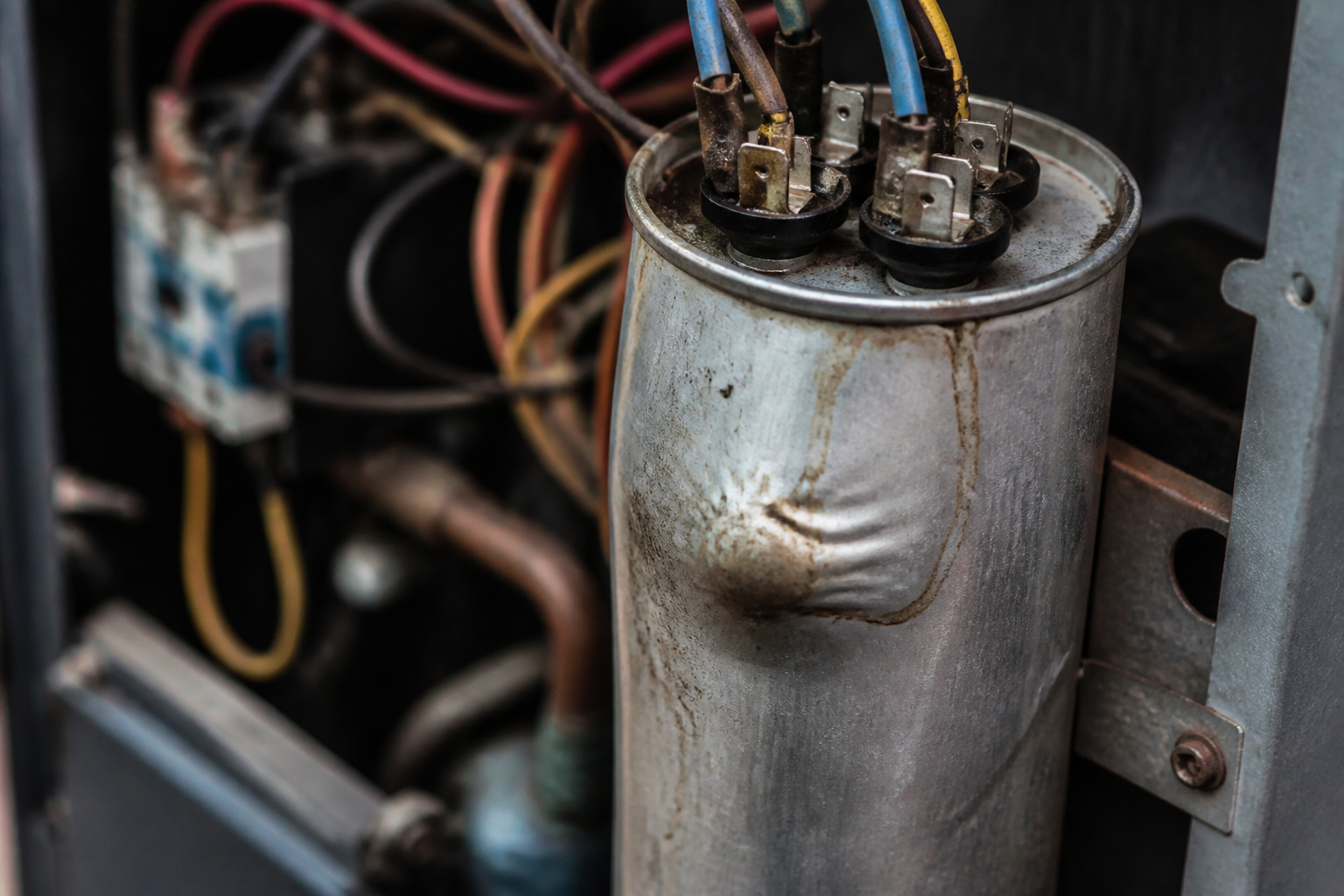
In this comprehensive guide, we will delve into the seven most common indicators that your AC capacitor is failing. We’ll explain why these symptoms occur, what risks they pose to your system, and why professional intervention is almost always the safest and most effective solution. By the end, you’ll be equipped with the knowledge to identify potential problems and ensure your AC unit receives the expert attention it needs to keep your home cool and comfortable.
Key Takeaways
- Identify the 7 most common AC capacitor symptoms, including humming sounds and warm air, to catch issues early.
- Understand the critical role of the AC capacitor and why its failure can lead to significant system damage.
- Learn why professional diagnosis and replacement are essential for safety and optimal AC performance.
- Discover the causes of capacitor failure and how regular maintenance can extend your unit’s lifespan.
AC capacitor symptoms: Understanding the Heartbeat of Your AC Unit
The air conditioning capacitor is a vital electrical component, often overlooked until it fails. Its primary function is to store an electrical charge and then release it, providing the initial surge of power needed to start the AC unit’s motors, specifically the compressor and the outdoor fan. Without this crucial jolt, these motors struggle or fail to start, leading to a cascade of problems that manifest as clear AC capacitor symptoms.
Think of it as the starter motor in your car. If it’s weak or broken, your engine won’t turn over, no matter how much fuel is in the tank. Similarly, a failing capacitor means your AC unit’s most power-hungry components can’t get going, leaving you with a warm home and a potentially damaged system. Recognizing these signs early can save you from more extensive and expensive repairs down the line.
The Role of the AC Capacitor in Your HVAC System
Your AC unit typically has one or more capacitors. A

Experiencing AC Capacitor Symptoms? Get Expert Help!
Don’t let failing AC capacitor symptoms leave you in the heat. Stream Cold Air Corp provides fast, reliable, and professional AC repair services.
What are the common symptoms of a bad AC capacitor?
Common AC capacitor symptoms include the outdoor unit humming but the fan not spinning, the AC blowing warm air, the unit frequently tripping the circuit breaker, slow startup, or the fan turning on and off erratically.
Why does my AC fan hum but not start when the capacitor is bad?
If your AC fan hums but doesn’t start, it’s a classic sign of a failing AC capacitor. The capacitor stores energy to give the motor the initial jolt it needs to begin spinning. Without enough stored energy, the motor attempts to start (causing the hum) but lacks the power to overcome inertia.
How can I test an AC capacitor to see if it’s failing?
Testing an AC capacitor requires a multimeter with a capacitance setting. Warning: Capacitors can store dangerous electrical charges even after power is off. Always discharge the capacitor safely before testing. A professional HVAC technician can accurately perform this test and diagnose AC capacitor symptoms.
What causes an AC capacitor to go bad or fail prematurely?
AC capacitors can fail due to extreme heat, power surges, age, or constant cycling of the AC unit. Over time, the internal electrolyte can degrade, leading to a loss of capacitance.
How much does it cost to replace a faulty AC capacitor?
The cost to replace a faulty AC capacitor typically ranges from $100 to $400, depending on the type of capacitor, labor rates, and your location. This includes the part and professional installation.
Can I replace a bad AC capacitor myself, or do I need a professional?
While technically possible for experienced DIYers, replacing an AC capacitor involves working with high voltage electricity and stored energy, which can be dangerous. It’s strongly recommended to hire a professional HVAC technician like Stream Cold Air Corp to safely diagnose and replace a bad capacitor to avoid injury or further damage.
What tools are required to safely replace an AC capacitor?
Safely replacing an AC capacitor requires a screwdriver, needle-nose pliers, a voltage meter, insulated gloves, and a tool to discharge the capacitor. Proper personal protective equipment is essential.
Where is the AC capacitor typically located in an outdoor unit?
The AC capacitor is typically located inside the electrical panel compartment of the outdoor condenser unit. It’s usually a cylindrical component, often aluminum, with wires connected to it.
How long do AC capacitors usually last before needing replacement?
Most AC capacitors last between 10 to 15 years, but their lifespan can be shortened by factors like frequent power surges, extreme temperatures, or constant stress from frequent AC cycling. Regular maintenance can help identify potential AC capacitor symptoms early.
What are the risks of running an AC unit with a bad capacitor?
Running an AC unit with a bad capacitor can lead to overheating of the compressor or fan motor, resulting in more extensive and expensive repairs, or even complete system failure. It also significantly reduces energy efficiency.
Should I schedule a professional AC repair for capacitor issues?
Yes, absolutely. Due to the high voltage involved and the risk of misdiagnosis or improper installation, it is highly recommended to schedule a professional AC repair for any suspected AC capacitor symptoms. Professionals ensure safety and correct part installation.
Where can I buy a new AC capacitor for my specific unit model?
New AC capacitors can be purchased from HVAC supply stores, online retailers specializing in appliance parts, or directly through your HVAC service provider. Ensure you match the exact microfarad (µF) and voltage ratings for your specific unit model.
Why is my AC blowing warm air, and could a bad capacitor be the cause?
Yes, a bad capacitor can cause your AC to blow warm air. If the compressor or outdoor fan motor isn’t starting due to a faulty capacitor, the refrigerant won’t be properly cooled or circulated, leading to only warm air being pushed through your vents. This is a common AC capacitor symptom.
How do I choose the correct replacement AC capacitor specifications?
To choose the correct replacement AC capacitor, you must match the microfarad (µF) rating, the voltage rating (VAC), and the terminal configuration (e.g., herm, fan, common) to your original capacitor. Always consult your unit’s manual or a professional.
What are the emergency signs of a critically failing AC capacitor?
Emergency signs of a critically failing AC capacitor include a strong burning smell, visible bulging or leaking from the capacitor itself, or repeated tripping of the circuit breaker immediately after the unit attempts to start. These require immediate professional attention.
Learn more from authoritative resources: Consumer Reports and HGTV.

